

High Quality Indigo Colour Dye – Sustainable, Durable & Eco-Friendly Solutions
Understanding High Quality Indigo Colour Dye: Why It Matters Globally
Indigo dye is more than just a deep blue pigment—it’s a cultural icon, an industrial staple, and a powerful tool in modern manufacturing and textiles. When we talk about high quality indigo colour dye, we're really diving into a specialized market that spans continents and industries. It touches everything from fashion to sustainable production, and frankly, it’s been shaping global trade for centuries.
But why does it matter now, in our era of fast fashion, environmental awareness, and global supply chains? For starters, a consistent, durable, and eco-friendly indigo dye impacts millions of workers and consumers worldwide, ensuring products hold their color without damaging the planet. If you’ve ever noticed how some jeans fade beautifully while others look cheap and blotchy, that’s a direct result of dye quality.
In short, high quality indigo dyes help maintain the integrity and reputation of entire brands, while supporting sustainable practices. Let’s unpack that in detail.
The Global Context: Indigo Dye in Today’s Industry
Industry data tells an impressive story: global textile production exceeds 100 million tons annually, with dye consumption soaring accordingly (ISO reports dye manufacturing contributes to around 10% of industrial water pollution). Indigo dye, characterized by its unique chemical structure and vibrant hue, remains a top choice in denim and other fabric sectors worldwide.
Interestingly, the World Bank estimates that over 60 million people worldwide rely on the textile sector for their livelihood, making the quality and sustainability of inputs like indigo dye critical. But the challenge is real: many dyes are produced cheaply with harmful chemicals, leading to environmental degradation and health risks.
That’s where premium, high quality indigo colour dye taps in—it promises not only superior colorfastness but also improved environmental compliance. It addresses water pollution, toxic waste, and worker safety, which are huge issues when dyeing is done wrong.
Mini takeaway: The global textile industry’s reliance on indigo dye necessitates improved quality standards to meet environmental, health, and performance challenges.
What Exactly is High Quality Indigo Colour Dye?
Simply put, high quality indigo colour dye is a purified, carefully formulated version of the classic indigo pigment. Unlike crude or synthetic indigo analogs, it offers consistent saturation, excellent durability, and fewer toxins. This kind of dye fits seamlessly into both traditional hand-dyeing and advanced industrial processes.
In a modern context, high-end indigo dye blends chemistry with sustainability efforts—using biodegradable compounds or advanced organic processing. This means it’s not only about the look, but also how the dye behaves in manufacturing, wastewater treatment, and final product life cycles. It shows up everywhere from premium denim jeans to artisan crafts, often symbolizing quality and eco-consciousness.
Key Factors That Define Superior Indigo Dye Quality
1. Durability & Colorfastness
This is arguably the most critical factor; nobody wants jeans that fade after a single wash. High quality indigo dye resists UV light, washing abrasions, and sweat exposure, ensuring garments retain their iconic deep blue for much longer.
2. Environmental Compliance
From reducing azo dyes (linked to carcinogens) to lowering heavy metal content, eco-friendly dyes now lead the pack. Superior indigo options often come with certifications or adhere to industry standards like OEKO-TEX and GOTS.
3. Scalability for Production
Whether a small artisan dyer or a major denim factory, the dye should deliver consistent results at scale. This means it must dissolve well, mix uniformly, and behave predictably during repeated runs.
4. Cost Efficiency
Though typically pricier upfront, high quality indigo dye reduces overall costs by cutting waste, lowering chemical consumption, and minimizing reprocessing demands.
5. Compatibility with Various Fibers
Indigo dye mostly targets cotton but increasingly works well on blends or alternative fibers like hemp and bamboo. A versatile dye opens up more sustainable material options.
6. Safety for Workers
Less toxicity means safer handling for factory workers, reducing illness risks and enhancing workplace conditions.
Mini takeaway: When selecting indigo dye, consider durability, environment, cost, worker safety — it’s a subtle balance that defines high quality.
How is High Quality Indigo Colour Dye Used Around the World?
From Bangladesh's garment hubs to Italy’s luxury fashion houses, high quality indigo dyes paint the fabric of economies and culture. In developing regions, sustainable dyes reduce water contamination, improving health outcomes for entire communities.
In industrialized countries, brands leverage premium dye to achieve unique color gradients and textures, differentiating themselves in a crowded market. NGOs working with cottage industries use such dyes to empower local artisans, turning craftsmanship into stable incomes.
These dyes even play roles in humanitarian contexts: for instance, in refugee camps, washable dyed fabrics offer dignity and resilience when resources are scarce.
Tangible Benefits and Long-Term Value
- Cost Savings: Consistent batches mean less resource waste and lower reprocessing—good news for margins.
- Environmental Reputation: Brands gain leverage with eco-conscious consumers and comply with stricter global regulations.
- Social Impact: Safer work conditions uplift entire communities.
- Aesthetic Excellence: Rich, consistent color builds trust and customer loyalty.
Add a layer of emotional value: consumers feel pride wearing clothes dyed with responsibly sourced indigo. In a world overloaded with disposable products, this dye symbolizes durability and respect — qualities we secretly crave.
Looking Forward: Innovation Trends Shaping Indigo Dye
The future is greener and smarter. Synthetic biology breeds new indigo strains made via microbial fermentation, cutting water pollution and resource demands drastically. Automation and AI help monitor dye baths precisely, minimizing excess chemical use. More companies invest in closed-loop water treatment, recovering dyes rather than dumping waste.
Plus, new blends target synthetic fibers for athleisure and technical fabrics, expanding indigo’s reach beyond cotton. As digital printing advances, imagine customizing indigo patterns on-demand with zero lacquer or excess runoff.
Challenges in Adoption and How Experts Tackle Them
One sticking point remains: cost. High quality indigo colour dye is typically more expensive than bulk alternatives. For small producers, initial outlay can be a hurdle.
Another issue is supply chain transparency—knowing where the dye ingredients come from is tricky. But vendors now offer detailed traceability, and industry coalitions work to standardize certifications.
Workarounds include phased adoption (mixing high quality indigo with cheaper dye in blends), supplier partnerships, and leveraging government support for sustainable textile initiatives.
Product Specification Table
| Specification | Details |
|---|---|
| Color Shade | Deep Indigo Blue (Pantone 19-3940 TCX) |
| Purity | > 98% synthetic or bio-indigo |
| Application Temperature | 50 - 70°C for optimal absorption |
| Compatible Fibers | Cotton, Hemp, Linen blends |
| Environmental Safety | OEKO-TEX Certified & heavy metal free |
| Shelf Life | 12 months (stored in dry, cool conditions) |
Vendor Comparison: Leading Suppliers of High Quality Indigo Colour Dye
| Vendor | Price per kg | Sustainability Certification | Lead Time | Global Shipping |
|---|---|---|---|---|
| IndigoPure Ltd | $45 | OEKO-TEX, GOTS | 2 weeks | Yes |
| EcoDye Solutions | $50 | Bluesign, OEKO-TEX | 1 week | Limited |
| BioIndiCo | $60 | Certified Organic (USDA) | 3 weeks | Yes |
Frequently Asked Questions About High Quality Indigo Colour Dye
Q1: How can I tell if an indigo dye is truly high quality?
A1: Look for certifications like OEKO-TEX or GOTS, examine colorfastness ratings, and check purity levels above 98%. Trusted vendors will also provide testing data and traceability info.
Q2: Is high quality indigo dye cost-effective compared to cheaper alternatives?
A2: While pricier upfront, premium indigo dyes reduce reprocessing, waste, and environmental fees, saving money over time and improving brand reputation.
Q3: Can high quality indigo dye be used on fabrics other than cotton?
A3: Yes! It’s compatible with natural fibers like hemp and linen, and new formulations are expanding to blends and sustainable textiles.
Q4: What environmental benefits come with using high quality indigo dyes?
A4: These dyes use fewer toxic chemicals, generate less wastewater pollution, and often come from sustainable sources, helping factories reduce their ecological footprint.
Q5: How do I incorporate high quality indigo dye into small-scale artisan production?
A5: Partner with a reliable supplier offering small batch options and technical support. Using correct application methods improves color consistency and lowers waste.
Conclusion: Why High Quality Indigo Colour Dye is a Smart Choice
Wrapping it up, high quality indigo colour dye offers a unique blend of tradition and innovation, combining impeccable aesthetics with sustainability and safety. It's a small but mighty piece in the complex puzzle of the global textile industry, representing respect for the environment and people alike. Whether you’re a brand owner, artisan, or industry insider, investing in quality dye pays dividends.
For those looking to upgrade their supply chain or explore premium dye options, feel free to check out high quality indigo colour dye partners who are setting the benchmark today.
References
-
Mastering the Art of China Japanese Indigo Dyeing Traditions
NewsApr.16,2026
-
Exploring the Elegance of China Deep Indigo Color in Textiles
NewsApr.09,2026
-
Discover High Quality China Jeans Blue Indigo for Global Markets
NewsApr.07,2026
-
Exploring the Rich Tradition of China Natural Indigo Dyed Fabric
NewsApr.04,2026
-
Exploring China Indigo Color in Nature History and Modern Applications
NewsMar.31,2026
-
Discover High Quality China Pure Indigo Powder for Vibrant Natural Dyeing
NewsMar.28,2026
-
Exploring the Rich History of China True Blue Indigo Textiles
NewsMar.26,2026
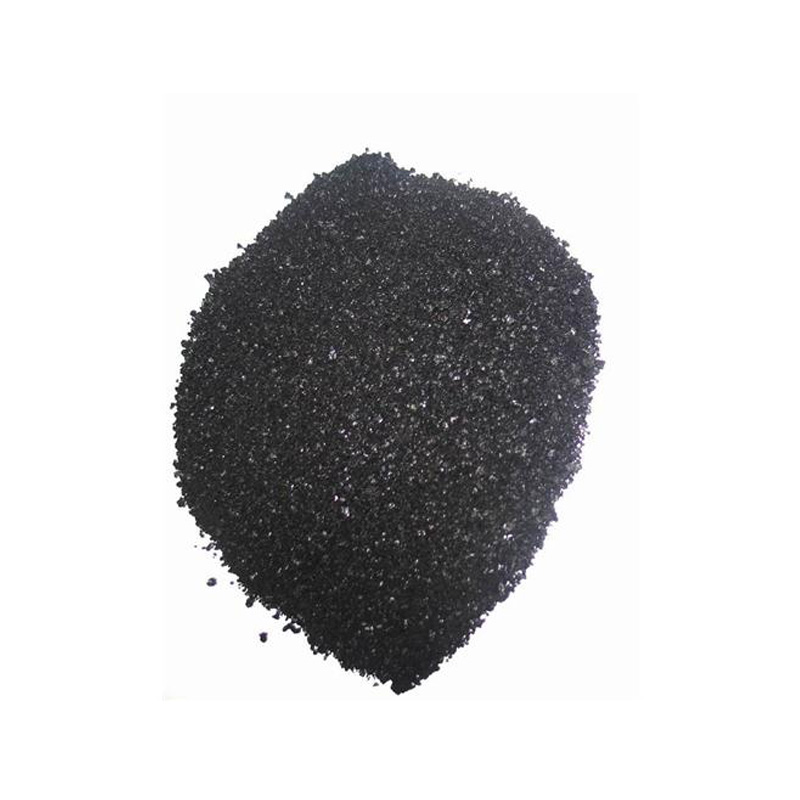
Sulphur Black
1.Name: sulphur black; Sulfur Black; Sulphur Black 1;
2.Structure formula:
3.Molecule formula: C6H4N2O5
4.CAS No.: 1326-82-5
5.HS code: 32041911
6.Product specification:Appearance:black phosphorus flakes; black liquid
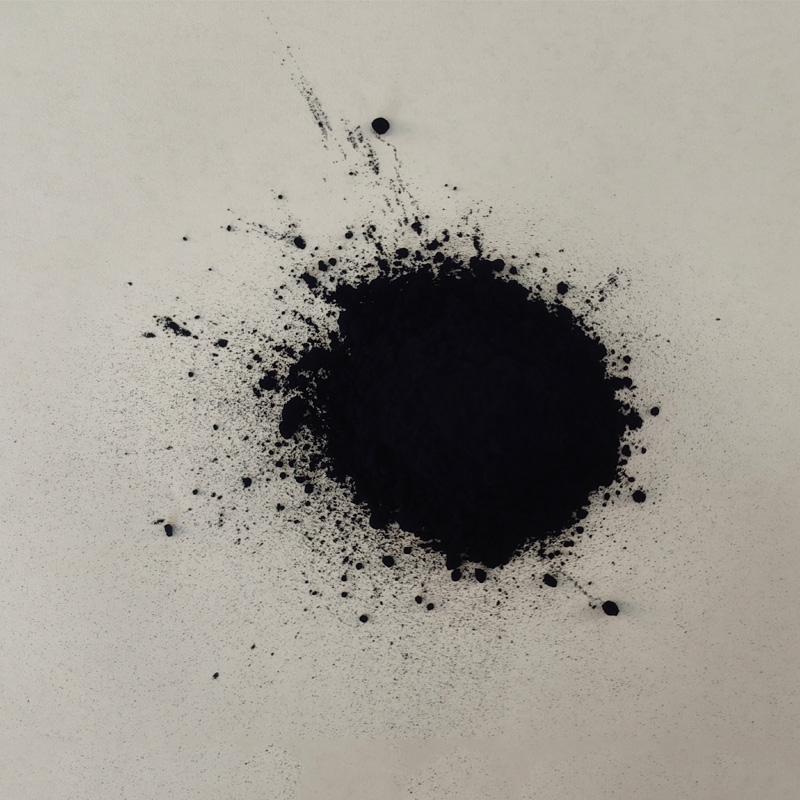
Bromo Indigo; Vat Bromo-Indigo; C.I.Vat Blue 5
1.Name: Bromo indigo; Vat bromo-indigo; C.I.Vat blue 5;
2.Structure formula:
3.Molecule formula: C16H6Br4N2O2
4.CAS No.: 2475-31-2
5.HS code: 3204151000 6.Major usage and instruction: Be mainly used to dye cotton fabrics.
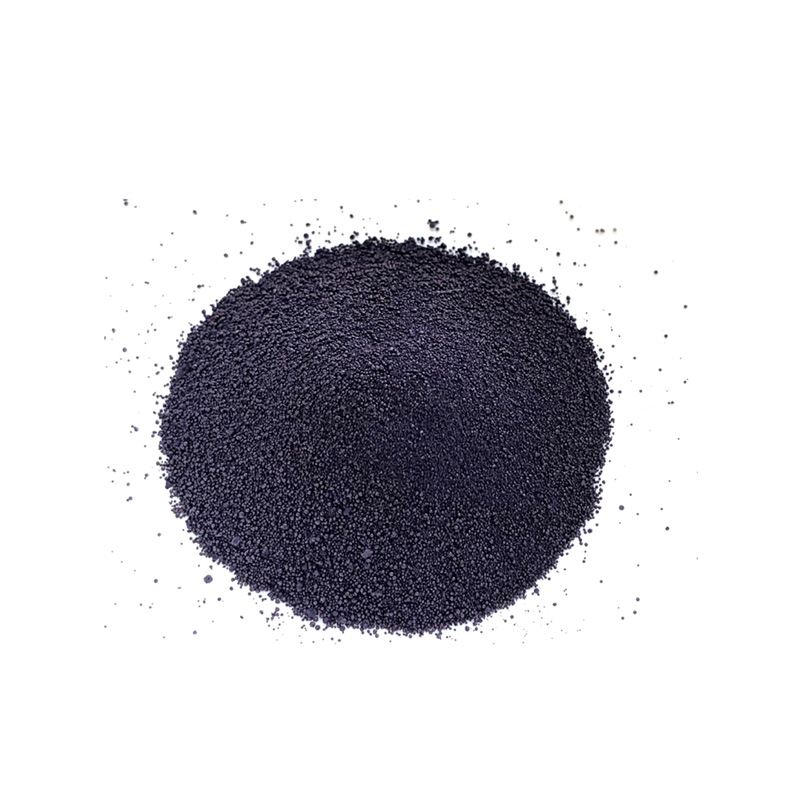
Indigo Blue Vat Blue
1.Name: indigo blue,vat blue 1,
2.Structure formula:
3.Molecule formula: C16H10N2O2
4.. CAS No.: 482-89-3
5.Molecule weight: 262.62
6.HS code: 3204151000
7.Major usage and instruction: Be mainly used to dye cotton fabrics.