

High Quality Raw Indigo Dye – Sustainable, Durable & Eco-Friendly Natural Colorant
Understanding High Quality Raw Indigo Dye: Its Global Impact and Benefits
Indigo dye, with its iconic deep blue hue, is more than just a fabric colorant — it's a story of centuries-old tradition meeting modern industry needs. When we talk about high quality raw indigo dye, we're referencing a premium grade of this natural pigment that holds massive relevance globally. Why does it matter? Because from fashion houses to artisanal craftspeople, and from eco-conscious manufacturers to communities relying on sustainable livelihoods, this dye plays a crucial role.
In a world increasingly focused on sustainability, understanding what makes indigo dye "high quality" unlocks benefits that span economic growth, environmental responsibility, and cultural preservation.
The Global Context of High Quality Raw Indigo Dye
Did you know that the global indigo dye market is valued at hundreds of millions and still growing steadily? According to industry reports and data from organizations like the ISO, demand has surged not only because of fashion trends but also due to a growing push for natural dyes that lessen environmental harm. The World Bank's recent environmental reports highlight that synthetic dyes are a major pollutant in textile production — so natural sources like raw indigo are getting a second wind.
However, scaling raw indigo for large industries while maintaining quality has always been a challenge; inconsistent dye strength and purity can impact the final product. That’s where high quality raw indigo dye steps in to meet this complex need — balancing tradition and industrial standards.
What Exactly Is High Quality Raw Indigo Dye?
Let’s simplify: raw indigo dye is essentially the natural pigment extracted from plants like Indigofera tinctoria. But when we say “high quality,” we mean raw indigo that has undergone careful processing to ensure:
- Purity — minimal impurities that might weaken colorfastness
- Consistency — uniform particle size and pigment concentration
- Eco-friendly processing — avoiding harsh chemicals in extraction
In practical terms, this dye offers vibrant color that lasts, whether printed on cotton, silk, or other textiles. This is vital not just commercially, but also for artisans preserving cultural fabric dyeing traditions in regions like India, Nigeria, or Japan.
Mini Takeaway:
High quality raw indigo dye bridges age-old natural craftsmanship with modern production demands, offering both purity and sustainability.
Key Factors That Define the Excellence of Indigo Dye
1. Colorfastness and Durability
A superior indigo dye maintains its hue even after multiple washes and prolonged UV exposure. This durability is often the first benchmark for quality, since low-grade indigo fades quickly, diminishing the fabric’s value.
2. Purity and Chemical Composition
The dye must be free from residual contaminants that can compromise fabric texture or cause skin irritation. High quality raw indigo typically contains over 90% indigotin — the blue pigment — and minimal unwanted byproducts.
3. Sustainable, Eco-Friendly Sourcing
Raw indigo that is harvested and processed with minimal harmful chemicals supports sustainable agriculture and reduces wastewater pollution compared to synthetic dyes.
4. Scalability and Batch Consistency
For industrial use, manufacturers require consistent quality across batches to ensure smooth production without surprises. High quality indigo dye suppliers invest in controlled extraction processes to unify pigment strength.
5. Cost Efficiency Compared to Synthetic Alternatives
Though natural indigo is often pricier upfront, its long-term benefits (less re-processing, fewer defects) can lower overall costs.
| Attribute | Typical Values | Importance |
|---|---|---|
| Indigotin Content | > 90% | Ensures deep, vibrant blue color |
| Moisture Content | Prevents clumping; prolongs shelf life | |
| Particle Size | 20-50 µm | Optimizes solubility and dye uptake |
| Impurities | Reduces fabric damage and allergenic risk | |
| pH Range | 6.0 - 8.0 | Stable for various textile applications |
Where and How High Quality Raw Indigo Dye Makes a Difference Globally
From Asia to Africa, indigo dye is woven into the cultural fabric of many communities, but its reach goes beyond tradition. The modern textile industry in countries like India, Bangladesh, and Indonesia heavily depends on reliable indigo supplies. Meanwhile, eco-fashion brands across Europe and the U.S. specifically seek out high quality raw indigo dye to ensure their green credentials.
In remote villages, indigo cultivation provides sustainable income for farmers, offering alternatives to industrial agriculture. I recently read a case where post-disaster relief programs in West Africa included natural dye cultivation to revitalize local communities — blending humanitarian efforts with economic development.
Mini Takeaway:
High quality raw indigo dye is not just a commodity—it’s a global connector between cultural heritage, sustainability, and modern economy.
The Advantages and Long-Term Value of Using High Quality Indigo
- Eco-sustainability: less chemical waste than synthetic dyes.
- Cost savings: less fabric waste due to better dye consistency.
- Social impact: supports agricultural communities with fair trade practices.
- Longevity: clothes dyed with premium indigo tend to last longer, retaining color and quality.
- Emotional satisfaction: consumers feel better buying from eco-conscious, traditional sources.
Looking Ahead: Innovations and Future Trends in Indigo Dye Production
It’s worth noting how the industry is evolving. Biotechnological advances have enabled the microbial synthesis of indigo dye—imagine brewing dye in vats like craft beer—with significantly lowered environmental footprints. Automation and digital quality controls ensure batch-to-batch uniformity.
Also, there’s increasing regulation around textile pollution, so brands sourcing high quality raw indigo dye are ahead of compliance curves. The rise of circular economy initiatives is pushing for dyes compatible with recycling and lower energy production methods.
Current Challenges and Smart Solutions in Sourcing High Quality Indigo Dye
The main hurdles usually come down to cost and supply consistency. Raw indigo extraction can be labor-intensive, and some suppliers cut corners, risking lower pigment quality. Yet several experts suggest partnering directly with growers and investing in training for sustainable harvesting can overcome these problems.
Furthermore, on-site testing tools and certification programs have become important to validate quality quickly, which benefits manufacturers aiming to meet tight production deadlines.
| Supplier | Purity (%) | Eco Certification | Average Lead Time | Typical Order Size (kg) |
|---|---|---|---|---|
| Wuxin Group | 92% | GOTS, OEKO-TEX | 3 weeks | 500+ |
| Indigo Naturals Co. | 88% | FairTrade | 4 weeks | 300+ |
| EcoDye Partners | 90% | GOTS | 2.5 weeks | 400+ |
FAQ: Common Questions About High Quality Raw Indigo Dye
Q1: How does high quality raw indigo dye differ from synthetic indigo?
A: While synthetic indigo is chemically manufactured to be cost-effective and consistent, raw indigo is derived naturally from plants. High quality raw indigo ensures purity and eco-friendly sourcing, which tends to be better for the environment and preferred by brands focusing on sustainability and artisan craftsmanship.
Q2: Can high quality raw indigo dye be used on all types of textile fibers?
A: It works best on natural fibers such as cotton, wool, and silk due to their affinity for the pigment. For synthetic fibers, special mordants or chemical treatments are often required to achieve optimal color quality and durability.
Q3: What are the typical lead times when ordering high quality raw indigo dye?
A: Lead times vary by supplier, but typically range between 2.5 to 4 weeks. Factors like certification processes, harvest season, and shipment logistics can impact delivery schedules.
Q4: Is high quality raw indigo dye suitable for eco-friendly fashion products?
A: Absolutely. Due to its natural origin and sustainable processing options, it’s a top choice for eco-conscious brands aiming to minimize their environmental footprint.
In Conclusion: Why Investing in High Quality Raw Indigo Dye Makes Sense
Choosing high quality raw indigo dye is about more than just color — it’s an investment in sustainability, cultural heritage, and product longevity. As industries move towards greener practices, relying on trusted suppliers and modern processing ensures you get consistency without sacrificing eco-values.
For businesses and artisans looking for premium indigo dye that checks all these boxes, consider starting your journey with high quality raw indigo dye. It’s a blend of old-world craftsmanship and modern reliability that frankly feels like a smart, future-proof choice.
References & Further Reading
-
Mastering the Art of China Japanese Indigo Dyeing Traditions
NewsApr.16,2026
-
Exploring the Elegance of China Deep Indigo Color in Textiles
NewsApr.09,2026
-
Discover High Quality China Jeans Blue Indigo for Global Markets
NewsApr.07,2026
-
Exploring the Rich Tradition of China Natural Indigo Dyed Fabric
NewsApr.04,2026
-
Exploring China Indigo Color in Nature History and Modern Applications
NewsMar.31,2026
-
Discover High Quality China Pure Indigo Powder for Vibrant Natural Dyeing
NewsMar.28,2026
-
Exploring the Rich History of China True Blue Indigo Textiles
NewsMar.26,2026
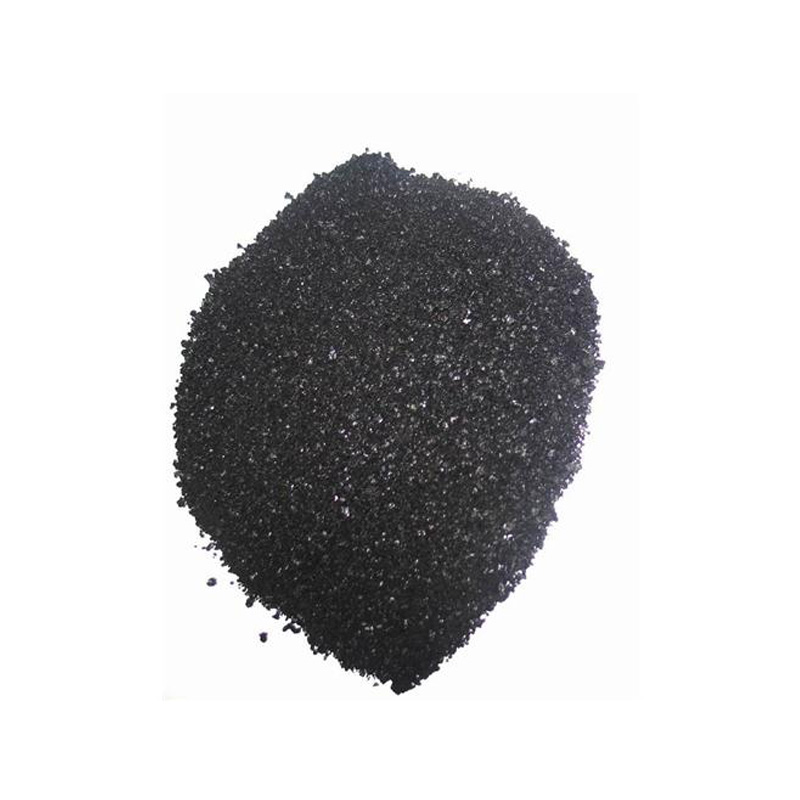
Sulphur Black
1.Name: sulphur black; Sulfur Black; Sulphur Black 1;
2.Structure formula:
3.Molecule formula: C6H4N2O5
4.CAS No.: 1326-82-5
5.HS code: 32041911
6.Product specification:Appearance:black phosphorus flakes; black liquid
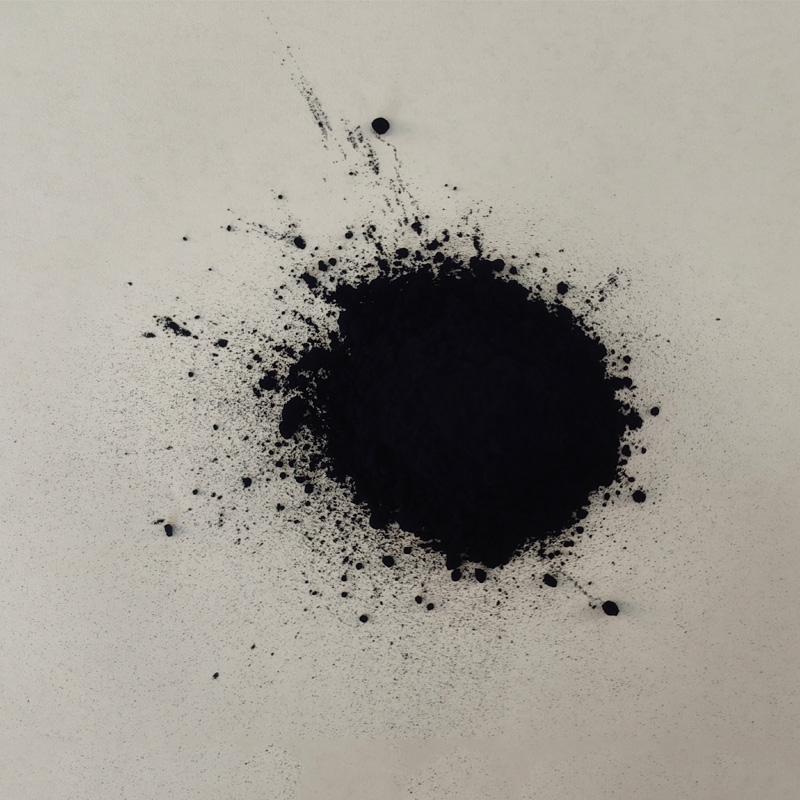
Bromo Indigo; Vat Bromo-Indigo; C.I.Vat Blue 5
1.Name: Bromo indigo; Vat bromo-indigo; C.I.Vat blue 5;
2.Structure formula:
3.Molecule formula: C16H6Br4N2O2
4.CAS No.: 2475-31-2
5.HS code: 3204151000 6.Major usage and instruction: Be mainly used to dye cotton fabrics.
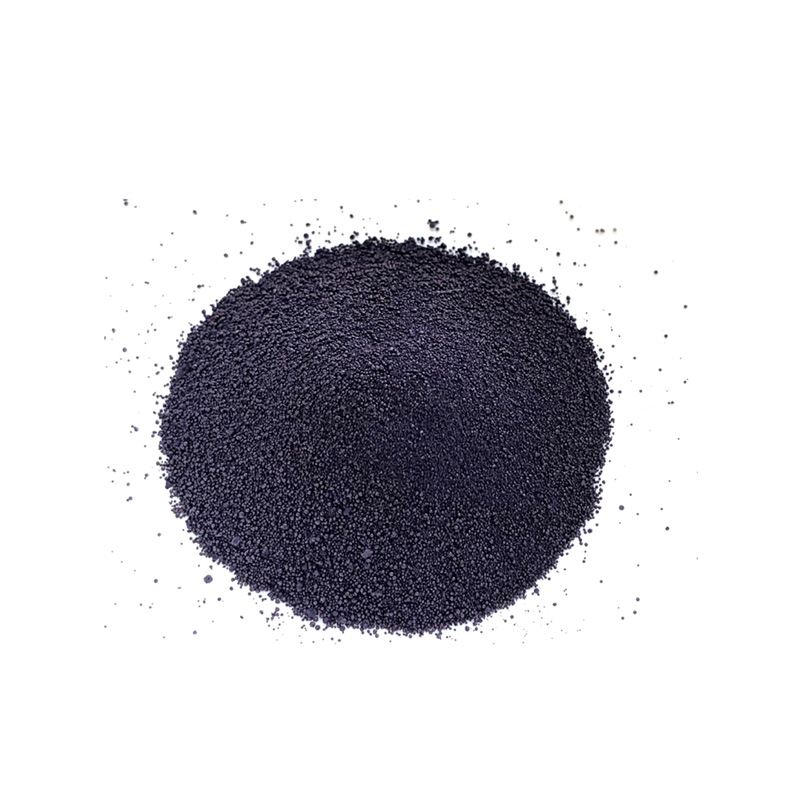
Indigo Blue Vat Blue
1.Name: indigo blue,vat blue 1,
2.Structure formula:
3.Molecule formula: C16H10N2O2
4.. CAS No.: 482-89-3
5.Molecule weight: 262.62
6.HS code: 3204151000
7.Major usage and instruction: Be mainly used to dye cotton fabrics.