

ODM Blue Natural Dye: Durable, Eco-Friendly Industrial Solution
An Insider’s Look at ODM Blue Natural Dye
Having spent more than a decade in the industrial equipment sector, I’ve grown to appreciate the subtle complexities behind what many might dismiss as “just a color.” But when it comes to ODM blue natural dye, it’s actually a pretty fascinating mix of tradition, chemistry, and industrial precision. Oddly enough, this dye isn’t only about aesthetics; it carries a legacy of sustainable manufacturing that’s been gaining traction in recent years.
In real terms, the ODM blue natural dye is a product of meticulous R&D and natural raw materials, primarily extracted from plant-based sources. I remember the first time I encountered it on our production line—it felt like watching artistry meet science. It’s not just a pigment; it’s a promise of consistency and environmental respect.
Many engineers I’ve worked with say the key advantage is its robust stability under industrial conditions—resistance to fading, compatibility with various fabric substrates, and excellent color fastness. Frankly, these specs mean less reprocessing, fewer rejects, and happier clients down the chain. From durable workwear to specialized industrial fabrics, the dye plays a pivotal role.
| Specification | Details |
|---|---|
| Color Shade | Deep Indigo Blue |
| Source | Plant-based (Indigofera tinctoria) |
| pH Range | 6.5 – 8.0 (Neutral to slightly alkaline) |
| Application Method | Dip-dyeing, continuous dyeing machines |
| Color Fastness | Grade 4–5 (washing & light) |
| Customizable Concentration | Yes, tailored per client specs |
What I find sort of intriguing is how ODM manufacturers have managed to balance between maintaining the natural integrity of the dye and the high-volume demands of modern production. Not every blue dye can say that. This is one reason why the ODM blue natural dye finds favored use among companies pushing for greener textile lines.
To give you a bit of context, here’s a quick comparison of some well-known dye vendors I’ve liaised with. You'll notice there’s no one-size-fits-all—each has a slightly different edge depending on what you prioritize.
| Vendor | Quality Consistency | Sustainability | Price Competitiveness | Customization Options |
|---|---|---|---|---|
| Wuxin Group | Excellent – strict QA controls | High – plant-based sourcing | Moderate | Extensive – tailored formulas |
| NaturalHue Inc. | Good | Moderate | Competitive | Limited |
| EcoDye Solutions | Fair | High – certified organic | Premium | Moderate |
One story that stuck with me was a textile manufacturer shifting to ODM blue natural dye after years of synthetic blues. The transition was surprisingly smooth—the natural dye brought out richer tones that their end customers genuinely appreciated. Plus, the eco-friendly aspect boosted their brand image locally. It’s these anecdotal wins that remind me why I keep rooting for natural dyes in industrial settings.
You might ask, is it worth it? Frankly, for many manufacturers balancing cost, environmental impact, and color quality, ODM blue natural dye is a solid choice. If you want to dig deeper into sourcing or customization, I’d recommend checking out Wuxin Group —their expertise in this niche is well-known among industry pros.
To sum up: Natural doesn’t mean “soft” in industrial dyeing. This particular ODM blue hits all the marks for durability, vibrancy, and sustainability. And, oddly enough, it feels good to know the color that dresses blue-collar workers is also a small step toward greener manufacturing.
Cheers to colors that last, and stories that go beyond the surface.
References:
- Industry Textile Journal, “Natural Dyes in Modern Manufacturing,” 2022.
- Wuxin Group official product literature, 2023.
- Environmental Impact Reports on Indigo Dyeing, Textile Sustainability Review, 2021.
-
Mastering the Art of China Japanese Indigo Dyeing Traditions
NewsApr.16,2026
-
Exploring the Elegance of China Deep Indigo Color in Textiles
NewsApr.09,2026
-
Discover High Quality China Jeans Blue Indigo for Global Markets
NewsApr.07,2026
-
Exploring the Rich Tradition of China Natural Indigo Dyed Fabric
NewsApr.04,2026
-
Exploring China Indigo Color in Nature History and Modern Applications
NewsMar.31,2026
-
Discover High Quality China Pure Indigo Powder for Vibrant Natural Dyeing
NewsMar.28,2026
-
Exploring the Rich History of China True Blue Indigo Textiles
NewsMar.26,2026
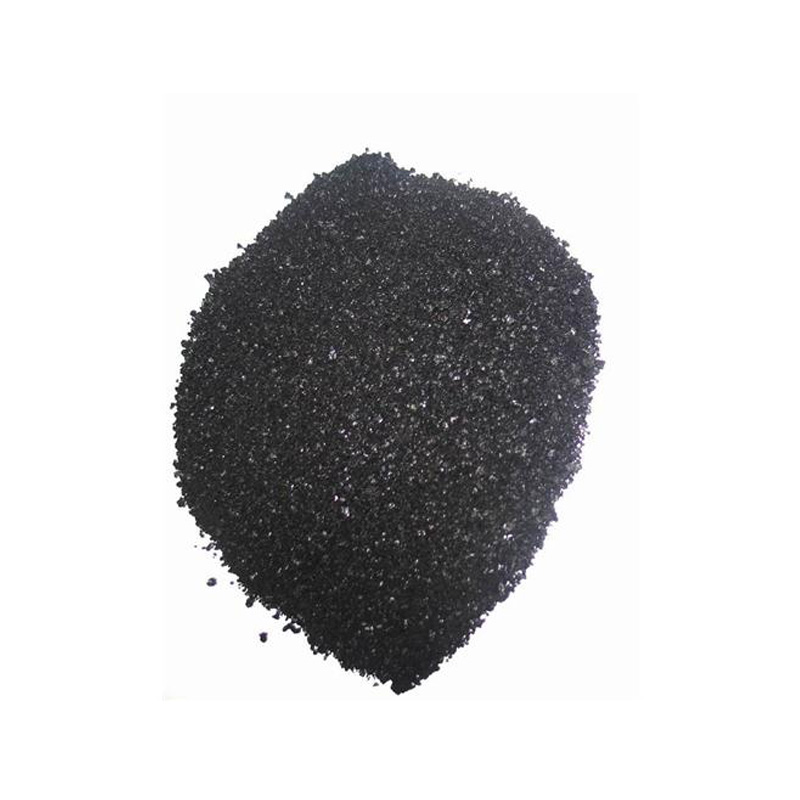
Sulphur Black
1.Name: sulphur black; Sulfur Black; Sulphur Black 1;
2.Structure formula:
3.Molecule formula: C6H4N2O5
4.CAS No.: 1326-82-5
5.HS code: 32041911
6.Product specification:Appearance:black phosphorus flakes; black liquid
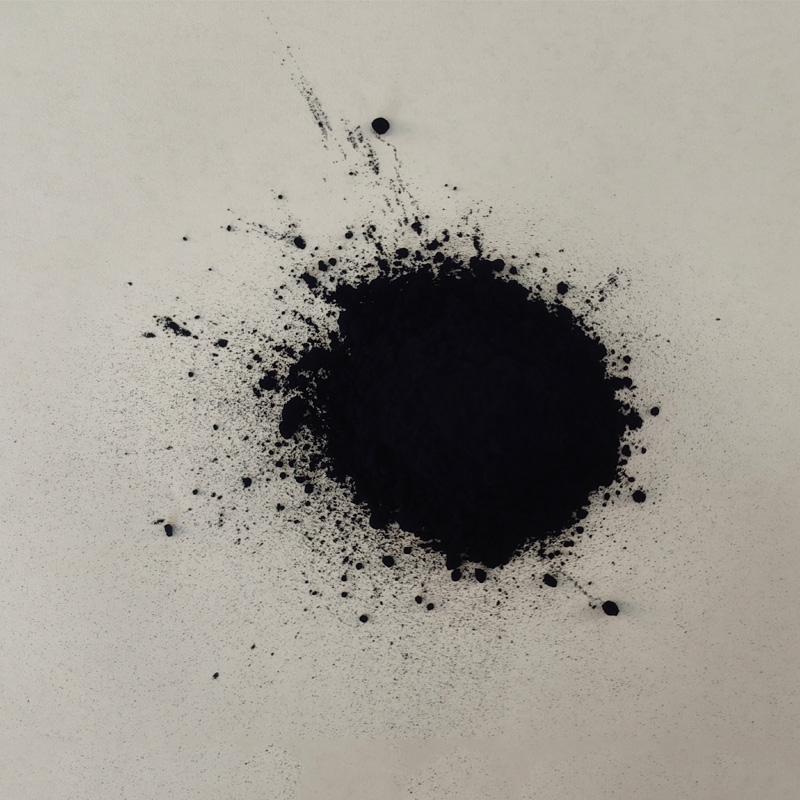
Bromo Indigo; Vat Bromo-Indigo; C.I.Vat Blue 5
1.Name: Bromo indigo; Vat bromo-indigo; C.I.Vat blue 5;
2.Structure formula:
3.Molecule formula: C16H6Br4N2O2
4.CAS No.: 2475-31-2
5.HS code: 3204151000 6.Major usage and instruction: Be mainly used to dye cotton fabrics.
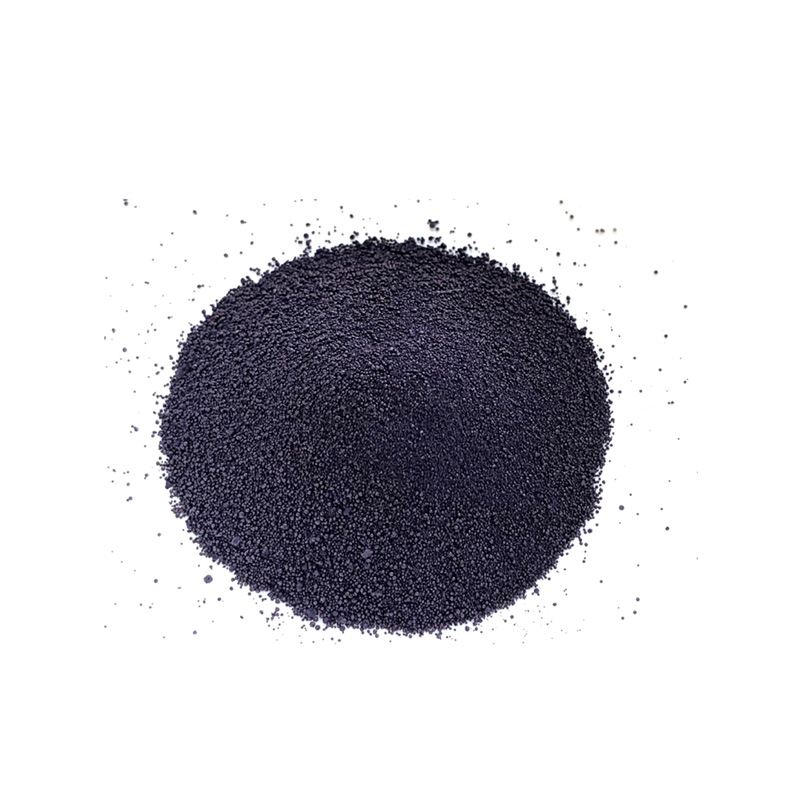
Indigo Blue Vat Blue
1.Name: indigo blue,vat blue 1,
2.Structure formula:
3.Molecule formula: C16H10N2O2
4.. CAS No.: 482-89-3
5.Molecule weight: 262.62
6.HS code: 3204151000
7.Major usage and instruction: Be mainly used to dye cotton fabrics.