

Why Sulfur Dyed Denim Is a Game-Changer for Durable, Sustainable Denim
Understanding Sulfur Dyed Denim: A Closer Look at Its Global Relevance
Sulfur dyed denim might sound like just another fabric trend, but it’s far more significant when you start peeling back the layers. Worldwide, denim sits at the crossroads of fashion, sustainability, and industrial innovation. Sulfur dyes — the chemical backbone behind many popular blacks, browns, and olive greens in denim — have quietly become essential in producing durable, cost-effective fabrics. Why should we care? Because sulfur dyed denim blends solid manufacturing efficiency with a surprisingly eco-friendly angle, which hits home as the global apparel industry keeps grappling with environmental and economic pressures. Frankly, understanding sulfur dyed denim isn’t just for textile geeks; it matters for anyone interested in smarter, scalable fashion production. ---A Snapshot: The Global Landscape for Sulfur Dyed Denim
Denim production is a multi-billion dollar industry that touches every continent. According to the International Textile Manufacturers Federation and UN trade data, the global denim market is expected to grow steadily over the next decade. However, challenges abound: water use, toxic waste, and fast fashion’s environmental toll. This is where sulfur dyed denim gains relevance. It offers a cheaper, less resource-intensive option compared with traditional indigo dyes. In regions such as Southeast Asia, South America, and parts of Eastern Europe, sulfur dyes help factories meet strict international regulations without sacrificing durability or aesthetics. The World Bank has noted that sustainable textile manufacturing not only cuts cost but preserves livelihoods — and sulfur dyed denim is part of that story. Despite lower upfront costs, sulfur dyeing delivers a fabric that is remarkably resilient, making it ideal for global supply chains needing budget-friendly, long-lasting denim. ---What Exactly Is Sulfur Dyed Denim?
Simply put, sulfur dyed denim is denim fabric colored using sulfur dyes, a class of water-insoluble dyes known for their deep blacks and rich earthy tones. Unlike indigo, which offers that iconic blue hue, sulfur dyes provide a broader palette mostly falling in the darker spectrum. The process involves a reduction and oxidation step allowing the dye to penetrate cotton fibers effectively. This method creates a durable color fastness—meaning the color holds without fading quickly. Sulfur dyes have been industrial staples since the 19th century but recently gained renewed interest as the fashion industry pursues more sustainable, less chemical-heavy practices. Interestingly, sulfur dyeing ties not just to fashion but humanitarian manufacturing, too. Durable sulfur dyed denim garments are favored in uniforms, workwear, and even relief textiles—areas where ruggedness and cost matter significantly. ---Key Attributes of Sulfur Dyed Denim
Durability
Sulfur dyed denim offers impressive resistance to abrasion and fading. Manufacturers note it withstands the rigors of regular wear better than many alternatives, which makes it a favorite for workwear and outdoor apparel.Color Diversity
While not as bright as indigo, sulfur dyes cover blacks, browns, olive greens, and even blues in some cases. This palette diversification allows brands to innovate without straying into expensive dye processes.Cost-Effectiveness
Sulfur dyes are generally cheaper and more scalable in large production runs, thanks to their simpler chemistry and less reliance on costly raw materials.Environmental Footprint
Although not perfect, sulfur dyes use less water and fewer harmful chemicals than some traditional dyeing methods. Combined with modern wastewater treatment systems, they have become a relatively green option.Scalability
From massive factories in Vietnam to small textile workshops in Europe, sulfur dyeing adapts well to different manufacturing scales, which explains its global adoption. ---Where Is Sulfur Dyed Denim Making a Real Impact?
Globally, sulfur dyed denim appears in everyday clothing, but also in niche markets demanding durability without big cost overhead. In Southeast Asia and Latin America, numerous garment manufacturers rely on sulfur dyes to outfit factory workers, military personnel, or outdoor laborers. In post-disaster relief, sulfur dyed denim fabric is often used for sturdy tarps, tents, and clothing — valued for its resistance to wear and tear. Remote mining zones in Africa also favor sulfur dyed clothing due to its affordability and ruggedness. sulfur dyed denim production is especially significant in places balancing sustainability mandates with cost pressures. Brands seeking “affordable durability” often turn here for solutions that traditional indigo just can’t match at scale. ---Product Specification Table: Typical Sulfur Dyed Denim Fabric
| Specification | Details |
|---|---|
| Fiber Content | 100% Cotton |
| Weight | 10-14 oz/sq yd |
| Dye Class | Sulfur Dye |
| Color Range | Black, Brown, Olive, Blue (limited) |
| Fastness | Good to Excellent (Wash & Light) |
| Water Usage | Lower than Indigo Dyeing |
Why Choose Sulfur Dyed Denim? The Long Game Benefits
In real terms, sulfur dyed denim offers a compelling package: - Cost Savings: Lower raw material and process expenses translate to cheaper end products. - Longevity: Consumers and manufacturers appreciate denim that maintains color without frequent replacement. - Eco-Conscious: Reduced water and chemical use help brands meet sustainability goals. - Versatility: Suits a broad spectrum of applications — from fashion to functional workwear. - Social Impact: Improving durability supports workers who rely on hardwearing clothing, lending dignity and safety to daily labor. It’s easy to overlook dyes, but their role in the supply chain’s resilience can't be overstated. ---Vendor Comparison: Sulfur Dyed Denim Suppliers
| Supplier | Region | Price Range (per yard) | Sustainability Certification | Minimum Order |
|---|---|---|---|---|
| Wuxin Group | China | $8-$12 | OEKO-TEX, GRS | 1000 yards |
| DenimCo | Turkey | $9-$15 | Bluesign | 500 yards |
| TexPro | Vietnam | $7-$11 | ISO 14001 | 800 yards |
Looking Ahead: Trends and Innovations in Sulfur Dyed Denim
As sustainability pushes the fashion industry forward, sulfur dyed denim isn’t stuck in the past. Innovations include: - Bio-based Sulfur Dyes: Research into non-toxic, biodegradable dye variants aims to reduce pollution even more. - Waterless Dyeing Machines: Companies are piloting closed-loop systems that recycle dye baths — cutting water use drastically. - Digital Color Matching: AI and digital tech improve consistency and help reduce waste. - Combination Fabrics: Blends with recycled polyester or lyocell fibers paired with sulfur dyeing promise durability with lower carbon footprint. It feels like in just a few years, sulfur dyed denim could be the poster child for affordable sustainable fashion, without the usual compromises. ---The Challenges: What Holds Sulfur Dyed Denim Back?
No magic bullet here. Common issues include: - Limited Color Range: You won’t see neon or pastels with sulfur dyes. - Odor Concerns: Some sulfur dyes emit a mild sulfur smell after production which requires careful finishing. - Waste Treatment Complexity: While better than indigo, proper wastewater management is still vital to avoid pollution. Experts suggest ongoing investment into closed-loop chemical recycling and development of odor-neutralizing post-treatments as next steps. Plus, educating manufacturers and designers about sulfur dye advantages helps break stigma. ---FAQ: Common Questions About Sulfur Dyed Denim
- Q: Is sulfur dyed denim durable enough for everyday use?
A: Absolutely. Many workwear brands use sulfur dyed denim because it resists fading and abrasion better than some natural indigo denim in high-friction environments. - Q: Are sulfur dyes environmentally friendly?
A: They are comparatively eco-friendlier than many traditional dyes due to lower water and chemical use. However, responsible wastewater treatment remains essential. - Q: Can sulfur dyed denim be dyed in different colors?
A: While generally limited to blacks, browns, and olives, ongoing research aims to expand the palette. - Q: Is sulfur dyed denim more affordable than indigo dyed fabric?
A: Yes, sulfur dyes are generally less expensive and faster to process, supporting cost-efficient large-scale production. - Q: How can I source sulfur dyed denim for my brand?
A: Contacting specialized manufacturers like Wuxin Group or certified suppliers in Asia and Turkey is a good start.
Final Thoughts: Why Sulfur Dyed Denim Matters
Sulfur dyed denim quietly solves a unique challenge: bridging affordability, durability, and a step toward sustainability. Though not without quirks, it’s a fabric technology that delivers long-term value for manufacturers, global brands, and consumers alike. It’s no surprise to me that it’s gaining momentum wherever cost and eco-sensitivity intersect. For anyone serious about responsible denim production, sulfur dyed denim is worth a closer look. If you want to explore reliable sulfur dyed denim fabrics first-hand, definitely check out our trusted vendors. The future of denim might just be a little darker, a lot tougher, and greener than you expect. ---References:
1. Wikipedia: Dyeing
2. UNCTAD: Textiles and Clothing
3. ISO 14001 Environmental Management
-
Mastering the Art of China Japanese Indigo Dyeing Traditions
NewsApr.16,2026
-
Exploring the Elegance of China Deep Indigo Color in Textiles
NewsApr.09,2026
-
Discover High Quality China Jeans Blue Indigo for Global Markets
NewsApr.07,2026
-
Exploring the Rich Tradition of China Natural Indigo Dyed Fabric
NewsApr.04,2026
-
Exploring China Indigo Color in Nature History and Modern Applications
NewsMar.31,2026
-
Discover High Quality China Pure Indigo Powder for Vibrant Natural Dyeing
NewsMar.28,2026
-
Exploring the Rich History of China True Blue Indigo Textiles
NewsMar.26,2026
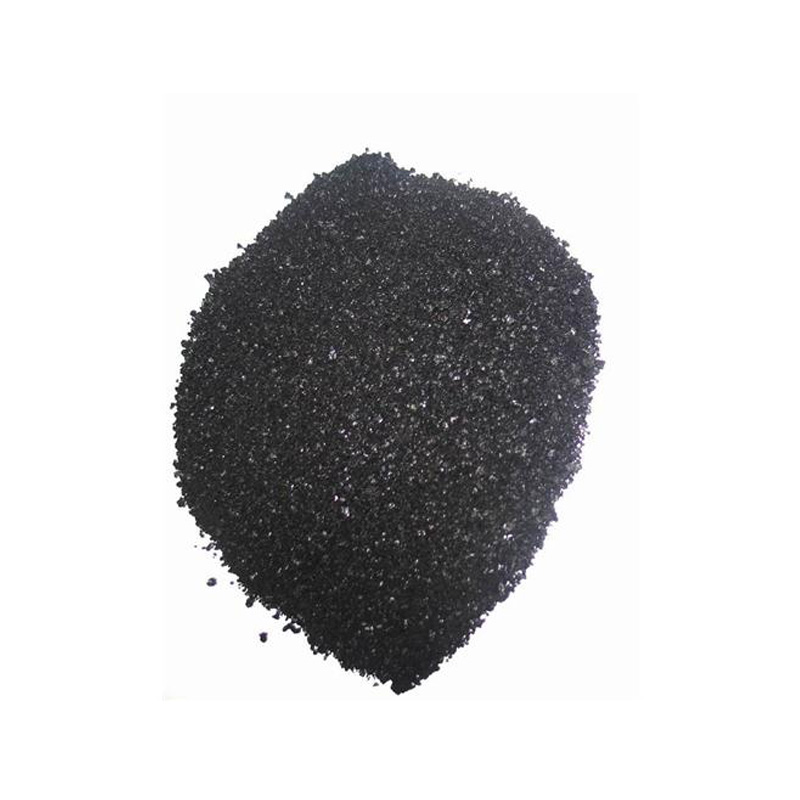
Sulphur Black
1.Name: sulphur black; Sulfur Black; Sulphur Black 1;
2.Structure formula:
3.Molecule formula: C6H4N2O5
4.CAS No.: 1326-82-5
5.HS code: 32041911
6.Product specification:Appearance:black phosphorus flakes; black liquid
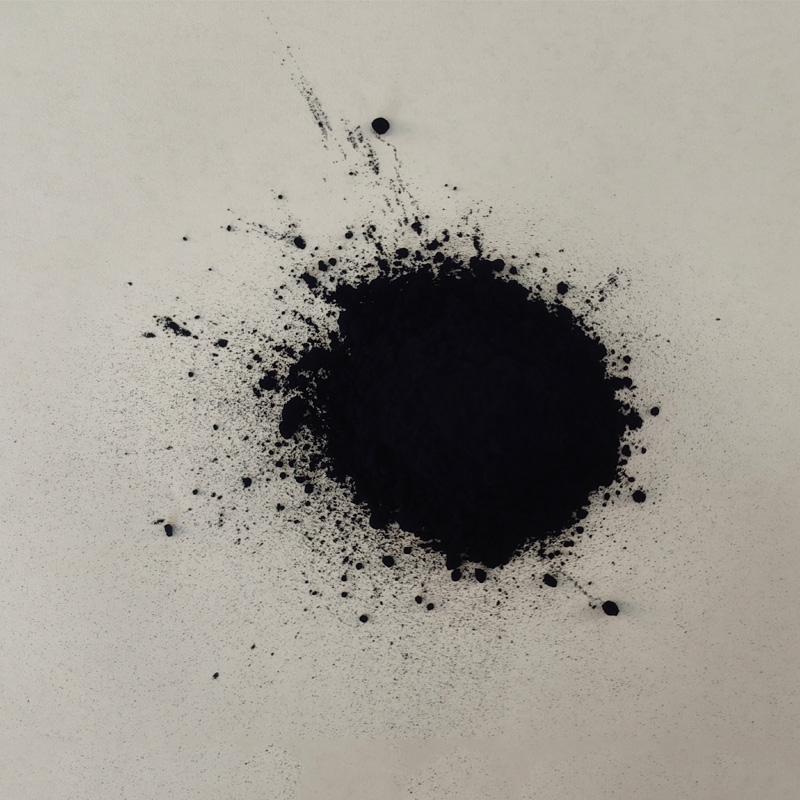
Bromo Indigo; Vat Bromo-Indigo; C.I.Vat Blue 5
1.Name: Bromo indigo; Vat bromo-indigo; C.I.Vat blue 5;
2.Structure formula:
3.Molecule formula: C16H6Br4N2O2
4.CAS No.: 2475-31-2
5.HS code: 3204151000 6.Major usage and instruction: Be mainly used to dye cotton fabrics.
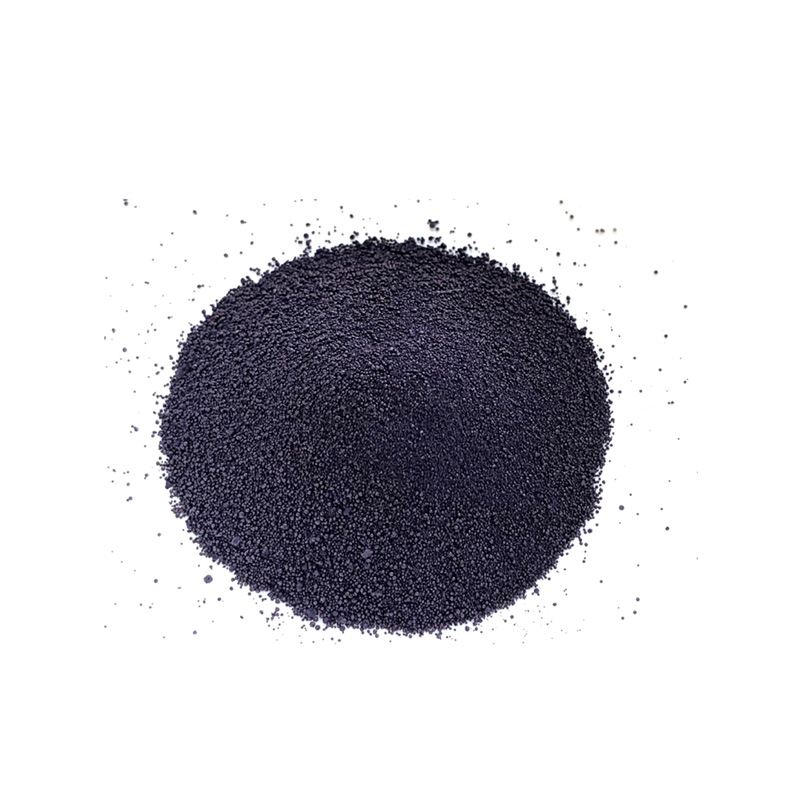
Indigo Blue Vat Blue
1.Name: indigo blue,vat blue 1,
2.Structure formula:
3.Molecule formula: C16H10N2O2
4.. CAS No.: 482-89-3
5.Molecule weight: 262.62
6.HS code: 3204151000
7.Major usage and instruction: Be mainly used to dye cotton fabrics.