

Leading Sulphur Black Manufacturer – Quality, Sustainability & Innovation
The Quiet Power of a Sulphur Black Manufacturer: Why It Matters Globally
Ever wondered how certain dyes shape entire industries yet remain largely invisible to the average consumer? Sulphur black, for one, quietly powers the textile world with affordability and versatility, and sulphur black manufacturers are the unsung heroes here. Understanding this niche can feel a bit technical, sure, but the global implications stretch far beyond the dye vats.
From large-scale fabric production in Asia to sustainable textile practices in Europe, sulphur black's relevance is profound. Knowing the what, why, and how cultivates smarter sourcing decisions and even hints at opportunities for innovation in this dye’s use. Plus, if you care about the environmental footprint of everyday clothing, getting acquainted with sulphur black manufacturing is a solid start.
Global Context: The Role of Sulphur Black Manufacturers in Industry and Economy
The global textile industry is a behemoth, contributing more than $1 trillion annually worldwide (World Bank, 2023). Within this vast ecosystem, sulphur black has carved a niche due to its cost-effectiveness and intense coloring properties. Industrial reports estimate that sulphur dyes, particularly black variants, make up 20–25% of all textile dye usage globally – yes, roughly a quarter of all coloured fabrics!
However, challenges like water pollution, chemical waste, and inconsistent dye quality pose persistent problems. This is where the expertise of a professional sulphur black manufacturer comes in — they must balance product quality with environmental responsibility. The industry is hungry for innovation that reduces ecological impact without hiking prices.
What Exactly Is a Sulphur Black Manufacturer?
At its core, a sulphur black manufacturer is a specialized chemical producer focused on creating sulphur-based black dyes used primarily in textile coloring processes. These dyes aren’t your usual pigments; they excel in coloring cotton and other cellulosic fabrics with vivid, long-lasting blacks at relatively low cost.
Their role goes beyond just pumping out dyes. These manufacturers control the molecular composition to ensure better durability, color fastness, and adherence to environmental regulations. Right now, their production methods often interface directly with humanitarian concerns — imagine durable, affordable clothing for regions in economic transition or disaster relief.
Core Components of Sulphur Black Manufacturing
1. Durability
Sulphur black dyes provide superior wash and light fastness; in practical terms, garments keep their deep black coloration longer, resisting fading after multiple washes. This durability is why many manufacturers — across emerging and developed markets alike — prefer sulphur black for volume production.
2. Cost Efficiency
Compared to reactive or vat dyes, sulphur blacks are remarkably inexpensive. The dyeing process demands less energy and simpler chemistry in many cases, allowing textile makers to keep final product costs competitive. In price-sensitive economies especially, this affordability translates to enormous market advantages.
3. Environmental Impact
While sulphur dyes historically raised concerns due to sulfide wastewater, many manufacturers now deploy cleaner, low-sulfide processes. Innovations in chemical recovery and effluent treatments aim to make sulphur black production more sustainable, aligning with stricter ISO environmental standards.
4. Scalability and Supply Chain Robustness
Since sulphur black dyes are widely used, manufacturers invest in scalable production lines capable of rapid order fulfillment. This scalability is crucial during peak seasons or when industries like fast fashion demand tight delivery timelines — an area where only trusted sulphur black manufacturers thrive.
5. Innovation Potential
New formulations blending sulphur black with eco-friendly binders or even biodegradable carriers suggest the dye's future is still very much open to improvement. Some manufacturers experiment with digital dyeing compatibility and automation integration — signs that even a 'traditional' dye isn’t standing still.
Mini takeaway: Understanding these core factors helps buyers and environmental advocates alike appreciate the balance sulphur black manufacturers must strike between cost, quality, and sustainability.
Where and How Are Sulphur Black Dyes Used Today?
Imagine jeans, school uniforms, workwear, curtains, upholstery fabric, even parts of automotive interiors — many get their deep black color from sulphur black dyes. This widespread use crosses continents; India, China, Bangladesh, and Turkey lead in bulk production and consumption, while European firms often source from these hubs but push for cleaner processing methods.
In humanitarian contexts, sulphur black-dyed fabrics often feature in disaster relief clothing or durable tents, where cost-effectiveness and durability matter immensely. For instance, sulphur black manufacturer suppliers provide fabrics able to withstand harsh environments in refugee camps or emergency shelters.
Advantages and Long-Term Value of Partnering With the Right Sulphur Black Manufacturer
- Cost savings: Affordable raw materials keep end-product prices accessible without compromising volume or quality.
- Environmental responsibility: Newer manufacturers emphasize reducing toxic wastewater, supporting greener operations.
- Reliability: Consistent dye potency helps industries avoid batch mismatches and returns.
- Social impact: Stable supply chains support workers and downstream economies in manufacturing hubs.
Emotionally, knowing your products come from an ethical sulphur black manufacturer can build trust with end-consumers who increasingly demand transparency.
Specification Table: Typical Sulphur Black Dye Properties
| Property | Value | Notes |
|---|---|---|
| Color Intensity | High | Deep, rich black tones |
| Fastness to Washing | 4-5 (Scale 1-5) | Excellent durability |
| Fastness to Light | 3-4 | Good, but varies with fabric |
| Sulfur Content | 40-50% | Impacts environmental footprint |
| Typical Manufacturing Scale | 10–100+ tons/month | Varies by manufacturer |
Vendor Comparison: Leading Sulphur Black Manufacturers
| Manufacturer | Product Range | Sustainability Focus | Pricing (Est.) | Lead Time |
|---|---|---|---|---|
| Wuxin Group | Sulphur Black 150, 200 series | Advanced low-sulfide tech | Mid-range | 2–3 weeks |
| AsiaDyestuffs Ltd. | Sulphur Black 100 series | Basic compliance only | Low-cost | 3–4 weeks |
| EcoBlack Solutions | Eco sulphur blacks + blends | High, uses green chemistry | Premium | 4–5 weeks |
Looking Ahead: Future Trends in Sulphur Black Manufacturing
A few years ago, it felt like sulphur dye innovation was stuck in a rut. Today, there’s a fresh wave of research — notably around sustainability, digital automation, and hybrid products. For example, manufacturers are trialing integration with digital printing technology to reduce waste and improve color precision.
Also, green chemistry principles are prompting shifts to low-sulfide or sulfide-free dyeing processes. Some players explore bio-sourced raw materials, which would reduce reliance on petrochemicals. Automating quality control with AI-powered sensors is something you’ll likely see becoming standard over the next decade.
Challenges in This Sector and How They’re Being Addressed
It's not all smooth sailing. Sulphur black manufacturers face difficulties around stringent environmental regulations, particularly on wastewater management. Additionally, inconsistent raw material supply can lead to quality fluctuations.
Industry experts advocate for stronger collaboration between chemical suppliers and textile mills to maintain quality standards. On the environmental front, waste recycling and closed-loop manufacturing processes show promise in cutting pollution without compromising production capacity.
Frequently Asked Questions About Sulphur Black Manufacturer
- Q: How does sulphur black dye compare to reactive dyes in durability?
- A: Sulphur black offers superior wash fastness and generally holds its color better over time, especially in heavy-use garments like workwear. Reactive dyes might provide brighter colors but often fade faster on cotton.
- Q: Are sulphur black dyes environmentally safe?
- A: Traditional sulphur dyes produce sulfide-rich wastewater that can be harmful, but modern manufacturers adopt cleaner technologies to reduce emissions and meet ISO environmental standards.
- Q: How can textile companies ensure consistent sulphur black quality?
- A: Partnering with reputable sulphur black manufacturers who use strict quality control protocols and reliable raw materials is key to maintaining consistency.
- Q: Can sulphur black dyes be used with synthetic fabrics?
- A: Sulphur dyes primarily target cellulosic fibers like cotton and rayon, and are generally not suitable for synthetics like polyester without special treatment.
Summary & Call to Action
The sulphur black manufacturer isn't just a chemical producer — they’re a pivotal part of a global ecosystem that influences textiles, environment, and economies in developing and advanced markets alike. With the right mix of innovation, responsibility, and efficiency, this industry has potential to uplift sustainable fashion and functional textiles worldwide.
Interested in exploring high-quality, eco-conscious sulphur black products? Visit our website at https://www.wuxin-group.com to learn about sourcing options, technical details, and partnership opportunities.
References:
-
Mastering the Art of China Japanese Indigo Dyeing Traditions
NewsApr.16,2026
-
Exploring the Elegance of China Deep Indigo Color in Textiles
NewsApr.09,2026
-
Discover High Quality China Jeans Blue Indigo for Global Markets
NewsApr.07,2026
-
Exploring the Rich Tradition of China Natural Indigo Dyed Fabric
NewsApr.04,2026
-
Exploring China Indigo Color in Nature History and Modern Applications
NewsMar.31,2026
-
Discover High Quality China Pure Indigo Powder for Vibrant Natural Dyeing
NewsMar.28,2026
-
Exploring the Rich History of China True Blue Indigo Textiles
NewsMar.26,2026
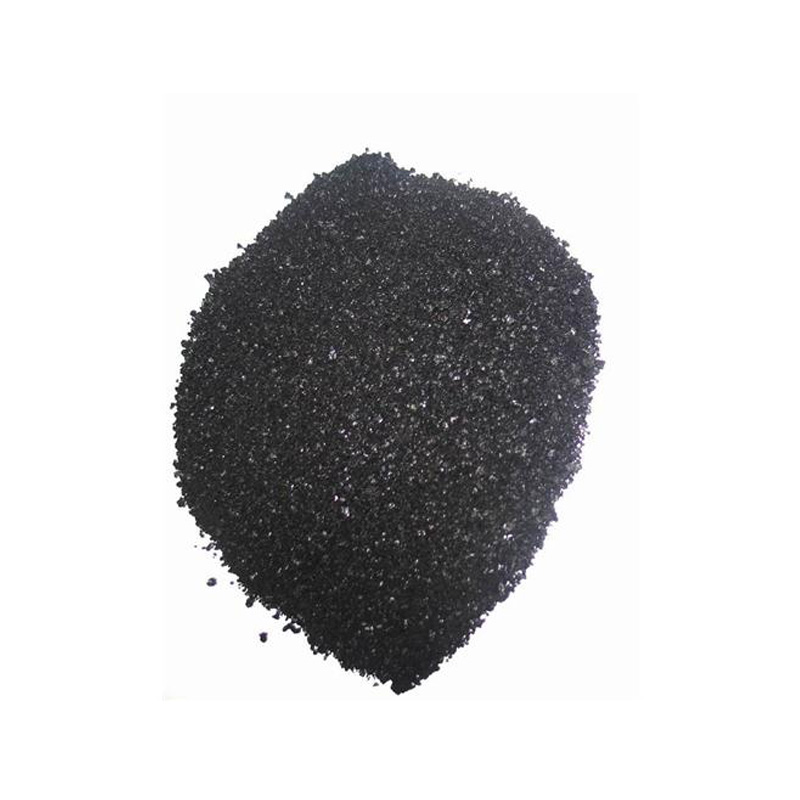
Sulphur Black
1.Name: sulphur black; Sulfur Black; Sulphur Black 1;
2.Structure formula:
3.Molecule formula: C6H4N2O5
4.CAS No.: 1326-82-5
5.HS code: 32041911
6.Product specification:Appearance:black phosphorus flakes; black liquid
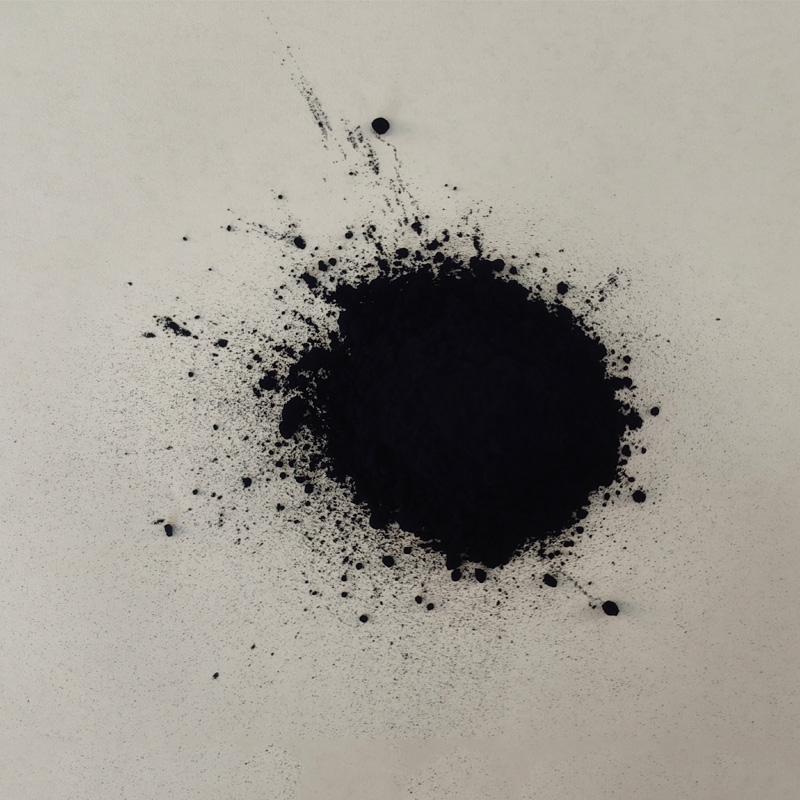
Bromo Indigo; Vat Bromo-Indigo; C.I.Vat Blue 5
1.Name: Bromo indigo; Vat bromo-indigo; C.I.Vat blue 5;
2.Structure formula:
3.Molecule formula: C16H6Br4N2O2
4.CAS No.: 2475-31-2
5.HS code: 3204151000 6.Major usage and instruction: Be mainly used to dye cotton fabrics.
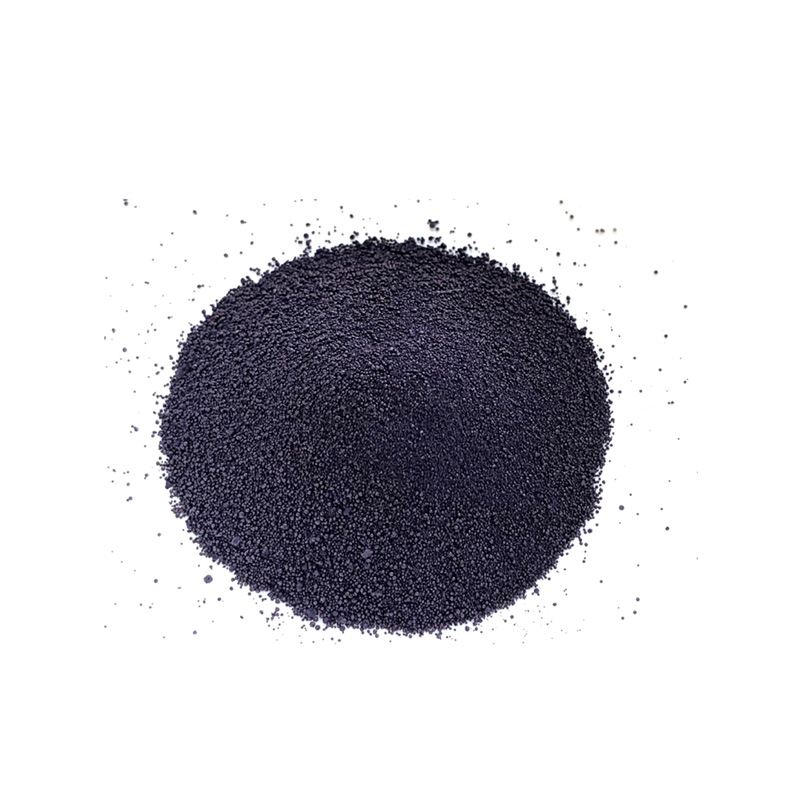
Indigo Blue Vat Blue
1.Name: indigo blue,vat blue 1,
2.Structure formula:
3.Molecule formula: C16H10N2O2
4.. CAS No.: 482-89-3
5.Molecule weight: 262.62
6.HS code: 3204151000
7.Major usage and instruction: Be mainly used to dye cotton fabrics.