

Comprehensive Guide to Sulphur Dye – Applications, Advantages & Trends
Why Sulphur Dye Matters and What It Brings to the Table
When you think about dyes, especially those used in textiles worldwide, sulphur dye might not immediately come to mind. Yet, this dye type holds a crucial place in industries that span from fast fashion to heavy-duty workwear—and beyond. The reason? Its affordability, durability, and versatility make it a go-to choice, especially where cost-efficiency meets tough fabric needs.
Globally, billions of garments rely on this class of dyes annually, producing deep blacks and vibrant colors that withstand rigorous use. Understanding sulphur dye’s ins and outs isn’t just academic; it’s practical knowledge for manufacturers optimizing supply chains, environmentalists concerned with chemical impacts, and even humanitarian sectors supplying cost-effective clothing solutions.
Mini takeaway: Sulphur dye is a foundational textile technology, combining toughness and budget-friendliness to meet planetary and human needs alike.
The Growing Global Footprint of Sulphur Dye
On the world stage, textile production is a mammoth business, accounting for an estimated 2% of global GDP and tons of chemical usage (source: Wikipedia). Among dyes, sulphur-based compounds maintain a unique position, primarily because their use directly affects energy consumption and environmental outcomes.
It’s worth noting—for instance, according to the International Organization for Standardization (ISO)—dye processes contribute to wastewater pollution challenges worldwide. As industries seek greener alternatives, sulphur dyes present both an opportunity and a challenge: they are cheap and effective but require careful management.
Practically, the main issue sulphur dyes help solve is offering a robust, low-cost solution for coloring cotton and other natural fibers. For countries with booming garment exports—think India, Bangladesh, and Vietnam—this means providing millions of affordable, quality textiles to global consumers.
Mini takeaway: Sulphur dye is intertwined with global textiles markets and environmental standards; balancing cost and ecology remains central to its story.
What Exactly Is Sulphur Dye?
Simply put, sulphur dye is a type of dyestuff that's water-insoluble and mainly used on cotton. Unlike reactive or vat dyes, sulphur dyes begin as a powder and are reduced chemically in the dye bath to a soluble form. After bonding to fabric fibers, they're oxidized back to an insoluble state—essentially locking color into the fiber. This gives them excellent wash and light fastness.
The connection to industry? Sulphur dyes are often the dye of choice for heavy fabrics like denim, workwear, and military textiles because they hold up under frequent washing and exposure. For humanitarian efforts—cheap, durable clothing is crucial, making sulphur dyes quite relevant.
Mini takeaway: At its core, sulphur dye is a clever chemical system designed for durability and affordability.
Key Characteristics That Define Sulphur Dye
Durability
Sulphur dyes create a firm bond with cotton fibers, resulting in high resistance to washing and mechanical wear. For people who wear their clothes hard and often, such as factory workers or rural communities, this is a huge plus.
Cost Efficiency
Manufacturers love sulphur dye primarily because it's one of the cheapest options available. The raw materials are inexpensive, and the dyeing process is relatively straightforward, leading to lower production costs.
Environmental and Chemical Handling
While sulphur dyes are effective, they demand careful chemical management. The reduction and oxidation steps involve sulfides, which can generate unpleasant odors and require treatment before disposal. Innovations in waste treatment are evolving but aren’t universal yet.
Color Range and Fastness
The color palette for sulphur dye is more limited than some dye types—mostly blacks, browns, and some earthy shades—but these colors are very colorfast, especially to rubbing and washing.
Scalability and Versatility
Sulphur dye processes scale well, helping meet the enormous global demand for textiles. Plus, they work on multiple fabric types, although their strongest synergy remains with cotton.
Mini takeaway: The mix of long-lasting color, low cost, and large-scale feasibility keeps sulphur dye a staple in many sectors.
Global Real-World Applications You Should Know
Sulphur dye is everywhere—though you might not see it explicitly labeled. Heavy denim jeans? Often sulphur dyed to get that deep indigo-black tone with long-lasting wear. Work uniforms and protective garments? Yep, sulphur dyes have you covered with good textile strength and cost control.
Particularly in South Asia and Latin America, small and midsize dyeing factories rely heavily on sulphur dyes, helping power local economies and export markets. Also, in humanitarian logistics, organizations use sulphur-dyed textiles to supply affordable clothing that resists wear and tear in challenging climates.
One case in point: a relief program in Southeast Asia reported greater satisfaction from garment recipients due to the long-lasting nature of their sulphur-dyed work clothes, which held color even after multiple washing cycles.
Mini takeaway: From factories to fieldwork, sulphur dye is a practical hero in fabrics worldwide.
Advantages & Long-Term Value of Sulphur Dye
- Cost savings: Low price of materials and dyeing makes products accessible worldwide.
- Social impact: Durable clothing means less frequent replacements, helping families save money.
- Sustainability potential: Although not inherently eco-friendly, improvements in waste treatment are gradually reducing environmental impacts.
- Reliability: Robust color fastness means textiles maintain appearance and integrity longer.
From an emotional standpoint, supplying durable clothing with consistent colors builds confidence among workers and consumers alike. It’s not just about fabric but trust—trust that the gear they count on won’t fail.
Emerging Trends and Innovations Shaping Sulphur Dye
Industry insiders are watching the rise of greener dyeing technologies closely. Enzymatic treatments and advanced wastewater solutions promise to make sulphur dyeing less polluting. Automation is also spreading through textile factories, ensuring more precise dye doses, less waste, and better product consistency.
In the context of sustainability, combining sulphur dyes with organic cotton and lower-impact processes could offer win-win solutions for eco-conscious brands looking for cost-effective options. And as consumer transparency grows, traceability from raw materials to finished garment might include sulphur dye status someday.
Mini takeaway: While traditional, sulphur dyeing is gradually adopting modern tech and greener processes to stay relevant—and cleaner.
Common Challenges and Workarounds
Of course, sulphur dyes come with baggage—namely odor during dyeing, limited color variety, and environmental concerns around sulfide wastewater. Many manufacturers adapt by:
- Investing in better effluent treatment plants.
- Blending sulphur dyes with other dye types to expand color options.
- Using enclosed dyeing systems to reduce odor release.
- Training workers on safe chemical handling procedures.
Frankly, it feels like a balancing act: keep prices low, stay effective, and meet growing ecological standards. But the sector is progressive and determined to tackle these issues head-on.
FAQ: Answering Your Top Sulphur Dye Questions
- Q: Are sulphur dyes safe for skin contact in everyday clothing?
- A: Yes, once properly fixed and washed, sulphur-dyed textiles are generally safe. Residual chemicals are minimal after thorough rinsing, making garments comfortable and non-irritating.
- Q: Why do sulphur dyes sometimes emit a bad smell during manufacturing?
- A: The reduction process uses sulfides, which can release hydrogen sulfide gas—known for its rotten egg odor. This is a normal part of dyeing but requires good ventilation and odor control measures.
- Q: How do sulphur dyes compare with reactive dyes in colorfastness?
- A: Sulphur dyes excel in wash and rub fastness, particularly on cotton. However, reactive dyes offer brighter colors and a wider palette but can be less durable in heavy-duty applications.
- Q: Can sulphur dye be used on synthetic fabrics?
- A: Sulphur dyes are primarily suited for cellulose fibers like cotton. They are generally ineffective on synthetic fabrics like polyester or nylon.
- Q: How do manufacturers handle environmental concerns with sulphur dye wastewater?
- A: Effluent treatment plants use oxidation, biological treatment, and chemical precipitation to remove sulfides before discharge. While costly, these steps are crucial for regulatory compliance and ecological protection.
Product Specification: Typical Sulphur Dye Characteristics
| Specification | Typical Value | Notes |
|---|---|---|
| Form | Powder bulk dye | Requires reduction before dyeing |
| Color Range | Mostly blacks and browns | Limited shades versus reactive dyes |
| Fiber Compatibility | Cellulose fibers (cotton, viscose) | Not effective on synthetics |
| Wash Fastness | 4-5 (ISO scale) | Excellent for heavy-use garments |
| Light Fastness | 3-4 (ISO scale) | Good, but can fade slowly in sun |
Comparing Leading Sulphur Dye Suppliers
| Supplier | Price Range | Sustainability Effort | Global Reach | Customer Support |
|---|---|---|---|---|
| Wuxin Chemicals | $$ | Active wastewater treatment R&D | Asia, Europe, Americas | 24/7 multilingual |
| DyeMasters Inc. | $$$ | Partial renewable material adoption | North America, EU | Comprehensive training programs |
| EcoHue Solutions | $ | Focus on low-impact processing | Asia-Pacific | Basic support with local reps |
So, after chewing on all this: sulphur dye often gets overshadowed by newer, slicker technologies, but its staying power stems from a blend of savvy chemistry and pragmatic economics. It’s like that reliable workhorse in the textile world—maybe not flashy, but you know it’ll get the job done time and again.
If you want to dive deeper into the specifics of sulphur dye or explore trusted vendors, you might want to visit sulphur dye suppliers online. Their insights often include updates on eco-friendly methods and supply chain tools that really help in making decisions.
References:
-
Mastering the Art of China Japanese Indigo Dyeing Traditions
NewsApr.16,2026
-
Exploring the Elegance of China Deep Indigo Color in Textiles
NewsApr.09,2026
-
Discover High Quality China Jeans Blue Indigo for Global Markets
NewsApr.07,2026
-
Exploring the Rich Tradition of China Natural Indigo Dyed Fabric
NewsApr.04,2026
-
Exploring China Indigo Color in Nature History and Modern Applications
NewsMar.31,2026
-
Discover High Quality China Pure Indigo Powder for Vibrant Natural Dyeing
NewsMar.28,2026
-
Exploring the Rich History of China True Blue Indigo Textiles
NewsMar.26,2026
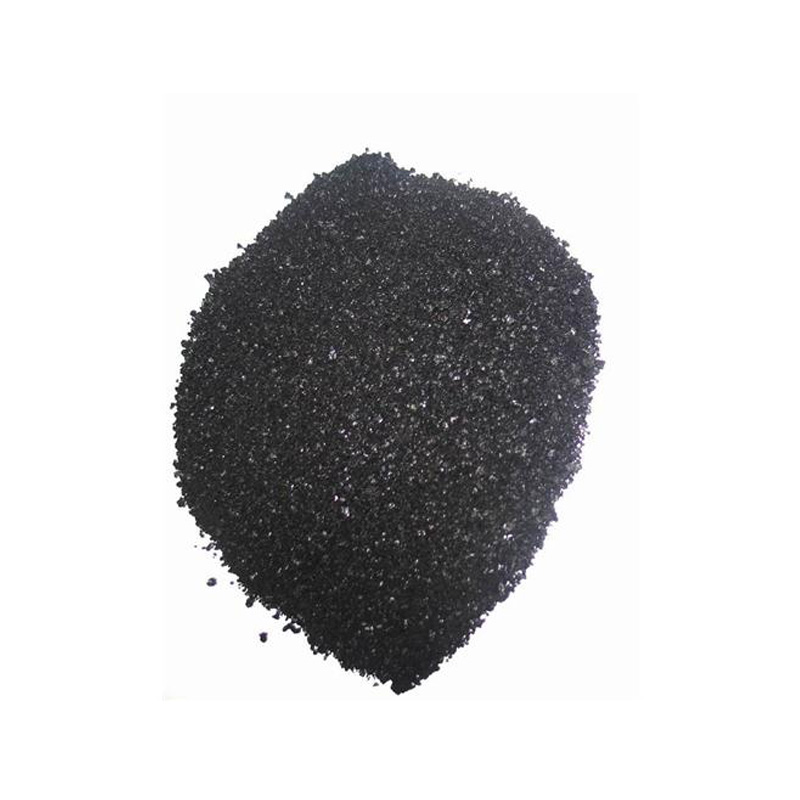
Sulphur Black
1.Name: sulphur black; Sulfur Black; Sulphur Black 1;
2.Structure formula:
3.Molecule formula: C6H4N2O5
4.CAS No.: 1326-82-5
5.HS code: 32041911
6.Product specification:Appearance:black phosphorus flakes; black liquid
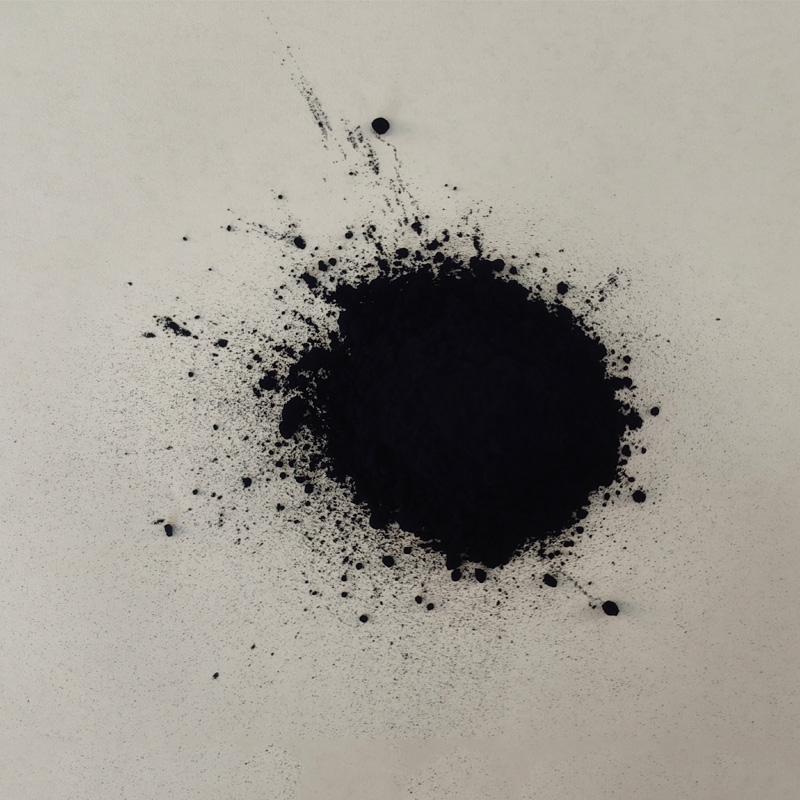
Bromo Indigo; Vat Bromo-Indigo; C.I.Vat Blue 5
1.Name: Bromo indigo; Vat bromo-indigo; C.I.Vat blue 5;
2.Structure formula:
3.Molecule formula: C16H6Br4N2O2
4.CAS No.: 2475-31-2
5.HS code: 3204151000 6.Major usage and instruction: Be mainly used to dye cotton fabrics.
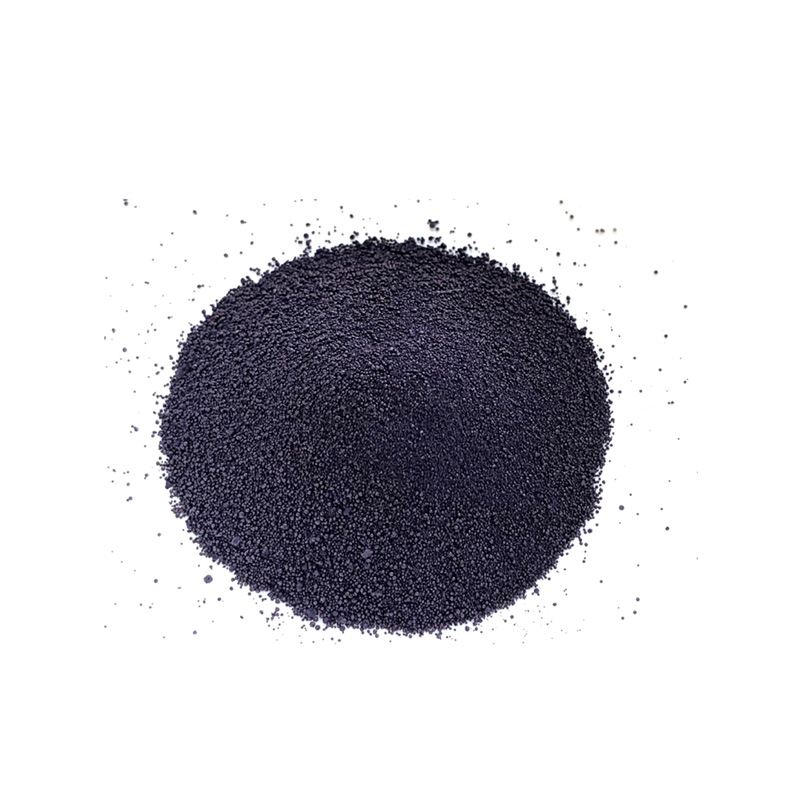
Indigo Blue Vat Blue
1.Name: indigo blue,vat blue 1,
2.Structure formula:
3.Molecule formula: C16H10N2O2
4.. CAS No.: 482-89-3
5.Molecule weight: 262.62
6.HS code: 3204151000
7.Major usage and instruction: Be mainly used to dye cotton fabrics.