Sulphur black powder, a versatile and widely utilized colorant, plays a crucial role across numerous industries, from textiles and leather to metallurgy and even specialized applications like fireworks. Its unique properties – intense black coloration, cost-effectiveness, and relative ease of application – have cemented its position as a cornerstone in many manufacturing processes. Understanding the nuances of sulphur black powder, including its chemical composition, manufacturing processes, and responsible usage, is vital for businesses and professionals operating within these sectors.
The global demand for sulphur black powder is driven by the ever-growing textile industry, particularly in emerging economies. According to reports from the World Bank, textile production is a significant contributor to economic growth in countries like Bangladesh, Vietnam, and India, all large consumers of dyes and pigments. However, this demand also presents challenges related to environmental sustainability and responsible chemical handling, prompting ongoing research into cleaner production methods and alternative dyes.
Sulphur black powder’s affordability and effectiveness address a critical need in industries where cost control is paramount. It provides a reliable and consistent black coloration, essential for achieving desired aesthetic qualities in finished products, and its availability contributes to the smooth operation of supply chains across diverse manufacturing landscapes.
The Core Properties of sulphur black powder
Sulphur black powder is characterized by its remarkably intense and deep black hue, achieved through a complex chemical structure. This coloration is incredibly stable, resisting fading even with prolonged exposure to light and washing. The powder's fine particle size contributes to its excellent dispersibility in various mediums, ensuring uniform coloration in the final product.
Furthermore, sulphur black powder exhibits good fastness properties, meaning it resists bleeding or transferring color onto other materials. This makes it ideal for applications where color retention and preventing unwanted staining are crucial, such as in textile dyeing and leather finishing. Its relatively low cost compared to other black pigments also enhances its appeal.
Historical Context and Global Production
The production and use of sulphur black powder date back to the mid-19th century, initially developed as an alternative to expensive natural dyes. Its initial adoption coincided with the rapid industrialization of the textile industry and the growing demand for affordable and consistent black dyes. Over time, production processes were refined to improve yield and reduce environmental impact, though significant challenges remain.
Today, the primary producers of sulphur black powder are concentrated in Asia, with China dominating the global market. India also plays a substantial role in production, catering to both domestic demand and export markets. Other significant, but smaller, producers are found in countries like Vietnam and Indonesia. Global production capacity is estimated to be several hundred thousand tons annually, with the majority directed towards the textile sector.
The ISO standards relating to dye purity and environmental impact increasingly influence the production of sulphur black powder. Compliance with these standards is becoming essential for accessing key international markets and maintaining a competitive edge. This has led to advancements in wastewater treatment and waste management practices within manufacturing facilities.
Chemical Composition and Manufacturing Process
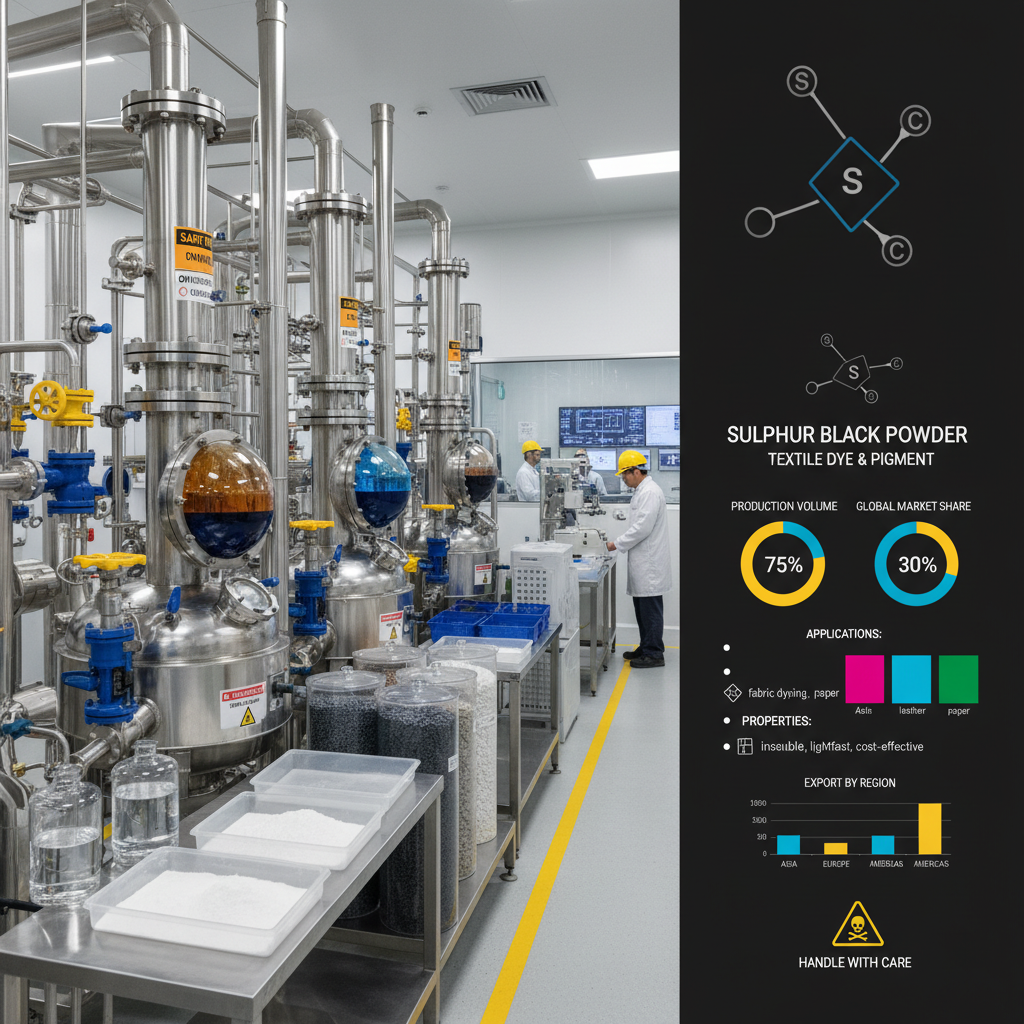
Sulphur black powder isn't a single chemical compound, but rather a complex mixture, primarily comprising sulfur, carbon, and various organic components. The exact composition can vary depending on the manufacturing process, but it generally contains sulfur-containing organic molecules that contribute to its characteristic black color and dyeing properties. It is typically produced through a cooking process involving organic materials, sulfur, and sodium sulfide.
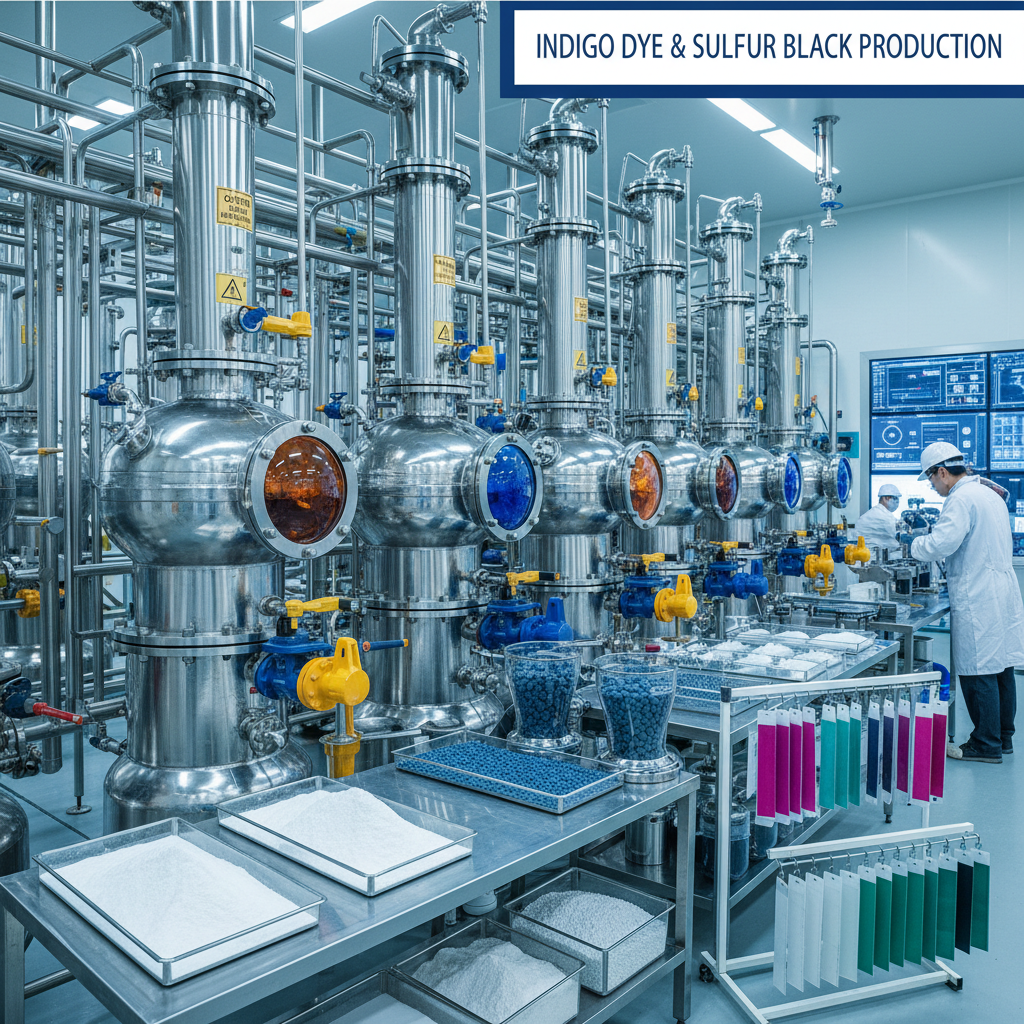
The manufacturing process begins with the reaction of organic compounds (often derived from aniline or nitrobenzene) with sodium sulfide and sulfur at elevated temperatures. This "cooking" process forms a soluble leuco dye, which is then oxidized to its insoluble form, creating the final sulphur black powder. Key stages include sulfidation, oxidation, washing, drying, and grinding to achieve the desired particle size and consistency.
The quality and consistency of the final product are heavily reliant on precise control of process parameters such as temperature, pH, and reaction time. Impurities and variations in composition can affect the dye's performance, color fastness, and environmental impact. Modern manufacturing facilities employ sophisticated monitoring and control systems to maintain optimal conditions throughout the production cycle.
Performance Characteristics of sulphur black powder
One critical aspect of sulphur black powder’s performance is its dyeing affinity – its ability to bond with textile fibers. This affinity is particularly strong with cellulosic fibers like cotton, linen, and rayon, making it a staple in the textile industry. The dye penetrates the fiber structure, resulting in durable and wash-resistant coloration.
However, sulphur black powder requires alkaline conditions for optimal dyeing, typically achieved through the addition of sodium carbonate or sodium hydroxide. This alkalinity can impact the properties of certain fabrics, necessitating careful process control and appropriate fiber pre-treatment.
Comparison of Sulphur Black Powder Dyeing Methods
Applications Across Diverse Industries
The most significant application of sulphur black powder remains within the textile industry, where it’s used to dye cotton, viscose, and other cellulosic fibers black. This includes clothing, home textiles (curtains, upholstery), and industrial fabrics. Its cost-effectiveness makes it particularly valuable for large-scale production runs.
Beyond textiles, sulphur black powder finds application in the leather industry for dyeing leather goods. It's also utilized in the production of carbon paper, printing inks, and even in the manufacturing of fireworks for creating black coloration effects. Furthermore, niche applications include its use as a component in certain metallurgical processes.
Advantages and Sustainability Concerns
The primary advantages of sulphur black powder include its low cost, excellent color strength, and relatively simple application process. These factors contribute to its widespread adoption, particularly in price-sensitive markets. The dye also exhibits good wash fastness and light fastness, ensuring durability of coloration.
However, the production and use of sulphur black powder are associated with significant environmental concerns. The manufacturing process generates substantial wastewater containing sulfur compounds, organic pollutants, and heavy metals. Improperly treated effluent can pollute waterways, harming aquatic ecosystems and posing risks to human health. The release of hydrogen sulfide (H2S) during the dyeing process is also a potential hazard.
Addressing these sustainability challenges requires investment in cleaner production technologies, improved wastewater treatment facilities, and the exploration of alternative dyes with lower environmental footprints. Responsible sourcing and adherence to environmental regulations are crucial for mitigating the negative impacts associated with sulphur black powder production and usage.
Future Trends and Innovative Applications
Ongoing research focuses on developing more sustainable manufacturing processes for sulphur black powder, including techniques to reduce water consumption, minimize waste generation, and recover valuable byproducts. The use of bio-based feedstocks as alternatives to traditional petrochemical-derived materials is also being explored.
Innovation in dyeing techniques, such as plasma technology and supercritical fluid dyeing, could potentially reduce water and energy consumption while enhancing dye uptake and fastness properties. Furthermore, advancements in nanotechnology may lead to the development of sulphur black powder formulations with improved dispersion and stability.
There’s also growing interest in exploring novel applications for sulphur black powder beyond traditional dyeing. This includes its potential use in advanced materials, such as conductive inks for printed electronics and functional coatings with tailored properties.
Summary of Emerging Trends in Sulphur Black Powder Applications
| Application Area |
Innovation Focus |
Potential Benefits |
Implementation Timeline |
| Textile Dyeing |
Plasma Dyeing |
Reduced Water Usage, Improved Dye Fixation |
5-10 Years |
| Wastewater Treatment |
Advanced Oxidation Processes |
Effective Removal of Pollutants |
2-5 Years |
| Conductive Inks |
Nanoparticle Incorporation |
Enhanced Conductivity, Printable Electronics |
3-7 Years |
| Functional Coatings |
Polymer Composites |
UV Protection, Anti-Corrosion Properties |
5-10 Years |
| Bio-based Production |
Alternative Feedstocks |
Reduced Carbon Footprint |
10+ Years |
| Dye Recycling |
Membrane Filtration |
Reduced Waste, Circular Economy |
2-5 Years |
FAQS
The main environmental concerns stem from the manufacturing process generating significant wastewater loaded with sulfur compounds and pollutants. Improper treatment can lead to water contamination, harming ecosystems. Additionally, the release of hydrogen sulfide (H2S) during dyeing poses an atmospheric hazard. Minimizing these impacts requires investment in advanced wastewater treatment, cleaner production technologies, and responsible chemical handling practices.
Sulphur black powder exhibits excellent affinity for cellulosic fibers like cotton, linen, and rayon. However, it's less effective on synthetic fibers like polyester. Its application typically requires alkaline conditions, which might affect certain delicate fabrics. Therefore, it’s not a universal dye and fabric suitability should always be considered.
Regulations vary by region but generally focus on limiting the discharge of pollutants in wastewater. The REACH regulation in Europe restricts the use of certain chemicals in textile production, including those associated with sulphur black powder manufacturing. Many countries have also adopted limits on heavy metal content in dyes. Compliance with these regulations is essential for accessing international markets.
Sulphur black powder is generally one of the most cost-effective black dyes available, making it a popular choice for large-scale textile production. Alternatives like reactive dyes or vat dyes typically command a higher price point, though they may offer advantages in terms of color fastness or environmental impact. The total cost, however, needs to factor in wastewater treatment.
Researchers are exploring several technologies, including utilizing bio-based feedstocks, implementing advanced oxidation processes for wastewater treatment, and optimizing the dyeing process to reduce water and energy consumption. Nanotechnology is also being investigated to enhance dye performance and minimize waste generation. Plasma dyeing represents a potentially significant advancement in the field.
Currently, large-scale recycling of sulphur black powder from textile wastewater is challenging. However, membrane filtration technologies are showing promise in recovering and reusing dye components. Further research is needed to develop cost-effective and efficient recycling processes, contributing to a circular economy model within the textile industry.
Conclusion
Sulphur black powder remains a vitally important colorant across various industries, offering a compelling combination of cost-effectiveness, color intensity, and ease of application. However, its production and use pose significant environmental challenges, stemming primarily from wastewater generation and potential atmospheric pollution. Addressing these concerns through investment in cleaner technologies, sustainable manufacturing practices, and robust regulatory frameworks is paramount.
Looking ahead, continued research and innovation are crucial for unlocking the full potential of sulphur black powder while minimizing its environmental footprint. Exploring alternative feedstocks, developing advanced wastewater treatment methods, and promoting circular economy initiatives will pave the way for a more sustainable future. For more information about our high-quality sulphur black powder products and our commitment to responsible manufacturing, visit our website: www.wuxin-group.com.