

News
-
Exploring the Art of China Indigo Tie and Dye A Timeless Tradition
For centuries, china indigo tie and dye has been a captivating technique, transforming fabrics into stunning works of art. This ancient method, deeply rooted in Chinese tradition, continues to flourish today, offering unique and beautiful textiles for a global audience. This article will explore the history, process, variations, and modern applications of this remarkable craft. Discover the enduring appeal of indigo tie-dye and its significance in contemporary fashion and home décor. The origins of indigo dyeing in China trace back over 2,000 years. Archaeological evidence suggests that indigo was used as a dye as early as the Han Dynasty (206 BC – 220 AD). Traditionally, indigo was derived from the leaves of Indigofera tinctoria plant. The process was meticulously refined over generations, becoming an integral part of Chinese textile production. Indigo dye wasn’t just about aesthetics; the deep blue color held symbolic meaning, representing sophistication, tranquility, and the natural world. The rich cultural heritage surrounding indigo dye has been passed down through artisan families, safeguarding the techniques for future generations.Read more -
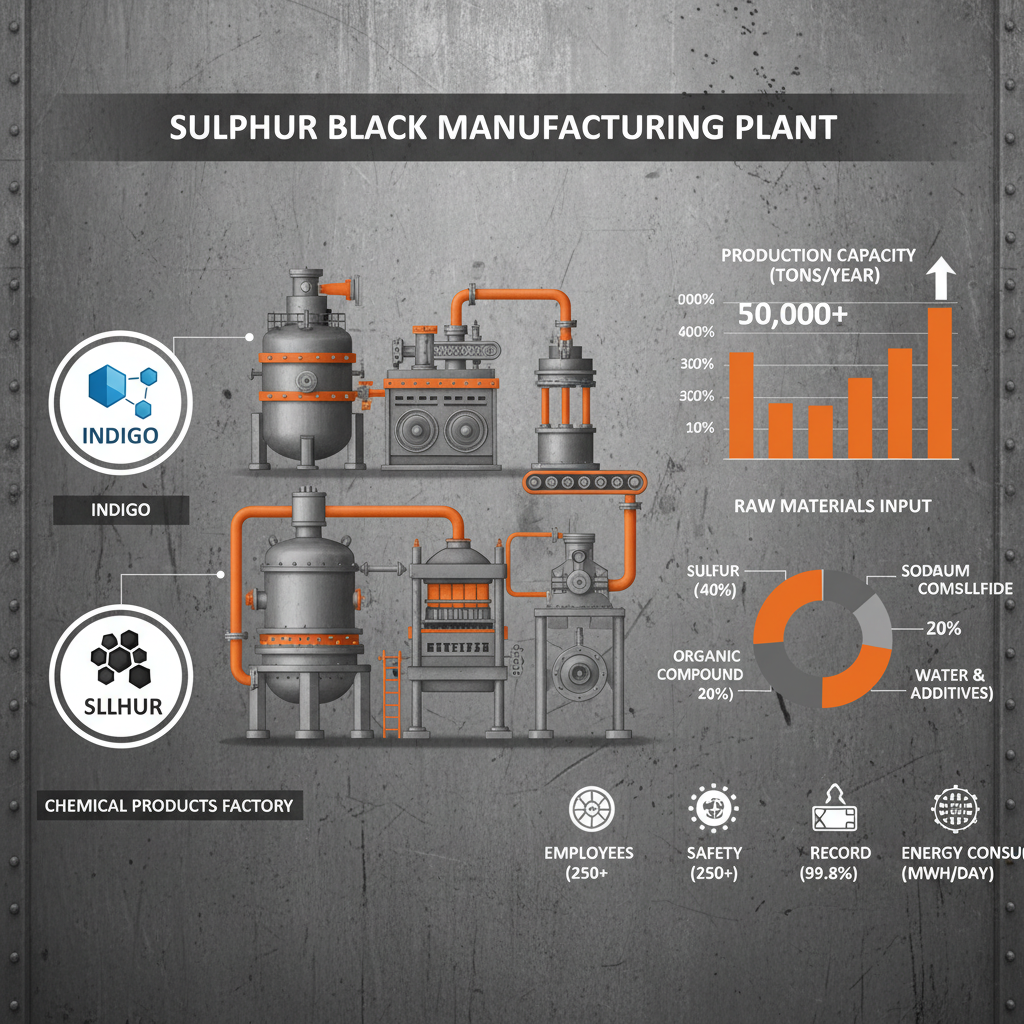
Optimizing Sulphur Black Factory Operations for Quality and Sustainability
The global demand for high-quality dyes, particularly sulphur black, is significant across numerous industries, including textiles, leather, and paper. A robust sulphur black factory is crucial for maintaining a consistent supply chain and meeting evolving market needs. These factories not only contribute to industrial output but also impact employment and economic growth in their respective regions. Understanding the nuances of these facilities—from production processes to environmental considerations—is vital for stakeholders across the value chain. The role of a sulphur black factory extends beyond simple dye production. It’s deeply intertwined with innovations in chemical engineering, waste management, and sustainable manufacturing practices. Efficient and responsible operation of these factories is key to minimizing environmental impact and ensuring product quality. Global standards, such as those set by ISO, are increasingly important in regulating the industry and promoting ethical production. Investing in and optimizing a sulphur black factory represents a strategic decision for businesses seeking a reliable and cost-effective source of this essential dye.Read more -
High Quality ODM Indian Indigo Powder Solutions For Diverse Industries
Indian indigo powder, prized for centuries for its rich color and natural dyeing properties, is increasingly sought after by businesses globally. We at Wuxin Group specialize in offering high-quality ODM (Original Design Manufacturing) Indian indigo powder solutions to meet diverse industry needs. This article will delve into the benefits of sourcing indigo powder through an ODM, its applications, quality considerations, and why Wuxin Group is a trusted partner for your business. Choosing an ODM like Wuxin Group for your Indian indigo powder needs offers several advantages over traditional sourcing. We handle the entire production process – from sourcing the highest-quality indigo leaves to processing, quality control, and packaging – allowing you to focus on your core business. This includes custom formulations tailored to your specific color requirements, particle size preferences, and other specifications.Read more -
Wuxin Group ODM Indigo Water Solutions for Private Label Branding
Are you looking to launch your own branded bottled water, but lack the infrastructure for production and sourcing? Wuxin Group offers comprehensive ODM (Original Design Manufacturer) indigo water solutions, allowing you to focus on branding and marketing. We specialize in creating high-quality, customizable water products, from unique packaging to specific mineral compositions. This article will explore the benefits of choosing an ODM like Wuxin Group, delve into the process, and answer frequently asked questions. ODM differs from OEM (Original Equipment Manufacturer). With OEM, you provide the design and specifications, and the manufacturer builds it. With ODM, the manufacturer – like Wuxin Group – already has designs and formulations, which you can customize. This significantly reduces upfront investment and development time. Indigo water, known for its naturally occurring minerals and unique color, requires specialized sourcing and processing. Wuxin Group leverages established relationships with reliable indigo water sources and employs rigorous quality control measures to deliver a consistent, premium product.Read more -
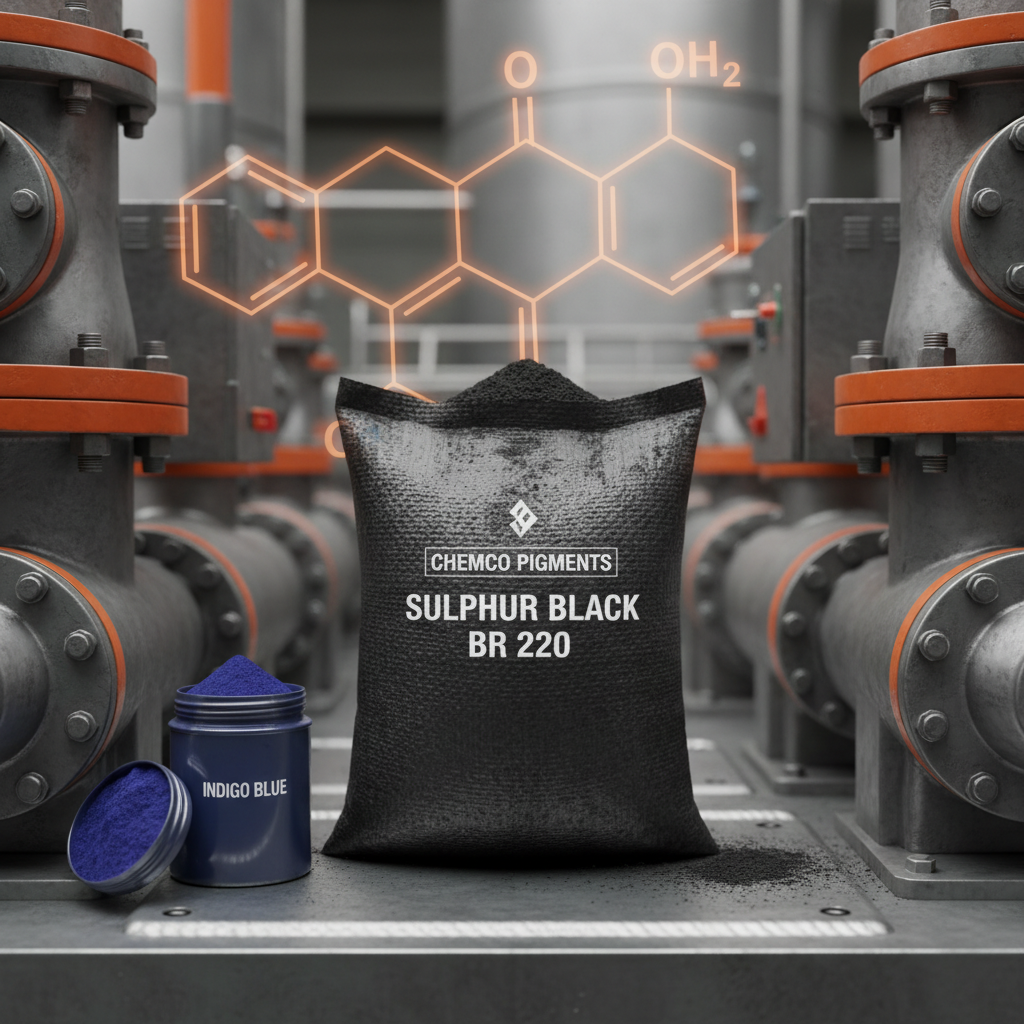
Exploring the Significance of Sulphur Black BR 220 in Textile Dyeing Applications
Sulphur black br 220, a crucial dye in the textile industry, plays a vital role in achieving deep, consistent black shades on cellulosic fibers like cotton. Its global demand is driven by the ever-increasing apparel market and the persistent need for cost-effective and reliable black coloration. Understanding its properties, applications, and emerging trends is paramount for manufacturers, researchers, and sustainability advocates alike. The significance of sulphur black br 220 extends beyond aesthetics. It’s a cornerstone in producing workwear, uniforms, and other textiles requiring durable colorfastness. The dye's affordability and relative ease of application contribute to its widespread use, particularly in developing economies. However, environmental concerns regarding its production and wastewater treatment necessitate ongoing innovation and the adoption of cleaner technologies. The impact of sulphur black br 220 ripples through the entire textile supply chain, from cotton farmers to garment retailers. Its availability and price stability directly affect production costs and ultimately, consumer prices.Read more -
ODM Expertise in Dark Blue and Indigo Dyeing for Superior Textiles
In the competitive world of textile manufacturing, Original Design Manufacturing (ODM) is a crucial strategy for brands seeking both cost-effectiveness and high-quality products. When it comes to achieving specific color palettes, particularly nuanced shades like dark blue and indigo, a skilled ODM partner is invaluable. This article will explore the intricacies of ODM services focusing on dark blue and indigo dyeing, the factors to consider when selecting an ODM, and how Wuxin Group excels in this area. Successfully navigating these processes requires expertise in dye formulation, fabric selection, and quality control, ensuring your vision translates into a finished product that meets your exact specifications. Dark blue and indigo, while seemingly simple, present unique dyeing challenges. Indigo, traditionally derived from plants, requires specific reduction and oxidation processes to achieve the desired depth and wash fastness. Synthetic indigo dyes also require meticulous control to prevent uneven coloring or bleeding. Dark blue shades, often achieved through blends of different dyes, necessitate precise formulation to avoid a muddy or inconsistent appearance.Read more -
ODM Indigo Blue Granular Solutions for Global Textile and Industrial Applications
In today's competitive global trade landscape, sourcing high-quality pigments and dyes is crucial. ODM (Original Design Manufacturer) Indigo Blue Granular offers a versatile and potent solution for industries ranging from textiles and denim production to plastics and coatings. This article dives into the specifics of this product, its applications, quality standards, and the benefits of partnering with Wuxin Group for your sourcing needs. We'll explore why indigo blue granular is a preferred choice for manufacturers worldwide, and how our expertise ensures consistent quality and reliable delivery. ODM Indigo Blue Granular refers to indigo pigment produced by a third-party manufacturer (Wuxin Group in this case) based on a client’s specifications. "Granular" denotes the physical form of the pigment – small, free-flowing particles that are easy to disperse. Indigo blue is a vibrant, deep blue dye historically derived from the indigo plant, now largely synthesized for consistency and scalability. Its intense color, excellent lightfastness, and relatively low cost make it highly sought after across numerous industries.Read more -

The Enduring Appeal of Indigo Apparel History Sustainability and Modern Trends
Indigo apparel, deeply rooted in history and now experiencing a modern renaissance, represents more than just a color or a style; it's a testament to enduring craftsmanship and sustainable practices. From ancient dyeing techniques to contemporary fashion, indigo continues to captivate designers and consumers alike. The resurgence of interest stems from a growing awareness of the environmental impact of fast fashion and a desire for ethically sourced, high-quality garments. Globally, the demand for indigo apparel is surging, driven by a confluence of factors including increasing disposable incomes, heightened fashion consciousness, and a renewed emphasis on natural and organic materials. The United Nations Sustainable Development Goals, particularly those related to responsible consumption and production, are indirectly fueling this trend as consumers actively seek out brands that align with their values. Statistics show a consistent year-on-year growth in the organic cotton market—a key component in many indigo dyeing processes—highlighting the broader shift towards sustainable textiles. Understanding indigo apparel is crucial for both industry professionals and conscious consumers. It provides a pathway to appreciating the artistry behind textile production, supporting ethical labor practices, and reducing the environmental footprint of our wardrobes.Read more -
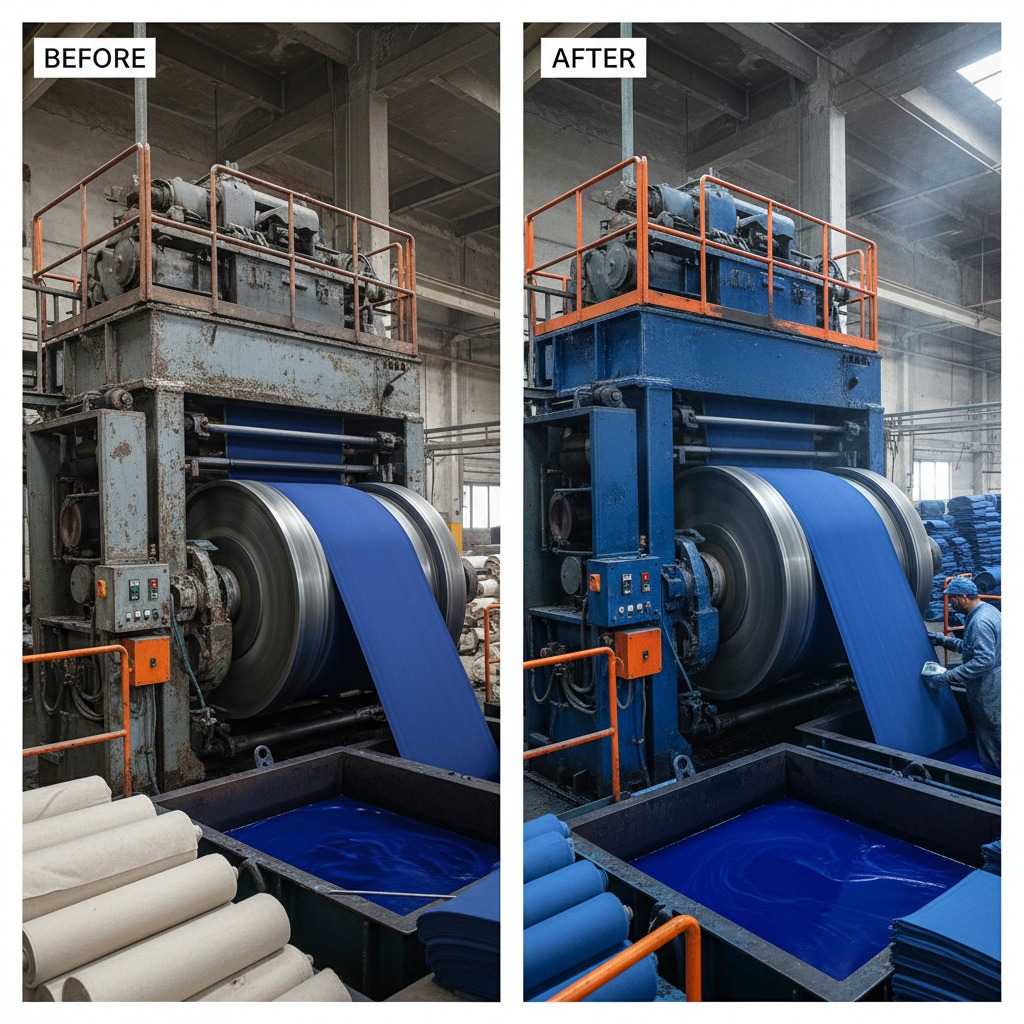
Exploring the Rich History and Sustainable Future of Rit Indigo Dye
Rit indigo dye, a fascinating subject steeped in history and vital to modern textile industries, represents more than just a color. It’s a story of cultural exchange, scientific innovation, and sustainable practices. From the ancient civilizations that first extracted indigo from plants to the contemporary challenges of eco-friendly dyeing, understanding rit indigo dye unveils a wealth of knowledge relevant to fashion, art, and environmental responsibility. Globally, the demand for indigo-dyed textiles remains consistently high, driven by its timeless aesthetic and perceived quality. The market, valued at billions of dollars annually, impacts economies across Asia, Africa, and the Americas. However, traditional indigo production often faces criticism due to its environmental footprint. This has led to a surge in research and development focused on cleaner, more sustainable rit indigo dye processes. Exploring rit indigo dye isn't just about understanding a dyeing technique; it’s about grasping the complex interplay between tradition, innovation, and global sustainability.Read more -

Exploring the Depths of Indigo Black Color and Its Versatile Applications
The world of color is vast and nuanced, but certain shades hold a particular resonance, evoking feelings of sophistication, depth, and mystery. Among these, the combination of indigo and black stands out as a powerful and versatile palette. This indigo black color isn't simply a mix; it represents a spectrum of possibilities, from the deep, inky blues of twilight to the stark, commanding presence of pure black. Understanding this palette is crucial for designers, artists, and industries seeking to create impactful visuals and products. Globally, the appeal of indigo black color transcends cultural boundaries. Historically, indigo dyes were highly prized commodities, traded along ancient routes and symbolizing status and wealth. Today, this color scheme is prevalent in fashion, technology, automotive design, and even within the psychological understanding of branding. The demand for sophisticated, premium aesthetics drives its continued relevance, impacting economies and influencing consumer choices worldwide. Its adaptability across diverse fields makes a solid grasp of its applications increasingly vital.Read more -

The Enduring Allure of Deep Indigo Color and its Sustainable Future
The allure of deep indigo color extends far beyond aesthetics, impacting industries from textiles and fashion to technology and art. Its rich, complex hue evokes feelings of serenity, wisdom, and luxury, making it a powerful symbol across cultures. Understanding the nuances of deep indigo color is crucial for designers, manufacturers, and anyone seeking to leverage its psychological and visual impact. This exploration delves into the various facets of this captivating color, highlighting its applications and significance in a globally connected world. Globally, the demand for sophisticated and emotionally resonant colors is continuously rising, driven by consumer trends and marketing strategies. Deep indigo color, in particular, benefits from its historical association with royalty and spiritual practices, giving it a unique positioning in the marketplace. The synthesis and application of this shade have advanced significantly through chemical innovation and sustainable practices, pushing the boundaries of color technology.Read more -

Exploring the Rich History and Sustainable Future of Chinese Indigo Dye
chinese indigo, a natural dye derived from the Indigofera tinctoria plant, has a rich history stretching back millennia. Originating in India and China, its use spread globally, becoming integral to textile production and cultural traditions worldwide. Today, interest in chinese indigo is experiencing a resurgence, driven by a desire for sustainable, natural alternatives to synthetic dyes and a renewed appreciation for artisanal craftsmanship. This revival is not merely nostalgic; it presents opportunities for economic development in indigo-producing regions and a reduced environmental footprint within the fashion industry. The global textile industry is a major contributor to pollution, with synthetic dyes being a significant source of water contamination. chinese indigo offers a compelling alternative, being biodegradable and often produced using more environmentally friendly processes compared to synthetic counterparts. Furthermore, the cultivation of indigo plants can contribute to soil health and biodiversity, especially when practiced using regenerative agriculture techniques.Read more