

News
-
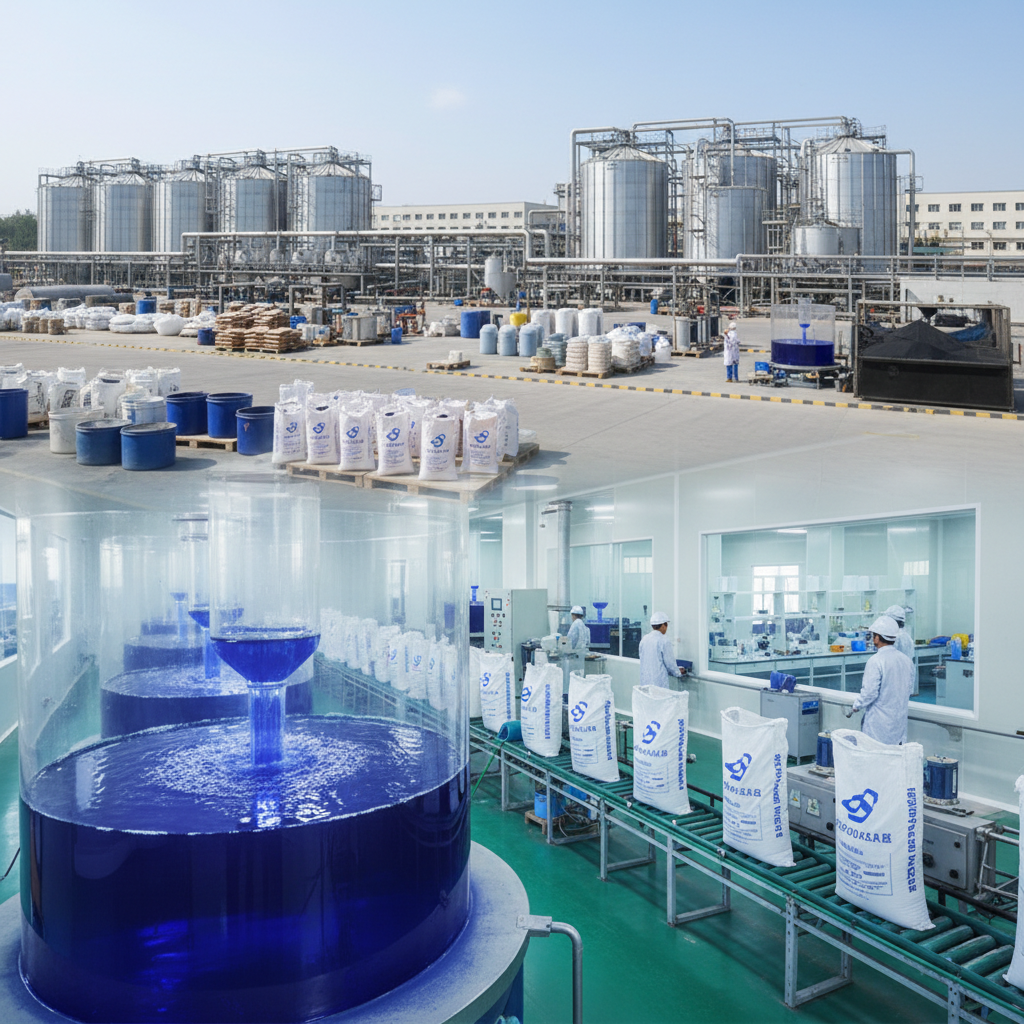
Comprehensive Guide to China Raw Indigo Dye Sourcing and Applications
Raw indigo dye, historically sourced from plants but now increasingly produced in China, remains a vital colorant for textiles, particularly denim. This article explores the origins, production, applications, and quality considerations of China raw indigo dye. Understanding its characteristics is essential for manufacturers seeking a reliable and high-quality supply. We'll delve into the nuances of sourcing, processing, and application of this natural dye. Indigo dye boasts a rich history, dating back thousands of years across various cultures, from ancient civilizations in India and Egypt to the Incas in South America. Traditionally, indigo was extracted from plants of the Indigofera genus. However, the demand for indigo far exceeded the capacity of plant-based extraction, leading to the development of synthetic indigo production. Today, China is a leading producer of both synthetic and increasingly, higher-quality, plant-derived raw indigo dye. This dominance stems from its established chemical manufacturing infrastructure and ability to meet global demand efficiently.Read more -
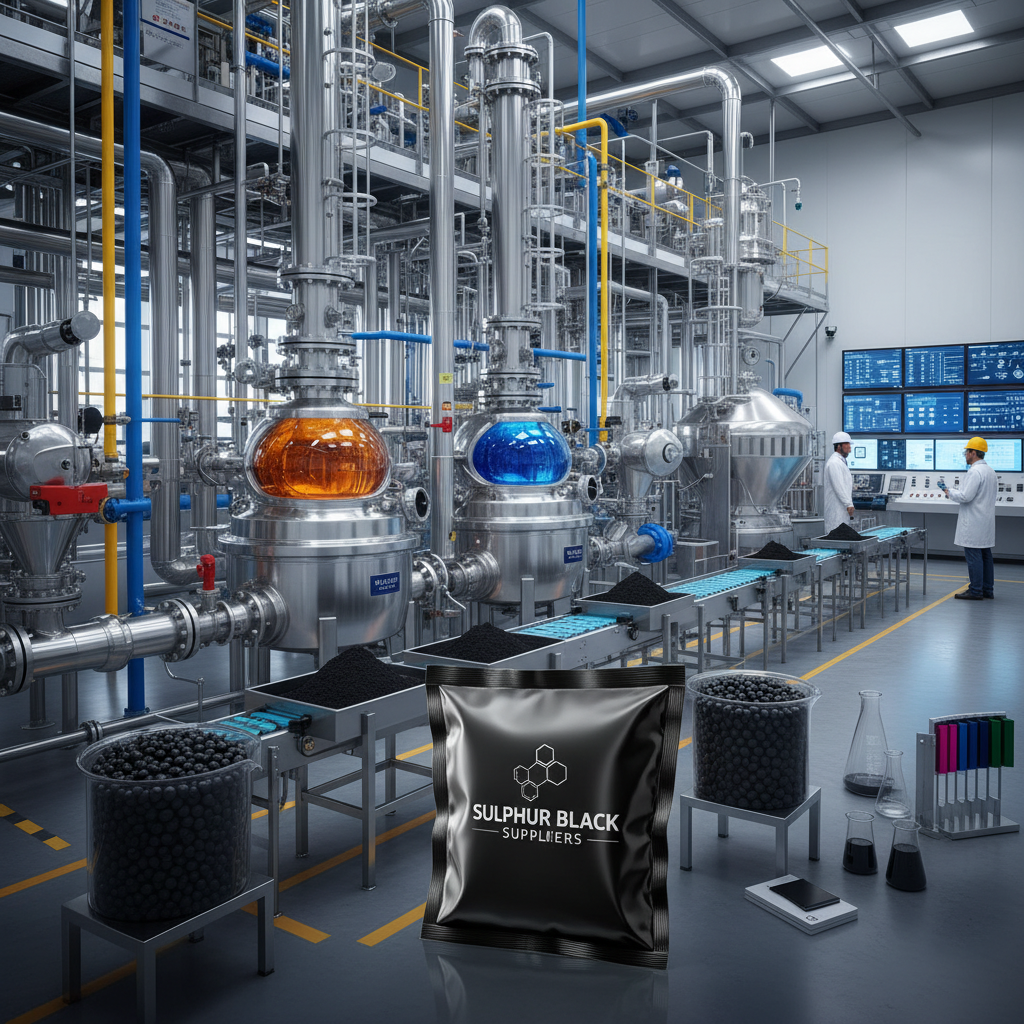
Navigating the Landscape of Sulphur Black Suppliers for Global Industries
Sulphur black suppliers play a critical role in a diverse range of industries, from textiles and leather to specialty chemical manufacturing. Understanding the global landscape of these suppliers is essential for businesses seeking reliable sourcing, consistent quality, and competitive pricing. The demand for sulphur black, a vital dye, is consistently high, making the efficient operation of these suppliers paramount to maintaining supply chains across multiple sectors. Access to dependable sulphur black suppliers is crucial for ensuring production continuity and meeting market demands. The importance of sulphur black suppliers extends beyond mere material provision. Their expertise in handling, processing, and delivering this specialized dye influences product quality, environmental impact, and regulatory compliance. Fluctuations in the supply chain, geopolitical factors, and evolving environmental regulations all affect the availability and cost of sulphur black, impacting businesses reliant on this critical component. Choosing the right supplier requires careful consideration of factors like production capacity, quality control measures, and logistical capabilities.Read more -

China Pure Organic Indigo Powder for Sustainable Textile Dyeing Solutions
Are you searching for high-quality, sustainable china pure organic indigo powder for your textile dyeing needs? Indigo, renowned for its rich history and vibrant color, is increasingly sought after in its organic form. At Wuxin Group, we specialize in providing premium organic indigo powder, sourced and processed with utmost care for quality and environmental responsibility. This article will explore the benefits, applications, and sourcing of organic indigo powder, with a focus on our commitment to excellence. Organic indigo powder is a natural dye derived from the leaves of the Indigofera tinctoria plant. Unlike conventionally grown indigo, organic indigo is cultivated without the use of synthetic pesticides, herbicides, or fertilizers. This results in a purer, more sustainable product that is gentler on the environment and beneficial for those with sensitivities. The process of extracting the indigo from the leaves is traditionally complex, involving fermentation and oxidation to yield the vibrant blue pigment. Our china pure organic indigo powder adheres to strict organic standards, ensuring its authenticity and quality.Read more -
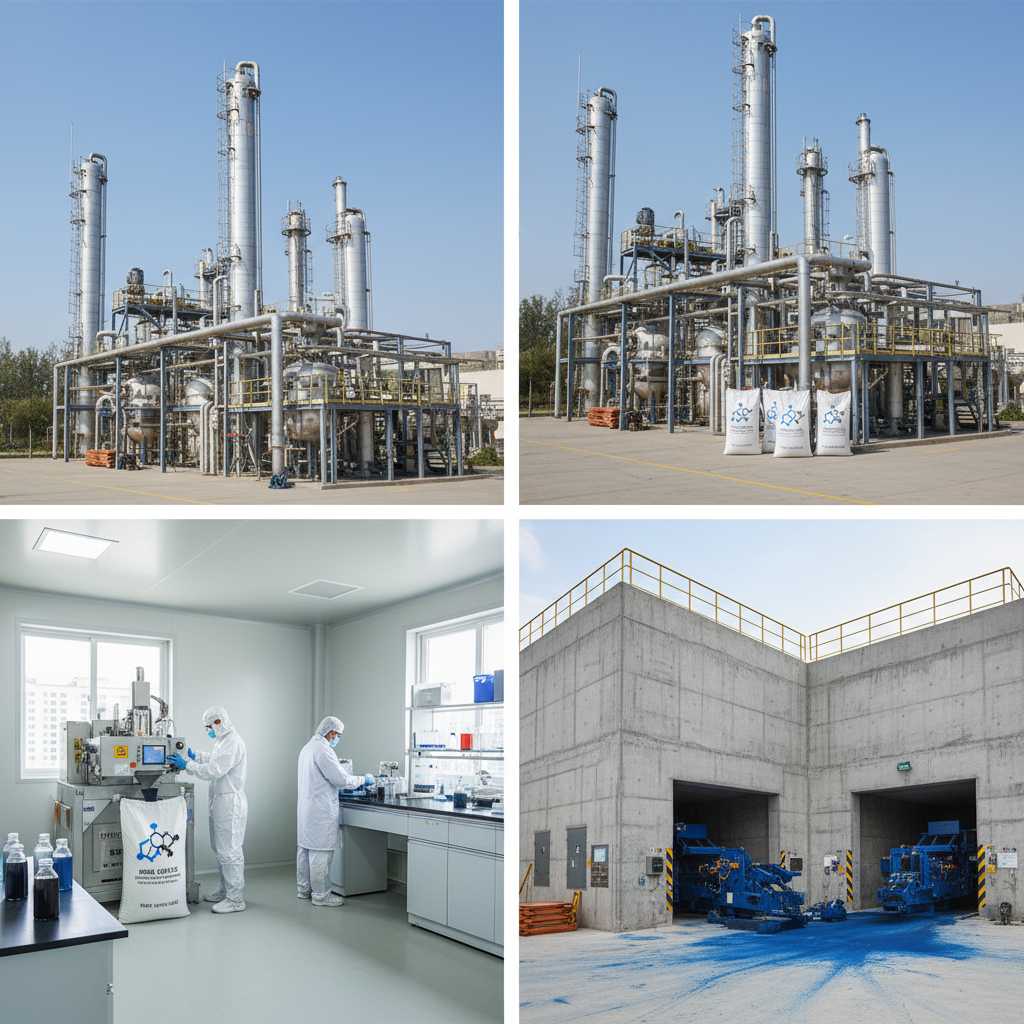
Exploring China Indigo Colour Dye Production Applications and Sourcing
Indigo dye, steeped in history and cultural significance, remains a highly sought-after colourant in the textile industry worldwide. Originating in Asia, particularly in China and India, indigo's rich blue hue has adorned fabrics for centuries. Today, Chinese manufacturers are leading the way in producing high-quality indigo colour dyes for diverse applications, from denim and fashion textiles to art and crafts. This article will delve into the world of China indigo colour dye, exploring its production, types, applications, and key considerations for sourcing from reliable suppliers. The story of indigo is a fascinating journey through time and culture. Evidence suggests its use dates back over 6,000 years, with archaeological finds showcasing indigo-dyed fabrics from ancient civilizations. Historically, indigo was a valuable commodity, traded along the Silk Road and used to create luxurious textiles for royalty and the elite.Read more -

Exploring China Raw Indigo Color Origins Quality and Sustainable Applications
Raw indigo color, sourced directly from China, is a highly sought-after natural dye valued for its rich, deep hues and historical significance. For centuries, indigo has been used to color textiles, creating iconic shades of blue. Today, there's a growing demand for authentic, sustainably sourced indigo, and China remains a crucial supplier. This article explores the origins, properties, applications, and sourcing considerations of China raw indigo color, offering insights for businesses and artisans alike. We will also look at the quality aspects that make Chinese indigo stand out. China's indigo production is deeply rooted in its agricultural traditions. The primary source of indigo is the Indigofera tinctoria plant, cultivated extensively in provinces like Yunnan, Guangdong, and Guangxi. The extraction process, traditionally a labor-intensive endeavor, involves soaking the leaves in water, then fermenting them. This fermentation process breaks down the indigotin glycosides, releasing the valuable indigo dye. Modern methods often incorporate techniques to improve efficiency and yield, but many producers still prioritize traditional fermentation for superior color quality. The leaves are then pressed to extract the indigo paste, which is dried and processed into a more concentrated form.Read more -

Exploring Sulphur Black Powder Its Applications and Future Trends
Sulphur black powder, a crucial component in textile dyeing, boasts a rich history and significant global impact. Its affordability and effectiveness have made it a cornerstone of the fashion industry, particularly in producing dark shades for cotton and other cellulosic fibers. Understanding its properties, applications, and future trends is vital for manufacturers, researchers, and sustainability advocates alike. The global demand for textiles continues to rise, driving the need for efficient and cost-effective dyeing solutions. Sulphur black powder addresses this need, yet also presents challenges related to environmental impact and wastewater treatment. Innovation in production methods and application techniques are crucial to mitigating these concerns. This comprehensive guide delves into the intricacies of sulphur black powder, exploring its composition, key characteristics, diverse applications, and the emerging advancements shaping its future. We aim to provide a clear and insightful understanding of this essential industrial chemical.Read more -
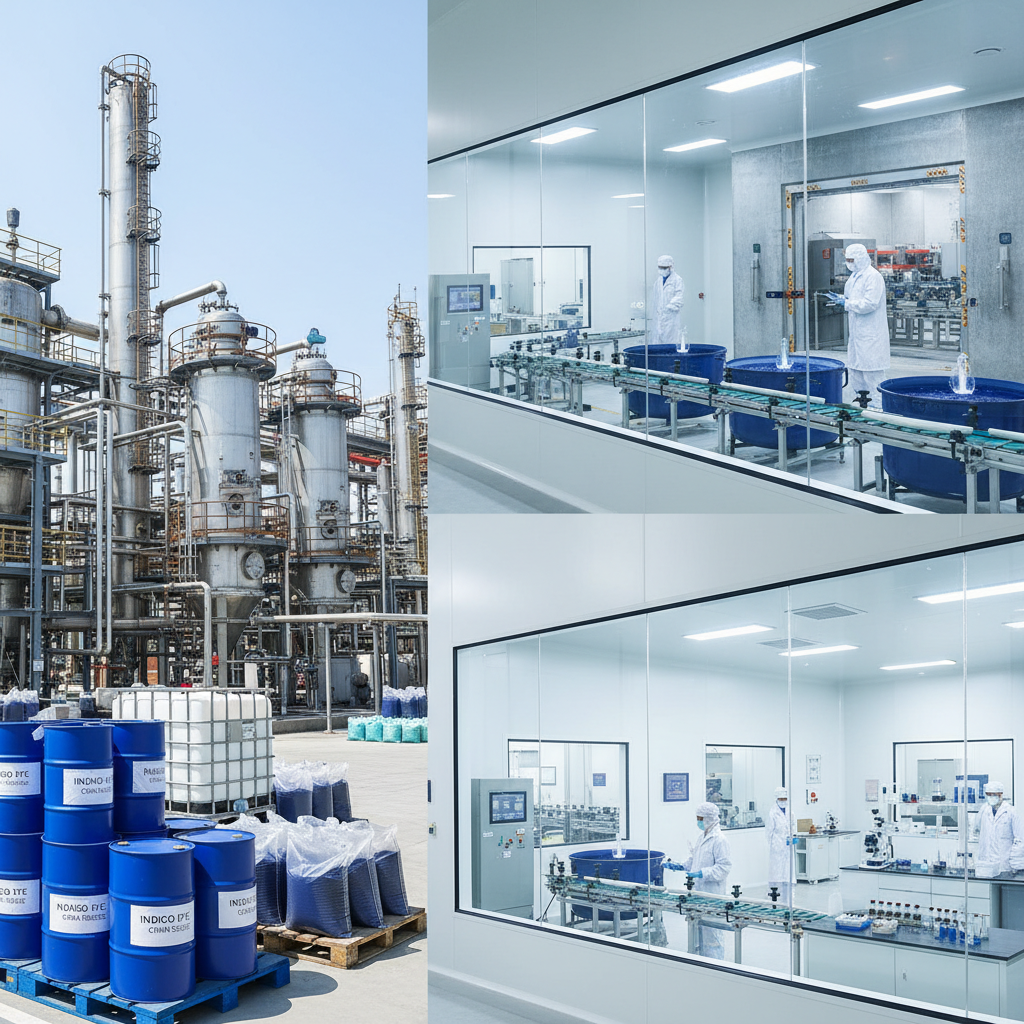
China Source Indigo Dye A Comprehensive Guide to Quality and Applications
Indigo dye, historically revered for its rich color and cultural significance, continues to be a vital component in the textile industry. Sourcing high-quality indigo dye from China is crucial for achieving optimal results in dyeing processes. This article delves into the world of Chinese indigo dye, covering its sourcing, types, applications, quality control, and benefits, providing valuable insights for businesses involved in textile production. Understanding the nuances of indigo dye sourcing will empower you to make informed decisions and elevate your product quality. While natural indigo still exists, the vast majority of indigo dye used today is synthetic. China has emerged as a leading producer and exporter of synthetic indigo dye, owing to its advanced manufacturing capabilities and cost-effectiveness. This synthetic indigo replicates the properties of its natural counterpart while offering greater consistency and scalability for industrial applications. Sourcing from reputable Chinese suppliers ensures access to reliable and high-quality indigo dye.Read more -
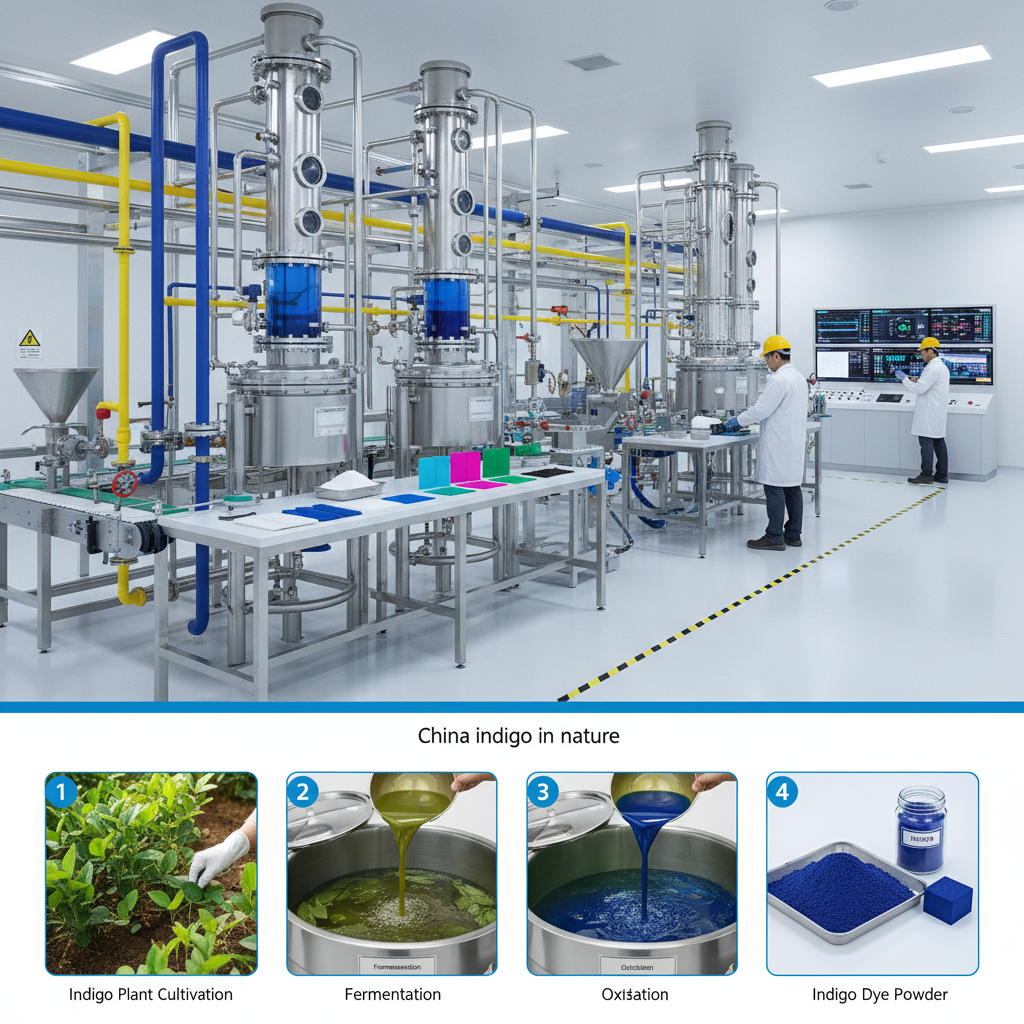
Exploring China Indigo in Nature Origins Uses and Sustainable Practices
For centuries, china indigo has been revered as a natural dye, transforming textiles into vibrant shades of blue. This isn't just a color; it's a story woven into the cultural fabric of numerous societies. This article explores the fascinating world of china indigo, tracing its natural origins, delving into its traditional and modern applications, and highlighting its growing importance in sustainable practices. We will examine its source plant, the indigofera tinctoria, and how this remarkable plant yields the dye that has captivated artisans for generations. Discover the enduring legacy of china indigo in nature. The heart of china indigo lies in the Indigofera tinctoria plant, a leguminous shrub native to India and widely cultivated across Asia, including China. This plant has been a cornerstone of textile dyeing for over 6,000 years. The indigo molecule resides within the plant’s leaves, and its extraction is a careful process.Read more -

Comprehensive Guide to Sulphur Black MSDS for Industrial Safety and Compliance
Sulphur black msds represents a critical aspect of industrial safety and chemical handling, impacting a vast range of sectors globally. Understanding the Material Safety Data Sheet (MSDS) for sulphur black 1 is crucial for ensuring worker protection, environmental responsibility, and regulatory compliance. This comprehensive document details the hazards, safe handling procedures, and emergency measures associated with this widely-used dye. The global relevance of sulphur black msds stems from its extensive application in the textile industry, particularly in the dyeing of cotton and other cellulosic fibers. With textile manufacturing concentrated in regions like Asia (China, India, Bangladesh) and increasingly impacting African economies, a robust understanding of sulphur black 1's MSDS is vital for preventing occupational health risks and minimizing environmental pollution. The UN Sustainable Development Goals, specifically those related to decent work and environmental sustainability, underscore the importance of safe chemical handling. Furthermore, adhering to international standards like ISO 14001 (environmental management) and OHSAS 18001 (occupational health and safety – now ISO 45001) necessitates thorough knowledge of chemical safety data like sulphur black msds. Failure to comply can lead to significant penalties, reputational damage, and, most importantly, harm to people and the planet.Read more -
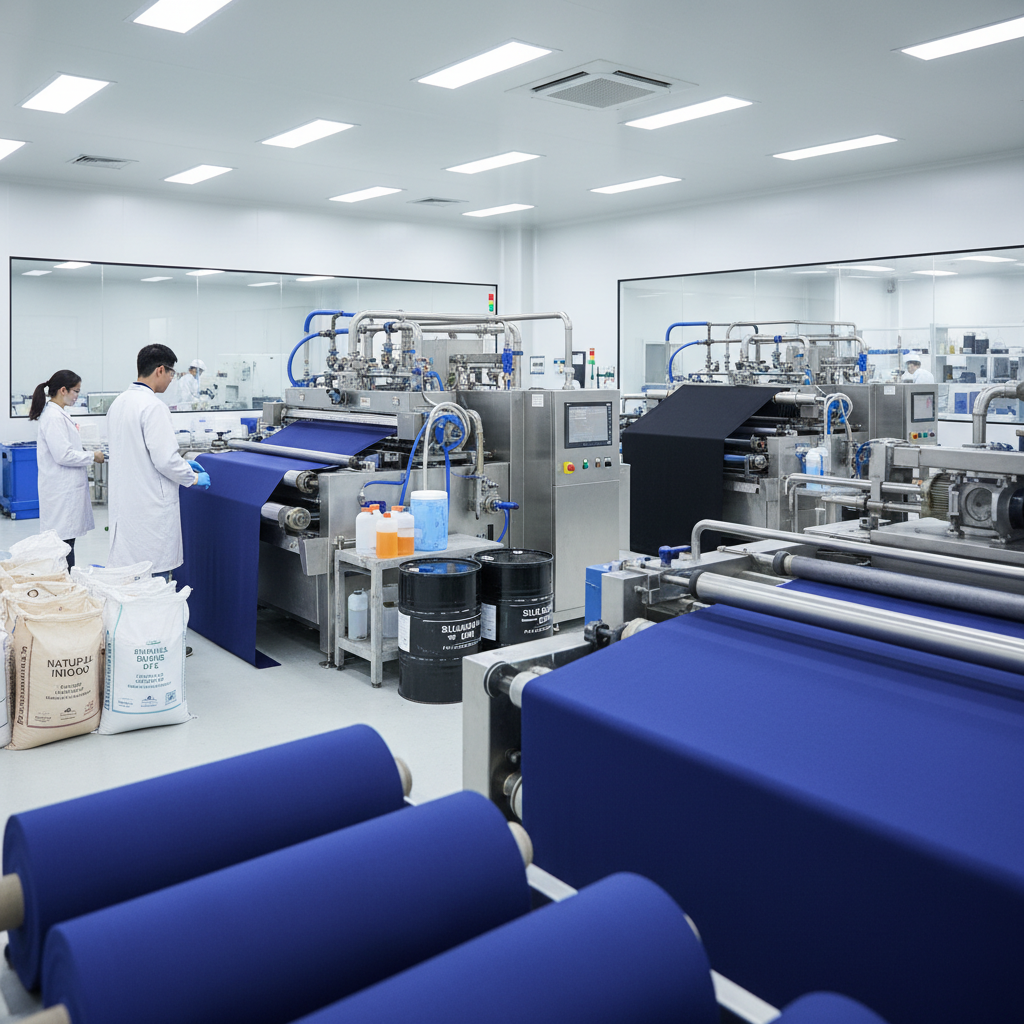
Exploring China Blue Dye Fabric Production Applications and Sustainable Sourcing
China blue dye fabric represents a significant portion of the global textile market, renowned for its vibrant color, versatility, and cost-effectiveness. This article will explore the nuances of this fabric, from its production processes and applications to sourcing options and quality considerations. We will also delve into the evolving trends in sustainable dyeing practices. Whether you’re a fashion designer, manufacturer, or sourcing agent, understanding China blue dye fabric is crucial for success in today’s competitive market. The production of China blue dye fabric primarily involves the dyeing of various textile substrates, such as cotton, polyester, rayon, and blends, using indigo-based dyes. Indigo dyeing has a rich history, and while traditional methods existed, modern processes utilize synthetic indigo for greater consistency and efficiency. The process typically includes pre-treatment of the fabric to ensure optimal dye absorption, followed by dyeing in large vats or continuous dyeing machines.Read more -

Exploring the Rich History and Versatility of China Japanese Indigo Cloth
China Japanese Indigo Cloth, a textile steeped in history and artistry, has gained significant attention in recent years for its unique characteristics and versatility. This cloth isn’t simply a fabric; it’s a testament to a centuries-old tradition, blending Japanese dyeing techniques with Chinese textile production. This article delves into the origins, production, applications, and benefits of this fascinating material, providing insights for designers, manufacturers, and anyone interested in sustainable and high-quality textiles. We'll explore why choosing authentic China Japanese Indigo Cloth from reputable suppliers like Wuxin Group is crucial. The story of indigo cloth begins with the plant itself, Indigofera tinctoria, and its cultivation in Asia for millennia. While Japan perfected unique dyeing methods – particularly aizome – using fermented indigo, China has been a major producer of indigo dye for centuries. The combination of Japanese techniques applied to Chinese-grown indigo and woven fabrics has resulted in “China Japanese Indigo Cloth,” which offers a compelling blend of affordability and quality. Historically, indigo was highly valued, often used for clothing and textiles for royalty and religious ceremonies.Read more -

Exploring the Sulphur Black Dyeing Method for Textile Coloration
Sulphur black dyeing method is a critical process within the textile industry, renowned for its ability to produce deep, consistent black shades on cellulose fibers like cotton. Its global importance stems from the widespread demand for black fabrics in apparel, home textiles, and industrial applications. Understanding this method is vital for ensuring product quality, minimizing environmental impact, and optimizing production efficiency in a constantly evolving market. The textile industry significantly contributes to global economies, with dyeing and finishing processes representing a substantial portion of its environmental footprint. Sulphur black dyeing, while effective, presents unique challenges related to wastewater treatment due to the presence of sulfides and reducing agents. Therefore, ongoing research and development focus on sustainable alternatives and improved effluent management techniques, making knowledge of the process itself and its impacts crucial for industry professionals and policymakers alike. The benefits of mastering the sulphur black dyeing method are multi-faceted. From achieving precise color control and cost-effectiveness to adhering to stringent environmental regulations, a thorough understanding of the process empowers textile manufacturers to produce high-quality, sustainable products that meet the demands of a global market increasingly focused on responsible sourcing and production practices.Read more