

News
-

Exploring the History and Sustainable Applications of Chinese Indigo Plant
The chinese indigo plant, Indigofera tinctoria, holds a significant place in the history of textiles and dyeing, originating in Asia and spreading globally through trade and cultivation. Its rich blue dye, historically known as "true blue," has been prized for centuries, impacting cultures and economies worldwide. Understanding the chinese indigo plant extends beyond its botanical nature, encompassing its cultural importance, economic impact, and potential for sustainable practices in modern industries. The global relevance of chinese indigo plant lies in its historical influence on the textile industry, particularly in the creation of denim and other indigo-dyed fabrics. According to the Food and Agriculture Organization of the United Nations (FAO), indigo remains one of the most important natural dyes used worldwide, despite the rise of synthetic alternatives. This demonstrates a continuing demand for natural dyes, fueled by consumer preferences for sustainable and eco-friendly products. A key challenge addressed by understanding the chinese indigo plant is the environmental impact of synthetic indigo production.Read more -

Exploring the Rich History and Sustainable Applications of Indigo Yarn
Indigo yarn, derived from the indigo plant, holds a significant place in textile history and continues to be relevant in modern industries. Its rich, deep blue hue has been prized for centuries, originating in ancient civilizations and evolving through various dyeing techniques. Understanding the properties and applications of indigo yarn is crucial for designers, manufacturers, and consumers alike, offering a sustainable and versatile material for a wide range of products. Globally, the demand for naturally dyed textiles, including those using indigo, is increasing, driven by a growing awareness of environmental sustainability and ethical production practices. The indigo industry, however, faces challenges related to water consumption and the use of reducing agents in traditional dyeing processes. Innovative approaches are being developed to address these concerns, ensuring the continued viability of this ancient craft.Read more -

The Captivating Allure of Light Indigo Color in Design and Beyond
The allure of light indigo color extends beyond mere aesthetics, impacting industries from textiles and design to psychology and even technology. Its subtle yet captivating presence evokes feelings of calmness, creativity, and trustworthiness, making it a powerful tool for branding and emotional resonance. Understanding the nuances of light indigo color – its shades, origins, and applications – is increasingly vital in a world saturated with visual stimuli, allowing professionals and individuals alike to leverage its potential effectively. Globally, the demand for carefully curated color palettes is rising, driven by consumer preferences and the increasing sophistication of marketing strategies. Light indigo color, with its versatility and positive associations, consistently ranks among the most popular choices for brands aiming to establish a modern and approachable image.Read more -
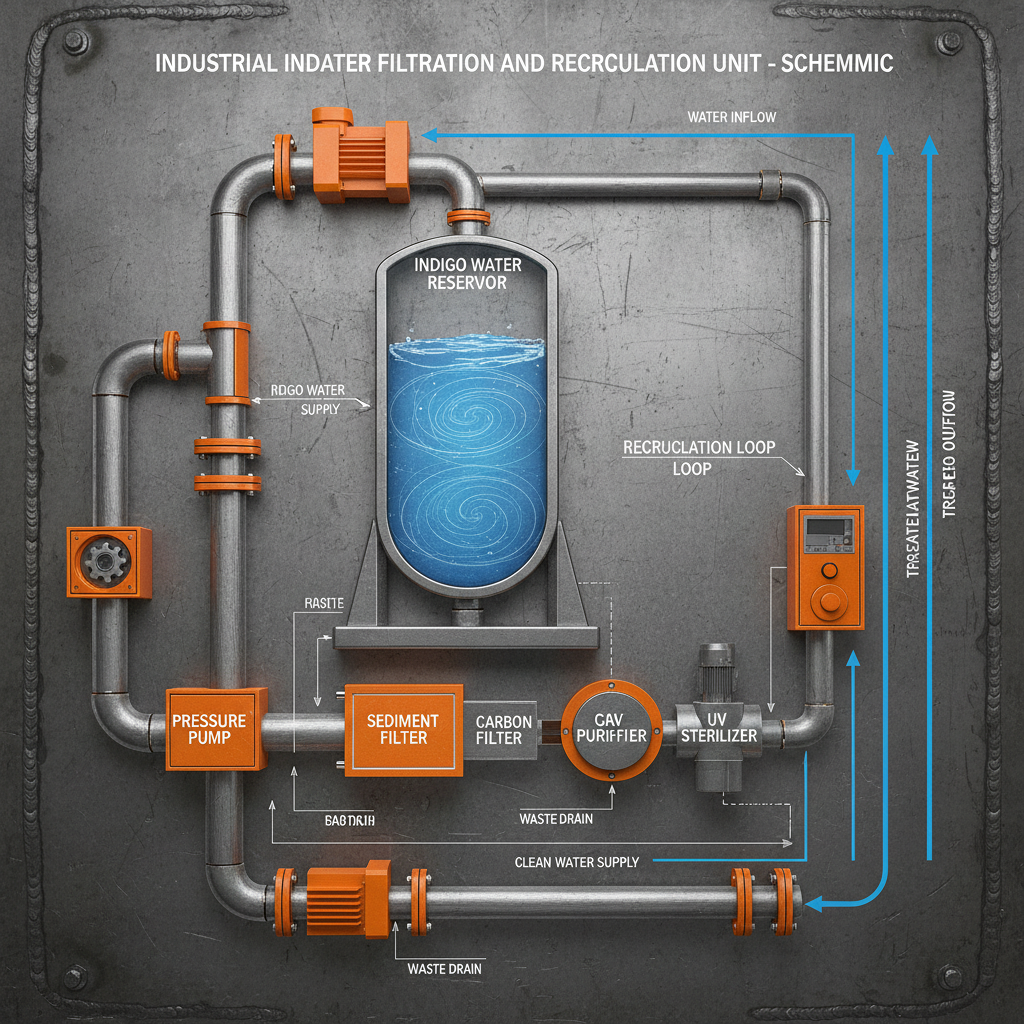
Revolutionizing Water Management with Sustainable Indigo Water Solutions
indigo water represents a paradigm shift in sustainable water management, addressing global challenges of water scarcity and pollution with innovative, eco-friendly solutions. Its core principle lies in leveraging natural processes to purify and revitalize water sources, offering a viable alternative to conventional, energy-intensive methods. Understanding indigo water is crucial for fostering a future where clean, accessible water is a reality for all. The escalating global water crisis demands immediate attention. According to the UN, over 2 billion people lack access to safely managed drinking water services (UNICEF/WHO, 2021). Indigo water technologies offer a decentralized, cost-effective approach to water purification, particularly beneficial for underserved communities and regions facing acute water stress.Read more -

Exploring the Versatility and Impact of light indigo Solutions
light indigo is a captivating hue, often associated with creativity, intuition, and tranquility. Its presence extends far beyond aesthetics, influencing fields from design and psychology to emerging technologies and sustainable solutions. Understanding the nuances of light indigo – its properties, applications, and potential – is increasingly vital in a world seeking both innovation and mindful harmony. This understanding drives progress and opens new avenues for problem-solving across numerous sectors. Globally, the demand for solutions that embody the qualities of light indigo – adaptability, resourcefulness, and a forward-thinking approach – is escalating. From rapidly deploying disaster relief infrastructure to fostering collaborative workspaces, the need for elegant and effective solutions is paramount. The United Nations Sustainable Development Goals (SDGs) highlight the urgency of addressing global challenges, and light indigo-inspired methodologies offer a unique lens through which to approach these complex issues.Read more -

Exploring the Versatile Applications of Black Sulphur in Industry and Sustainability
Black sulphur, while often associated with volcanic activity and industrial processes, represents a crucial element in diverse applications ranging from soil enrichment in agriculture to advanced material science. Its unique chemical properties and relatively low cost make it an increasingly valuable resource globally, particularly as sustainable practices gain prominence. Understanding black sulphur isn’t merely a scientific pursuit; it’s about unlocking potential solutions for challenges in industries and communities worldwide. The global demand for sulphur, including black sulphur, is intrinsically linked to fertilizer production, a cornerstone of modern agriculture. According to the World Bank, fertilizer consumption is a key indicator of agricultural productivity and food security. However, the extraction and processing of sulphur often involve environmental concerns.Read more -

Exploring the Rich History and Sustainable Future of Indigo Cotton Yarn
Indigo cotton yarn, prized for its rich, deep hues, has a long and storied history, interwoven with cultures across the globe. From ancient civilizations utilizing natural indigo sources to modern innovations in dye production and fiber technology, this material remains a cornerstone of the textile industry. Understanding its nuances—from cultivation to coloration—is crucial for designers, manufacturers, and consumers alike seeking sustainable and vibrant textiles. The global demand for indigo cotton yarn is significant, driven by the enduring popularity of denim and other indigo-dyed garments. According to the UN Comtrade database, international trade in cotton yarn (including indigo-dyed varieties) reached billions of dollars annually. However, traditional indigo production methods often present environmental challenges. Innovations in synthetic indigo dyes and sustainable farming practices are increasingly vital to address these concerns and ensure a responsible supply chain. This exploration delves into the intricacies of indigo cotton yarn, examining its key characteristics, diverse applications, emerging trends, and the ongoing quest for a more environmentally and socially responsible production process.Read more -

Exploring the Significance and Innovation of Indigo Denim Yarn Globally
Indigo denim yarn represents a cornerstone of the modern textile industry, globally recognized for its durability, aesthetic qualities, and versatile applications. From workwear staples to high-fashion garments, its impact on clothing and design is undeniable. Understanding the nuances of indigo denim yarn—its production, properties, and emerging innovations—is crucial for manufacturers, designers, and consumers alike, enabling informed choices and sustainable practices within the textile supply chain. The global market for denim, and specifically the indigo-dyed varieties, continues to expand, driven by increasing demand and evolving consumer preferences. The significance of indigo denim yarn extends beyond mere aesthetics. It’s a material steeped in history, evolving from its origins as a durable fabric for laborers to its current status as a fashion icon. The ongoing challenges of sustainable production, particularly regarding water usage and chemical treatments in the dyeing process, are driving innovation in indigo yarn technology.Read more -
Optimizing Indigo Dyeing with ODM Setting for Superior Textile Results
Indigo dyeing is a time-honored tradition, celebrated for its rich history and stunning blue hues. However, achieving consistent, high-quality indigo dyeing can be complex. Many brands are turning to ODM (Original Design Manufacturing) partners to streamline their production and ensure exceptional results. This article delves into the process of ODM setting indigo dye, exploring its benefits, key considerations, and how Wuxin Group can help you bring your indigo-dyed products to life. Understanding these nuances is vital for brands seeking a competitive edge in the textile market. ODM setting in the context of indigo dyeing encompasses more than simply outsourcing production. It’s a collaborative process where a manufacturer like Wuxin Group takes responsibility for the entire dyeing operation, from sourcing the right indigo and auxiliaries to meticulously controlling the dyeing parameters. This includes vat preparation, dyeing time, temperature, and reduction techniques, ensuring consistent color depth, wash fastness, and overall quality. Rather than providing a finished design, you provide the garment or textile, and the ODM develops the dyeing process to your specifications.Read more -

Exploring the Rich Heritage and Sustainable Future of indigo dyed cotton yarn
Indigo dyed cotton yarn holds a significant place in the global textile industry, admired for its rich color, historical importance, and sustainable properties. The demand for naturally dyed textiles is growing, driven by increasing consumer awareness regarding environmentally friendly practices and a desire for unique, artisan-crafted goods. Understanding the nuances of indigo dyeing—from the source of the indigo to the techniques employed—is crucial for both producers and consumers seeking authentic, high-quality products. Historically, indigo was a valuable commodity, shaping trade routes and influencing cultural practices worldwide. Today, it continues to be relevant, offering a compelling alternative to synthetic dyes, which often carry environmental concerns. The resurgence of interest in indigo dyed cotton yarn is fueled by the fashion industry's move toward sustainable sourcing and ethical production methods. Furthermore, the versatility of indigo dyed cotton yarn extends beyond fashion. It's used in home textiles, crafts, and even specialized industrial applications where colorfastness and natural fibers are paramount.Read more -
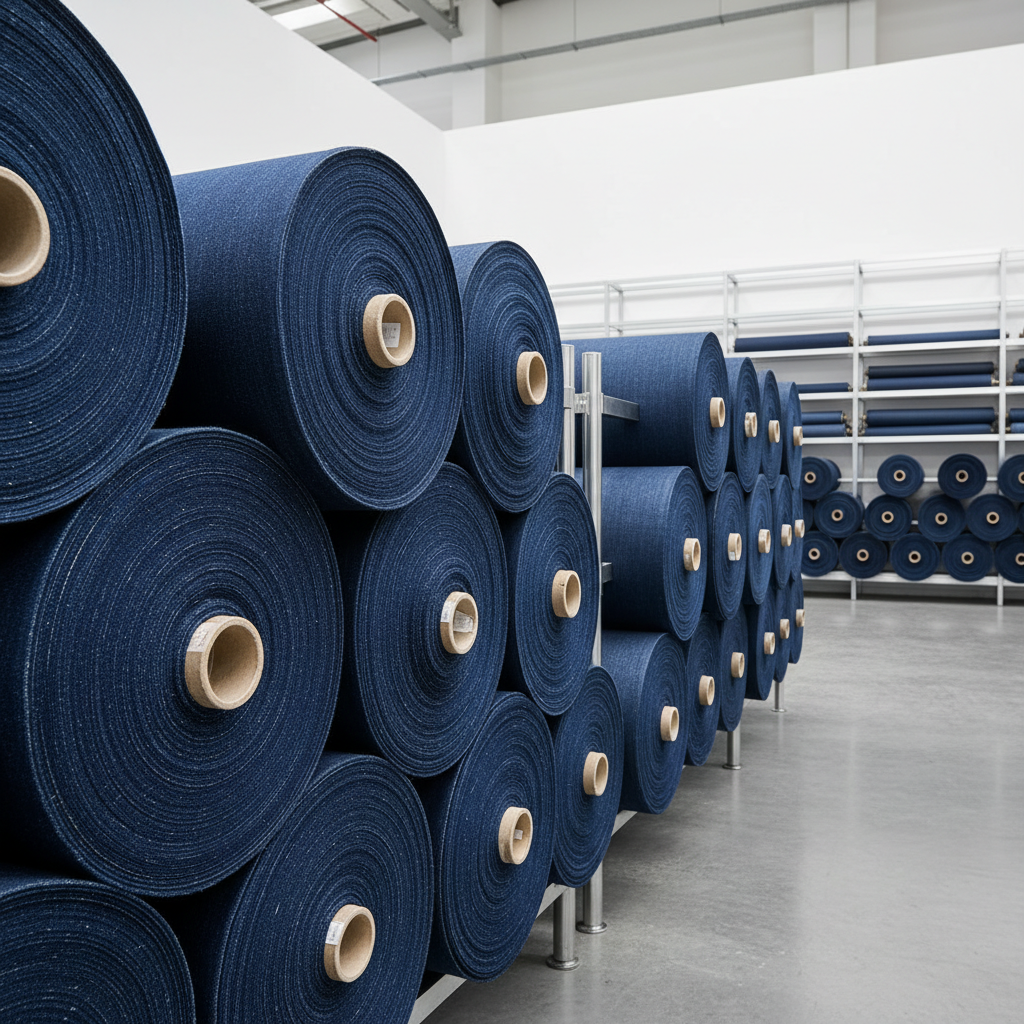
Exploring the Sustainable Future of Natural Indigo Denim Production and Applications
Natural indigo denim represents a fascinating intersection of historical textile practices and modern sustainable manufacturing. For centuries, indigo has been prized for its rich, deep hues, but the synthetic production of indigo has carried significant environmental consequences. The resurgence of natural indigo denim offers a compelling alternative, promising not just aesthetic appeal, but also a reduced ecological footprint and support for traditional artisan communities. This exploration delves into the nuances of natural indigo denim, its processes, applications, and future potential. The global demand for denim remains incredibly high, with billions of meters produced annually. However, conventional indigo dyeing is a water-intensive and chemically-polluting process. The shift towards natural indigo addresses these issues, aligning with growing consumer awareness and demand for ethically produced goods. Organizations like the UN Environment Programme and the World Bank are increasingly emphasizing sustainable textile practices, creating a favorable environment for the adoption of natural indigo denim.Read more -
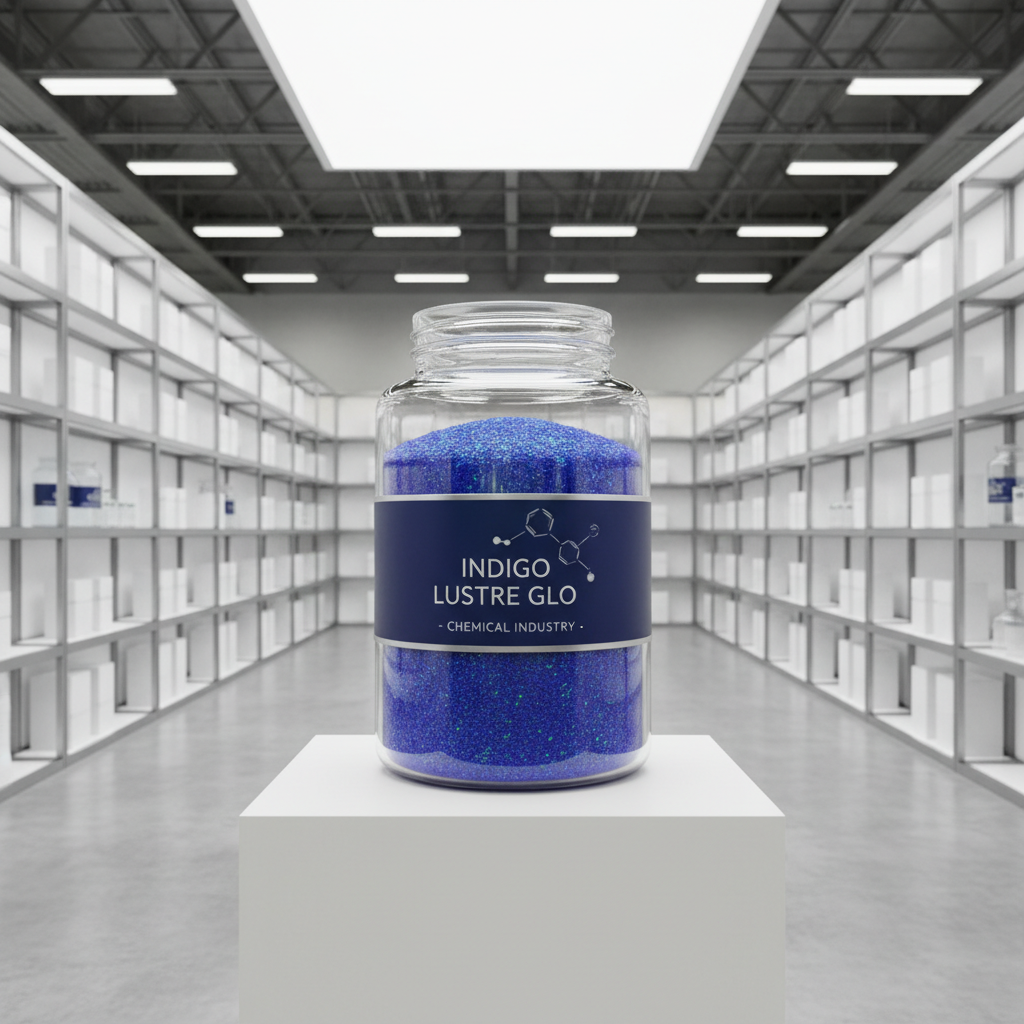
Indigo Lustre Glo Revolutionizing Modern Modular Construction
Indigo lustre glo represents a paradigm shift in modern modular construction, offering rapid deployment solutions for a variety of needs, from disaster relief to affordable housing. Its innovative design prioritizes sustainability, efficiency, and adaptability, making it a key component in addressing global housing challenges. Understanding the principles behind indigo lustre glo is crucial for architects, engineers, humanitarian organizations, and policymakers seeking to build a more resilient and equitable future. The global demand for accessible and sustainable housing is increasing exponentially, driven by factors like population growth, urbanization, and climate change. Traditional construction methods often fall short in meeting these demands, proving to be slow, costly, and environmentally damaging.Read more