

Exploring the Elegance of China Deep Indigo Color in Textiles
Exploring the Elegance of China Deep Indigo Color in Modern Textiles
In the world of high-end fashion and industrial design, few hues possess the timeless allure and cultural depth of china deep indigo color. This rich, saturated shade of blue is more than just a pigment; it is a bridge between ancient craftsmanship and contemporary luxury. From the traditional vat-dyeing techniques of East Asia to the precision of modern synthetic dyes, deep indigo continues to dominate global trends due to its versatility and psychological impact. Whether applied to premium denim, home upholstery, or corporate branding, this color evokes stability, trust, and sophisticated luxury. In this guide, we will analyze why this specific shade remains a cornerstone of the global textile market.
The Cultural Heritage of China Deep Indigo Color
The history of china deep indigo color is deeply intertwined with the agricultural and artistic history of the region. For centuries, indigo plants were cultivated and fermented to create dyes that were not only aesthetically pleasing but also functional, offering natural resistance to insects and wear. This "deep" variant represents the pinnacle of the dyeing process, where fabrics are dipped multiple times to achieve a near-black saturation that retains a vibrant blue soul. Today, this heritage is mirrored in luxury markets where "artisanal" and "heritage" dyes are highly coveted by consumers seeking authenticity and sustainability.
Heritage Insight: Traditional indigo dyeing is a living art. The depth of the color is achieved through oxidation, where the fabric turns from green to deep blue upon contact with oxygen, creating a unique, organic depth that synthetic dyes struggle to replicate perfectly.
Technical Specifications of China Deep Indigo Color
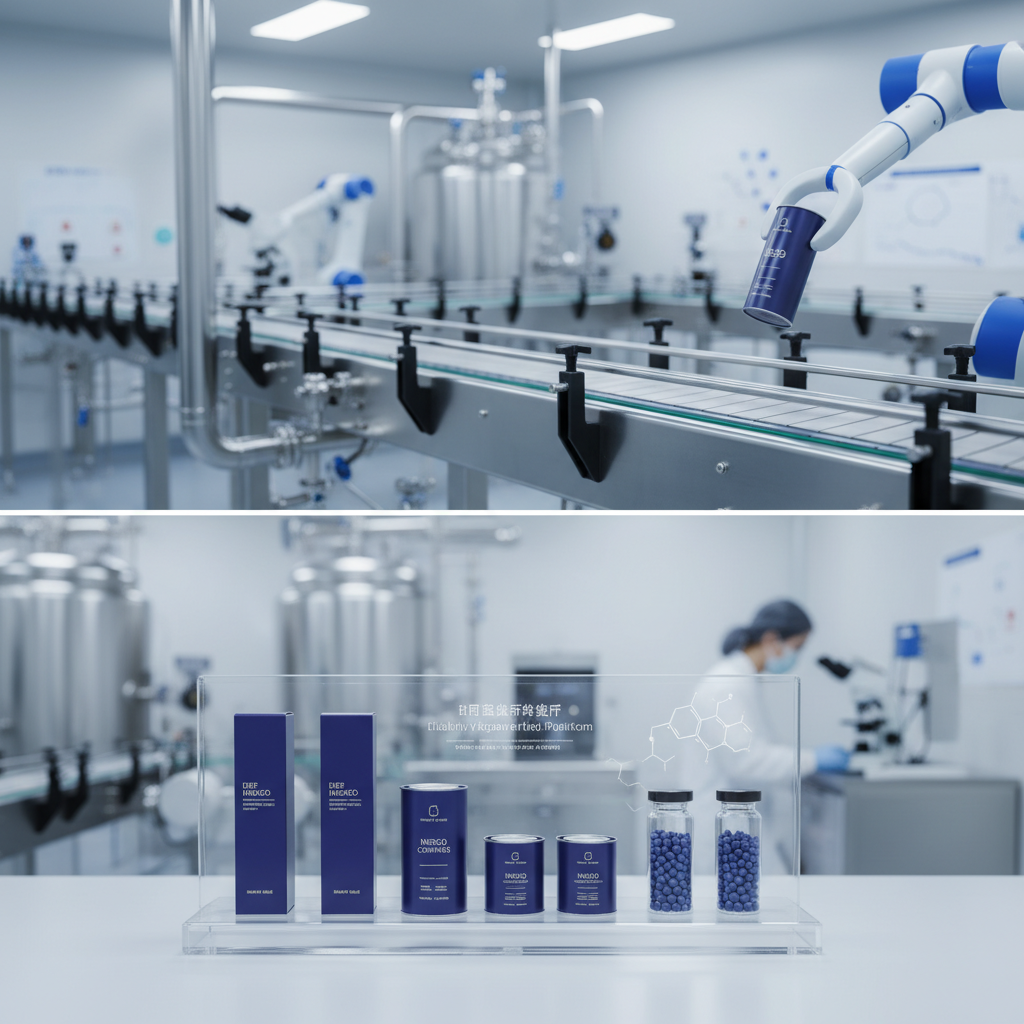
Achieving a consistent china deep indigo color requires precise control over chemical compositions and temperature. In modern industrial production, this is often managed via spectrophotometers to ensure the Delta E (color difference) remains within strict tolerances. The color's performance is measured by its light-fastness and rub-fastness, ensuring that the deep saturation does not fade prematurely. Below is a detailed specification table for industrial-grade deep indigo pigments.
Comparing China Deep Indigo Color to Standard Navy Blue
Many consumers confuse deep indigo with standard navy blue, but from a design perspective, they are distinct. While navy is often seen as a "safe" corporate color, the china deep indigo color possesses a vividness and a slight purple-blue undertone that makes it feel more organic and luxurious. Indigo interacts with light differently, creating "highs" and "lows" in the fabric folds, whereas navy tends to be a flatter, more uniform matte color. This makes indigo the preferred choice for high-fashion garments that require a sense of depth and dimension.
Industrial Applications of China Deep Indigo Color
The application of china deep indigo color extends far beyond simple clothing. In the home decor sector, this color is used to create focal points in living rooms through velvet sofas or heavy drapery, providing a sense of calm and authority. In the automotive industry, deep indigo leather interiors are becoming a trend for luxury EVs, signaling a shift toward "eco-luxury." The key to success in these applications is the balance between the saturation of the blue and the material's texture, ensuring the color doesn't overwhelm the space but rather complements it.
Top Industry Uses:
• Premium Denim: Raw selvedge denim relying on deep saturation.
• Interior Design: High-end upholstery and accent walls.
• Luxury Accessories: Silk scarves and leather handbags.
• Corporate Identity: Branding for trust-based financial services.
The Psychology Behind China Deep Indigo Color
Color psychology plays a pivotal role in why china deep indigo color is so effective. Blue is globally recognized as the color of trust, intelligence, and serenity. When this blue is deepened into an indigo shade, it adds a layer of mystery and sophistication. It is a color that commands respect without being aggressive (unlike red) and is more dynamic than grey. For brands, utilizing this hue suggests a commitment to quality and a deep-rooted understanding of tradition, making it an ideal choice for companies that want to project a reliable yet innovative image.
Conclusion: The Lasting Appeal of Deep Indigo
The china deep indigo color is more than a mere trend; it is a timeless aesthetic choice that balances tradition with modernity. Its ability to adapt across different industries—from the ruggedness of denim to the elegance of luxury interiors—proves its enduring value. By understanding the technical precision and psychological depth of this hue, designers and manufacturers can create products that not only look stunning but also resonate emotionally with the consumer. Embrace the depth of indigo to bring a touch of sophisticated heritage to your next project.
Frequently Asked Questions (FAQs)
How do I maintain the vibrancy of china deep indigo color in fabrics?
Maintaining the richness of deep indigo requires careful washing and drying. Because indigo pigments (especially natural ones) sit on the surface of the fiber, they are prone to "crocking" or rubbing off. It is recommended to wash indigo fabrics inside out in cold water with a pH-neutral detergent. Avoid direct sunlight when drying, as UV rays can break down the pigment molecules and lead to premature fading. For high-end garments, professional dry cleaning or steam cleaning is often the best way to preserve the deep saturation over several years.
What is the difference between synthetic indigo and natural indigo?
Synthetic indigo is chemically identical to natural indigo but is produced in labs for consistency, cost-efficiency, and scale. Natural indigo is derived from plants like Indigofera tinctoria and involves a fermentation process that creates a "living" dye with subtle variations in tone. While synthetic indigo is preferred for mass-market production due to its predictability, natural indigo is highly prized in the luxury and sustainable fashion sectors for its organic quality and lower environmental impact when produced using traditional, closed-loop methods.
Can china deep indigo color be used in minimalist interior design?
Absolutely. In minimalist design, deep indigo serves as a powerful "anchor" color. Rather than filling a room with many colors, a minimalist approach uses a neutral palette (white, beige, light grey) and introduces deep indigo through a single statement piece, such as a lounge chair or a large piece of art. This creates a sophisticated contrast that prevents the space from feeling sterile while maintaining a clean, uncluttered atmosphere. The key is to use the color sparingly but intentionally to draw the eye and create a sense of stability.
Why is this color often associated with luxury and trust?
The association stems from both history and psychology. Historically, deep dyes were expensive and time-consuming to produce, meaning only the elite could afford them. Psychologically, deep blue tones are linked to the ocean and the night sky—vast, eternal, and calm. This translates into a feeling of reliability and professionalism in a business context. When a company uses deep indigo, it subconsciously signals that it is established, knowledgeable, and dependable, which is why it is a staple in the luxury goods and financial sectors globally.
-
Discover High Quality China Jeans Blue Indigo for Global Markets
NewsApr.07,2026
-
Exploring the Rich Tradition of China Natural Indigo Dyed Fabric
NewsApr.04,2026
-
Exploring China Indigo Color in Nature History and Modern Applications
NewsMar.31,2026
-
Discover High Quality China Pure Indigo Powder for Vibrant Natural Dyeing
NewsMar.28,2026
-
Exploring the Rich History of China True Blue Indigo Textiles
NewsMar.26,2026
-
Exploring the Rich Heritage of China Tie Dye with Indigo and Artisanal Techniques
NewsMar.24,2026
-
Exploring China Fabric Indigo A Comprehensive Guide to Sourcing and Applications
NewsMar.21,2026
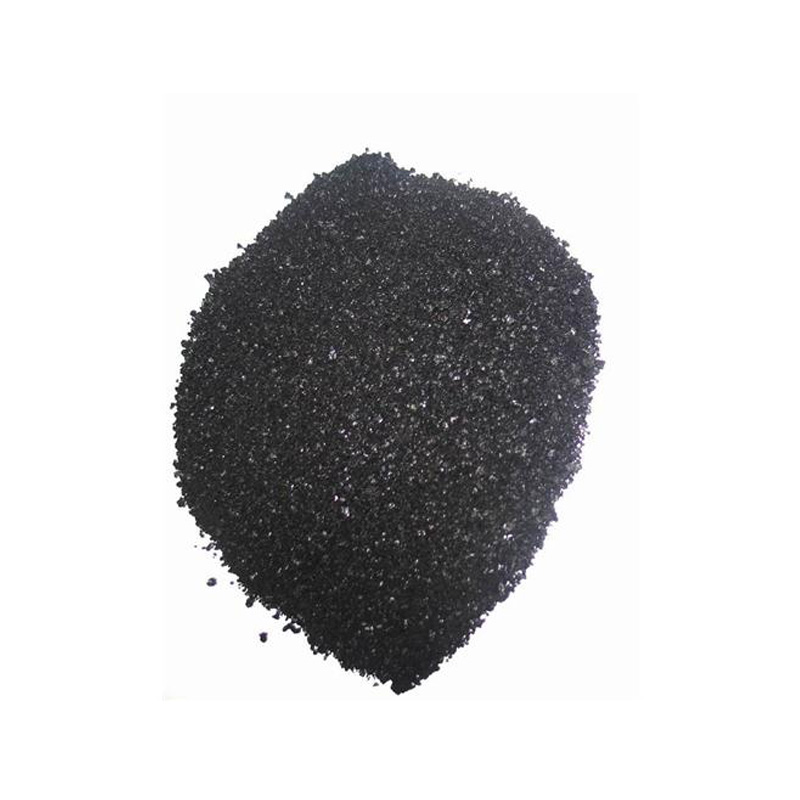
Sulphur Black
1.Name: sulphur black; Sulfur Black; Sulphur Black 1;
2.Structure formula:
3.Molecule formula: C6H4N2O5
4.CAS No.: 1326-82-5
5.HS code: 32041911
6.Product specification:Appearance:black phosphorus flakes; black liquid
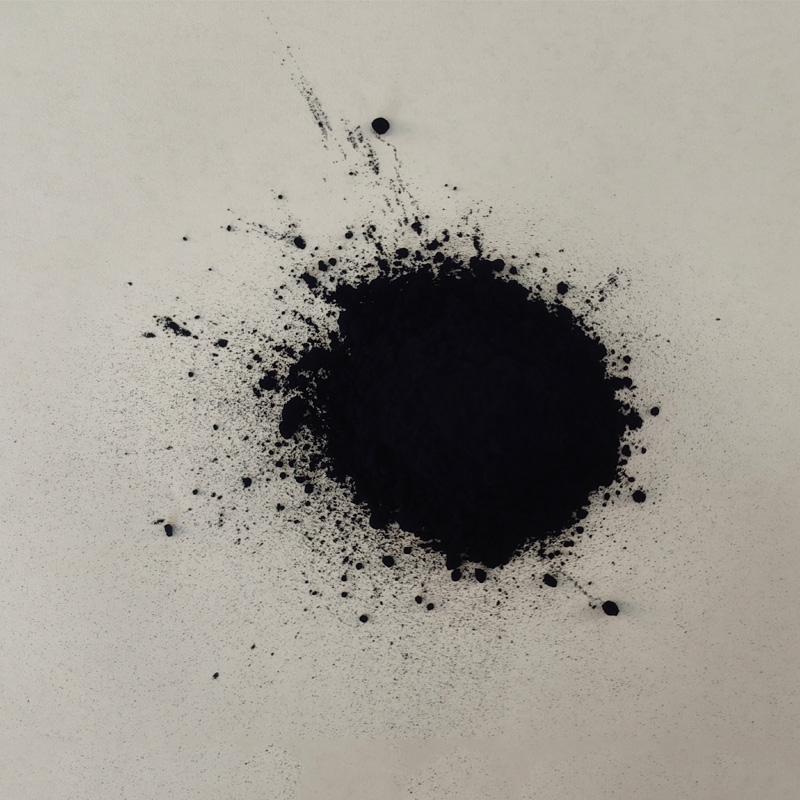
Bromo Indigo; Vat Bromo-Indigo; C.I.Vat Blue 5
1.Name: Bromo indigo; Vat bromo-indigo; C.I.Vat blue 5;
2.Structure formula:
3.Molecule formula: C16H6Br4N2O2
4.CAS No.: 2475-31-2
5.HS code: 3204151000 6.Major usage and instruction: Be mainly used to dye cotton fabrics.
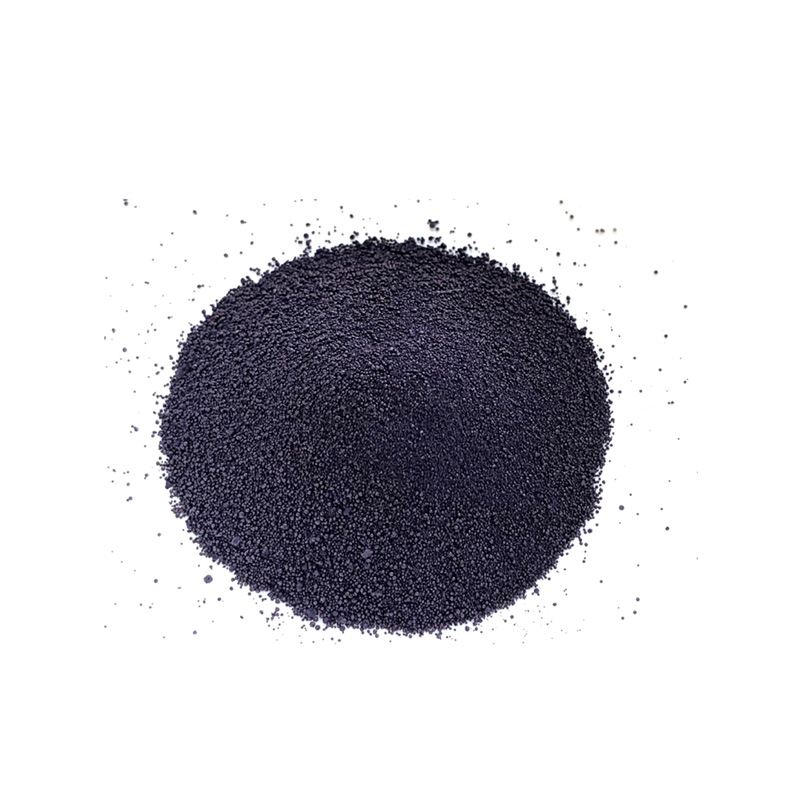
Indigo Blue Vat Blue
1.Name: indigo blue,vat blue 1,
2.Structure formula:
3.Molecule formula: C16H10N2O2
4.. CAS No.: 482-89-3
5.Molecule weight: 262.62
6.HS code: 3204151000
7.Major usage and instruction: Be mainly used to dye cotton fabrics.