

Exploring China Indigo Color in Nature History and Modern Applications
China Indigo Color in Nature: A Deep Dive
For centuries, the vibrant and captivating china indigo color has been highly valued globally. Originating from the Indigofera tinctoria plant, this natural dye holds a rich history and continues to be significant in textile production, art, and traditional crafts. This article will explore the sources of indigo in nature, its historical significance, modern applications, and the sustainable practices surrounding its cultivation and extraction. Discover the fascinating world of natural indigo and its enduring appeal. Wuxin Group specializes in the production and export of high-quality indigo.

The Origins of Indigo: Plant Sources
The primary source of natural indigo is the Indigofera genus, particularly Indigofera tinctoria. However, indigo can also be derived from other plants, though typically in smaller quantities. These include plants like Isatis tinctoria (woad), Persicaria tinctoria (Japanese indigo), and even certain species of Strobilanthes. The concentration of indican – the precursor to indigo – varies between species. Indigofera tinctoria, commonly grown in India, China, and other parts of Asia, provides the highest yield and most consistent color. The plant's leaves contain the indican, which, through a process of fermentation and oxidation, is converted into the insoluble indigo dye.
Key Highlights: Indigo is extracted from various plants, but Indigofera tinctoria is the most significant commercial source due to its high indican content and consistent dye quality.
Historical Significance of China Indigo Color
The use of china indigo color dates back thousands of years. Evidence suggests its use in India as early as 3000 BCE. It spread to ancient Egypt, Greece, and Rome, becoming a highly prized commodity. China also has a long history with indigo, utilizing it for dyeing textiles for centuries, with records indicating its use during the Han Dynasty (206 BCE – 220 CE). Indigo’s value stemmed from its ability to produce a deep, lasting blue, a color often associated with royalty and status. Historically, the trade in indigo was often as lucrative as that of gold and spices.
Historical Importance:
• Used in ancient civilizations (India, Egypt, Greece, Rome)
• Highly valued trade commodity
• Associated with royalty and status
• Significant role in Chinese textile history
Indigo Extraction Methods: Traditional vs. Modern
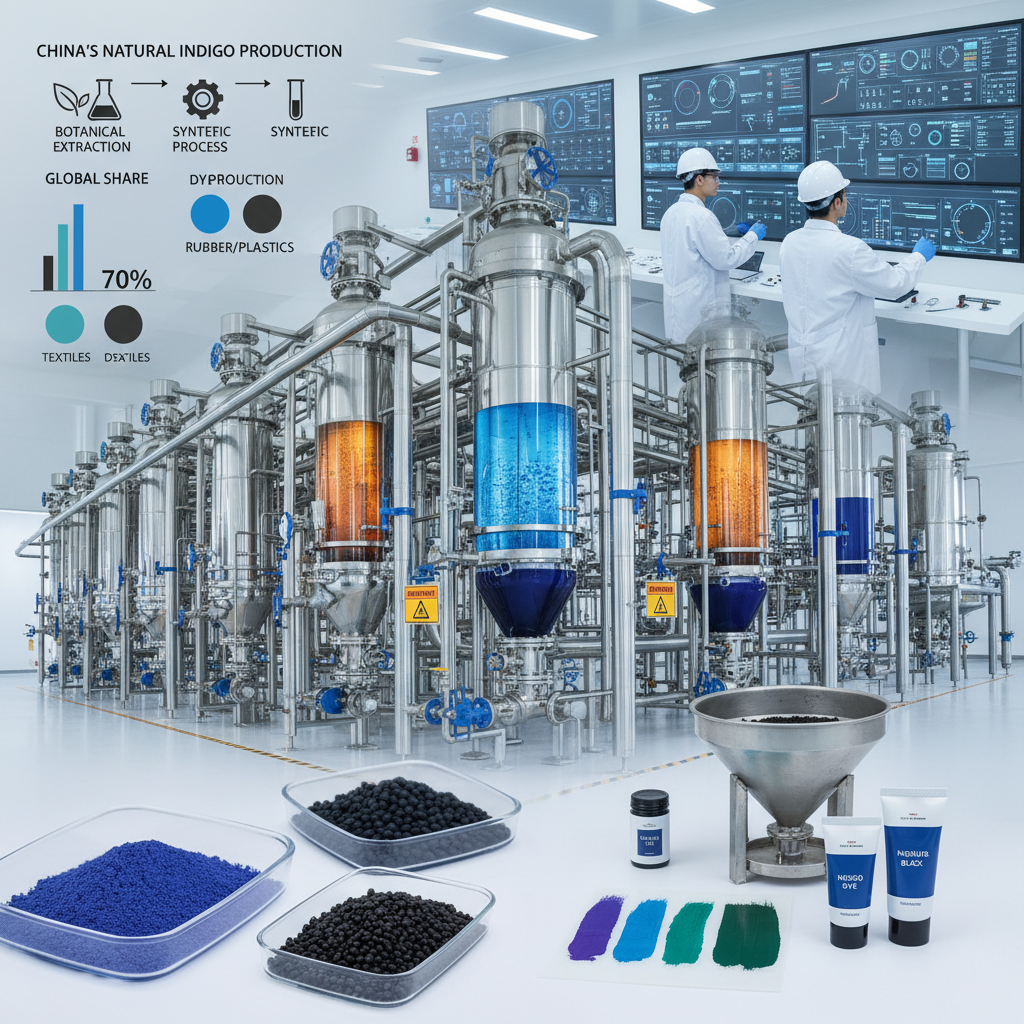
Traditional indigo extraction is a fascinating process involving soaking the leaves in water, allowing them to ferment, and then oxidizing the resulting solution. This oxidation process precipitates the indigo dye, which is then collected and dried into cakes or powder. Modern methods often utilize more controlled fermentation and oxidation processes, sometimes incorporating chemical aids to increase yield and purity. However, there's a growing trend toward organic and sustainable indigo production, prioritizing traditional methods with eco-friendly practices. Wuxin Group is committed to sustainable practices in indigo production.
Applications of Natural Indigo Today
Today, natural china indigo color continues to be highly sought after, primarily in the textile industry for denim, handcrafted textiles, and eco-conscious fashion. It’s also used in art, cosmetics (as a natural coloring agent), and traditional medicine in some cultures. The increasing demand for sustainable and ethically sourced materials has fueled a resurgence in the popularity of natural indigo, with consumers increasingly prioritizing environmentally friendly products.
Sustainable Indigo Farming and Ethical Sourcing
Sustainable indigo farming practices are crucial for mitigating the environmental impact of its cultivation. These include minimizing water usage, avoiding harmful pesticides and fertilizers, and promoting biodiversity. Ethical sourcing ensures fair wages and safe working conditions for indigo farmers and workers. Wuxin Group prioritizes these sustainable and ethical practices in its indigo supply chain, offering customers a responsible and high-quality product.
Conclusion: The Enduring Legacy of Indigo
The story of china indigo color is a testament to the enduring power of natural dyes. From its ancient origins to its modern applications, indigo continues to captivate and inspire. By supporting sustainable and ethical indigo production, we can ensure that this vibrant color continues to enrich our world for generations to come.
Frequently Asked Questions (FAQs)
What makes natural indigo different from synthetic indigo?
Natural indigo is derived from plant sources, offering a softer, more nuanced hue with subtle variations. Synthetic indigo, created through chemical processes, is typically more consistent in color but lacks the depth and complexity of the natural dye. Natural indigo also carries a lower environmental impact, particularly when sourced sustainably. Many consumers prefer natural indigo for its unique character and eco-friendly profile. The shade produced often has a warmer, more alive look compared to the cooler, more uniform shade of synthetic indigo.
Is indigo colorfast?
The colorfastness of indigo depends on the dyeing process and the fabric used. Properly dyed indigo textiles are generally quite colorfast, meaning they resist fading with washing and exposure to light. However, natural indigo can be more prone to fading than synthetic dyes if not applied correctly. Techniques like using mordants (substances that help the dye bind to the fabric) and post-dyeing treatments can significantly improve colorfastness.
Where can I source sustainable indigo dye?
Several companies prioritize sustainable indigo sourcing. Wuxin Group is a trusted supplier of high-quality, sustainably sourced indigo dye. Look for suppliers that are transparent about their sourcing practices, prioritize fair labor standards, and utilize eco-friendly farming methods. Certifications like GOTS (Global Organic Textile Standard) can also indicate a commitment to sustainability.
What are the benefits of using natural indigo for textile dyeing?
Using natural indigo for textile dyeing offers several benefits, including a lower environmental impact compared to synthetic dyes, a unique and beautiful color with subtle variations, and increased appeal to eco-conscious consumers. Natural indigo is also often gentler on the skin, making it suitable for clothing worn directly against the body. Furthermore, supporting natural indigo production can help preserve traditional farming and dyeing practices.
-
Mastering the Art of China Japanese Indigo Dyeing Traditions
NewsApr.16,2026
-
Exploring the Elegance of China Deep Indigo Color in Textiles
NewsApr.09,2026
-
Discover High Quality China Jeans Blue Indigo for Global Markets
NewsApr.07,2026
-
Exploring the Rich Tradition of China Natural Indigo Dyed Fabric
NewsApr.04,2026
-
Discover High Quality China Pure Indigo Powder for Vibrant Natural Dyeing
NewsMar.28,2026
-
Exploring the Rich History of China True Blue Indigo Textiles
NewsMar.26,2026
-
Exploring the Rich Heritage of China Tie Dye with Indigo and Artisanal Techniques
NewsMar.24,2026
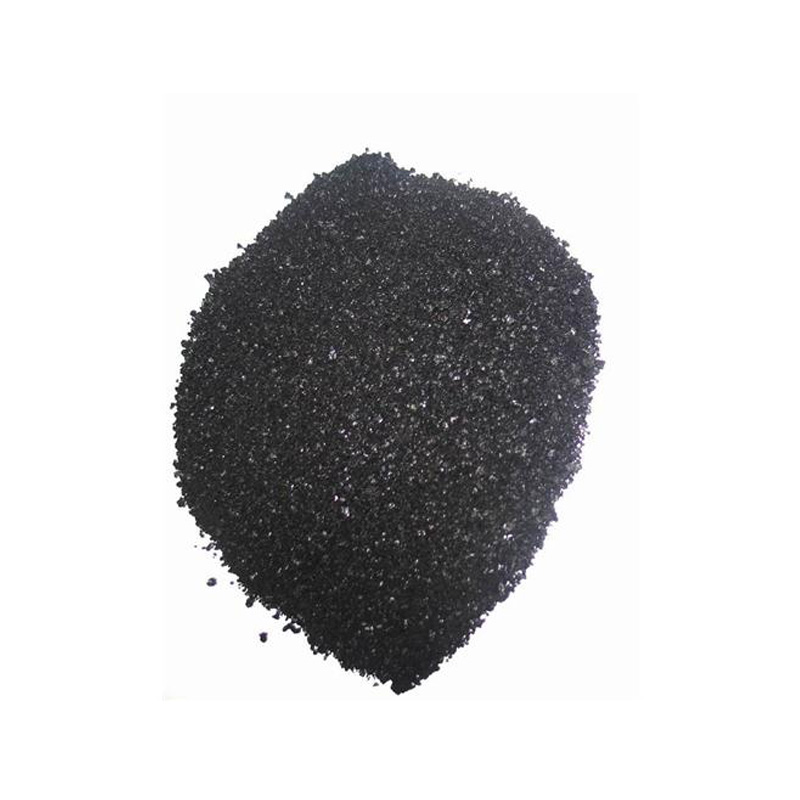
Sulphur Black
1.Name: sulphur black; Sulfur Black; Sulphur Black 1;
2.Structure formula:
3.Molecule formula: C6H4N2O5
4.CAS No.: 1326-82-5
5.HS code: 32041911
6.Product specification:Appearance:black phosphorus flakes; black liquid
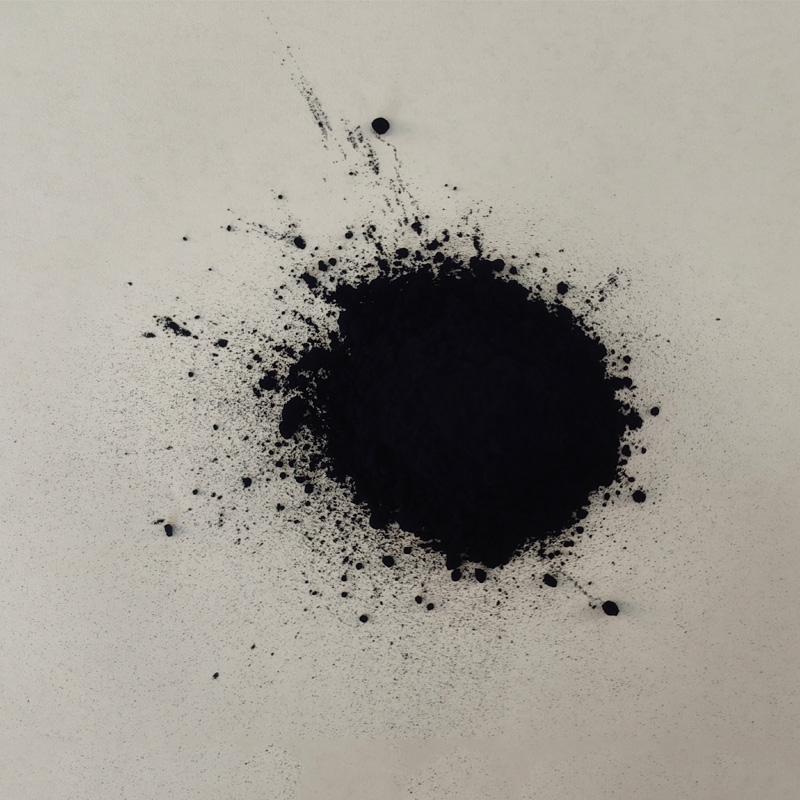
Bromo Indigo; Vat Bromo-Indigo; C.I.Vat Blue 5
1.Name: Bromo indigo; Vat bromo-indigo; C.I.Vat blue 5;
2.Structure formula:
3.Molecule formula: C16H6Br4N2O2
4.CAS No.: 2475-31-2
5.HS code: 3204151000 6.Major usage and instruction: Be mainly used to dye cotton fabrics.
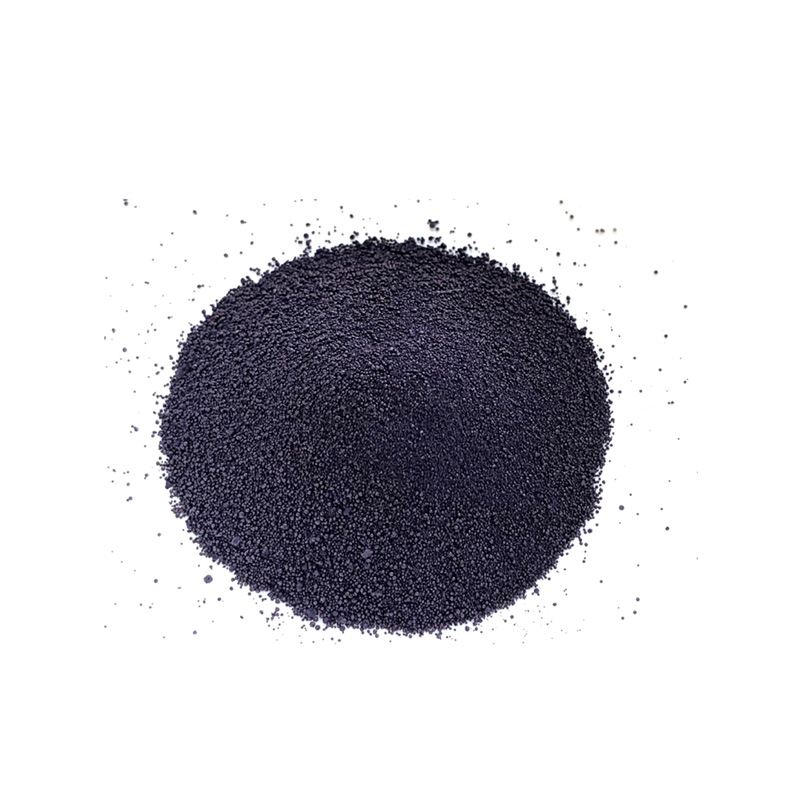
Indigo Blue Vat Blue
1.Name: indigo blue,vat blue 1,
2.Structure formula:
3.Molecule formula: C16H10N2O2
4.. CAS No.: 482-89-3
5.Molecule weight: 262.62
6.HS code: 3204151000
7.Major usage and instruction: Be mainly used to dye cotton fabrics.