

Exploring the Rich History of China True Blue Indigo Textiles
Exploring the World of China True Blue Indigo
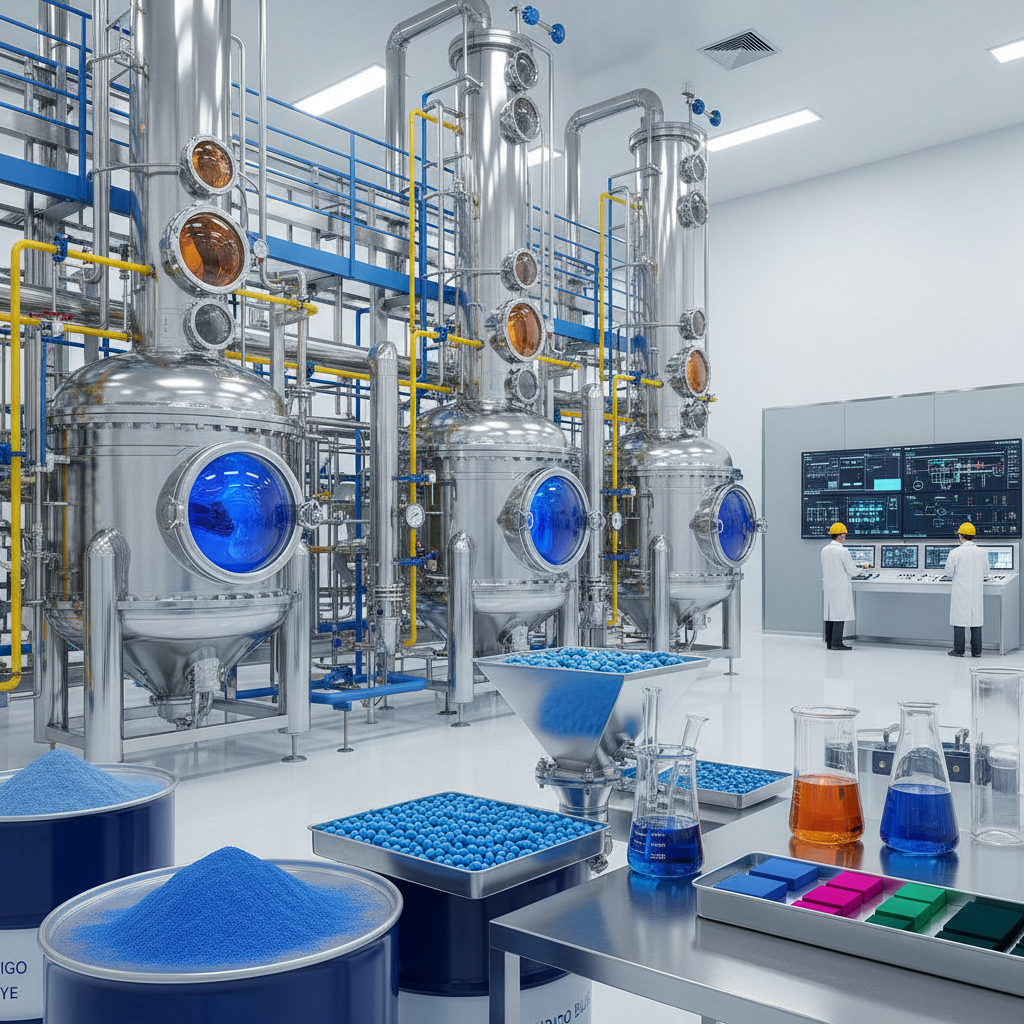
The rich history and vibrant color of China True Blue Indigo is captivating. For centuries, this unique shade has been integral to Chinese culture, particularly in textiles and traditional garments. It’s more than just a color; it represents artistry, heritage, and a deep connection to natural dyeing techniques. This article delves into the origins, production, applications, and modern relevance of China True Blue Indigo, examining what makes it so special within the global textile industry. Understanding this dye provides insight into a tradition deeply rooted in craftsmanship and sustainable practices.
The Historical Roots of China True Blue Indigo
The story of China True Blue Indigo begins with the indigo plant itself (Indigofera tinctoria). Cultivated in China for over 2,000 years, the plant’s leaves are the source of the dye. Traditionally, the process was incredibly labor-intensive, involving fermentation, oxidation, and repeated dipping to achieve the desired depth of color. This intricate process created a dye renowned for its durability and vibrancy. Indigo dyeing was a closely guarded secret, passed down through generations of artisans. It wasn't merely about applying color, but about mastering a complex chemical process and achieving a consistently beautiful result.
Key Highlights: The traditional indigo dyeing process in China was a meticulous art, requiring specialized knowledge and significant manual labor. The resulting color was prized for its lasting quality and rich hue.
The Traditional Dyeing Process: A Step-by-Step Look
The creation of China True Blue Indigo involved a fascinating series of steps. First, the indigo leaves were soaked in water and allowed to ferment, a process that released the indican precursor to the dye. The fermented liquid was then beaten to create a frothy mixture. This froth was exposed to air, causing oxidation and transforming the indican into insoluble indigo pigment. The fabric was repeatedly dipped into this vat, oxidized, and rinsed. Each dip intensified the color, resulting in the deep, characteristic blue. This process required skill and patience, often taking days to complete a single piece of cloth. Wuxin Group, committed to preserving these traditions, utilizes updated methods while respecting the historical process.
The Steps Involved:
• Fermentation of Indigo Leaves
• Oxidation of Indican
• Repeated Dipping & Oxidation of Fabric
• Rinsing & Drying
China True Blue Indigo vs. Other Indigo Dyes: A Comparative Analysis
While indigo dyes exist globally, China True Blue Indigo holds a unique position. Compared to synthetic indigo or indigo from other regions (like Japan or India), the Chinese variety is often recognized for its specific shade – a cooler, slightly gray-tinged blue. This difference stems from the particular indigo plant varieties grown in China, the traditional fermentation techniques, and even the water source used in the dyeing process. The result is a color that is distinctive and highly sought after by textile artists and designers.
Modern Applications of China True Blue Indigo
Today, China True Blue Indigo continues to be highly valued in diverse applications. From high-fashion denim and artisanal textiles to traditional Chinese clothing and artwork, its versatility is undeniable. There’s a growing movement towards sustainable fashion, driving demand for naturally dyed fabrics. Companies like Wuxin Group are at the forefront of this trend, offering responsibly sourced and traditionally dyed indigo fabrics to a global market.
Sustainability and the Future of Indigo Dyeing
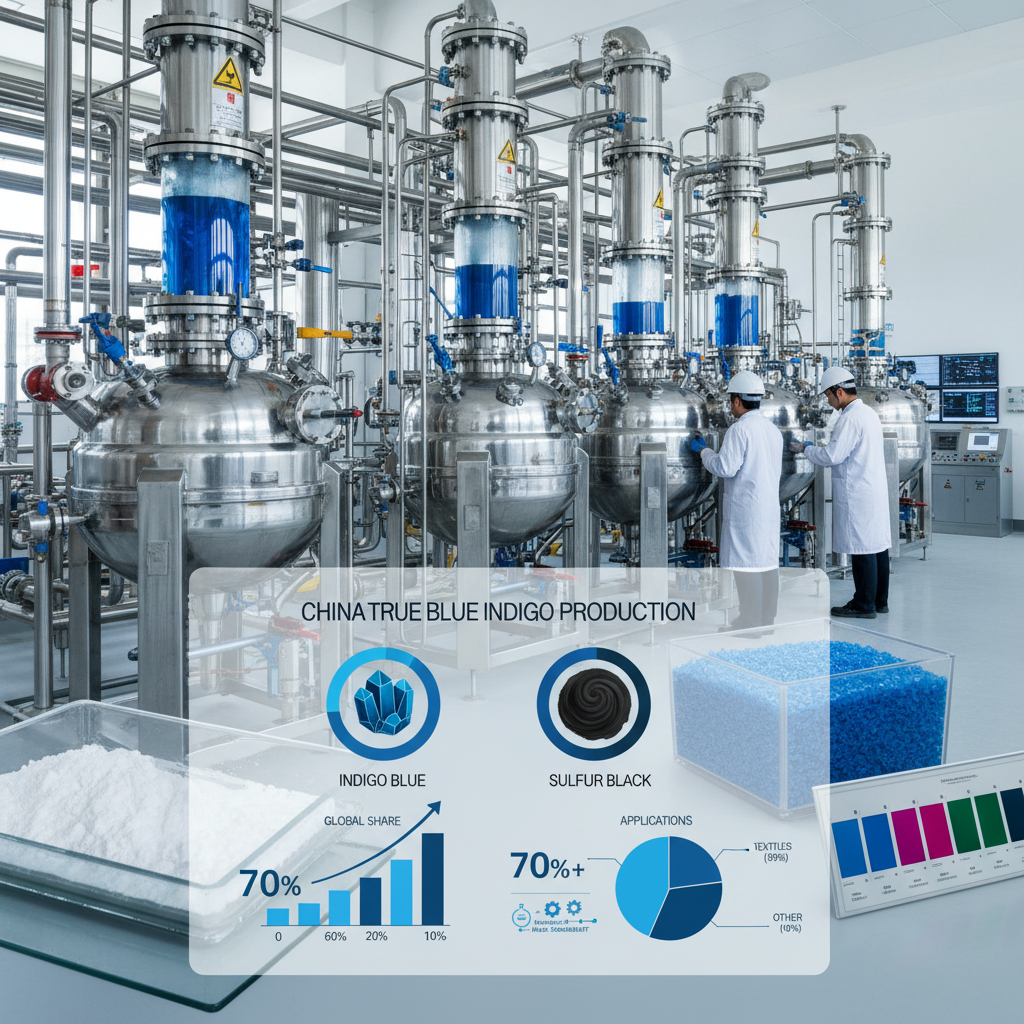
The future of China True Blue Indigo lies in balancing tradition with innovation. Sustainable practices, such as water conservation and organic indigo cultivation, are crucial for preserving this heritage. Modern advancements in dyeing technology aim to reduce water usage and minimize environmental impact while maintaining the authenticity of the color. The demand for eco-friendly textiles is driving a renewed appreciation for natural dyes like China True Blue Indigo, ensuring its continued relevance in the years to come.
Conclusion: A Legacy of Color and Craftsmanship
China True Blue Indigo represents more than just a color; it embodies a rich cultural heritage and a commitment to sustainable practices. Its enduring appeal stems from its unique shade, historical significance, and growing relevance in the modern world. As consumers increasingly prioritize ethical and eco-friendly products, the demand for this timeless dye will undoubtedly continue to thrive.
Frequently Asked Questions (FAQs)
What makes China True Blue Indigo different from other indigo dyes?
The distinctiveness of China True Blue Indigo arises from a confluence of factors. The specific varieties of Indigofera tinctoria cultivated in China contribute to a unique chemical composition. Traditional fermentation techniques, often passed down through generations, and the mineral content of local water sources also play a role. These elements combine to create a cooler, slightly gray-tinged blue that differs subtly but noticeably from indigo dyes produced in other regions, like Japan or India. It's this nuanced shade that makes it highly prized.
Is indigo dyeing an environmentally friendly process?
Traditionally, indigo dyeing is considered more environmentally friendly than synthetic dyeing. The use of natural plant-based dyes reduces reliance on harsh chemicals. However, the traditional process can still consume significant amounts of water. Modern sustainable practices focus on minimizing water usage through techniques like closed-loop systems and alternative fermentation methods. Choosing fabrics dyed with naturally sourced, traditionally processed indigo – like those offered by Wuxin Group – supports environmentally conscious production.
How can I identify authentic China True Blue Indigo?
Identifying authentic China True Blue Indigo can be challenging, but look for a cooler, slightly gray-tinged blue. The color should have depth and variation, rather than appearing completely uniform. Reputable suppliers will be able to provide information about the origin of the indigo and the dyeing process used. Checking for certifications or labels indicating natural dyeing is also helpful. Experience and familiarity with the color are key.
What are the most common applications of indigo-dyed fabrics today?
Today, indigo-dyed fabrics are widely used in denim production, creating the classic blue jeans we all know. They’re also popular in a range of apparel, including shirts, dresses, and jackets. Beyond clothing, indigo-dyed fabrics are used in home textiles, such as bedding and curtains, as well as in artisanal crafts and artwork. The growing trend toward sustainable fashion has increased demand for naturally dyed indigo fabrics across various industries.
-
Mastering the Art of China Japanese Indigo Dyeing Traditions
NewsApr.16,2026
-
Exploring the Elegance of China Deep Indigo Color in Textiles
NewsApr.09,2026
-
Discover High Quality China Jeans Blue Indigo for Global Markets
NewsApr.07,2026
-
Exploring the Rich Tradition of China Natural Indigo Dyed Fabric
NewsApr.04,2026
-
Exploring China Indigo Color in Nature History and Modern Applications
NewsMar.31,2026
-
Discover High Quality China Pure Indigo Powder for Vibrant Natural Dyeing
NewsMar.28,2026
-
Exploring the Rich Heritage of China Tie Dye with Indigo and Artisanal Techniques
NewsMar.24,2026
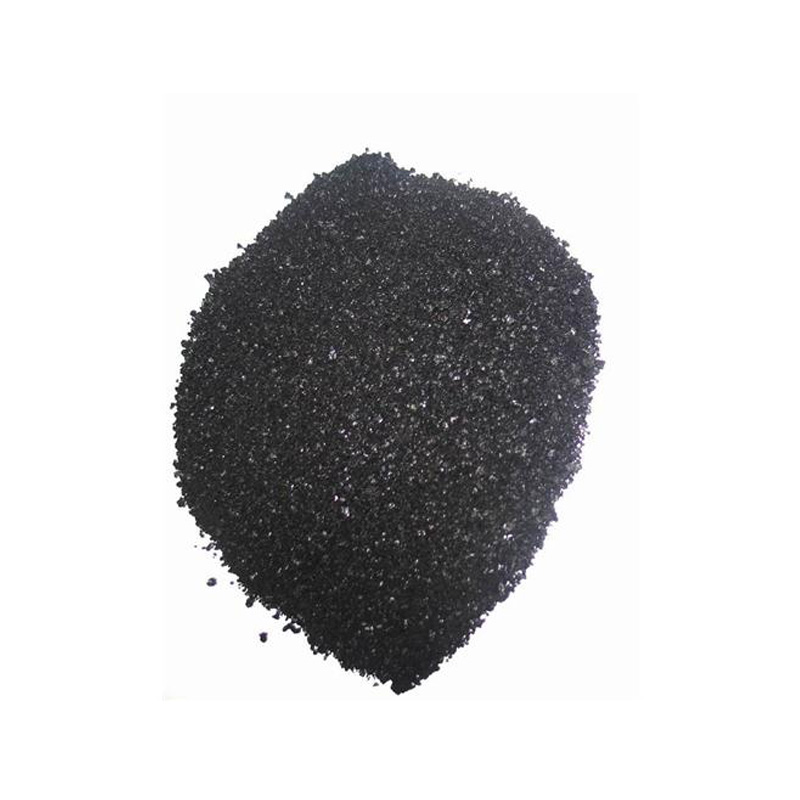
Sulphur Black
1.Name: sulphur black; Sulfur Black; Sulphur Black 1;
2.Structure formula:
3.Molecule formula: C6H4N2O5
4.CAS No.: 1326-82-5
5.HS code: 32041911
6.Product specification:Appearance:black phosphorus flakes; black liquid
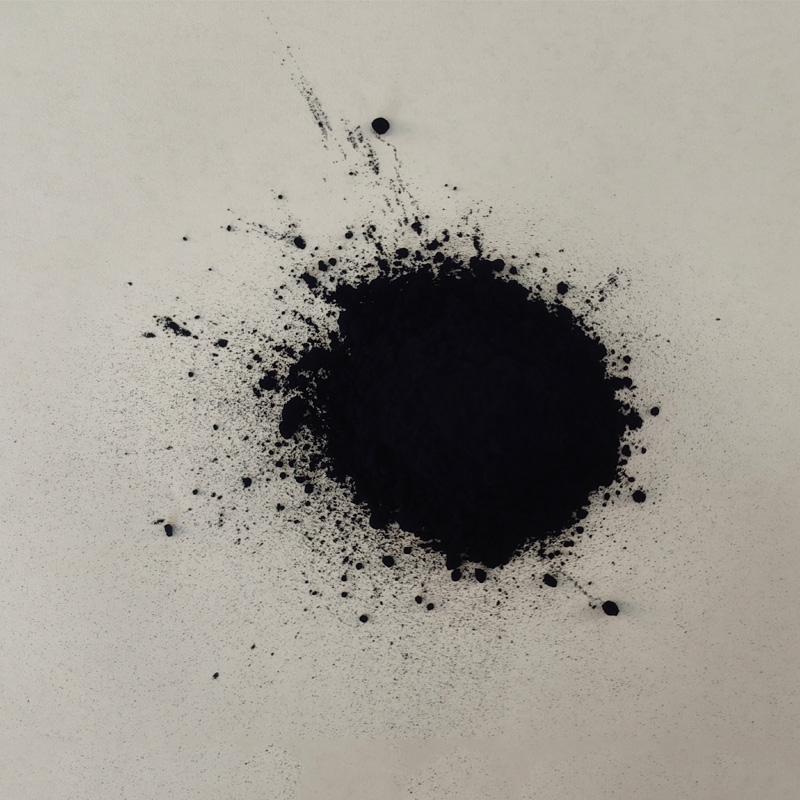
Bromo Indigo; Vat Bromo-Indigo; C.I.Vat Blue 5
1.Name: Bromo indigo; Vat bromo-indigo; C.I.Vat blue 5;
2.Structure formula:
3.Molecule formula: C16H6Br4N2O2
4.CAS No.: 2475-31-2
5.HS code: 3204151000 6.Major usage and instruction: Be mainly used to dye cotton fabrics.
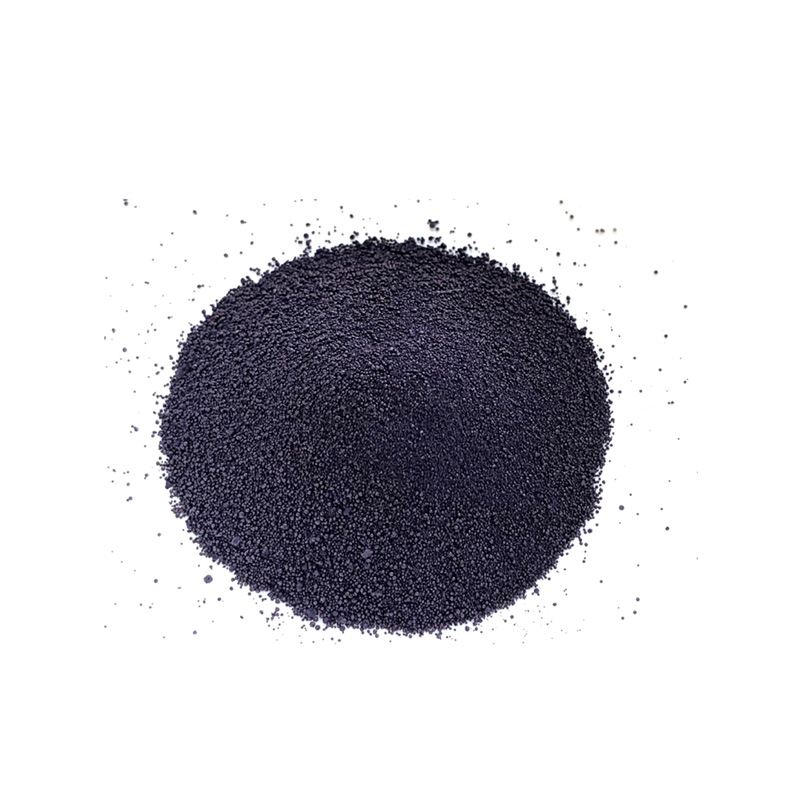
Indigo Blue Vat Blue
1.Name: indigo blue,vat blue 1,
2.Structure formula:
3.Molecule formula: C16H10N2O2
4.. CAS No.: 482-89-3
5.Molecule weight: 262.62
6.HS code: 3204151000
7.Major usage and instruction: Be mainly used to dye cotton fabrics.