

Mastering the Art of China Japanese Indigo Dyeing Traditions
Mastering the Art of China Japanese Indigo Dyeing: A Fusion of Tradition
The allure of deep, soulful blues has captivated artisans for centuries, leading to the refined practice of china japanese indigo dyeing. This ancient craft is more than just a coloring process; it is a spiritual connection between nature and textile. By utilizing the natural fermented leaves of the indigo plant, craftsmen create a living dye vat that breathes and evolves. Whether it is the structured precision of Japanese aesthetics or the vast historical heritage of Chinese textile arts, the synergy of these techniques produces fabrics with unparalleled depth and longevity. In this guide, we will explore the intricate processes, material differences, and the timeless appeal of natural indigo.
The Chemistry Behind Natural Indigo Dyeing
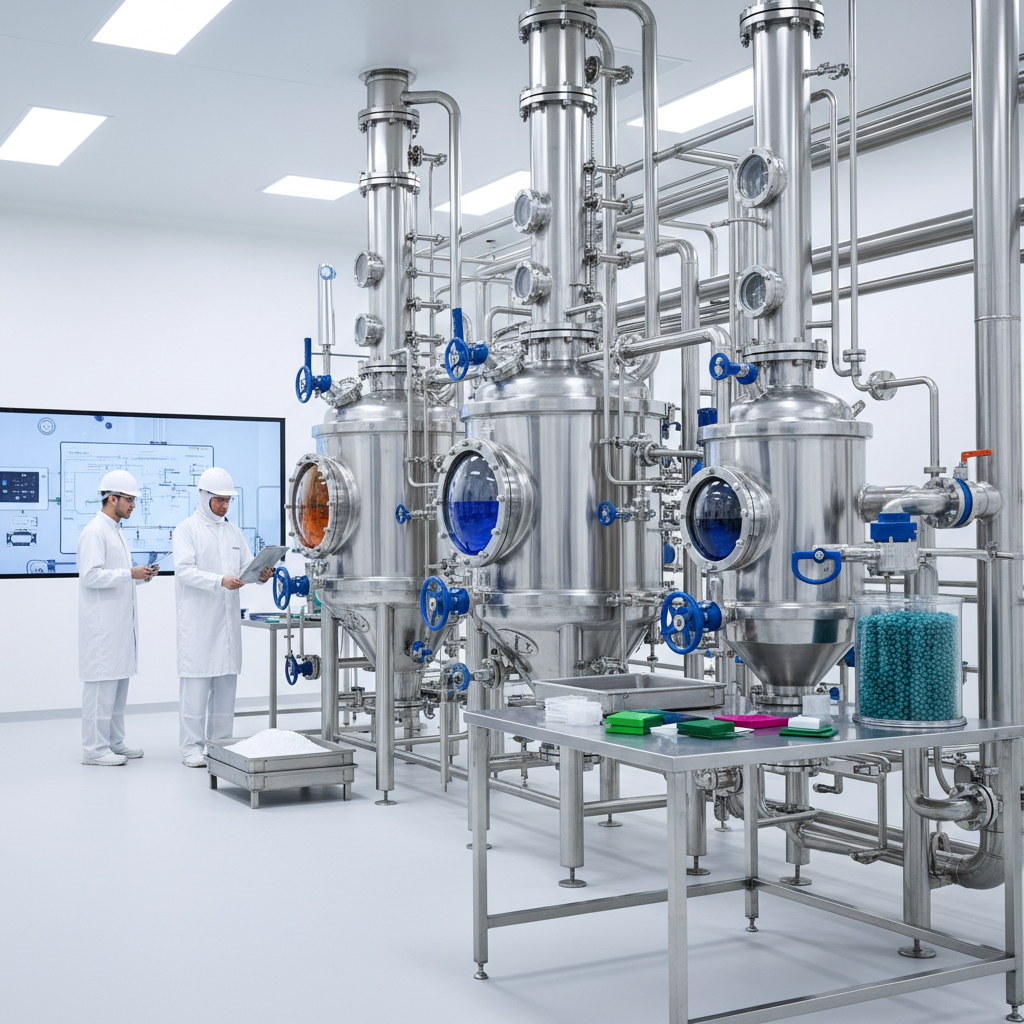
Unlike most dyes, indigo is not water-soluble. The magic of china japanese indigo dyeing lies in the reduction process. To make the pigment adhere to the fabric, the indigo must be converted into a soluble form (leuco-indigo) through fermentation or chemical reduction. When the fabric is lifted from the vat and exposed to oxygen, a chemical reaction occurs—the fabric transforms from a yellowish-green to the iconic deep blue. This oxidation process ensures that the color is locked into the fibers, providing the legendary fade-resistance and unique "aging" quality that collectors cherish.
Expert Tip: The "life" of a dye vat is measured by its pH level and temperature. A healthy vat requires constant monitoring to maintain the delicate balance of bacteria needed for natural fermentation.
Comparative Analysis of China Japanese Indigo Dyeing Techniques
While both cultures share a love for indigo, their approaches vary slightly in application and philosophy. Chinese traditions often emphasize large-scale heritage and diverse pattern applications, whereas Japanese techniques, such as Shibori, focus on meticulous resist-dyeing and the philosophy of Wabi-Sabi (finding beauty in imperfection). Understanding these nuances helps in selecting the right fabric finish for high-end apparel or interior design. The china japanese indigo dyeing approach combines the best of both worlds: efficiency and artistic precision.
Sustainability in China Japanese Indigo Dyeing
In an era of fast fashion and synthetic pollutants, the shift back to china japanese indigo dyeing represents a commitment to the planet. Natural indigo is biodegradable and, when managed correctly, the wastewater can be treated as an organic fertilizer. Unlike synthetic indigo, which relies on harsh chemicals like sodium hydrosulfite, the natural fermentation process uses lime and plant matter. This not only protects the environment but also preserves the health of the artisans working with the fabrics.
Technical Specifications of Indigo-Dyed Fabrics
To appreciate the quality of a finished piece, one must look at the technical specifications. The depth of color is achieved through multiple "dips"—the more times a fabric is immersed in the indigo vat, the darker the final shade. Professional china japanese indigo dyeing focuses on the balance between saturation and fabric softness. Below is a detailed specification table for standard indigo-dyed textiles produced via traditional methods.
How to Care for Indigo-Dyed Textiles
Because natural china japanese indigo dyeing creates a bond that rests primarily on the surface of the fiber, "crocking" (the transfer of color) is common and considered a mark of authenticity. To maintain the garment's beauty, avoid harsh detergents and direct sunlight. Hand washing in cold water with a pH-neutral soap is recommended. Over time, the fabric will develop a personalized patina, reflecting the wearer's life and movement—a process that mimics the natural cycle of the indigo plant itself.
The Future of Natural Dyeing in Global Trade
The global market is witnessing a resurgence of interest in authentic, artisan-made products. The integration of china japanese indigo dyeing into modern supply chains allows brands to offer products that are both luxury and ethical. By bridging the gap between traditional craftsmanship and contemporary design, we can ensure that these ancient skills are not lost to history but are instead evolved for the modern consumer who values transparency and sustainability.
Conclusion: Embracing the Blue Legacy
The practice of china japanese indigo dyeing is more than a technique; it is a testament to human patience and the beauty of the natural world. From the careful fermentation of the vats to the rhythmic dipping of the cloth, every step is a dance with nature. By choosing natural indigo, we support sustainable agriculture and preserve a cultural legacy that spans continents. Whether for high fashion or home textiles, the deep blue of indigo remains a symbol of timeless elegance and ecological responsibility.
Frequently Asked Questions (FAQs)
What is the difference between natural indigo and synthetic indigo?
Natural indigo is derived from plants through a fermentation process, resulting in a "living" color that evolves and fades organically over time. Synthetic indigo is chemically produced in labs; while it is more consistent and cheaper to produce, it lacks the depth, aromatic quality, and environmental sustainability of the natural process. Natural china japanese indigo dyeing provides a unique patina that synthetic dyes simply cannot replicate, making it the preferred choice for luxury artisan textiles.
Why does indigo-dyed fabric rub off on my skin or clothes?
This phenomenon is known as "crocking." Because indigo molecules are relatively large, they sit on the surface of the fibers rather than penetrating deeply into the core. This is a hallmark of authentic natural dyeing. While it may seem like a flaw, enthusiasts of indigo dyeing view this as a beautiful characteristic, as the fabric will fade in areas of high friction, creating a personalized "map" of the wearer's life. To minimize this, you can rinse the garment in cold water with a pinch of salt before the first wear.
Can any fabric be used for China Japanese indigo dyeing?
Indigo binds best to natural cellulose fibers. This means cotton, linen, hemp, and bamboo are ideal candidates. Protein fibers like silk and wool can also be dyed, though they require different vat temperatures and pH levels to avoid damaging the delicate proteins. Synthetic fabrics like polyester or nylon are generally not compatible with traditional china japanese indigo dyeing because they lack the porous structure necessary for the indigo molecules to attach.
How many dips are required to get a dark navy blue?
Achieving a deep, midnight navy typically requires between 8 to 15 dips. The process involves dipping the fabric, allowing it to oxidize in the air (turning from green to blue), and then dipping it again. Each cycle adds a layer of pigment. Doing this in many light layers is far more effective and durable than attempting one long soak. This meticulous process is what defines the quality of high-end indigo textiles and ensures the color has a three-dimensional depth.
-
Exploring the Elegance of China Deep Indigo Color in Textiles
NewsApr.09,2026
-
Discover High Quality China Jeans Blue Indigo for Global Markets
NewsApr.07,2026
-
Exploring the Rich Tradition of China Natural Indigo Dyed Fabric
NewsApr.04,2026
-
Exploring China Indigo Color in Nature History and Modern Applications
NewsMar.31,2026
-
Discover High Quality China Pure Indigo Powder for Vibrant Natural Dyeing
NewsMar.28,2026
-
Exploring the Rich History of China True Blue Indigo Textiles
NewsMar.26,2026
-
Exploring the Rich Heritage of China Tie Dye with Indigo and Artisanal Techniques
NewsMar.24,2026
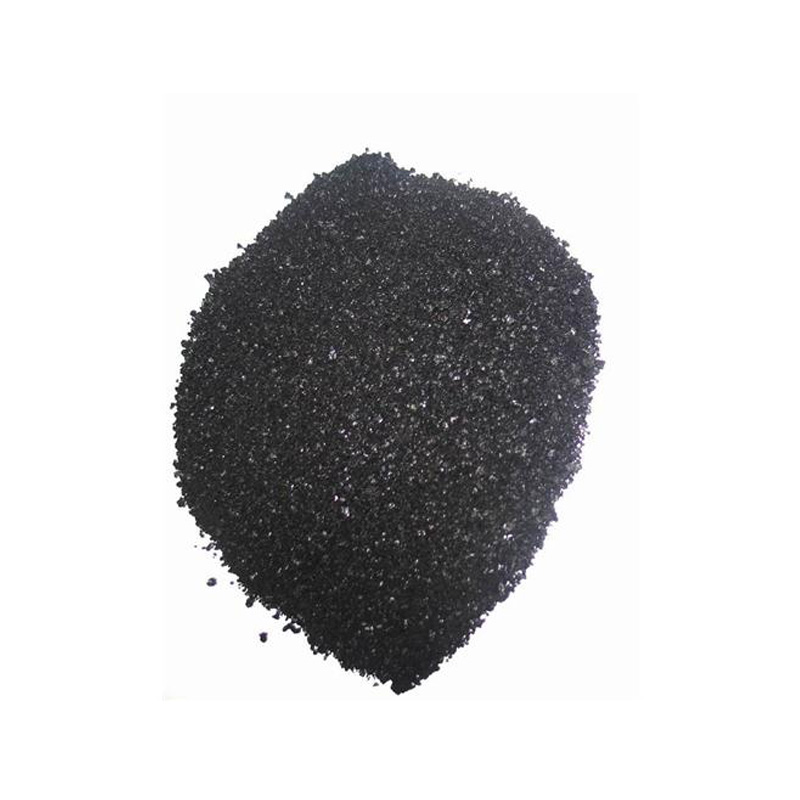
Sulphur Black
1.Name: sulphur black; Sulfur Black; Sulphur Black 1;
2.Structure formula:
3.Molecule formula: C6H4N2O5
4.CAS No.: 1326-82-5
5.HS code: 32041911
6.Product specification:Appearance:black phosphorus flakes; black liquid
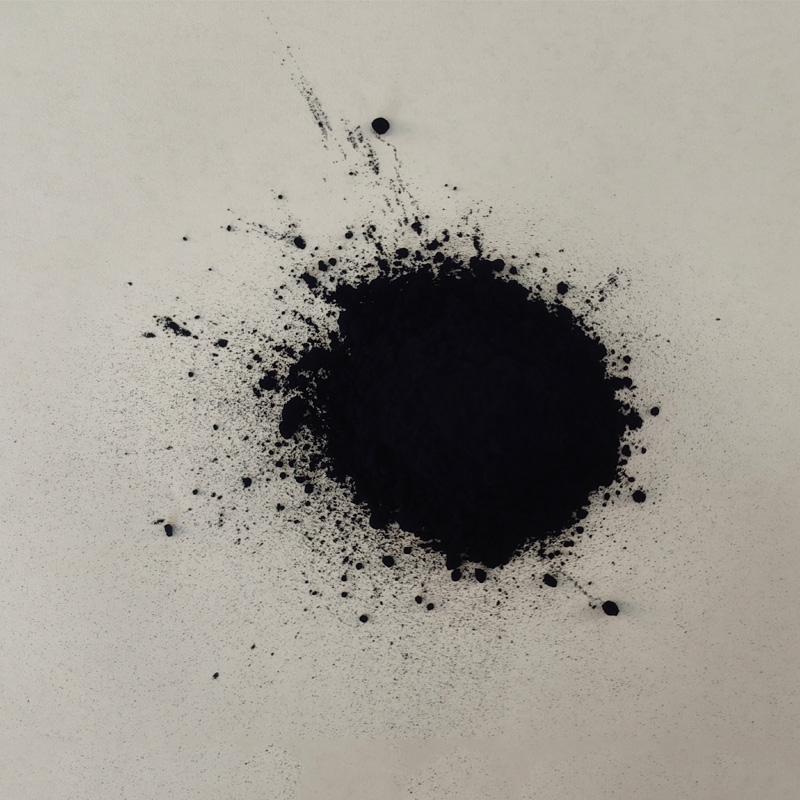
Bromo Indigo; Vat Bromo-Indigo; C.I.Vat Blue 5
1.Name: Bromo indigo; Vat bromo-indigo; C.I.Vat blue 5;
2.Structure formula:
3.Molecule formula: C16H6Br4N2O2
4.CAS No.: 2475-31-2
5.HS code: 3204151000 6.Major usage and instruction: Be mainly used to dye cotton fabrics.
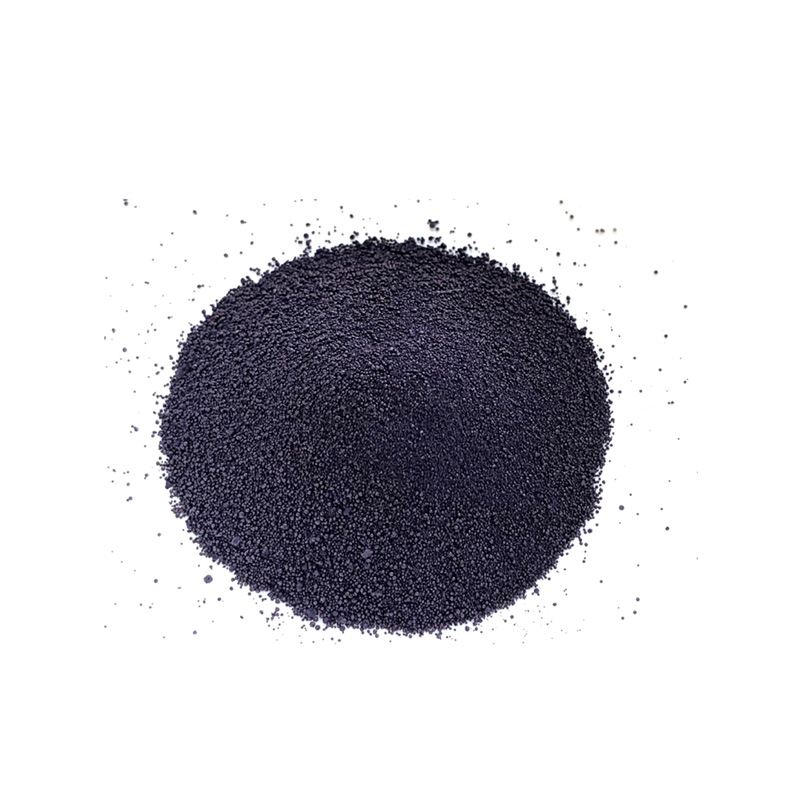
Indigo Blue Vat Blue
1.Name: indigo blue,vat blue 1,
2.Structure formula:
3.Molecule formula: C16H10N2O2
4.. CAS No.: 482-89-3
5.Molecule weight: 262.62
6.HS code: 3204151000
7.Major usage and instruction: Be mainly used to dye cotton fabrics.