

China Synthetic Indigo A Comprehensive Guide for Textile Businesses
China Synthetic Indigo: A Comprehensive Guide
Synthetic indigo, a crucial dye in the textile industry, has seen significant production and export growth from China. This article delves into the production, applications, advantages, and quality standards of China synthetic indigo, offering valuable insights for importers and businesses involved in the textile trade. Understanding the nuances of this product is vital for ensuring quality, sustainability, and cost-effectiveness. From fashion to denim, synthetic indigo plays a key role.
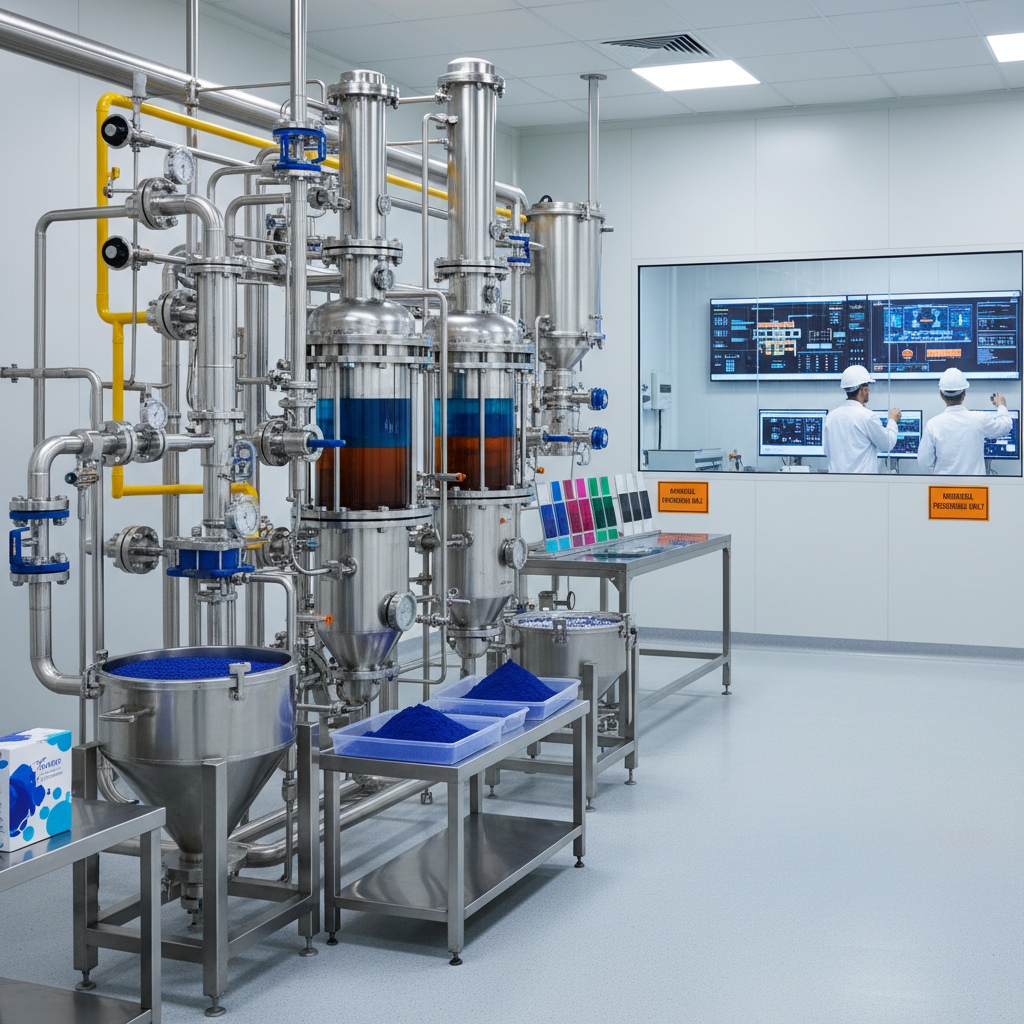
Understanding China’s Role in Synthetic Indigo Production
China has become the dominant force in global synthetic indigo production, accounting for a substantial percentage of the world’s supply. This dominance stems from several factors, including advanced manufacturing capabilities, competitive labor costs, and a robust chemical industry infrastructure. Chinese manufacturers have consistently invested in research and development to improve production efficiency and product quality. As a result, synthetic indigo from China is readily available and competitively priced, making it a preferred choice for textile manufacturers worldwide. The growing demand for denim and other indigo-dyed fabrics further fuels this production boom.
Key Highlights: China’s robust chemical industry and efficient manufacturing processes contribute to its dominance in synthetic indigo production, offering a competitive edge in the global market.
Synthetic Indigo vs. Natural Indigo: A Comparative Analysis
While natural indigo derived from plants like Indigofera tinctoria has historical significance, synthetic indigo offers several advantages in modern textile production. Synthetic indigo provides consistent color quality, higher purity, and greater availability compared to its natural counterpart. Natural indigo production is susceptible to variations in weather and crop yields, leading to fluctuating prices and inconsistent quality. China’s synthetic indigo offers a reliable and cost-effective alternative, making it the preferred choice for mass production and consistent dyeing results. Furthermore, synthetic indigo production can be more environmentally controlled, reducing the ecological impact associated with natural indigo cultivation.
Synthetic vs. Natural Indigo:
• Consistency: Synthetic indigo offers consistent color quality; natural indigo varies.
• Availability: Synthetic indigo is readily available; natural indigo supply fluctuates.
• Purity: Synthetic indigo generally has higher purity levels.
• Cost: Synthetic indigo is typically more cost-effective.
Applications of China Synthetic Indigo
The primary application of synthetic indigo remains the dyeing of denim fabrics. However, its use extends to various other textiles, including cotton, linen, and rayon. Beyond apparel, synthetic indigo is also employed in dyeing yarns, fabrics for home furnishings, and industrial textiles. The versatility of synthetic indigo produced in China allows for a wide range of shades and finishes, meeting the diverse demands of the textile industry. Continuous innovation in dye formulations also expands its applicability to specialized textiles requiring unique color properties.
Quality Control and Standards for China Synthetic Indigo
Ensuring the quality of China synthetic indigo is crucial for textile manufacturers. Reputable suppliers adhere to stringent quality control measures throughout the production process, including raw material sourcing, chemical synthesis, purification, and final product testing. Key quality parameters include color strength, purity, shade consistency, and solubility. International standards such as ISO 9001 and OEKO-TEX Standard 100 are often adopted to demonstrate commitment to quality and environmental responsibility. Proper certification and documentation are essential for verifying the authenticity and compliance of the product.
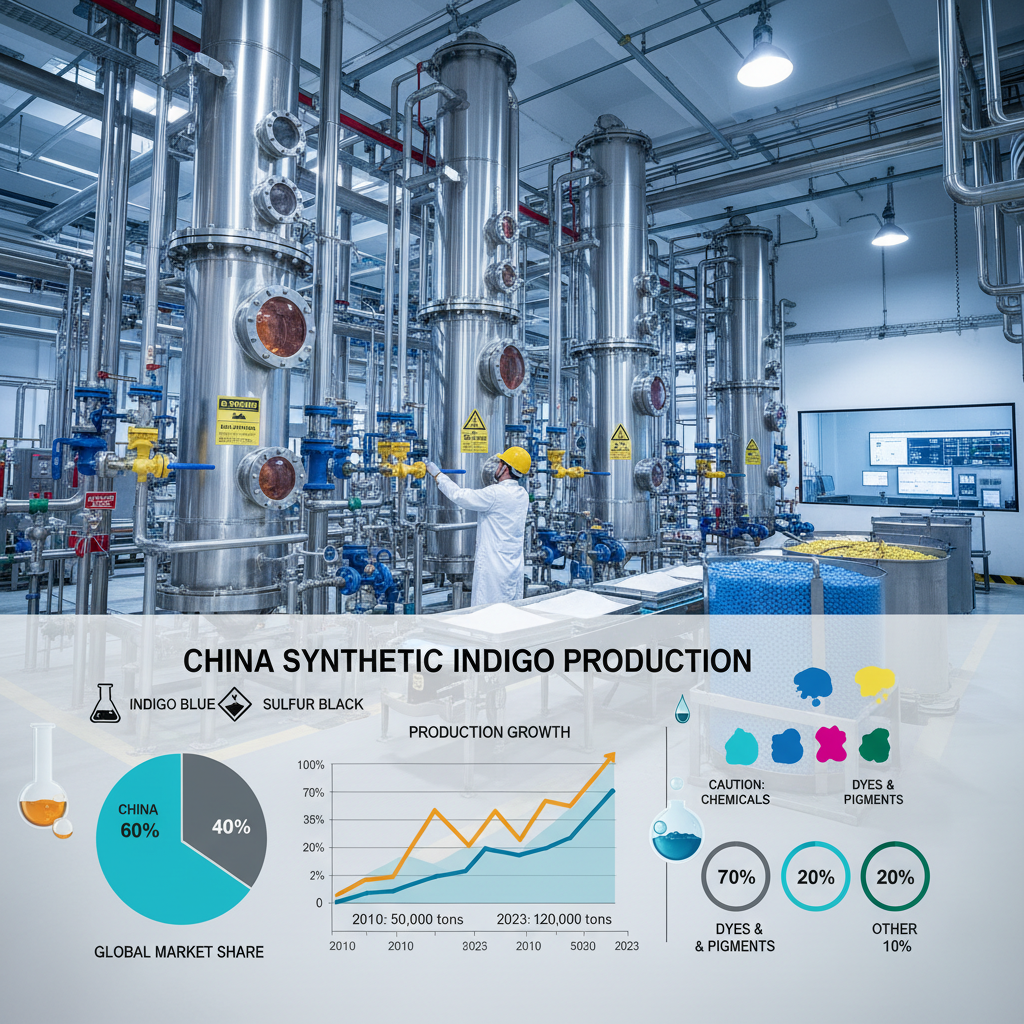
Sustainability Considerations in Synthetic Indigo Production
The production of synthetic indigo can have environmental impacts, particularly related to wastewater discharge and chemical usage. However, Chinese manufacturers are increasingly adopting sustainable practices to minimize these impacts. These include implementing closed-loop systems for water recycling, utilizing cleaner production technologies, and reducing the use of hazardous chemicals. Choosing suppliers committed to environmental stewardship is essential for promoting responsible textile production. Demand for eco-friendly dyes is driving innovation and the development of more sustainable synthetic indigo production methods.
Conclusion: Partnering with a Reliable China Synthetic Indigo Supplier
Selecting the right supplier of synthetic indigo from China is critical for textile businesses. Prioritize suppliers with a strong commitment to quality, sustainability, and competitive pricing. Wuxin Group offers a comprehensive range of high-quality synthetic indigo products, backed by rigorous quality control and a dedication to customer satisfaction. By forging a strong partnership with a reliable supplier, you can ensure a consistent supply of premium indigo dye for your textile operations.
Frequently Asked Questions (FAQs)
What is the typical lead time for orders of synthetic indigo from China?
The lead time for orders typically ranges from 2 to 4 weeks, depending on the order volume, complexity, and current production schedule. Larger orders or those requiring custom formulations may necessitate longer lead times. Reputable suppliers like Wuxin Group will provide accurate lead time estimates upon receiving your order details. It's always advisable to plan ahead and place orders well in advance to ensure timely delivery, particularly during peak seasons.
What packaging options are available for shipping synthetic indigo?
Synthetic indigo is typically packaged in 25kg polypropylene bags or fiber drums, depending on the customer's preference and quantity ordered. These packaging materials are designed to protect the dye from moisture, contamination, and physical damage during transit. Customized packaging options, such as smaller bags or bulk containers, may also be available upon request. Ensure the packaging is clearly labeled with product information, handling instructions, and safety warnings.
How can I ensure the authenticity and quality of the synthetic indigo I purchase?
To ensure authenticity and quality, work with a reputable supplier that provides detailed product specifications, certificates of analysis (COA), and adherence to relevant industry standards (e.g., ISO 9001, OEKO-TEX). Verify the supplier's credentials and conduct thorough quality inspections upon receiving the shipment. Request samples for testing before placing large orders. A trusted supplier like Wuxin Group will provide full transparency and support throughout the sourcing process.
-
Mastering the Art of China Japanese Indigo Dyeing Traditions
NewsApr.16,2026
-
Exploring the Elegance of China Deep Indigo Color in Textiles
NewsApr.09,2026
-
Discover High Quality China Jeans Blue Indigo for Global Markets
NewsApr.07,2026
-
Exploring the Rich Tradition of China Natural Indigo Dyed Fabric
NewsApr.04,2026
-
Exploring China Indigo Color in Nature History and Modern Applications
NewsMar.31,2026
-
Discover High Quality China Pure Indigo Powder for Vibrant Natural Dyeing
NewsMar.28,2026
-
Exploring the Rich History of China True Blue Indigo Textiles
NewsMar.26,2026
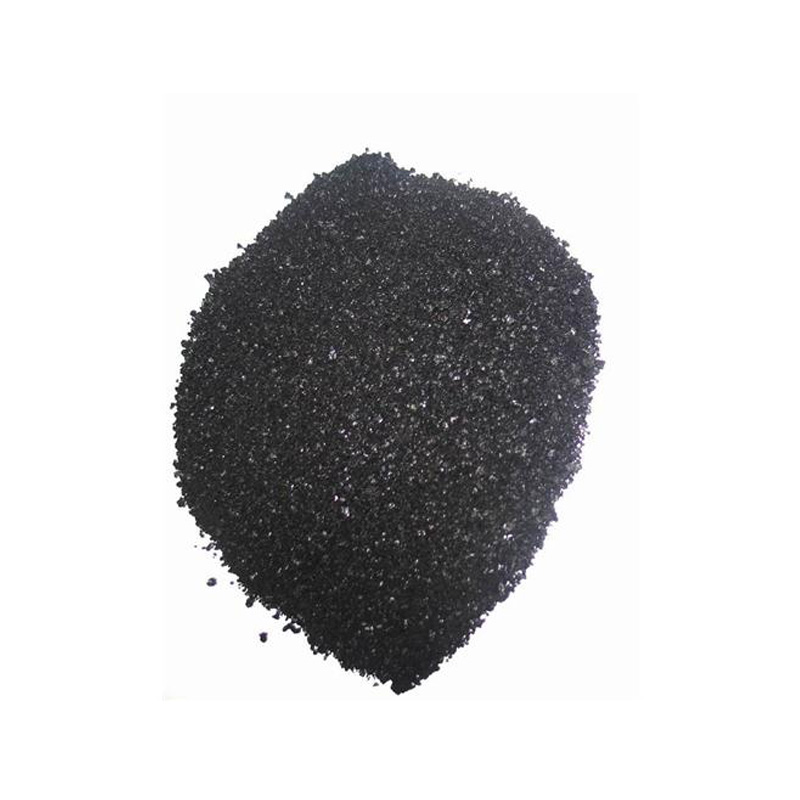
Sulphur Black
1.Name: sulphur black; Sulfur Black; Sulphur Black 1;
2.Structure formula:
3.Molecule formula: C6H4N2O5
4.CAS No.: 1326-82-5
5.HS code: 32041911
6.Product specification:Appearance:black phosphorus flakes; black liquid
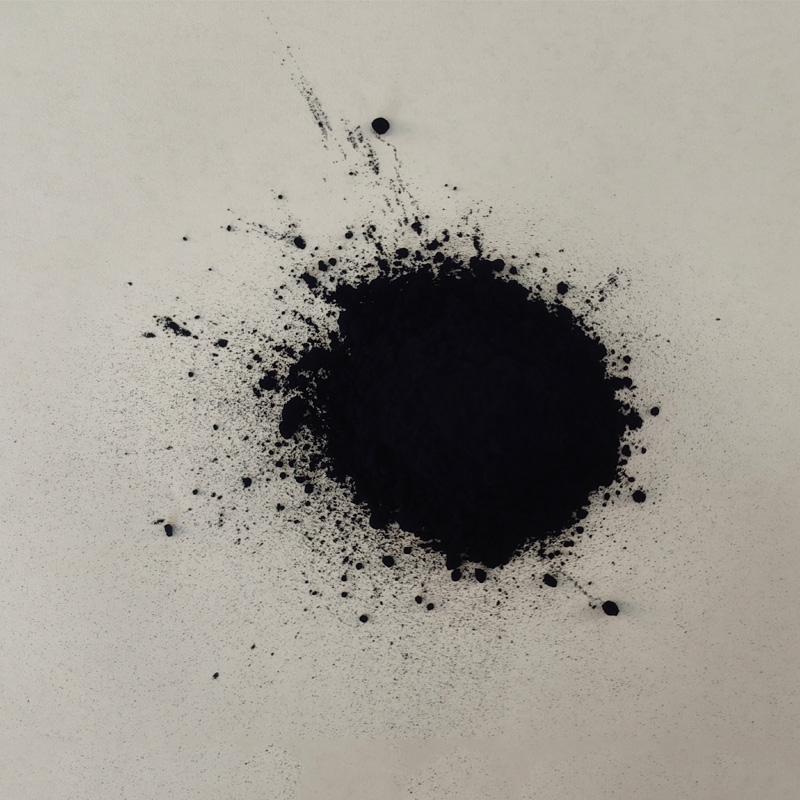
Bromo Indigo; Vat Bromo-Indigo; C.I.Vat Blue 5
1.Name: Bromo indigo; Vat bromo-indigo; C.I.Vat blue 5;
2.Structure formula:
3.Molecule formula: C16H6Br4N2O2
4.CAS No.: 2475-31-2
5.HS code: 3204151000 6.Major usage and instruction: Be mainly used to dye cotton fabrics.
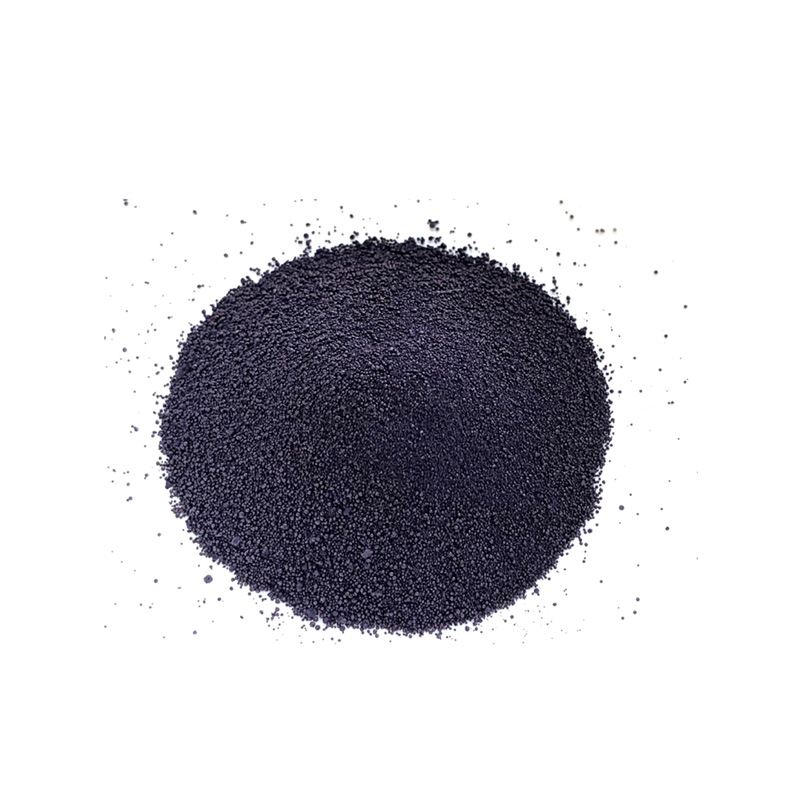
Indigo Blue Vat Blue
1.Name: indigo blue,vat blue 1,
2.Structure formula:
3.Molecule formula: C16H10N2O2
4.. CAS No.: 482-89-3
5.Molecule weight: 262.62
6.HS code: 3204151000
7.Major usage and instruction: Be mainly used to dye cotton fabrics.