

Exploring China Fabric Indigo A Comprehensive Guide to Sourcing and Applications
China Fabric Indigo: A Comprehensive Guide
Indigo, a captivating shade of blue, has a rich history deeply intertwined with textile production, particularly in China. For centuries, Chinese artisans have mastered the art of indigo dyeing, creating fabrics prized for their beauty, durability, and unique character. Today, China remains a leading global supplier of china fabric indigo, catering to diverse industries from fashion to home textiles. This article delves into the world of indigo fabric originating from China, exploring its characteristics, production methods, applications, and considerations for sourcing. We'll explore what makes Chinese indigo fabrics stand out in the global market.
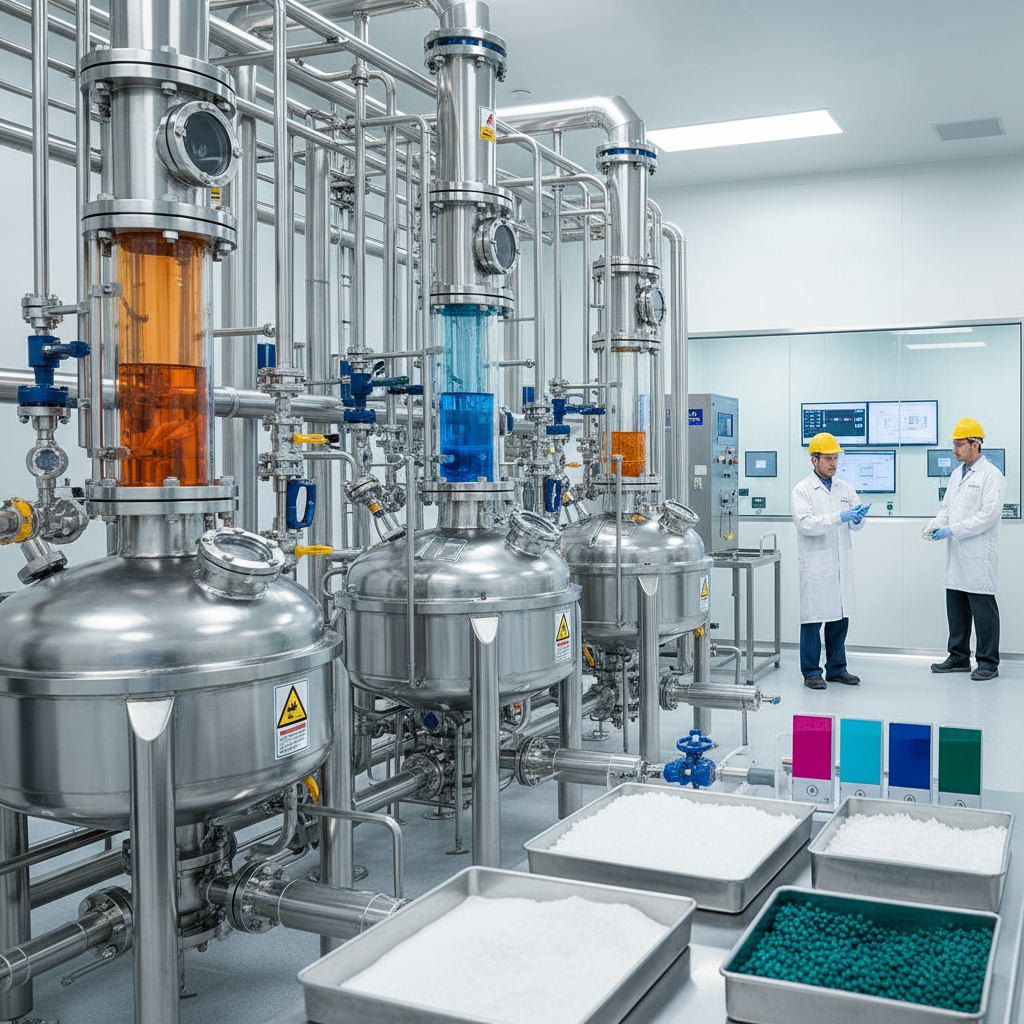
Understanding Indigo Dyeing Processes in China
The process of achieving that deep indigo hue is complex and steeped in tradition. While traditional methods involving natural indigo fermentation still exist, modern China utilizes both natural and synthetic indigo. Synthetic indigo offers consistency and scalability, making it ideal for large-scale production. However, growing demand for sustainable practices is driving a resurgence in natural indigo dyeing. Different techniques, such as vat dyeing and continuous dyeing, are employed depending on the fabric type and desired aesthetic. These methods ensure the color penetrates the fibers thoroughly, resulting in long-lasting, vibrant indigo shades. The expertise of Chinese artisans and advancements in dyeing technology contribute to the high quality of indigo fabrics from China.
Key Highlights: China offers a wide range of indigo dyeing techniques, from traditional natural fermentation to modern synthetic processes, providing flexibility for various production needs.
Common Fabric Types Dyed with Indigo in China
China’s textile industry offers a diverse selection of fabrics amenable to indigo dyeing. Denim, of course, is a prominent example, with China being a major producer of indigo denim. But the versatility of indigo extends beyond denim. Cotton, linen, viscose, and even silk can be beautifully transformed with indigo dye. The choice of fabric influences the final appearance and feel of the material. For example, indigo-dyed linen offers a rustic, textured look, while indigo-dyed silk provides a luxurious sheen. Chinese manufacturers are adept at working with a wide variety of fibers to create unique and high-quality indigo fabrics.
Fabric & Indigo Combinations:
• Denim: Classic, durable, versatile
• Cotton: Comfortable, breathable, widely available
• Linen: Textured, rustic, lightweight
• Viscose: Soft, drapey, eco-friendly alternative
• Silk: Luxurious, shiny, high-end
China Fabric Indigo: A Comparative Look at Natural vs. Synthetic
While both natural and synthetic indigo offer beautiful blue shades, they differ in their production and characteristics. Natural indigo, derived from plants, boasts a unique depth and subtle variations in color. It's also considered more environmentally friendly, though production can be less consistent. Synthetic indigo, on the other hand, provides a more uniform and predictable color, making it ideal for large-scale manufacturing. It’s often more cost-effective but carries a larger environmental footprint. The choice between the two depends on the desired aesthetic, budget, and sustainability goals.
Applications of China Fabric Indigo in Various Industries
The applications of china fabric indigo are remarkably diverse. Fashion brands utilize it for jeans, jackets, dresses, and accessories, capitalizing on its iconic blue hue. Home textiles incorporate indigo fabrics in bedding, curtains, and upholstery, adding a touch of rustic charm. The durability and colorfastness of indigo make it suitable for workwear and industrial applications. Moreover, the growing interest in sustainable fashion is driving demand for naturally dyed indigo fabrics from China, reflecting a commitment to ethical and environmentally responsible practices.
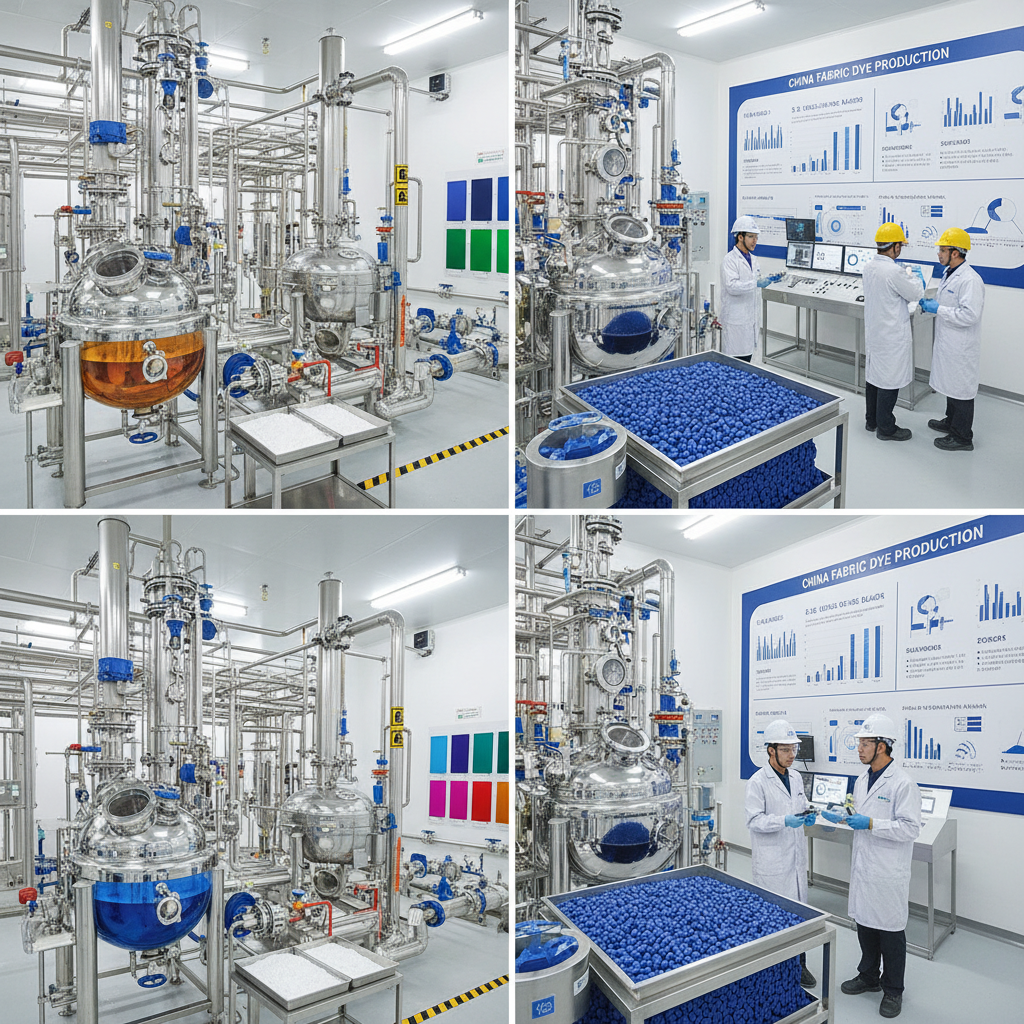
Sourcing China Fabric Indigo: Key Considerations
When sourcing china fabric indigo, consider factors such as fabric type, dyeing method (natural or synthetic), colorfastness, and supplier certifications. Verifying the supplier's commitment to quality control and ethical labor practices is crucial. Requesting samples and conducting thorough inspections before placing a large order is highly recommended. Working with a reputable sourcing agent can streamline the process and ensure you receive high-quality fabrics at competitive prices. Wuxin Group provides comprehensive sourcing solutions for indigo fabrics, ensuring quality, reliability, and transparency.
Conclusion: Embracing the Legacy of Chinese Indigo
China’s rich tradition in indigo dyeing combined with modern innovation makes it a premier source for this versatile and beautiful fabric. Whether you're seeking classic denim, luxurious silk, or sustainable alternatives, Wuxin Group offers a comprehensive range of china fabric indigo to meet your specific needs. Embrace the legacy of indigo and discover the possibilities for your next project.
Frequently Asked Questions (FAQs)
What is the minimum order quantity (MOQ) for China fabric indigo?
The MOQ varies depending on the fabric type, dyeing method, and supplier. Generally, MOQs range from 500 to 1000 meters per color. However, some suppliers may offer lower MOQs for stock fabrics. It's best to discuss your specific requirements with potential suppliers like Wuxin Group to negotiate a suitable order quantity. They often offer flexible options for different project scales.
How long does it typically take to receive an order of China fabric indigo?
Lead times depend on several factors, including fabric availability, dyeing complexity, and shipping distance. Generally, expect a lead time of 2-4 weeks for custom-dyed fabrics and 1-2 weeks for in-stock fabrics. Shipping times can vary from 7 to 30 days, depending on the destination and shipping method. It is crucial to confirm the estimated lead time with the supplier before placing your order. Wuxin Group provides transparent communication regarding timelines throughout the entire process.
What certifications should I look for when sourcing China fabric indigo?
Look for certifications that demonstrate the supplier's commitment to quality and sustainability. These include OEKO-TEX Standard 100 (for harmful substances), GOTS (Global Organic Textile Standard) for organic cotton, and ISO 9001 (for quality management systems). These certifications provide assurance that the fabric meets international standards and is produced responsibly. Wuxin Group works with certified suppliers to ensure the highest quality and ethical standards.
Can I request a custom shade of indigo?
Yes, most suppliers in China offer custom dyeing services. You can provide a Pantone color code or a sample of the desired shade. Keep in mind that achieving a perfect match may require additional time and cost. It's always advisable to request a lab dip (a small fabric sample dyed to your specifications) before proceeding with a bulk order to ensure color accuracy. Wuxin Group specializes in custom color matching and provides lab dip services.
-
Mastering the Art of China Japanese Indigo Dyeing Traditions
NewsApr.16,2026
-
Exploring the Elegance of China Deep Indigo Color in Textiles
NewsApr.09,2026
-
Discover High Quality China Jeans Blue Indigo for Global Markets
NewsApr.07,2026
-
Exploring the Rich Tradition of China Natural Indigo Dyed Fabric
NewsApr.04,2026
-
Exploring China Indigo Color in Nature History and Modern Applications
NewsMar.31,2026
-
Discover High Quality China Pure Indigo Powder for Vibrant Natural Dyeing
NewsMar.28,2026
-
Exploring the Rich History of China True Blue Indigo Textiles
NewsMar.26,2026
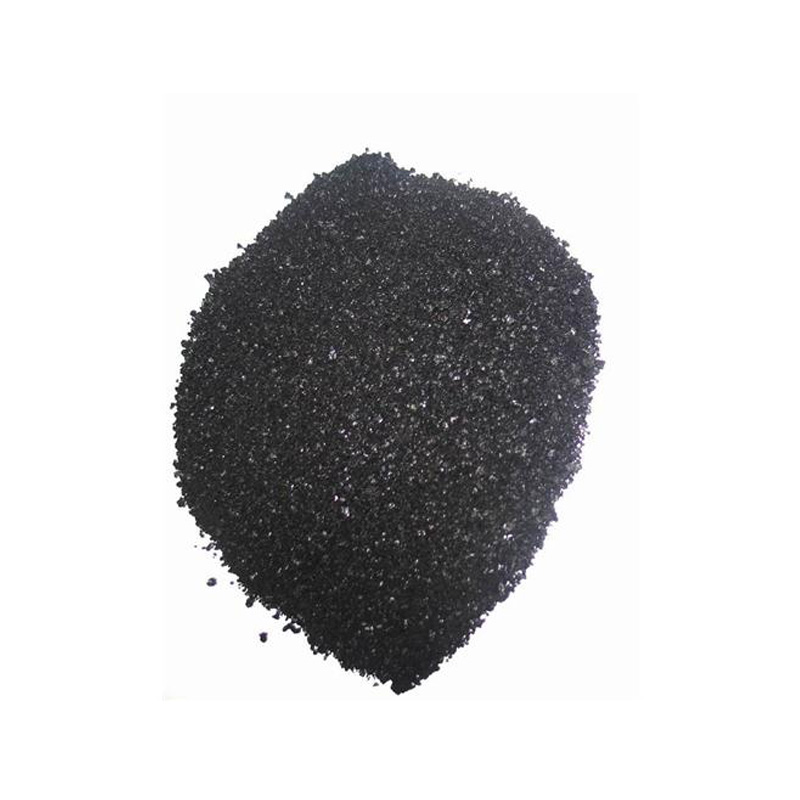
Sulphur Black
1.Name: sulphur black; Sulfur Black; Sulphur Black 1;
2.Structure formula:
3.Molecule formula: C6H4N2O5
4.CAS No.: 1326-82-5
5.HS code: 32041911
6.Product specification:Appearance:black phosphorus flakes; black liquid
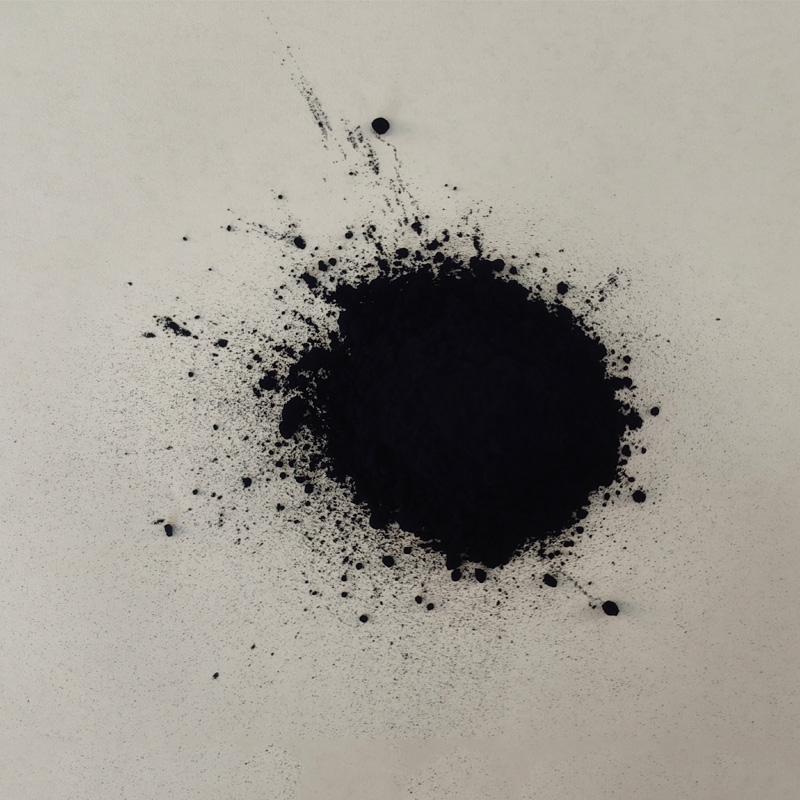
Bromo Indigo; Vat Bromo-Indigo; C.I.Vat Blue 5
1.Name: Bromo indigo; Vat bromo-indigo; C.I.Vat blue 5;
2.Structure formula:
3.Molecule formula: C16H6Br4N2O2
4.CAS No.: 2475-31-2
5.HS code: 3204151000 6.Major usage and instruction: Be mainly used to dye cotton fabrics.
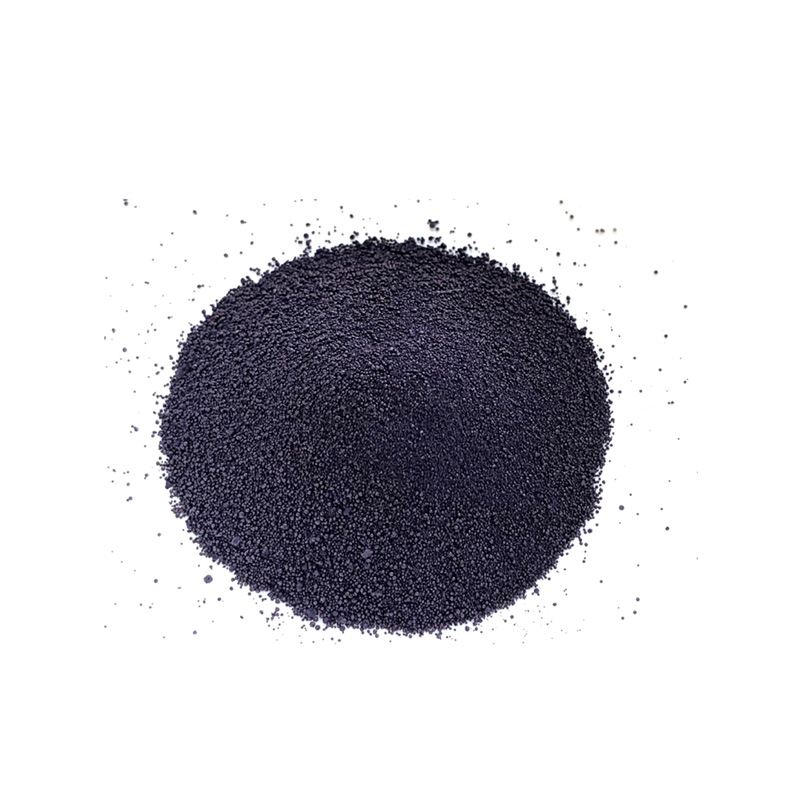
Indigo Blue Vat Blue
1.Name: indigo blue,vat blue 1,
2.Structure formula:
3.Molecule formula: C16H10N2O2
4.. CAS No.: 482-89-3
5.Molecule weight: 262.62
6.HS code: 3204151000
7.Major usage and instruction: Be mainly used to dye cotton fabrics.