

Exploring China Indigo Colour Dye Production Applications and Sourcing
China Indigo Colour Dye: A Comprehensive Guide
Indigo dye, steeped in history and cultural significance, remains a highly sought-after colourant in the textile industry worldwide. Originating in Asia, particularly in China and India, indigo's rich blue hue has adorned fabrics for centuries. Today, Chinese manufacturers are leading the way in producing high-quality indigo colour dyes for diverse applications, from denim and fashion textiles to art and crafts. This article will delve into the world of China indigo colour dye, exploring its production, types, applications, and key considerations for sourcing from reliable suppliers.
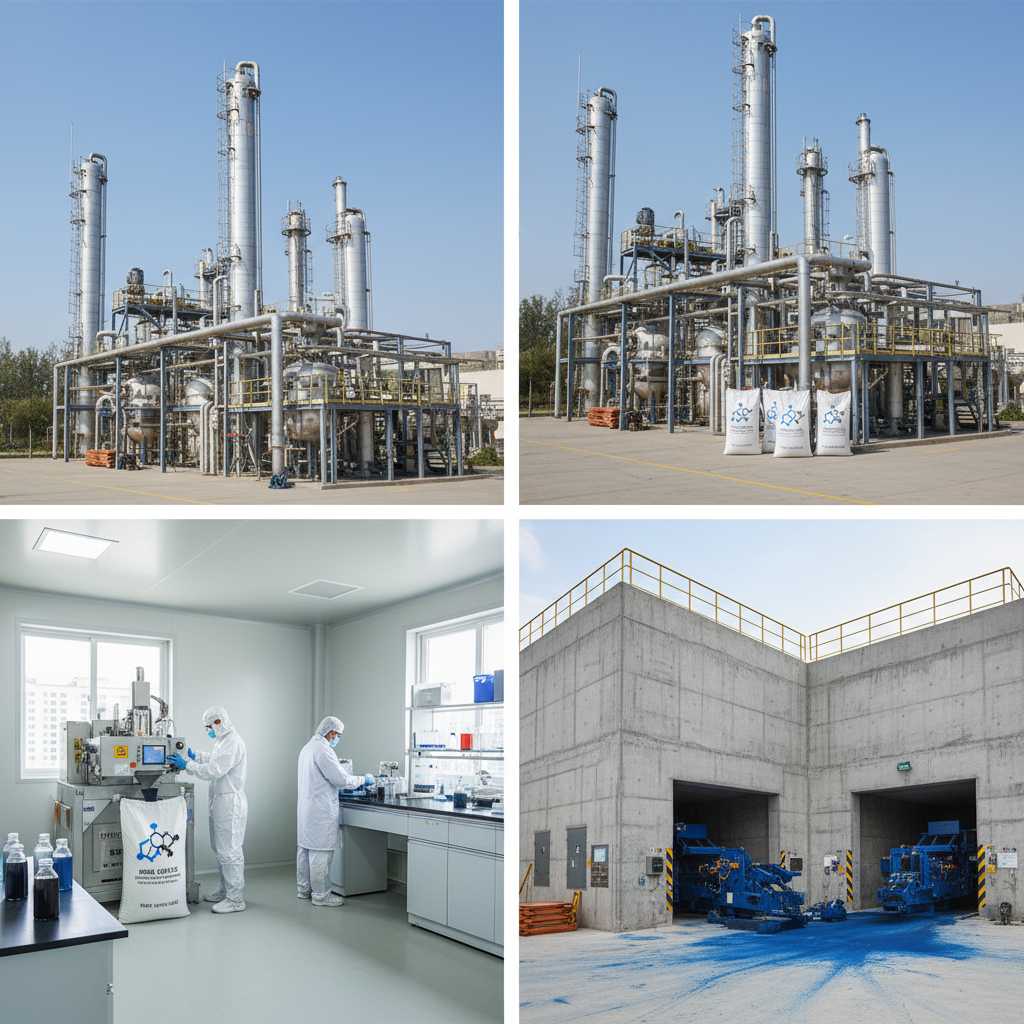
The History and Significance of Indigo
The story of indigo is a fascinating journey through time and culture. Evidence suggests its use dates back over 6,000 years, with archaeological finds showcasing indigo-dyed fabrics from ancient civilizations. Historically, indigo was a valuable commodity, traded along the Silk Road and used to create luxurious textiles for royalty and the elite. The plant Indigofera tinctoria was the primary source of indigo dye for centuries, requiring a complex fermentation process to extract the colour. While synthetic indigo production now dominates the market, the historical and cultural importance of natural indigo continues to inspire artisans and designers.
Key Highlights: Indigo has been used for over 6,000 years, originally derived from the Indigofera tinctoria plant. It’s a historically valuable commodity with significant cultural importance.
Types of China Indigo Colour Dye
Today, the vast majority of indigo dye is synthetically produced. China is a major producer, offering a variety of indigo dye types to meet diverse industry needs. The most common types include:
Applications of China Indigo Colour Dye
The versatility of indigo dye makes it suitable for a wide range of applications. The most prominent is undoubtedly denim production, where it imparts the classic blue colour. However, its use extends far beyond jeans. It's widely used in dyeing cotton, silk, wool, and other natural fibres. Indigo is also favoured in the creation of traditional textiles like Japanese shibori and African adire, where its unique dyeing properties allow for intricate patterns and designs. Increasingly, indigo dyes are also finding applications in sustainable fashion, with brands seeking eco-friendly alternatives to synthetic dyes.
Sourcing Indigo Dye from China: Key Considerations
When sourcing China indigo colour dye, it's crucial to prioritize quality, reliability, and ethical sourcing. Look for suppliers with certifications like ISO 9001, demonstrating a commitment to quality management. Request samples to assess the dye's colourfastness, purity, and consistency. Verify the supplier's environmental practices and ensure they comply with relevant regulations regarding waste disposal and chemical handling. Finally, consider the supplier's lead times, minimum order quantities, and payment terms to ensure they align with your business needs.
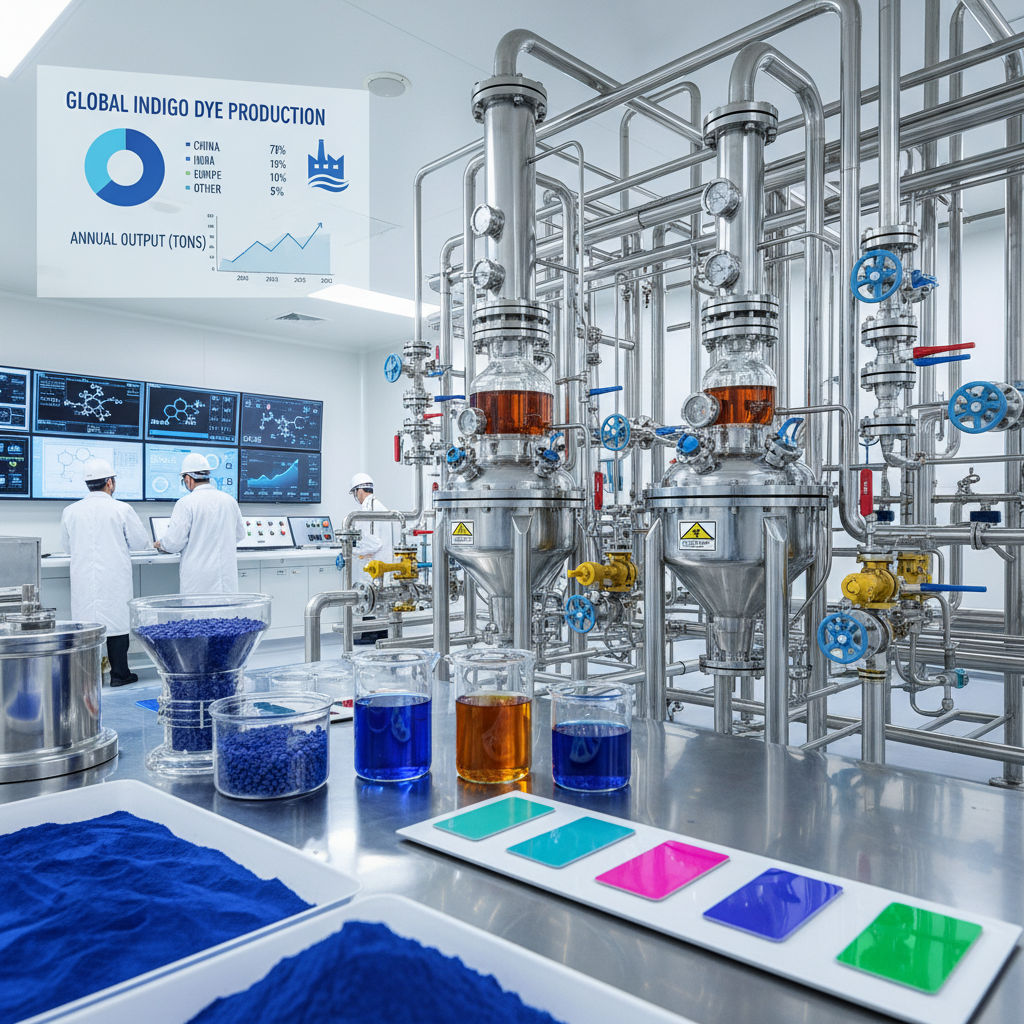
The Future of Indigo Dye
The demand for indigo dye is expected to continue growing, driven by the fashion industry's increasing focus on sustainability and the resurgence of traditional textile techniques. Innovation in dye production, including the development of more eco-friendly processes and bio-based indigo dyes, is shaping the future of this ancient colourant. China remains at the forefront of this evolution, with companies investing in research and development to produce high-quality, sustainable indigo dyes for the global market.
Conclusion
China indigo colour dye offers a vibrant and versatile solution for a wide range of textile applications. By understanding the different types, applications, and sourcing considerations, businesses can make informed decisions and ensure they receive high-quality dyes from reliable suppliers like Wuxin Group. Embrace the rich history and vibrant potential of indigo!
Frequently Asked Questions (FAQs)
What is the difference between synthetic and natural indigo?
Synthetic indigo, produced through chemical processes, is the dominant form today due to its cost-effectiveness and consistency. Natural indigo, extracted from the Indigofera plant, offers a unique, subtly nuanced colour that many artisans and traditional textile producers prefer. However, natural indigo is more expensive and its production is less scalable. The colour also tends to be less uniform than its synthetic counterpart.
How do I test the quality of indigo dye before a large order?
Always request samples from potential suppliers. Test the dye’s colourfastness by washing a dyed fabric sample multiple times. Assess the dye’s purity by examining the colour and uniformity of the dye solution. Check for any impurities or unwanted shades. You can also request a Certificate of Analysis (COA) from the supplier, which provides detailed information about the dye’s composition and quality.
What are the environmental concerns associated with indigo dye production?
Traditional indigo dyeing processes can generate significant wastewater containing harmful chemicals. However, modern manufacturers are adopting more sustainable practices, such as using closed-loop systems to recycle water and employing environmentally friendly reducing agents. Look for suppliers committed to responsible waste management and pollution control. The use of bio-based indigo alternatives is also gaining traction.
What is the typical lead time for orders from Chinese indigo dye suppliers?
Lead times can vary depending on the supplier, the order quantity, and the shipping method. Generally, expect a lead time of 2-4 weeks for standard orders. Larger, customized orders may require longer lead times. It's crucial to discuss lead times with the supplier upfront and factor them into your production schedule.
-
Mastering the Art of China Japanese Indigo Dyeing Traditions
NewsApr.16,2026
-
Exploring the Elegance of China Deep Indigo Color in Textiles
NewsApr.09,2026
-
Discover High Quality China Jeans Blue Indigo for Global Markets
NewsApr.07,2026
-
Exploring the Rich Tradition of China Natural Indigo Dyed Fabric
NewsApr.04,2026
-
Exploring China Indigo Color in Nature History and Modern Applications
NewsMar.31,2026
-
Discover High Quality China Pure Indigo Powder for Vibrant Natural Dyeing
NewsMar.28,2026
-
Exploring the Rich History of China True Blue Indigo Textiles
NewsMar.26,2026
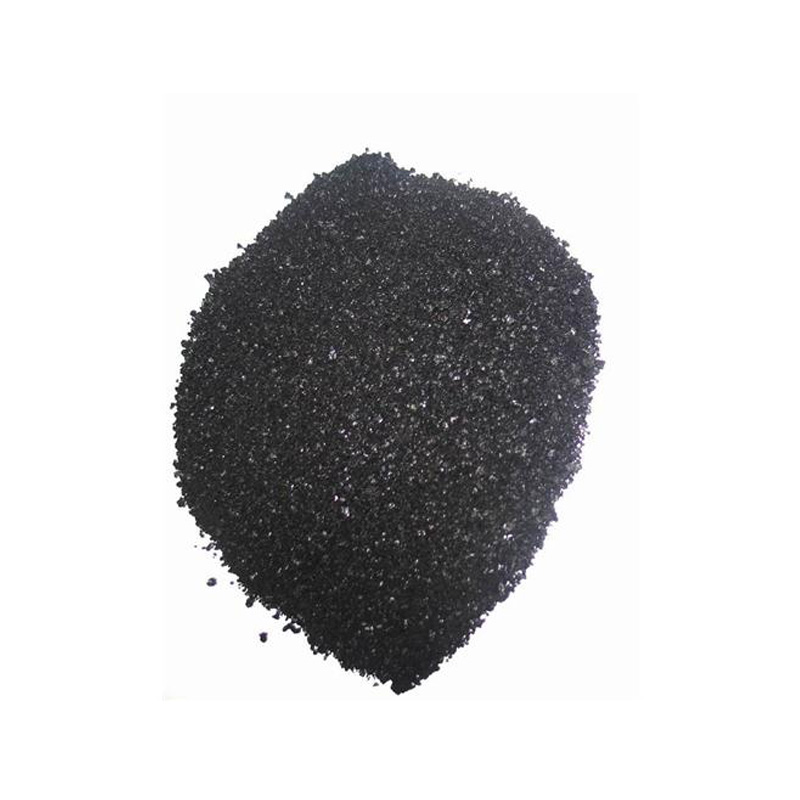
Sulphur Black
1.Name: sulphur black; Sulfur Black; Sulphur Black 1;
2.Structure formula:
3.Molecule formula: C6H4N2O5
4.CAS No.: 1326-82-5
5.HS code: 32041911
6.Product specification:Appearance:black phosphorus flakes; black liquid
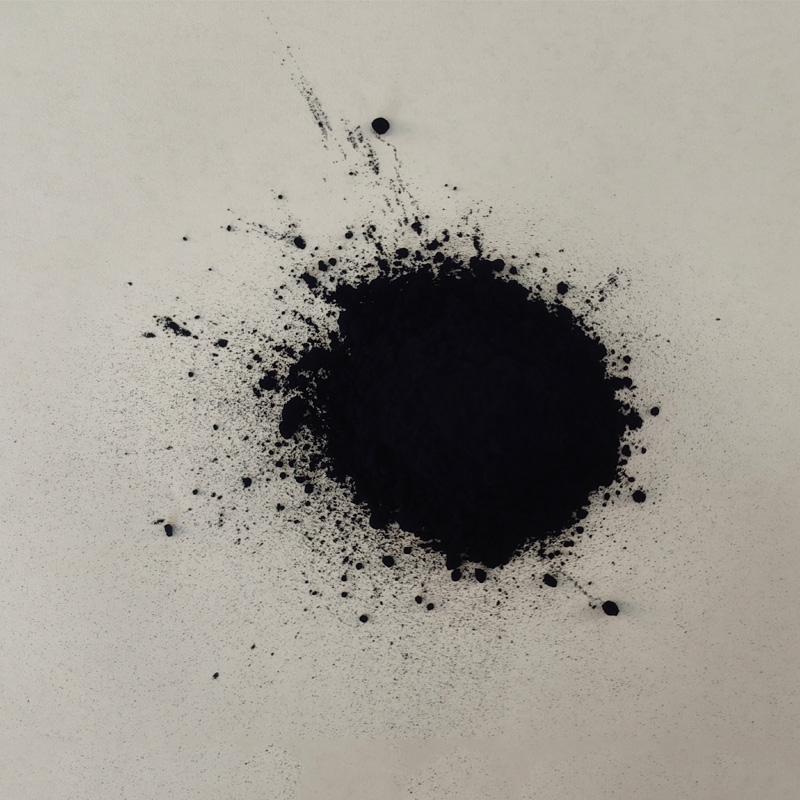
Bromo Indigo; Vat Bromo-Indigo; C.I.Vat Blue 5
1.Name: Bromo indigo; Vat bromo-indigo; C.I.Vat blue 5;
2.Structure formula:
3.Molecule formula: C16H6Br4N2O2
4.CAS No.: 2475-31-2
5.HS code: 3204151000 6.Major usage and instruction: Be mainly used to dye cotton fabrics.
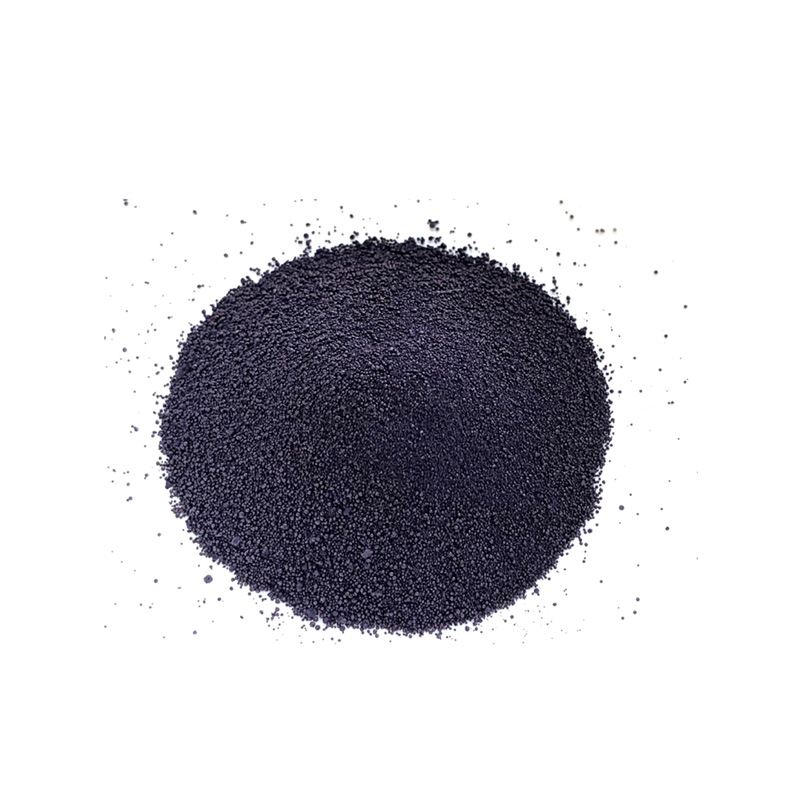
Indigo Blue Vat Blue
1.Name: indigo blue,vat blue 1,
2.Structure formula:
3.Molecule formula: C16H10N2O2
4.. CAS No.: 482-89-3
5.Molecule weight: 262.62
6.HS code: 3204151000
7.Major usage and instruction: Be mainly used to dye cotton fabrics.