

Exploring China Raw Indigo Color Origins Quality and Sustainable Applications
Understanding China Raw Indigo Color: A Comprehensive Guide
Raw indigo color, sourced directly from China, is a highly sought-after natural dye valued for its rich, deep hues and historical significance. For centuries, indigo has been used to color textiles, creating iconic shades of blue. Today, there's a growing demand for authentic, sustainably sourced indigo, and China remains a crucial supplier. This article explores the origins, properties, applications, and sourcing considerations of China raw indigo color, offering insights for businesses and artisans alike. We will also look at the quality aspects that make Chinese indigo stand out.
The Origins and Extraction of China Raw Indigo
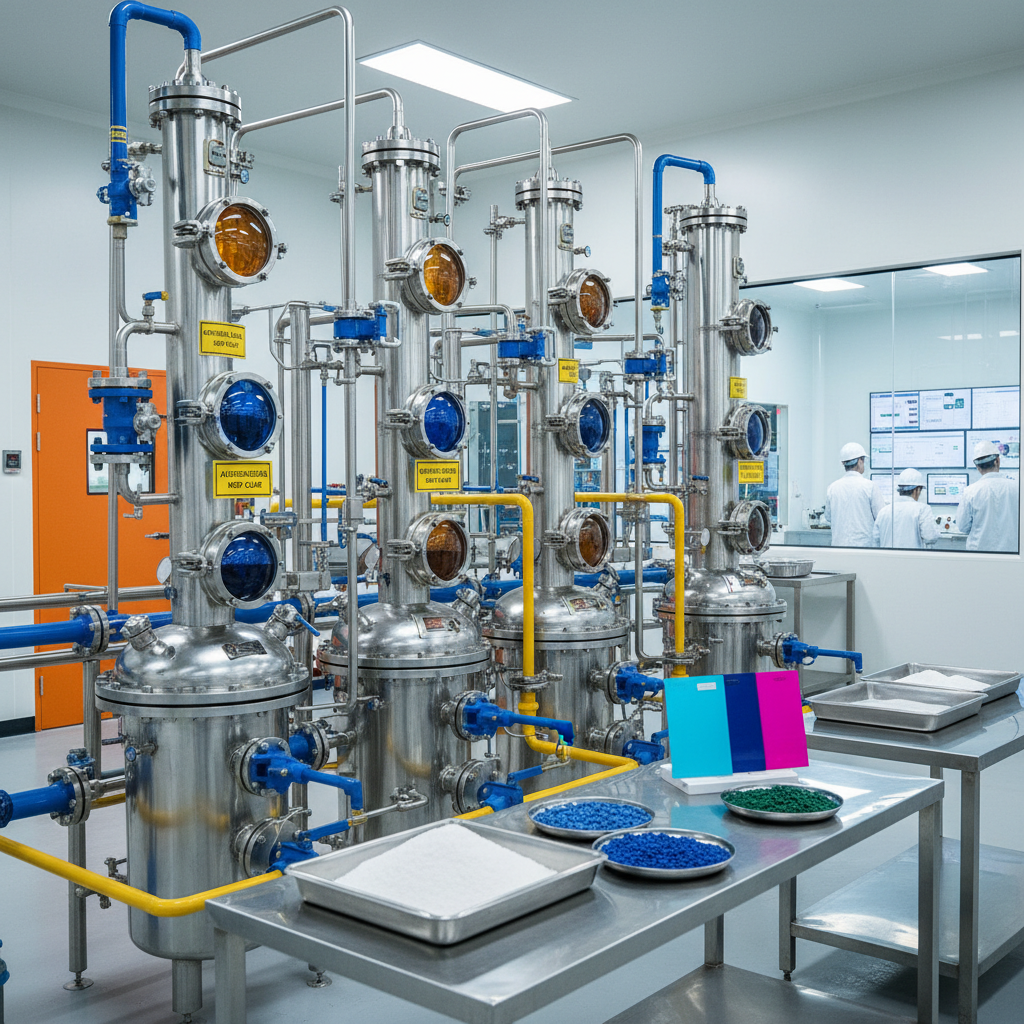
China's indigo production is deeply rooted in its agricultural traditions. The primary source of indigo is the Indigofera tinctoria plant, cultivated extensively in provinces like Yunnan, Guangdong, and Guangxi. The extraction process, traditionally a labor-intensive endeavor, involves soaking the leaves in water, then fermenting them. This fermentation process breaks down the indigotin glycosides, releasing the valuable indigo dye. Modern methods often incorporate techniques to improve efficiency and yield, but many producers still prioritize traditional fermentation for superior color quality. The leaves are then pressed to extract the indigo paste, which is dried and processed into a more concentrated form.
Key Highlights: Indigofera tinctoria cultivation, traditional fermentation methods, and efficient paste extraction define the quality of Chinese raw indigo.
China Raw Indigo Color: Grades and Quality
Not all indigo is created equal. The quality of China raw indigo color is graded based on several factors, including indigotin content, purity, and color strength. Higher-grade indigo boasts a deeper, more vibrant hue and requires less dye to achieve the desired shade. Impurities can affect the dyeing process and result in uneven or dull colors. Reputable suppliers, like Wuxin Group, provide detailed specifications and quality certifications. Understanding these grades is crucial for selecting the right indigo for your specific application.
Quality Indicators:
• High indigotin content (typically 30-70%)
• Minimal impurities and plant matter
• Strong, vibrant color yield
• Consistent particle size (for easier processing)
Applications of China Raw Indigo Color
The versatility of indigo makes it ideal for a broad range of applications. Traditionally used for denim production, it's also highly valued in crafting artisan textiles, dyeing yarns, creating handmade paper, and even in natural cosmetics. The growing demand for sustainable and eco-friendly products has increased the use of natural dyes like indigo. Wuxin Group's indigo finds its way into fashion, home décor, and art projects worldwide. Its colorfastness and depth make it a preferred choice for discerning artisans and manufacturers.
Sourcing China Raw Indigo Color: Key Considerations
When sourcing China raw indigo color, it's crucial to choose a reliable supplier committed to quality and sustainability. Verify certifications like ISO 9001, which demonstrate adherence to quality management systems. Inquire about the sourcing practices – ethically sourced indigo contributes to a more sustainable supply chain. Consider factors like price, shipping costs, and lead times. Wuxin Group offers transparent pricing, efficient logistics, and a commitment to responsible sourcing.
Conclusion: Embracing the Legacy of China Raw Indigo
Investing in Quality and Sustainability
China remains a pivotal source for high-quality raw indigo color. By understanding the nuances of grading, sourcing, and application, businesses and artisans can unlock the full potential of this remarkable natural dye. Choosing a reputable supplier like Wuxin Group ensures access to authentic, sustainably sourced indigo that meets your specific needs. Embrace the legacy of indigo and create vibrant, lasting colors with confidence.
Frequently Asked Questions (FAQs)
What is the shelf life of raw indigo powder?
When stored properly, raw indigo powder can maintain its quality for 2-3 years. Proper storage involves keeping it in an airtight container, away from direct sunlight, heat, and moisture. Exposure to these elements can cause the indigo to degrade and lose its color strength. It’s recommended to check the powder periodically for any signs of clumping or discoloration, which may indicate degradation. A cool, dark, and dry environment is ideal for preserving its potency.
Is indigo dyeing environmentally friendly?
Compared to synthetic dyes, natural indigo dyeing is generally considered more environmentally friendly. It utilizes a plant-based source and requires fewer harsh chemicals. However, the fermentation process can produce wastewater with a high biochemical oxygen demand (BOD). Responsible indigo producers implement wastewater treatment systems to minimize environmental impact. Choosing indigo sourced from companies committed to sustainable practices further ensures its eco-friendliness.
What is the difference between indigo powder and indigo paste?
Indigo paste is the initial product of the indigo extraction process, a thick, wet substance containing indigo indigotin and plant matter. Indigo powder is the paste that has been dried and ground into a more concentrated form, removing much of the excess water and plant debris. Powder is easier to measure and handle, making it preferred for most dyeing applications. Paste can be used directly but requires more volume to achieve the same color intensity.
How can I test the quality of raw indigo powder before purchasing a large quantity?
Request a sample from the supplier to perform a simple dye test. Dissolve a small amount of the indigo powder in warm water with a reducing agent (like sodium hydrosulfite). A high-quality powder will produce a vibrant, deep blue solution quickly. Observe the color strength and clarity of the dye bath. Also, check for any sediment or impurities. Reputable suppliers, like Wuxin Group, will readily provide samples and quality documentation.
-
Mastering the Art of China Japanese Indigo Dyeing Traditions
NewsApr.16,2026
-
Exploring the Elegance of China Deep Indigo Color in Textiles
NewsApr.09,2026
-
Discover High Quality China Jeans Blue Indigo for Global Markets
NewsApr.07,2026
-
Exploring the Rich Tradition of China Natural Indigo Dyed Fabric
NewsApr.04,2026
-
Exploring China Indigo Color in Nature History and Modern Applications
NewsMar.31,2026
-
Discover High Quality China Pure Indigo Powder for Vibrant Natural Dyeing
NewsMar.28,2026
-
Exploring the Rich History of China True Blue Indigo Textiles
NewsMar.26,2026
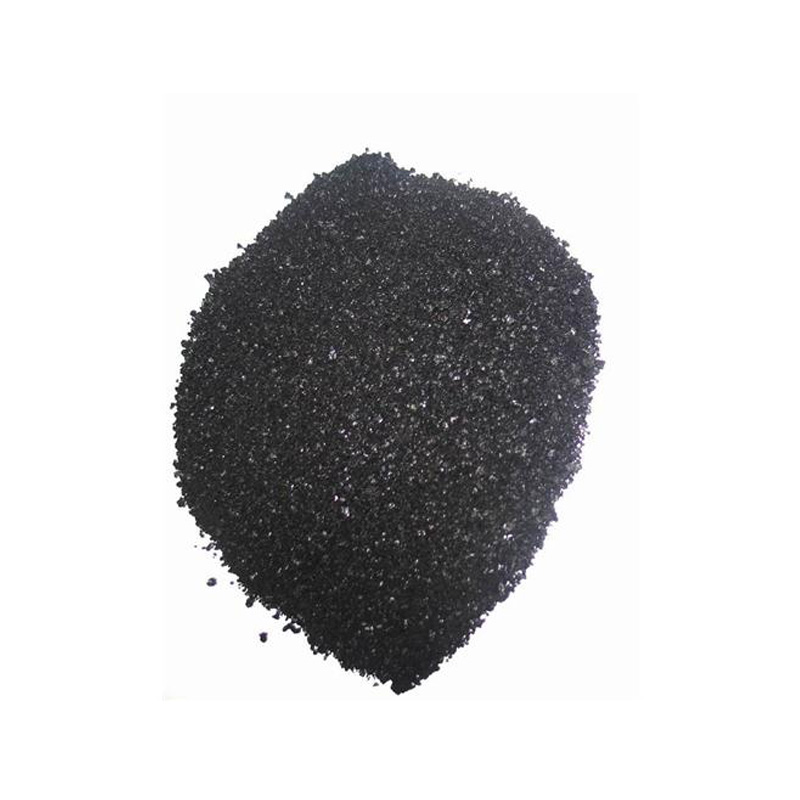
Sulphur Black
1.Name: sulphur black; Sulfur Black; Sulphur Black 1;
2.Structure formula:
3.Molecule formula: C6H4N2O5
4.CAS No.: 1326-82-5
5.HS code: 32041911
6.Product specification:Appearance:black phosphorus flakes; black liquid
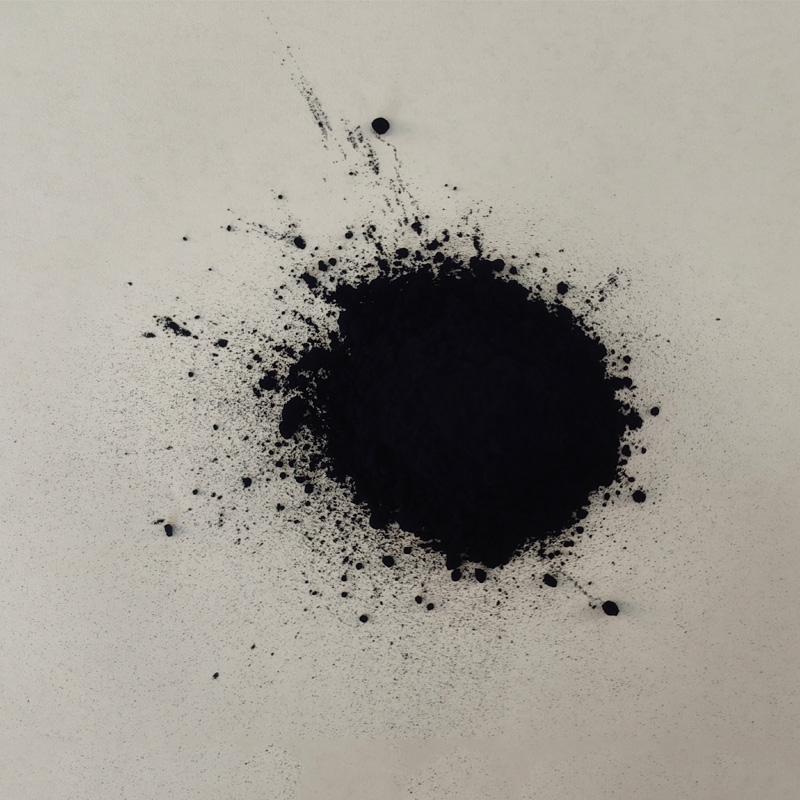
Bromo Indigo; Vat Bromo-Indigo; C.I.Vat Blue 5
1.Name: Bromo indigo; Vat bromo-indigo; C.I.Vat blue 5;
2.Structure formula:
3.Molecule formula: C16H6Br4N2O2
4.CAS No.: 2475-31-2
5.HS code: 3204151000 6.Major usage and instruction: Be mainly used to dye cotton fabrics.
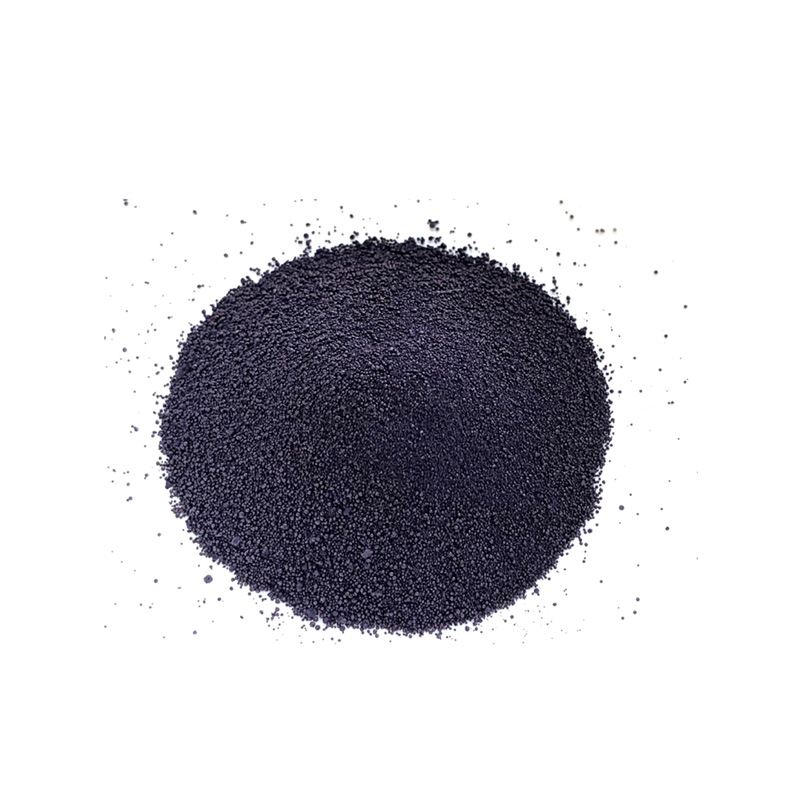
Indigo Blue Vat Blue
1.Name: indigo blue,vat blue 1,
2.Structure formula:
3.Molecule formula: C16H10N2O2
4.. CAS No.: 482-89-3
5.Molecule weight: 262.62
6.HS code: 3204151000
7.Major usage and instruction: Be mainly used to dye cotton fabrics.