

Exploring China Tie and Dye Indigo A Timeless Textile Art
China Tie and Dye Indigo: A Timeless Textile Tradition
For centuries, China tie and dye indigo has captivated artisans and admirers alike with its unique patterns and rich, natural hues. This ancient technique, deeply rooted in Chinese culture, continues to thrive today, blending tradition with contemporary design. From clothing to home décor, the versatility of indigo-dyed textiles is unmatched. Discover the history, process, and enduring appeal of this remarkable craft. Explore our collection of exquisite indigo creations at Wuxin Group and experience the beauty firsthand.
The History of Indigo Dyeing in China
The use of indigo in China dates back over 2,000 years, with evidence found in archaeological discoveries from the Han Dynasty. Initially, indigo was a luxury item, reserved for royalty and the elite. Over time, the techniques became more accessible, spreading throughout the country and evolving into regional styles. Different provinces developed unique tie-dye methods, resulting in a diverse range of patterns and aesthetics. The natural dye was historically derived from the indigofera plant, cultivated extensively across China. It wasn’t merely a coloring process, but a symbol of status and artistry. The vibrant blue hues became synonymous with Chinese textile heritage.
Understanding the Tie-Dye Process: Shibori and Beyond
China tie and dye indigo encompasses various techniques, including the well-known Shibori method originating in Japan, which has significantly influenced Chinese dyeing practices. The core principle involves binding, stitching, folding, twisting, or compressing fabric before applying the indigo dye. These techniques create intricate patterns by preventing the dye from penetrating certain areas of the cloth. After dyeing, the bindings are removed, revealing the distinctive designs. While Shibori is a key influence, Chinese tie-dye techniques often incorporate unique knotting and folding styles. The skill lies in anticipating the final pattern based on the binding method chosen, requiring years of practice and understanding of fabric behavior.
Key Highlights: The process involves binding, stitching, folding, or twisting fabric before dyeing, creating intricate patterns. Different binding methods yield diverse designs, showcasing the artisan's skill and creativity.
Indigo Dye Sources and Sustainability
Traditionally, indigo dye in China was extracted from the leaves of the indigofera plant. However, synthetic indigo dyes have become increasingly common due to their cost-effectiveness and consistency. At Wuxin Group, we prioritize sustainability and offer products crafted with both natural and eco-friendly synthetic indigo dyes. We are committed to responsible sourcing and production practices, ensuring minimal environmental impact. The resurgence of natural indigo dyeing reflects a growing consumer demand for sustainable and ethically produced textiles.
Sustainable Indigo Dyeing:
• Traditional indigofera plant sources.
• Eco-friendly synthetic alternatives.
• Responsible sourcing and production.
• Reduced environmental impact.
China Tie and Dye Indigo: Regional Variations & Styles
Different regions of China have developed distinctive China tie and dye indigo styles. For example, the techniques in Guizhou province are known for their bold geometric patterns and vibrant colors, often reflecting the local Miao ethnic minority culture. In Yunnan province, the dyeing process is often integrated with the surrounding natural environment, using local plant materials and water sources. These regional variations not only showcase artistic diversity but also embody the unique cultural heritage of each area. The use of different binding techniques and color combinations further contributes to the rich tapestry of Chinese indigo dyeing.
Applications of Indigo-Dyed Textiles Today
Today, China tie and dye indigo textiles are experiencing a revival, finding applications in a wide range of products. From fashion apparel – including jackets, dresses, and scarves – to home décor items such as curtains, cushions, and bed linens, the versatility of indigo dye is highly valued. Artisans are also incorporating the technique into contemporary art pieces, pushing the boundaries of traditional craftsmanship. The increasing demand for unique, handcrafted items has fueled a growing appreciation for the beauty and artistry of indigo-dyed textiles.
Conclusion: Embracing a Timeless Art Form
China tie and dye indigo represents a rich cultural heritage and a testament to the ingenuity of Chinese artisans. By supporting the preservation of this art form, we contribute to sustainable practices, promote cultural diversity, and embrace the beauty of handcrafted textiles. Explore the exquisite collection at Wuxin Group and become a part of this timeless tradition.
Frequently Asked Questions (FAQs)
How do I care for indigo-dyed fabrics?
Indigo-dyed fabrics, especially those dyed with natural indigo, require gentle care to preserve their color and texture. Hand washing or machine washing on a delicate cycle with cold water is recommended. Avoid using harsh detergents or bleach, as they can fade the color. Line drying is preferable to using a dryer, as high heat can also cause fading. A small amount of vinegar can be added to the rinse cycle to help set the color. Over time, indigo-dyed fabrics will naturally soften and develop a unique patina, enhancing their beauty and character.
Is indigo dye colorfast?
The colorfastness of indigo dye depends on the dyeing method and the type of indigo used. Natural indigo tends to have a more subtle and nuanced color that may fade slightly over time, contributing to the fabric's unique character. Synthetic indigo dyes are generally more colorfast and resistant to fading. However, proper care, as described above, can significantly extend the life of the color, regardless of the type of indigo used. At Wuxin Group, we prioritize quality dyes and techniques to ensure optimal colorfastness.
What makes China tie and dye indigo unique?
What sets China tie and dye indigo apart is the combination of ancient techniques, regional variations, and the deep cultural significance embedded in the craft. The diverse knotting and folding methods create unique patterns reflecting local traditions. Furthermore, the history of indigo dyeing in China, spanning over two millennia, adds a layer of heritage and artistry that is unparalleled. The commitment to both traditional and sustainable practices ensures the preservation of this remarkable art form for generations to come.
-
Mastering the Art of China Japanese Indigo Dyeing Traditions
NewsApr.16,2026
-
Exploring the Elegance of China Deep Indigo Color in Textiles
NewsApr.09,2026
-
Discover High Quality China Jeans Blue Indigo for Global Markets
NewsApr.07,2026
-
Exploring the Rich Tradition of China Natural Indigo Dyed Fabric
NewsApr.04,2026
-
Exploring China Indigo Color in Nature History and Modern Applications
NewsMar.31,2026
-
Discover High Quality China Pure Indigo Powder for Vibrant Natural Dyeing
NewsMar.28,2026
-
Exploring the Rich History of China True Blue Indigo Textiles
NewsMar.26,2026
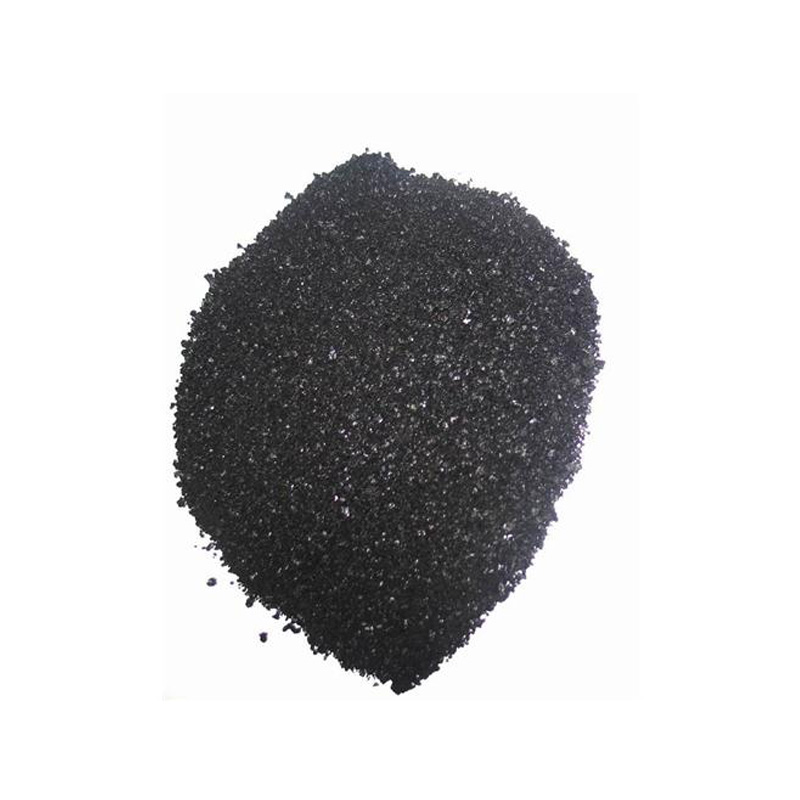
Sulphur Black
1.Name: sulphur black; Sulfur Black; Sulphur Black 1;
2.Structure formula:
3.Molecule formula: C6H4N2O5
4.CAS No.: 1326-82-5
5.HS code: 32041911
6.Product specification:Appearance:black phosphorus flakes; black liquid
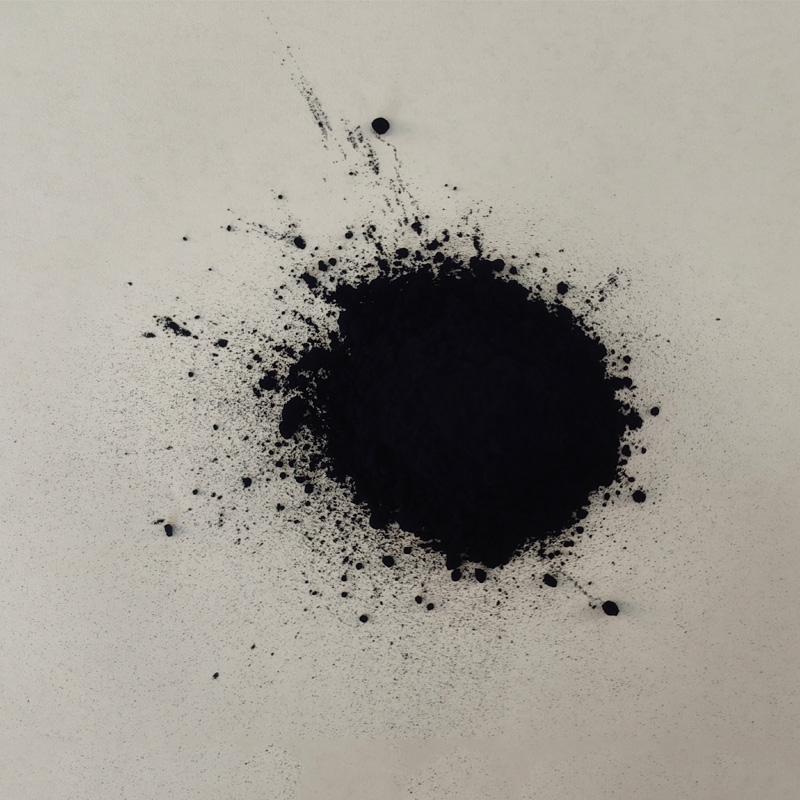
Bromo Indigo; Vat Bromo-Indigo; C.I.Vat Blue 5
1.Name: Bromo indigo; Vat bromo-indigo; C.I.Vat blue 5;
2.Structure formula:
3.Molecule formula: C16H6Br4N2O2
4.CAS No.: 2475-31-2
5.HS code: 3204151000 6.Major usage and instruction: Be mainly used to dye cotton fabrics.
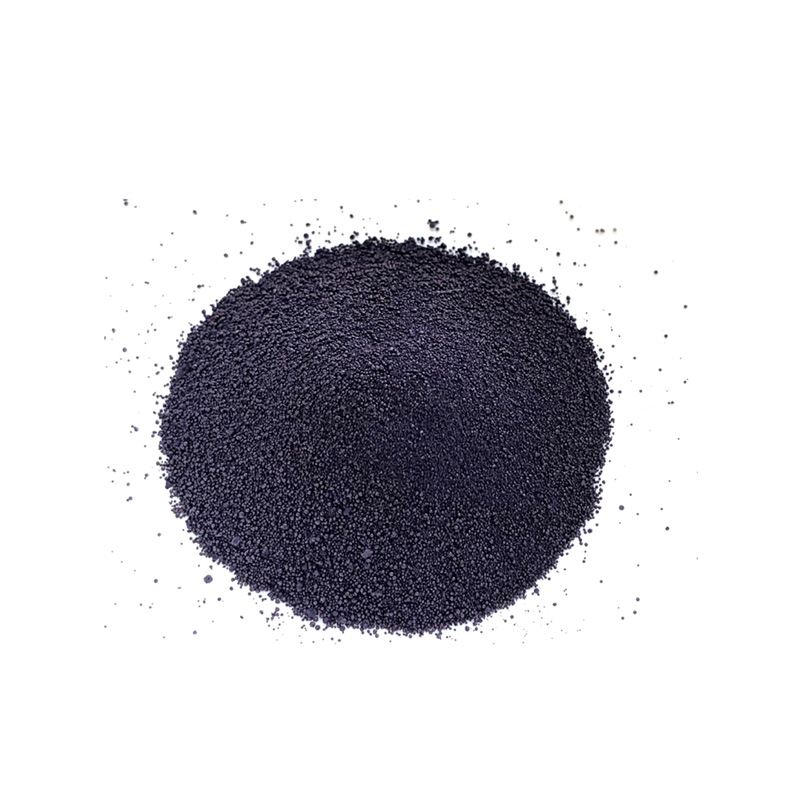
Indigo Blue Vat Blue
1.Name: indigo blue,vat blue 1,
2.Structure formula:
3.Molecule formula: C16H10N2O2
4.. CAS No.: 482-89-3
5.Molecule weight: 262.62
6.HS code: 3204151000
7.Major usage and instruction: Be mainly used to dye cotton fabrics.