

Exploring the Ancient Art of China Dyeing with Indigo Powder Traditions
China Dyeing with Indigo Powder: A Comprehensive Guide
For centuries, china dyeing with indigo powder has been a revered art form, producing textiles of exquisite blue hues. This natural dyeing process isn't just about aesthetics; it's a testament to sustainable practices and a rich cultural heritage. This article delves into the intricacies of indigo dyeing in China, covering its history, process, benefits, and modern applications. We’ll explore why this traditional technique continues to thrive in a world increasingly focused on eco-friendly solutions. Discover the unique qualities that set indigo-dyed fabrics apart.
The History of Indigo Dyeing in China
The use of indigo in China dates back over 2,000 years, with evidence found in archaeological discoveries from the Han dynasty. Initially, indigo was extracted from the Indigofera tinctoria plant, cultivated specifically for its dyeing properties. Over time, different methods of indigo extraction and fermentation evolved, resulting in varying shades of blue. The process became deeply intertwined with Chinese textile traditions, particularly in regions like Guizhou and Yunnan, where it remains a vital part of local cultures. Indigo dyeing techniques were often passed down through generations, preserving a wealth of knowledge and artistry. The quality of the indigo powder and the skill of the dyer significantly influenced the final product.
Key Highlights: Indigo dyeing in China has a rich history spanning over 2,000 years, deeply rooted in cultural traditions and passed down through generations.
The Indigo Dyeing Process: From Powder to Fabric
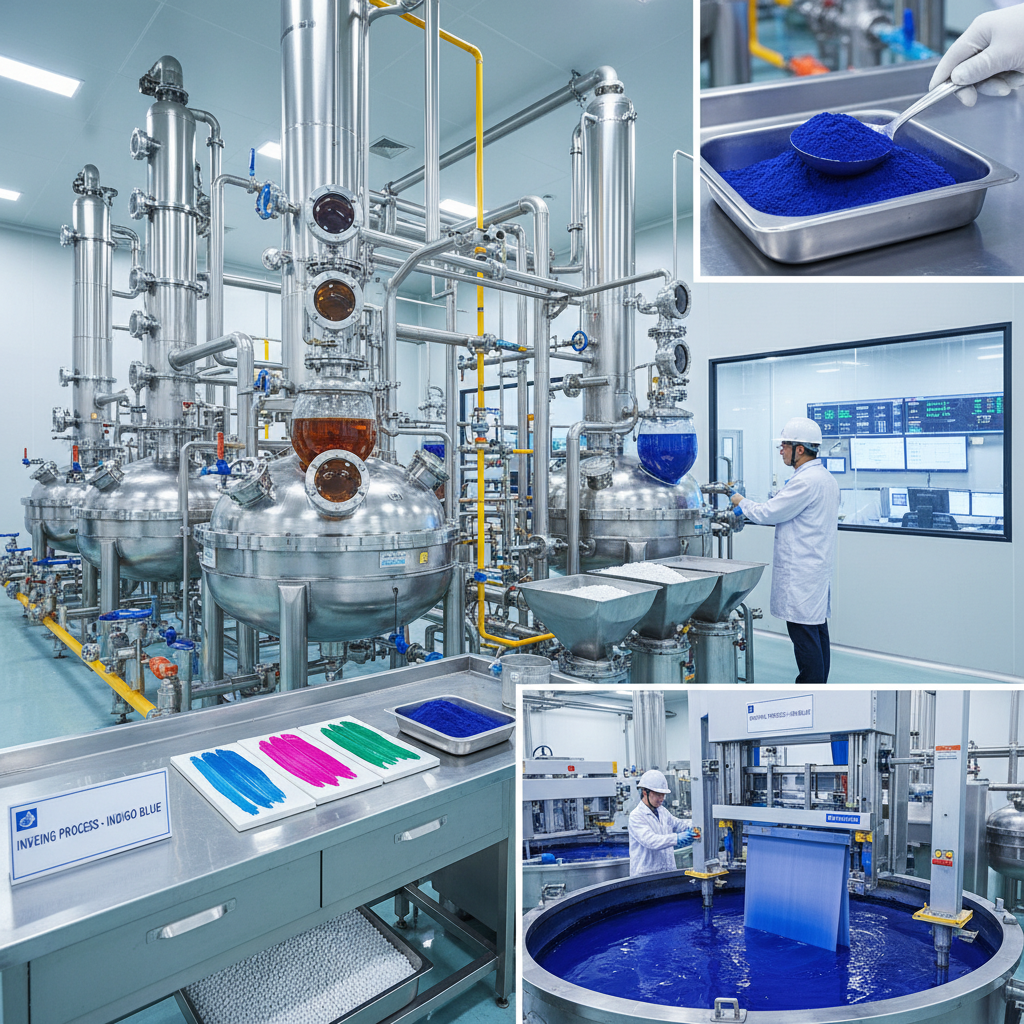
The process of dyeing with indigo powder is a complex one, involving fermentation, oxidation, and reduction. First, the indigo powder is dissolved in water and undergoes fermentation, typically using bran and lime. This creates a "vat" of indigo, which is then used to submerge the fabric. The fabric is repeatedly dipped and oxidized, gradually building up the desired depth of color. The number of dips determines the intensity of the blue. Finally, the fabric is rinsed and dried, revealing the beautiful indigo hue. Wuxin Group provides high quality indigo powder for consistent results.
Indigo Dyeing Steps:
• Indigo powder dissolution and fermentation.
• Fabric submersion and oxidation.
• Repeated dipping to achieve desired color depth.
• Rinsing and drying.
China Indigo Powder Quality and Grades
The quality of indigo powder dramatically impacts the final color and wash fastness of the dyed fabric. Chinese indigo powder is available in various grades, categorized by its indigo content and purity. Higher-grade powders produce deeper, more vibrant blues and demonstrate better color retention after washing. Factors affecting quality include the source of the indigo plant, the extraction method, and the purification process. At Wuxin Group, we ensure our indigo powder meets the highest standards of purity and quality.
Benefits of Using Natural Indigo Dye
Choosing natural indigo dye offers numerous advantages. It's a sustainable and eco-friendly alternative to synthetic dyes, minimizing environmental impact. Indigo-dyed fabrics are often softer and more breathable. Furthermore, natural indigo possesses inherent antibacterial properties. The unique nuances and variations in color achieved with natural dyeing add a distinctive character to each piece. Consumers are increasingly seeking ethically sourced and environmentally responsible products, driving the demand for indigo-dyed textiles. Wuxin Group is committed to providing sustainably sourced indigo powder.
Applications of Indigo-Dyed Fabrics Today
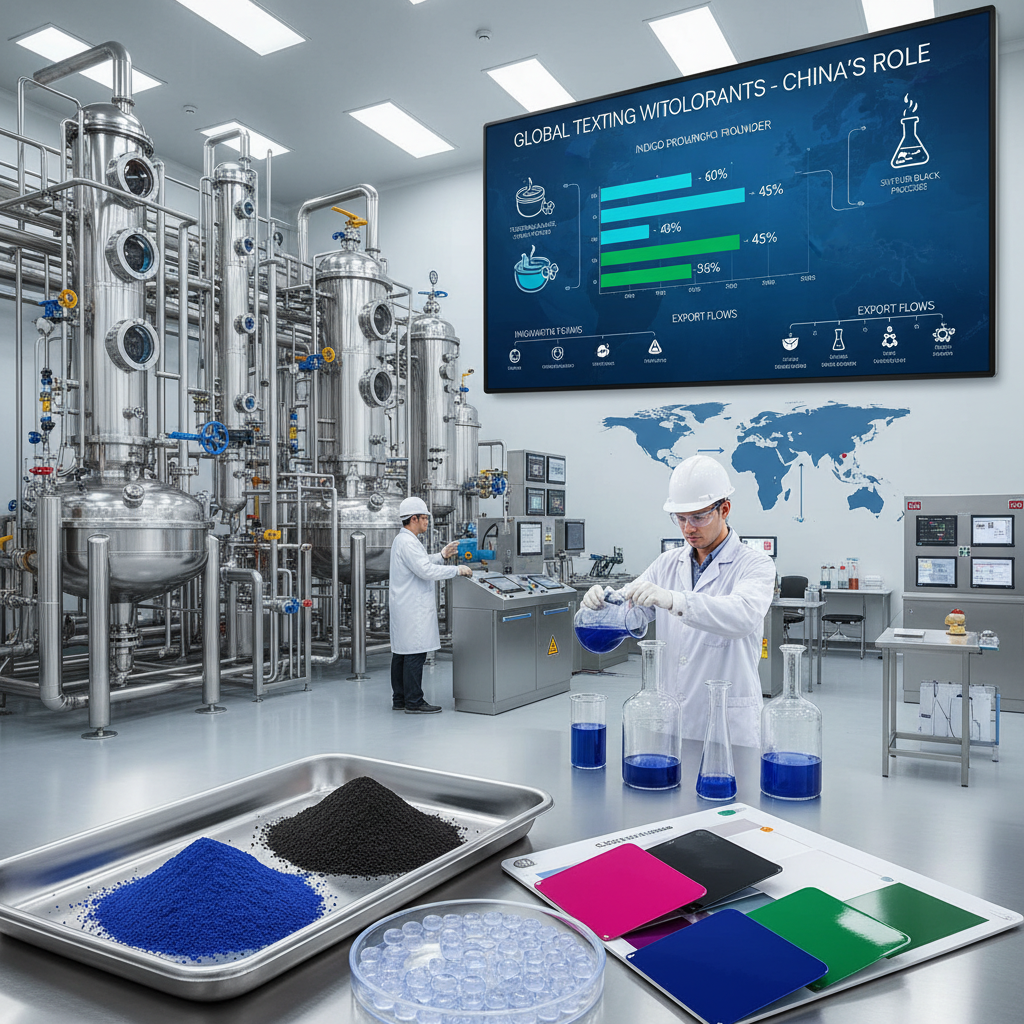
Today, indigo-dyed fabrics are used in a wide range of applications, from fashion and home textiles to art and crafts. Denim, perhaps the most iconic example, remains a staple in wardrobes worldwide. Indigo is also increasingly popular for creating unique and stylish clothing items like shirts, dresses, and scarves. In home decor, indigo-dyed textiles are used for curtains, bedding, and upholstery. Artisans continue to utilize indigo dyeing techniques to create beautiful and intricate artwork. The versatility and timeless appeal of indigo ensure its continued relevance in modern design.
Conclusion: Embracing the Legacy of China Indigo Dyeing
China's tradition of dyeing with indigo powder is a valuable heritage. By embracing sustainable practices and high-quality materials like those provided by Wuxin Group, we can continue to enjoy the beauty and benefits of this ancient art form for generations to come.
Frequently Asked Questions (FAQs)
What makes Chinese indigo powder unique?
Chinese indigo powder is renowned for its high indigo content and vibrant color. Traditional cultivation and processing methods contribute to its quality. Different regions in China produce indigo with unique characteristics due to variations in climate and soil. The fermentation processes used in China also differ, resulting in distinct color shades and fastness properties. This powder offers a unique depth and richness not always found in indigo from other sources.
Is indigo dyeing environmentally friendly?
Yes, indigo dyeing, when done naturally, is considerably more environmentally friendly than synthetic dyeing. Natural indigo is derived from a plant source and doesn’t rely on harsh chemicals or petroleum-based substances. The byproducts of natural indigo dyeing are biodegradable and have a minimal impact on the environment. Choosing indigo-dyed fabrics supports sustainable textile production practices. Wuxin Group prioritizes environmentally responsible sourcing.
How do I care for indigo-dyed clothing?
Indigo-dyed clothing requires special care to maintain its color and quality. Wash it separately in cold water with a mild detergent. Avoid using bleach or harsh chemicals. Turn the garment inside out before washing. Line drying is recommended to prevent fading. Some initial color bleeding is normal with indigo-dyed fabrics, so wash it a few times before wearing. Proper care will ensure your indigo-dyed garments remain vibrant for years.
Where can I purchase high-quality indigo powder?
Wuxin Group is a trusted supplier of high-quality indigo powder. We offer various grades to suit different dyeing needs. Our indigo powder is sourced responsibly and rigorously tested to ensure purity and consistency. We are committed to providing our customers with the best materials for their dyeing projects.
-
Mastering the Art of China Japanese Indigo Dyeing Traditions
NewsApr.16,2026
-
Exploring the Elegance of China Deep Indigo Color in Textiles
NewsApr.09,2026
-
Discover High Quality China Jeans Blue Indigo for Global Markets
NewsApr.07,2026
-
Exploring the Rich Tradition of China Natural Indigo Dyed Fabric
NewsApr.04,2026
-
Exploring China Indigo Color in Nature History and Modern Applications
NewsMar.31,2026
-
Discover High Quality China Pure Indigo Powder for Vibrant Natural Dyeing
NewsMar.28,2026
-
Exploring the Rich History of China True Blue Indigo Textiles
NewsMar.26,2026
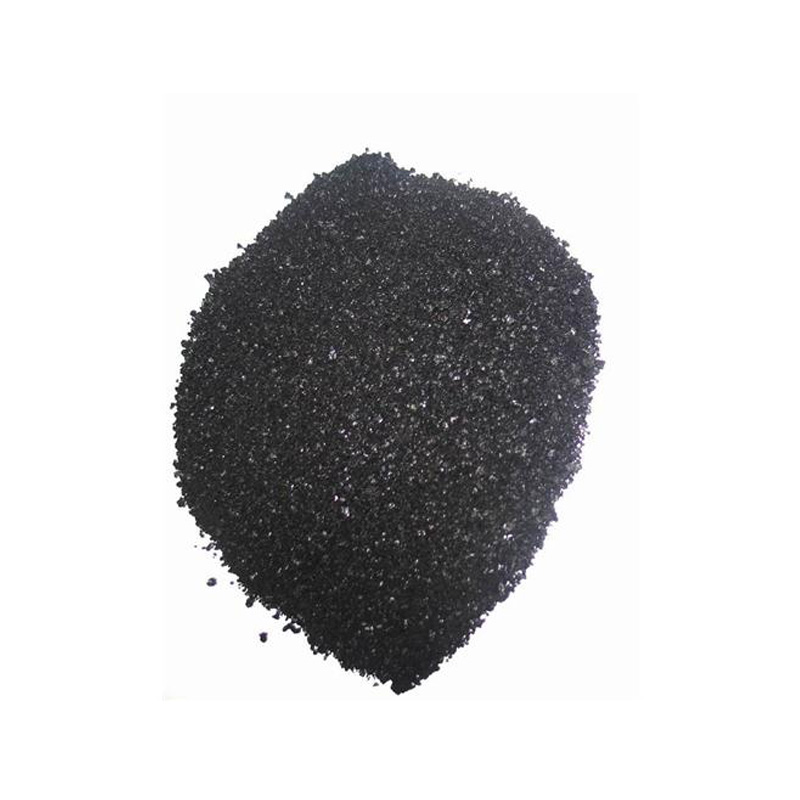
Sulphur Black
1.Name: sulphur black; Sulfur Black; Sulphur Black 1;
2.Structure formula:
3.Molecule formula: C6H4N2O5
4.CAS No.: 1326-82-5
5.HS code: 32041911
6.Product specification:Appearance:black phosphorus flakes; black liquid
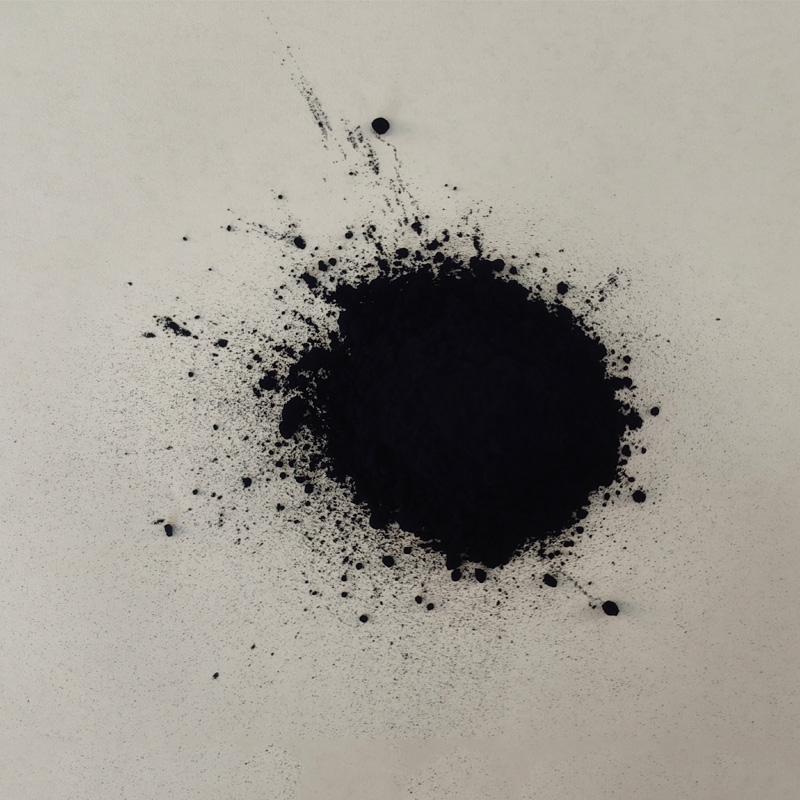
Bromo Indigo; Vat Bromo-Indigo; C.I.Vat Blue 5
1.Name: Bromo indigo; Vat bromo-indigo; C.I.Vat blue 5;
2.Structure formula:
3.Molecule formula: C16H6Br4N2O2
4.CAS No.: 2475-31-2
5.HS code: 3204151000 6.Major usage and instruction: Be mainly used to dye cotton fabrics.
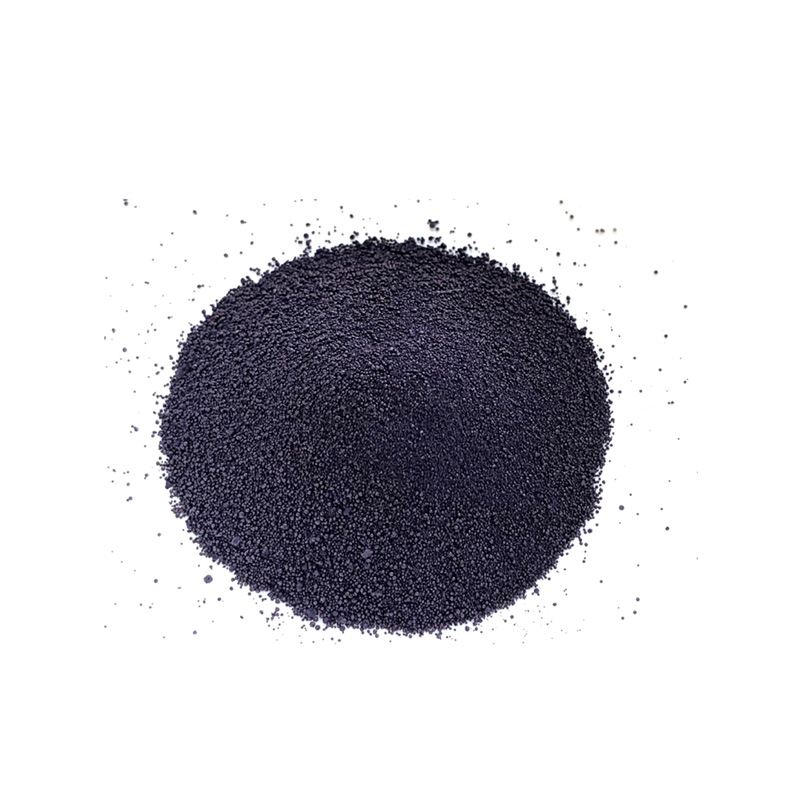
Indigo Blue Vat Blue
1.Name: indigo blue,vat blue 1,
2.Structure formula:
3.Molecule formula: C16H10N2O2
4.. CAS No.: 482-89-3
5.Molecule weight: 262.62
6.HS code: 3204151000
7.Major usage and instruction: Be mainly used to dye cotton fabrics.