

Exploring the Rich Heritage of China Tie Dye with Indigo and Artisanal Techniques
China Tie Dye with Indigo: A Timeless Art Form
For centuries, China tie dye with indigo has been a celebrated craft, deeply rooted in tradition and artistry. This unique textile technique, utilizing the natural dye derived from indigo plants, creates stunning and intricate patterns on fabrics. More than just a visually appealing art form, indigo tie dye represents a cultural heritage, showcasing the skill and creativity of Chinese artisans. We at Wuxin Group are proud to preserve and promote this beautiful tradition.
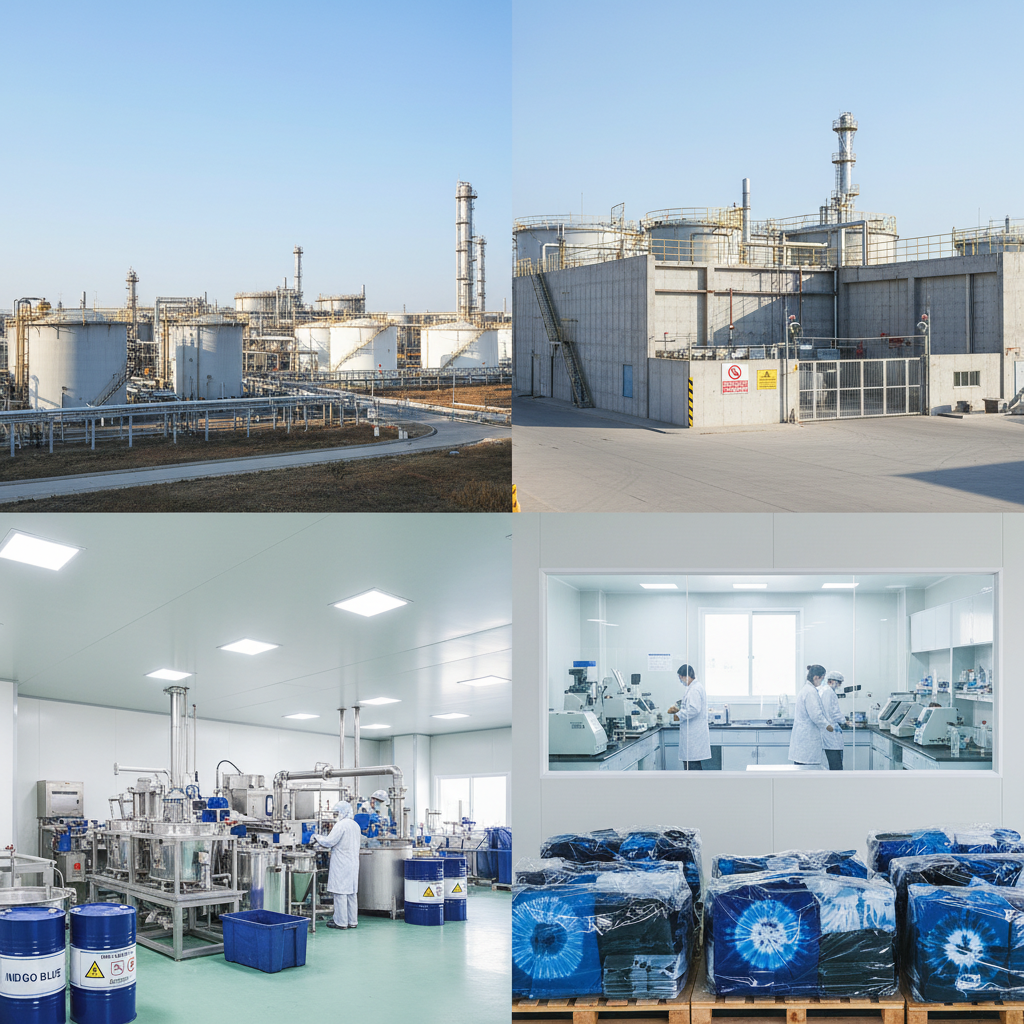
The History and Significance of Indigo Dyeing in China
The practice of indigo dyeing in China dates back over 2,000 years, with evidence found in ancient archaeological sites. Initially, indigo wasn’t just used for aesthetics; it held practical significance, with its believed antibacterial properties adding value to clothing and textiles. Over time, different regions developed their own unique tie-dye techniques, reflecting local customs and artistic preferences. From the intricate patterns of Guizhou province to the bolder designs of Yunnan, each region boasts a distinct style. This vibrant artform speaks to a rich cultural legacy, passed down through generations of skilled artisans. Wuxin Group is dedicated to showcasing these diverse regional styles.
Key Highlight: Indigo dyeing in China isn't merely a craft; it’s a living testament to centuries of artistic tradition and cultural heritage.
The Traditional Techniques Behind China Tie Dye with Indigo
The process of creating indigo tie dye is remarkably intricate. It typically involves binding, stitching, folding, twisting, or crumpling the fabric before submerging it in an indigo dye bath. These binding methods create resist patterns, preventing the dye from reaching certain areas of the cloth. The number of dips in the dye bath, along with the specific binding techniques, determines the depth and complexity of the final design. Once dyed, the bindings are removed, revealing the captivating patterns. The natural indigo dye creates a range of beautiful blue hues, from pale sky blue to deep, rich indigo. Wuxin Group carefully employs these traditional methods.
Common Tie-Dye Techniques:
• Binding (结扎 - jiézhā): Fabric is tied with string or thread.
• Folding (折叠 - zhédié): Fabric is folded into various patterns before dyeing.
• Stitching (缝扎 - féngzhā): Fabric is stitched with thread to create patterns.
• Wax Resist (蜡染 - làrǎn): Though less common in traditional indigo dye, wax is sometimes used.
China Tie Dye with Indigo: Regional Variations and Styles
Different provinces in China have developed their own distinctive tie-dye styles. Guizhou province is renowned for its intricate and detailed patterns, often depicting symbolic imagery. Yunnan province’s tie dye is known for its bolder, more graphic designs. Shaanxi province showcases tie-dye featuring geometric shapes and floral motifs. These regional differences highlight the incredible diversity within Chinese indigo tie dye. Wuxin Group works with artisans from various regions, ensuring a broad and authentic collection.
Modern Applications and the Future of Indigo Tie Dye
Today, China tie dye with indigo is experiencing a resurgence in popularity, both domestically and internationally. It’s being incorporated into modern fashion, home décor, and art installations. Designers are embracing the unique aesthetic and cultural significance of this traditional craft. At Wuxin Group, we're committed to supporting sustainable practices and empowering artisans, ensuring this art form continues to thrive for generations to come. The increasing global awareness of sustainable and ethical fashion further fuels the demand for handcrafted, naturally dyed textiles.
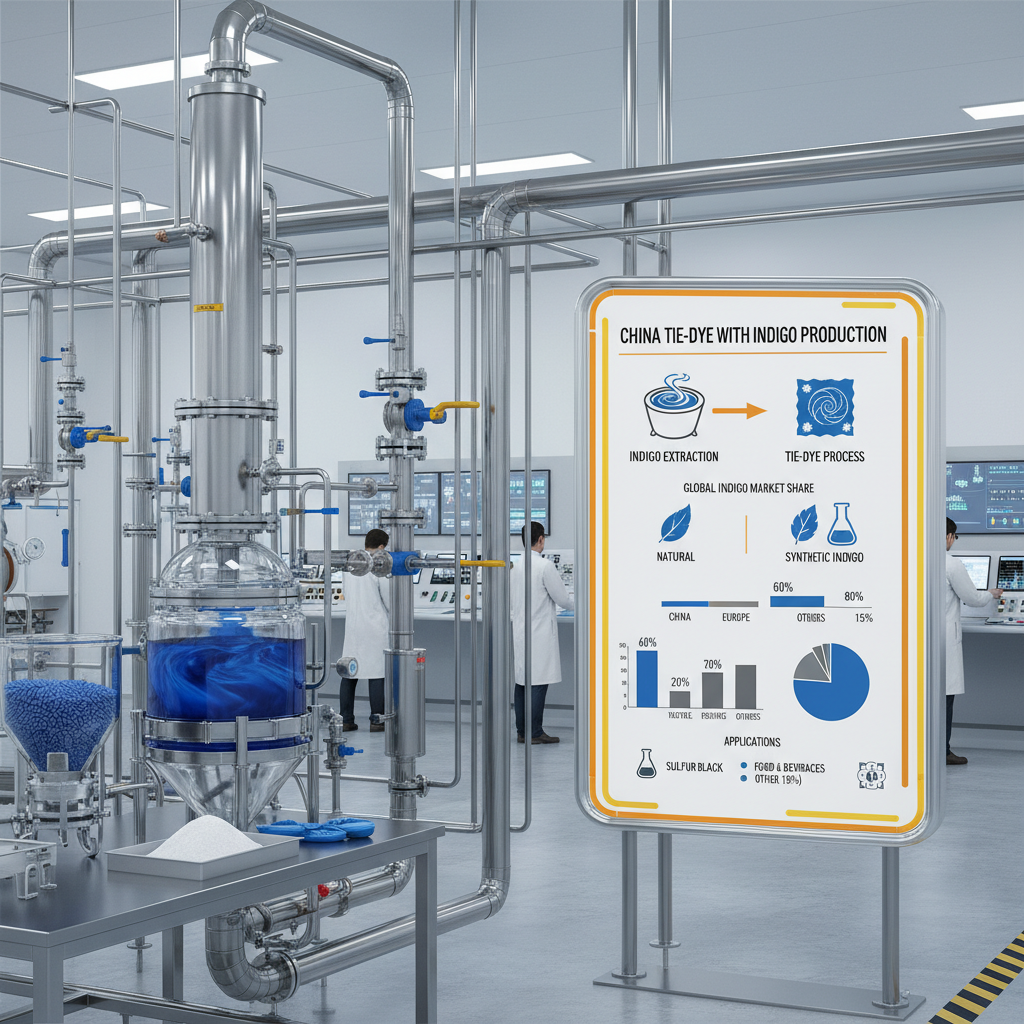
Product Specifications & Quality Control
At Wuxin Group, we prioritize quality in every piece of indigo tie dye we offer. We ensure the indigo used is naturally sourced and that the dyeing process is environmentally friendly. Each product undergoes rigorous quality control to guarantee colorfastness, durability, and pattern accuracy. We adhere to strict ethical sourcing standards, working directly with artisans to provide fair wages and sustainable livelihoods.
Conclusion: Embrace the Beauty and Heritage of China Tie Dye with Indigo
China tie dye with indigo represents more than just a textile; it's a story woven with history, artistry, and cultural significance. Wuxin Group is proud to be a part of preserving and promoting this beautiful tradition, offering exquisite pieces crafted with care and respect for this ancient artform. Explore our collection and experience the timeless allure of indigo tie dye.
Frequently Asked Questions (FAQs)
How do I care for my indigo tie-dye garment?
To maintain the vibrancy of your indigo tie-dye garment, we recommend hand washing it in cold water with a mild detergent. Avoid using bleach or harsh chemicals. Turn the garment inside out before washing to protect the dye. Hang or lay flat to dry, avoiding direct sunlight. Indigo dye may bleed slightly in the first few washes, which is normal. Washing with similar colors can help prevent discoloration of other items. Proper care will ensure your tie-dye piece remains beautiful for years to come.
Is the indigo dye used environmentally friendly?
Yes, at Wuxin Group, we prioritize using natural indigo dye that is sourced responsibly and produced using environmentally friendly methods. We avoid synthetic dyes and chemicals that can harm the environment. Our commitment to sustainability extends to our sourcing practices, ensuring fair treatment of artisans and minimizing our ecological footprint.
What makes China tie dye unique compared to tie dye from other countries?
Chinese indigo tie dye distinguishes itself through its intricate and diverse regional styles, deeply rooted in centuries-old traditions. The techniques, patterns, and symbolic meanings vary significantly across provinces like Guizhou, Yunnan, and Shaanxi. The use of natural indigo and the meticulous craftsmanship are hallmarks of this art form. While tie dye exists in other cultures, China’s version boasts a unique heritage and artistic expression that sets it apart.
Can I find custom tie-dye designs through Wuxin Group?
Yes, Wuxin Group offers custom tie-dye design services. We can work with you to create unique patterns and color combinations tailored to your specific preferences. Contact us with your ideas, and our skilled artisans will bring your vision to life. This is a great option for personalized gifts, branding opportunities, or special projects.
-
Mastering the Art of China Japanese Indigo Dyeing Traditions
NewsApr.16,2026
-
Exploring the Elegance of China Deep Indigo Color in Textiles
NewsApr.09,2026
-
Discover High Quality China Jeans Blue Indigo for Global Markets
NewsApr.07,2026
-
Exploring the Rich Tradition of China Natural Indigo Dyed Fabric
NewsApr.04,2026
-
Exploring China Indigo Color in Nature History and Modern Applications
NewsMar.31,2026
-
Discover High Quality China Pure Indigo Powder for Vibrant Natural Dyeing
NewsMar.28,2026
-
Exploring the Rich History of China True Blue Indigo Textiles
NewsMar.26,2026
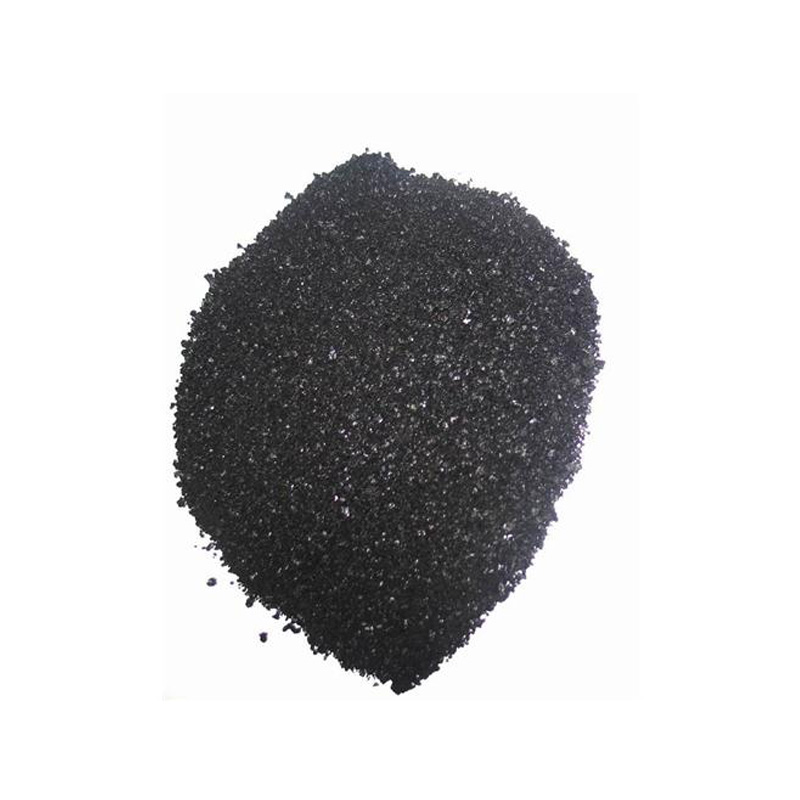
Sulphur Black
1.Name: sulphur black; Sulfur Black; Sulphur Black 1;
2.Structure formula:
3.Molecule formula: C6H4N2O5
4.CAS No.: 1326-82-5
5.HS code: 32041911
6.Product specification:Appearance:black phosphorus flakes; black liquid
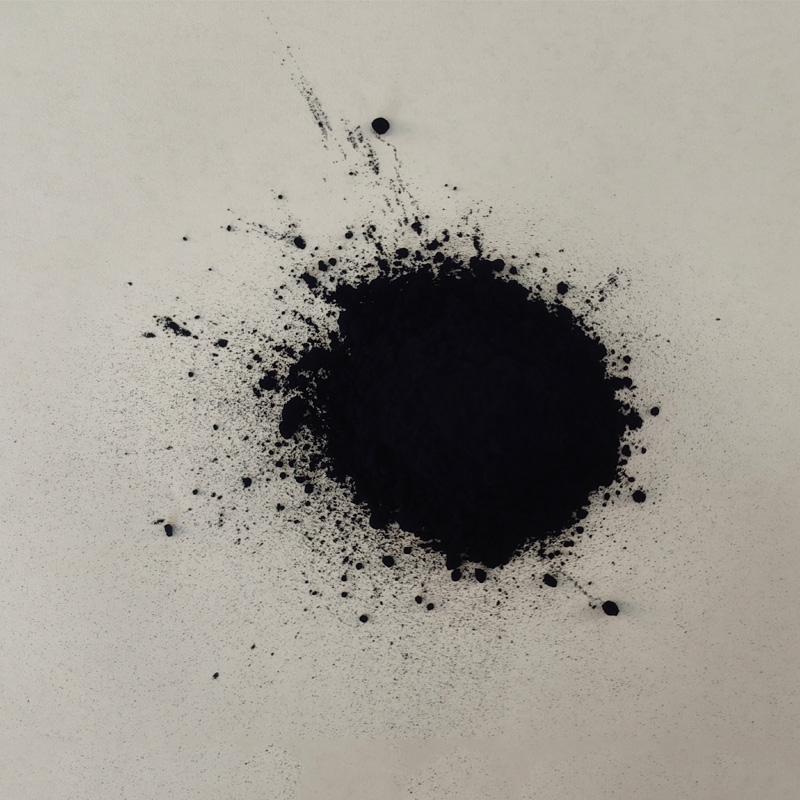
Bromo Indigo; Vat Bromo-Indigo; C.I.Vat Blue 5
1.Name: Bromo indigo; Vat bromo-indigo; C.I.Vat blue 5;
2.Structure formula:
3.Molecule formula: C16H6Br4N2O2
4.CAS No.: 2475-31-2
5.HS code: 3204151000 6.Major usage and instruction: Be mainly used to dye cotton fabrics.
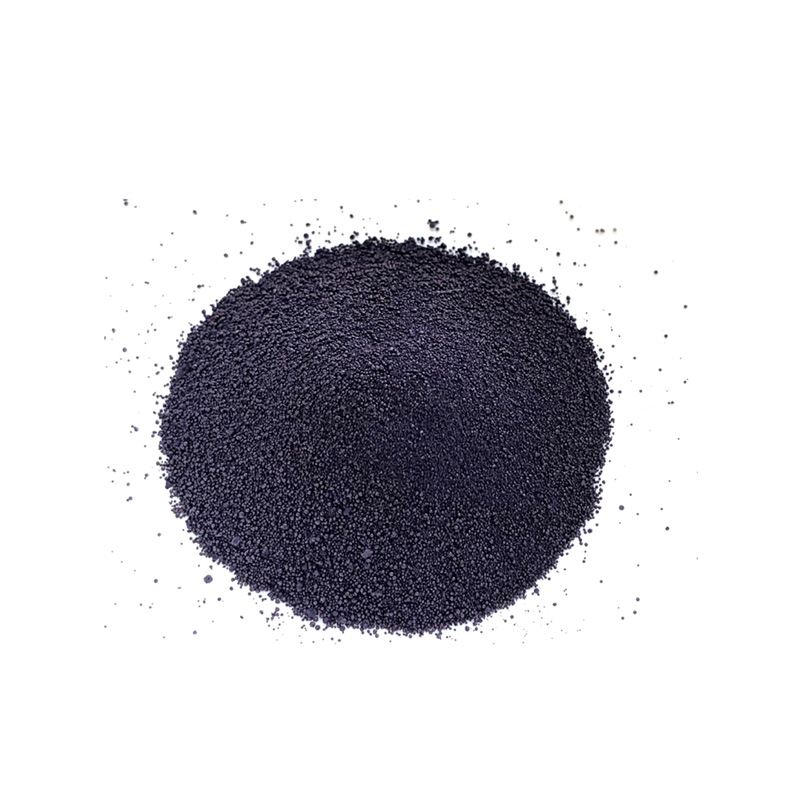
Indigo Blue Vat Blue
1.Name: indigo blue,vat blue 1,
2.Structure formula:
3.Molecule formula: C16H10N2O2
4.. CAS No.: 482-89-3
5.Molecule weight: 262.62
6.HS code: 3204151000
7.Major usage and instruction: Be mainly used to dye cotton fabrics.