

Discover DIY Indigo: Sustainable Natural Dyeing for Artisans & Innovators
DIY Indigo: Why It’s Making Waves Worldwide
So, what exactly is this diy indigo buzz all about? In a nutshell, it’s about creating your own indigo dyeing process from scratch. This isn’t just some niche artisan thing anymore — it’s a global movement with meaningful impacts in sustainability, traditional artistry, and even small-scale industry. As we grapple with environmental challenges and a hunger for authentic, locally made products, DIY indigo provides a neat, hands-on way to reconnect with natural dyes that have colored textiles for centuries.
Whether you’re an eco-conscious crafter or a textile professional interested in alternative dyes, understanding diy indigo unveils a world where innovation meets age-old practice. The benefits? Reduced chemical dependence, cultural preservation, cost savings, and fresh business possibilities. And honestly, it’s pretty satisfying to watch your fabric bloom with that deep rich blue you can’t quite get from synthetic means.
Global Context: Indigo’s Resurgence in a Modern World
Indigo has a history stretching back thousands of years — once dubbed “blue gold” for its value in trade and culture. Even today, the global dye market pulls in billions, with synthetic indigo dominating the commercial side. Yet, diy indigo slowly pushes back against mass production trends. According to an ISO report on sustainable textile innovations (ISO/TR 20697), natural dyeing techniques are gaining traction worldwide for their lower environmental footprint.
Here’s where it gets interesting: About 20% of the global textile industry's water pollution comes from synthetic dyeing processes (UN Environment Programme). DIY indigo approaches drastically reduce pollutants, especially when paired with organic fermentation methods.
Of course, this shift is not without challenges—things like consistency or scalability—but the appeal is undeniable. Artisans in India, West Africa, Japan, and even urban DIY studios in Europe and North America embrace this as both cultural preservation and practical innovation.
Mini takeaway:
- DIY indigo addresses pollution and cultural loss.
- Growing interest worldwide in sustainable dye alternatives.
- Opportunity for artisans and small manufacturers to revive heritage crafts.
What Exactly Is DIY Indigo?
Put simply, diy indigo refers to the process where individuals or small groups prepare indigo dye using natural materials and traditional or hybrid methods – often fermenting leaves from Indigofera plants or using indigo powder in homemade vats. Unlike synthetic indigo, DIY methods emphasize natural ingredients, slower but more eco-friendly processes, and hands-on engagement.
The connection to the modern industry? It’s a form of decentralized, sustainable production. Instead of depending on global chemical pigment factories, DIY indigo empowers producers—often in rural or remote areas—to create high-quality dye on-site, reducing shipping emissions, costs, and chemical waste.
From a humanitarian angle, some NGOs use DIY indigo projects to create sustainable income streams in developing regions, fostering social enterprise while preserving tradition.
Mini takeaway:
- DIY indigo combines natural plant material and traditional fermentation or vat methods.
- Bridges small-scale artisanal work with modern eco-conscious manufacturing.
- Enables social innovation and community empowerment.
Core Components of DIY Indigo
1. Raw Materials: Indigofera Plants and Alternatives
True DIY indigo typically uses indigofera leaves, but some experiments include woad leaves and other local plants with indigo precursors. The quality of plant material impacts color intensity and vat behavior drastically.
2. Vat Preparation & Fermentation
The magic happens here. Fermentation transforms indigotin precursors to soluble indigo dye. Many DIY setups involve natural fermentation vats lasting days, often stirred and maintained carefully. Some artisans add natural reducing agents like fructose or henna.
3. Fabric Preparation & Application
Properly cleaned and wetted fabric absorbs dye better. Layers and multiple dips create depth. This step requires patience but profoundly affects the final shade and durability.
4. Sustainability and Waste Management
One of the pillars of DIY indigo is environmental care — spent leaves, vats, and rinse water need eco-conscious disposal or reuse, often composting or safe “return to earth” strategies.
5. Scalability & Customization
While DIY usually means small batches, the methods are flexible enough to scale moderately or modify for product-specific needs (e.g., yarns vs. cotton cloth).
Mini takeaway:
- The process combines careful plant selection, fermentation chemistry, technique, and environmental ethics.
- Mastery over each component yields vibrant, long-lasting results.
Real-World Applications & Who’s Using DIY Indigo?
From cooperative artisan studios in Burkina Faso to indie British fashion labels, DIY indigo has a broad berth of real-life uses. In regions with rich plant biodiversity, handmade indigo dyeing helps preserve heritage techniques while supporting local economies. For example, in Japan’s Tokushima Prefecture, traditional indigo dyeing meets sustainable entrepreneurship through local tourism and product lines.
Industrially, some sustainable textile startups experiment with small DIY-inspired vats before scaling up, emphasizing quality over volume — a trend particularly popular in slow fashion circles.
NGOs even leverage DIY indigo for vocational training in disaster-prone areas, educating communities on income generation and cultural pride simultaneously.
Mini takeaway:
- DIY indigo has value across cultures and economies.
- From slow fashion to humanitarian projects, it’s a versatile approach.
Advantages & Lasting Impacts of DIY Indigo
- Environmental-friendly: Dramatically reduced water chemical load compared to synthetic dyes.
- Cost-effective: Natural materials and simpler vats lower expenses.
- Cultural value: Strong connection to heritage and craftsmanship enhances product stories.
- Community empowerment: Small-scale techniques create local jobs and skills.
- Aesthetic uniqueness: No two DIY indigo-dyed fabrics look exactly the same, creating genuine artisan value.
The emotional angle matters, too — customers increasingly care about the story behind a product. DIY indigo offers authenticity and trust, a break from homogenized synthetic fashion.
Product Specification Table: Typical DIY Indigo Dye Vat Setup
| Component | Description | Typical Range / Specs |
|---|---|---|
| Indigo Source | Fresh indigofera leaves or indigo powder | 500g – 2 kg per 10L vat |
| Reducing Agent | Natural sugars (fructose) or sodium hydrosulfite | 20–100g per vat |
| pH Level | Alkaline environment | 11–13 (adjusted with lime or ash) |
| Fermentation Time | Natural conversion of indigo precursors | 3–5 days |
| Fabric Type | Cotton, silk, wool | Pre-washed and damp |
DIY Indigo Vendors: How Do They Compare?
| Vendor | DIY Kit Availability | Sustainability Focus | Global Shipping | Price Range (USD) |
|---|---|---|---|---|
| Indigology Co. | Complete kits (powder + tools) | High (organic powders, eco packaging) | Yes | $40–$70 |
| Wuxin Group | Custom vats and materials | Medium (some synthetic helpers) | Yes, with MOQ | $150+ (bulk) |
| Farm to Fabric | Plant leaves + DIY guides | Very High (farm-to-home approach) | Limited (local only) | $10–$30 |
Looking Ahead: Trends and Innovations in DIY Indigo
The future? Frankly, it looks bright — or, well, deep blue. Innovations include microbial fermentation optimization, “smart vats” using sensors to monitor pH and oxygen, and hybrid kits blending natural and synthetic stains for consistent colorfastness.
Green energy inputs and bio-based reducing agents aim to further reduce the ecological footprint. The digital transformation means more tutorials, communities, and marketplaces online. And since local sourcing remains key, urban farming for indigo plants grows as a trend.
Challenges & How to Navigate Them
Of course, challenges linger. Consistency of color, controlling fermentation, and scaling are tricky without experience or equipment. Plus, initial costs and time investment can discourage newcomers.
But—many experts suggest—a community approach, shared workspaces, and modular kits reduce these barriers. Also, some vendors offer hybrid solutions blending DIY and industrial reliability.
FAQ: Your DIY Indigo Questions Answered
Q1: How long does a DIY indigo vat typically last?
A1: Most natural indigo vats last between 7 to 14 days, depending on maintenance, temperature, and materials used. Regular stirring and careful pH monitoring help extend vat life, but expect to refresh the mixture often for consistent results.
Q2: Can I use DIY indigo on all fabrics?
A2: While cotton and wool accept indigo beautifully, synthetic fabrics generally don’t absorb natural indigo well. For best results, pre-wash natural fibers and ensure they’re damp before dyeing.
Q3: Is DIY indigo truly eco-friendly compared to synthetic dyes?
A3: Absolutely, when done carefully. You're avoiding harsh chemicals, reducing wastewater toxins, and often upcycling plant material. That said, disposal practices and resource use matter — composting spent leaves is key.
Q4: Where can I source indigofera leaves for DIY dyeing?
A4: Depending on your region, local nurseries, online botanical suppliers, or sustainable farms may offer indigofera plants. Some suppliers specialize in farm-to-dye kits, which help beginners get started quickly.
Q5: How can NGOs use DIY indigo to support communities?
A5: NGOs can combine vocational training with sustainable practices, teaching locals to prepare dye and create marketable products. This fosters income generation, cultural preservation, and environmental stewardship — a win-win all around.
Wrapping Things Up: Why DIY Indigo Matters
In real terms, embracing diy indigo blends heritage, sustainability, and innovation into one vivid tapestry. It reconnects us to natural resources, empowers smaller producers, and pushes back against the uninspired uniformity of synthetic dyes. Whether you’re a crafter, a business, or just someone intrigued by making things with your hands, the indigo vat is your gateway to a timeless blue with a modern heart.
Interested? Visit our website for tailored DIY indigo solutions and resources. Let’s bring color and care back into the way we dye.
References
-
Mastering the Art of China Japanese Indigo Dyeing Traditions
NewsApr.16,2026
-
Exploring the Elegance of China Deep Indigo Color in Textiles
NewsApr.09,2026
-
Discover High Quality China Jeans Blue Indigo for Global Markets
NewsApr.07,2026
-
Exploring the Rich Tradition of China Natural Indigo Dyed Fabric
NewsApr.04,2026
-
Exploring China Indigo Color in Nature History and Modern Applications
NewsMar.31,2026
-
Discover High Quality China Pure Indigo Powder for Vibrant Natural Dyeing
NewsMar.28,2026
-
Exploring the Rich History of China True Blue Indigo Textiles
NewsMar.26,2026
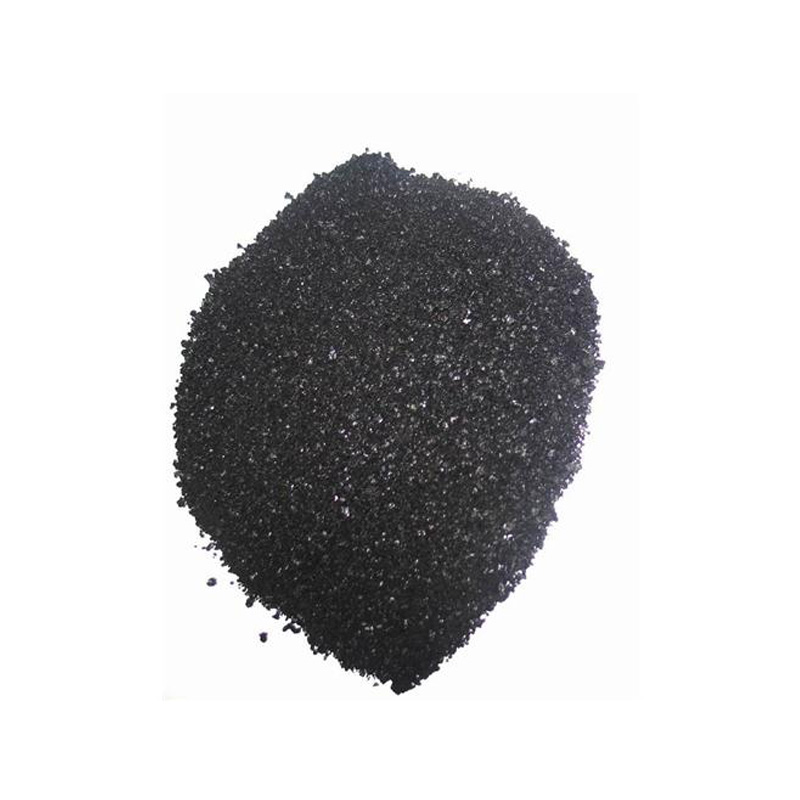
Sulphur Black
1.Name: sulphur black; Sulfur Black; Sulphur Black 1;
2.Structure formula:
3.Molecule formula: C6H4N2O5
4.CAS No.: 1326-82-5
5.HS code: 32041911
6.Product specification:Appearance:black phosphorus flakes; black liquid
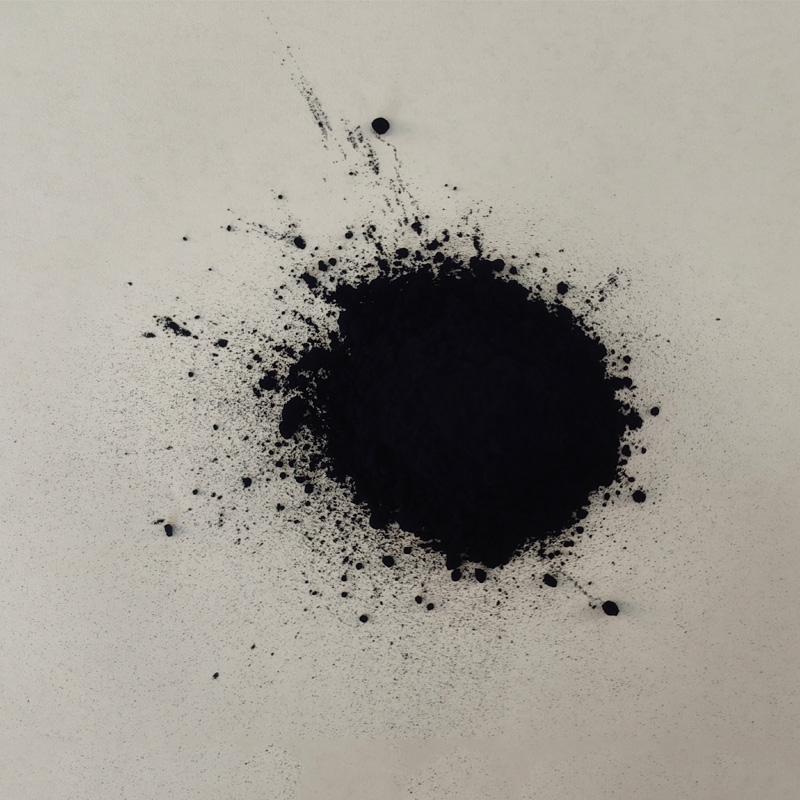
Bromo Indigo; Vat Bromo-Indigo; C.I.Vat Blue 5
1.Name: Bromo indigo; Vat bromo-indigo; C.I.Vat blue 5;
2.Structure formula:
3.Molecule formula: C16H6Br4N2O2
4.CAS No.: 2475-31-2
5.HS code: 3204151000 6.Major usage and instruction: Be mainly used to dye cotton fabrics.
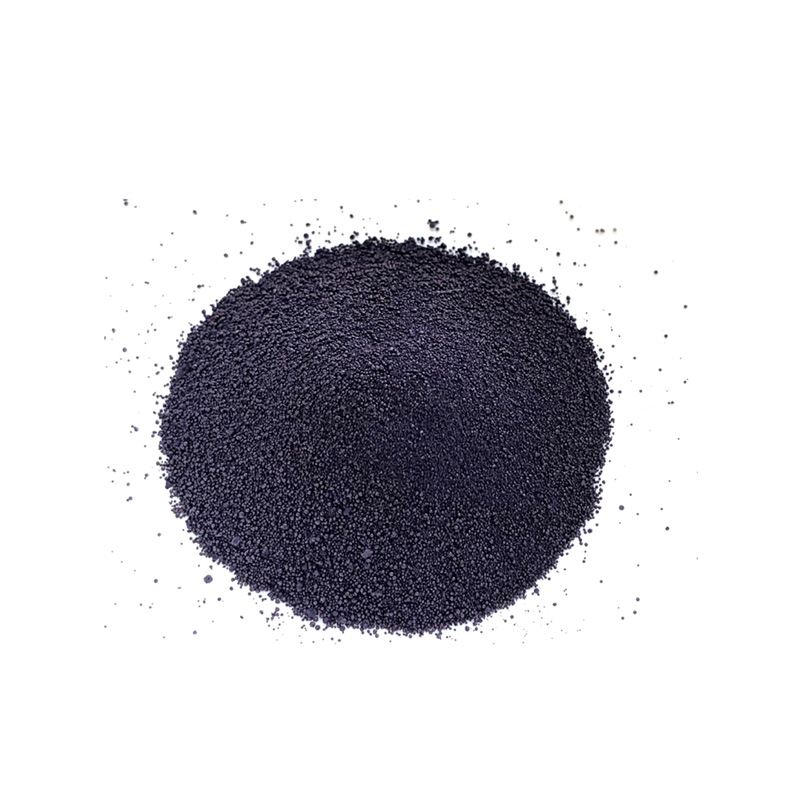
Indigo Blue Vat Blue
1.Name: indigo blue,vat blue 1,
2.Structure formula:
3.Molecule formula: C16H10N2O2
4.. CAS No.: 482-89-3
5.Molecule weight: 262.62
6.HS code: 3204151000
7.Major usage and instruction: Be mainly used to dye cotton fabrics.