

Discover High Quality Dyeing with Indigo Powder | Sustainable Indigo Dye Solutions
Understanding High Quality Dyeing with Indigo Powder: Why It Matters Globally
Indigo dyeing isn’t just an ancient craft tucked away in some remote village anymore. It’s resurging as a globally important process that blends tradition with modern industrial standards. High quality dyeing with indigo powder is gaining traction worldwide because it offers vibrant colors, sustainable sourcing, and unique textile qualities that manufacturers and artisans alike covet. But beyond aesthetics, this dyeing method addresses pressing industry challenges – environmental sustainability, product durability, and cultural heritage preservation.
Understanding these benefits is crucial for textile businesses, environmentalists, and even humanitarian organizations who rely on affordable, eco-friendly, and resilient fabric treatments. The impact spans from remote artisan communities to large-scale apparel production hubs — plus, it influences consumer choices globally in a surprisingly tangible way.
Mini takeaway: High quality indigo powder dyeing is more than a color technique; it’s a global connector of tradition, industry, and sustainability.
The Global Context: Why Indigo Dyeing Still Colors Our World
Did you know that the global textile market is expected to reach $1.3 trillion by 2027? (World Bank, 2023). Within this immense industry, natural dyes like indigo are carving out a niche for their eco-conscious appeal. The United Nations pushes for sustainable industrial practices (ISO 14001 standards) that prioritize environmental responsibility — something synthetic dyes often fail to meet.
However, synthetic dyes dominate because they are cheap and quick. Yet they bring heavy pollution problems. This is where high quality dyeing with indigo powder poses an interesting solution. Indigo, derived from the Indigofera plant, can offer a biodegradable, low-impact alternative if processed correctly.
Still, challenges remain: traditional indigo dyeing involves complex fermentation steps and easily fades if not handled with expertise — issues the modern industrial world must overcome to truly scale it up without quality loss.
Mini takeaway: The textile industry's sustainability push gives natural indigo dyeing a competitive edge, but balancing traditional quality with scalability is the key hurdle.
What Exactly is High Quality Dyeing with Indigo Powder?
To put it simply: it’s a precise method of coloring fabrics using powdered indigo pigment that has been refined for high purity and consistent results. Unlike crude natural dyes, this powder ensures intense, long-lasting blues on cotton, wool, silk, and even synthetics treated for dye affinity.
The process often involves careful alkalization and reduction steps — chemically turning colorless indigo into a soluble form that penetrates fibers, then oxidizes back to the signature blue when exposed to air.
In today’s industry, this isn’t just about looks; it directly ties into durability, washfastness, and toxicity standards required by brands selling in regulated markets. More so, it connects to humanitarian needs — for example, producing eco-safe textiles for disaster relief uniforms or culturally relevant items supporting local economies.
Mini takeaway: High quality dyeing with indigo powder is a sophisticated fusion of chemistry and craftsmanship enabling vibrant, durable colors aligned with modern industry demands.
Core Components of Effective Indigo Powder Dyeing
1. Purity & Particle Size
The finer and more uniform the indigo powder particles, the better they dissolve during the reduction process. Impurities can cause uneven coloring or weaker fastness.
2. pH Control & Alkalization
Maintaining an alkaline environment (pH ~11) is critical for transforming indigo into its soluble leuco form. This chemical dance is vital — miss a beat, and blues turn patchy.
3. Oxidation Timing
Once fabric is dipped, timing exposure to air ensures the pigment turns back into vibrant, insoluble blue locked inside the fibers.
4. Fiber Compatibility
Natural fibers like cotton and wool absorb indigo powder differently than synthetics. Adjustments in formulation allow tailored dye uptake.
5. Environmental Controls
Temperature and water quality impact reduction efficiency and overall dye quality. Industrial setups increasingly automate these variables.
6. Post-Dyeing Treatments
Rinsing, fixing agents, and drying methods further optimize colorfastness and fabric hand feel.
Mini takeaway: Indigo powder dyeing is a nuanced chemistry and process control challenge – not “just soaking in blue”!
Where in the World & Industry is Indigo Powder Dyeing Making a Mark?
Indigo dyeing thrives in vibrant hubs such as India’s Rajasthan, Japan’s Aizome region, and West African textile centers. But modern use extends to:
- Fashion & Apparel Manufacturing: Premium denim and artisan-inspired collections in Europe and North America.
- Home Textiles: Indigos are favored for eco-friendly upholstery and linens.
- Humanitarian Clothing: Durable, non-toxic uniforms for NGOs working in fragile contexts.
- Craft & Cultural Revitalization: Indigenous groups reclaiming traditional dyeing techniques to bolster local economies.
For instance, a recent project in Bangladesh blends industrial-grade indigo powder with local craftsmanship to produce fade-resistant garments for export, marrying tradition with modern standards.
Mini takeaway: From artisan villages to industrial parks, indigo powder dyeing is both a cultural treasure and a modern industrial tool.
Advantages & The Long-Term Value of Using Indigo Powder
There are plenty, but here are the essentials:
- Environmental Benefits: Reduced chemical waste, biodegradable residues, and lower water contamination compared to synthetic dyes.
- Durability: Indigo’s unique chemical bond with cellulose fibers yields excellent washfastness and lightfastness.
- Cost Efficiency: While sometimes pricier initially, indigo powder’s concentrated strength reduces waste and re-dye needs.
- Cultural & Social Impact: Supporting natural dye industries helps preserve craftsmanship and create employment in marginalized regions.
- Brand Differentiation: Especially important for sustainable fashion brands that want authentic, traceable raw materials.
Emotionally, wearing indigo-dyed products often connects consumers to a story — something authentic and artisanal, with a conscience.
Mini takeaway: The value is as much about sustainability and heritage as it is about the striking blues themselves.
Looking Ahead: Trends and Innovations in Indigo Powder Dyeing
Tech is lacing into tradition. Some promising developments include:
- Digital Color Monitoring: Real-time adjustments to maintain dye bath consistency using AI-driven sensors.
- Bio-Refining Indigo: Using biotech methods to produce purer indigo powders with fewer chemicals.
- Wastewater Treatment Innovations: Circular water systems that treat and recycle dye baths.
- Automation: Robotics to precisely time oxidation and dipping — reducing human errors that often spoil batches.
- Sustainability Certifications: ISO 14001 and Oeko-Tex standards becoming industry norms for indigo-dyed products.
Frankly, it feels like the industry is on the cusp of a green revolution powered by both cutting-edge tech and age-old wisdom.
Mini takeaway: Indigo powder dyeing’s future is bright (no pun intended), combining sustainability with smart tech.
Challenges and How Experts Are Tackling Them
As good as indigo is, it’s not without quirks:
- Complex Chemistry: Variability in natural indigo powders demands skilled process control.
- Water & Energy Use: Traditional methods can be resource-intensive.
- Color Fading: Despite improvements, some fading is inevitable without advanced post-treatments.
- Scale Limitations: Large factories sometimes find natural indigo inconsistent.
Innovators counter these by:
- Developing synthetic-biological hybrid indigo powders for consistency.
- Using closed-loop water recycling systems to cut consumption drastically.
- Applying new fixing agents safe for environment that improve washfastness.
- Implementing training programs for artisans and industrial workers alike.
Mini takeaway: Challenges exist, but the momentum behind sustainable dyeing ensures continuous improvement.
High Quality Dyeing with Indigo Powder: FAQ
High quality indigo powder is refined for purity, particle size, and color consistency, unlike traditional indigo which might contain impurities and irregularities. This results in more predictable dyeing and better fastness properties.
Q2: Can indigo powder dye synthetic fabrics?Mostly indigo adheres best to natural fibers, but specialized pre-treatments allow dyeing some synthetics. However, the saturation and durability might differ.
Q3: Is indigo powder dyeing environmentally friendly?It’s significantly more sustainable than many synthetic dyes, especially when combined with efficient water management and natural source harvesting.
Q4: How long does the blue color last on indigo powder dyed fabric?With high quality dyeing and proper treatments, colors can remain vibrant for years, enduring multiple washes without heavy fading.
Q5: Can small-scale artisans easily adopt high quality indigo powder dyeing?Yes, but it requires training. Purity and process control are vital for consistency, so collaboration between suppliers and artisans matters.
Product Specification Table: High Quality Indigo Powder
| Specification | Details |
|---|---|
| Purity | ≥ 98% |
| Particle Size | 10-20 µm |
| pH Range for Dyeing | 10.5 – 11.5 |
| Solubility | Reduction soluble form required |
| Shelf Life | 24 months (keep dry) |
| Typical Applications | Textile dyeing (cotton, wool, silk) |
Vendor Comparison: Leading Indigo Powder Providers
| Vendor | Purity | Sustainability | Price/kg | Global Shipping |
|---|---|---|---|---|
| IndigoPure Co. | ≥98.5% | Organic certified | $120 | Yes, worldwide |
| Natural Indigo Ltd. | ≥97.0% | Fair trade sourcing | $110 | Limited regions |
| EcoDye Solutions | ≥98.0% | Water recycled & eco-certified | $125 | Yes, global |
Ultimately, choosing a vendor depends on your project’s sustainability goals, budget, and regional needs. You can explore more about high quality dyeing with indigo powder through trusted suppliers who offer certifications supporting sustainability and consistency.
Wrapping Up: The Timeless Appeal and Future of Indigo Powder Dyeing
In the end, high quality dyeing with indigo powder isn’t just about the shade of blue—though, honestly, it’s one of the most beautiful blues around. It’s about harnessing a dyeing tradition that meets the stringent demands of modern industry and environmental responsibility. The fusion of age-old techniques with scientific precision presents opportunities that feel refreshingly hopeful: textile production that respects people and planet. If you're curious to dive into sustainable dyeing or improve your textile lines with authentic, resilient hues, I encourage you to explore further and possibly make the shift.
Visit our website to learn more about how high quality dyeing with indigo powder can transform your products and processes.
References:
-
Mastering the Art of China Japanese Indigo Dyeing Traditions
NewsApr.16,2026
-
Exploring the Elegance of China Deep Indigo Color in Textiles
NewsApr.09,2026
-
Discover High Quality China Jeans Blue Indigo for Global Markets
NewsApr.07,2026
-
Exploring the Rich Tradition of China Natural Indigo Dyed Fabric
NewsApr.04,2026
-
Exploring China Indigo Color in Nature History and Modern Applications
NewsMar.31,2026
-
Discover High Quality China Pure Indigo Powder for Vibrant Natural Dyeing
NewsMar.28,2026
-
Exploring the Rich History of China True Blue Indigo Textiles
NewsMar.26,2026
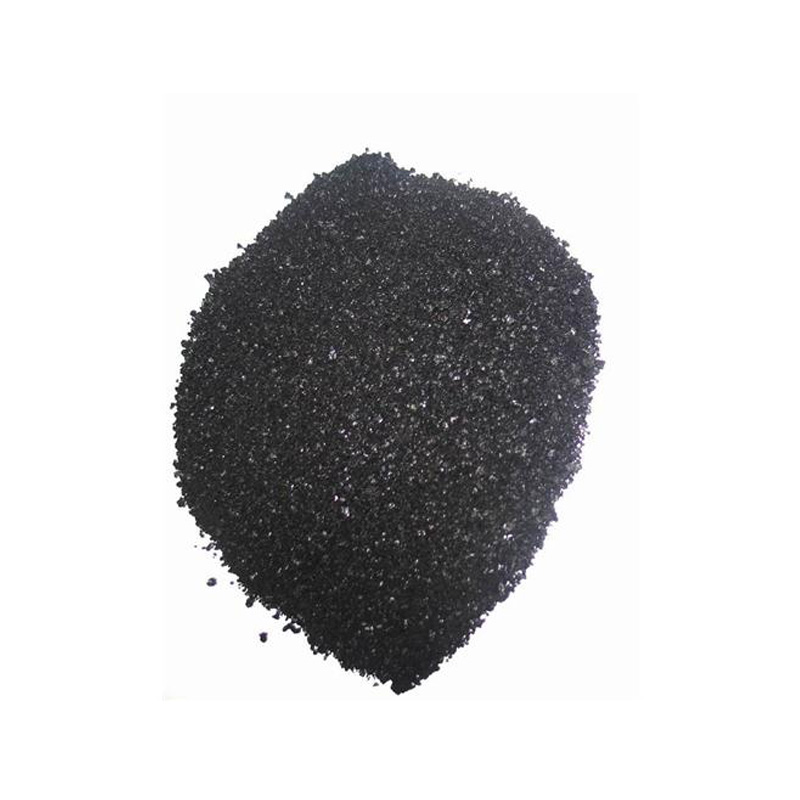
Sulphur Black
1.Name: sulphur black; Sulfur Black; Sulphur Black 1;
2.Structure formula:
3.Molecule formula: C6H4N2O5
4.CAS No.: 1326-82-5
5.HS code: 32041911
6.Product specification:Appearance:black phosphorus flakes; black liquid
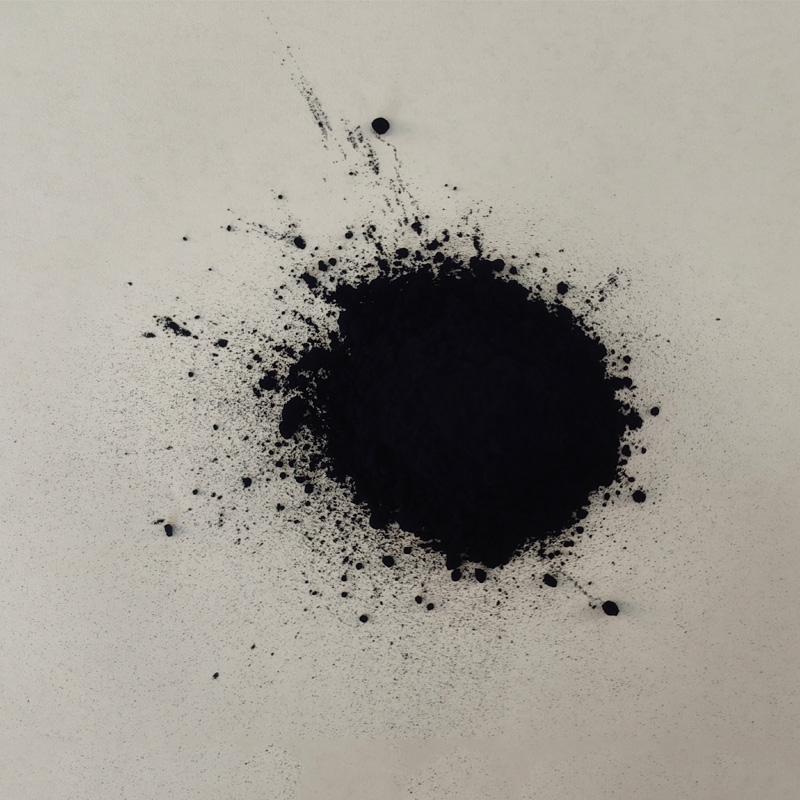
Bromo Indigo; Vat Bromo-Indigo; C.I.Vat Blue 5
1.Name: Bromo indigo; Vat bromo-indigo; C.I.Vat blue 5;
2.Structure formula:
3.Molecule formula: C16H6Br4N2O2
4.CAS No.: 2475-31-2
5.HS code: 3204151000 6.Major usage and instruction: Be mainly used to dye cotton fabrics.
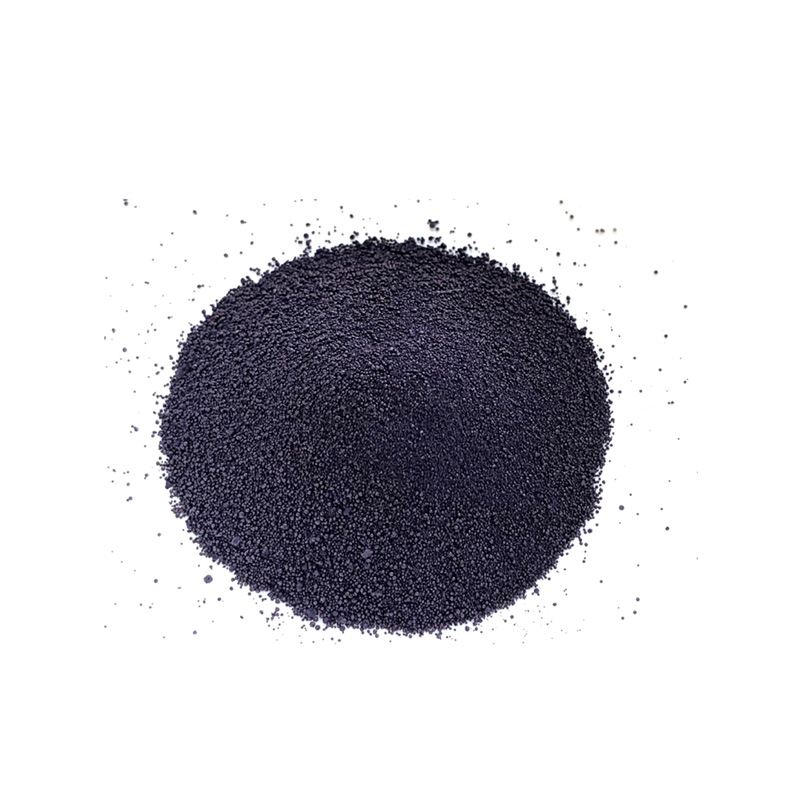
Indigo Blue Vat Blue
1.Name: indigo blue,vat blue 1,
2.Structure formula:
3.Molecule formula: C16H10N2O2
4.. CAS No.: 482-89-3
5.Molecule weight: 262.62
6.HS code: 3204151000
7.Major usage and instruction: Be mainly used to dye cotton fabrics.