

Discover the Benefits of High Quality Indigo in Nature for Sustainable Textile and Craft Industries
Why High Quality Indigo in Nature Is More Than Just a Color
Indigo has been a revered pigment across cultures for millennia, but today, the quest for high quality indigo in nature transcends aesthetics. It’s about sustainable sourcing, environmental stewardship, and meeting growing demands in industries ranging from textiles to alternative therapies. This pigment’s deep blue allure is also now a symbol of responsible innovation worldwide. Understanding this natural indigo, its quality determinants, and its global impact is crucial as industries pivot to greener practices. Frankly, it’s fascinating how a simple dye ties into ecosystems, economies, and even social change.Global Context: The Indigo Industry in Our Changing World
Indigo’s natural production footprint spans continents — from South Asia’s sprawling subcontinental farms to parts of Central and South America. According to a 2023 UN Food and Agriculture Organization (FAO) report, approximately 7,000 tons of natural indigo are harvested annually, supporting thousands of rural communities worldwide. Yet, the global trend toward synthetic dyes—which often harm ecosystems—has posed challenges to natural indigo’s revival. It’s worth noting that high quality natural indigo is scarce compared to synthetic alternatives, due mainly to labor intensiveness and raw material variability. That scarcity creates a premium value but also bottlenecks for consistent supply. As ISO standards tighten around ecological and human safety in manufacturing, natural indigo’s role grows even more critical, especially with rising consumer interest in sustainable fashion and traditional crafts. Interestingly, brands that emphasize ethical sourcing often highlight their use of high quality indigo in nature to differentiate and build trust. Mini takeaway: High quality natural indigo is a niche but expanding sector, mirroring global shifts toward sustainability and cultural preservation.What Exactly Is High Quality Indigo in Nature?
Simply put, “high quality indigo in nature” refers to indigo dye extracted directly from plants like Indigofera tinctoria or japanese Indigo (Persicaria tinctoria), processed in ways that preserve its vibrant color, purity, and ecological benefits. Unlike synthetic indigo, which is chemically produced, natural indigo comes from fermenting plant leaves and carefully drying the indigo paste. But “quality” here is more than color depth. It includes consistency (not fading too fast or crystallizing), chemical purity (low contaminants), and minimal environmental impact in harvesting and processing. In industries such as textile and cosmetics, this quality affects dye adherence, fabric longevity, and even consumer perceptions of “authenticity.” In humanitarian efforts, such as revitalizing traditional craftsmanship to bolster livelihoods post-conflict or disaster, high quality natural indigo is a tool for empowerment, not just pigment. Mini takeaway: High quality natural indigo is a complex concept blending purity, consistency, environmental ethics, and cultural value.Key Factors Defining High Quality Indigo
1. Purity and Color Intensity
Natural indigo’s signature deep-blue depends on how well impurities are removed during fermentation. Excess plant material or soil residues can dull the dye, making it less vibrant. Many producers test color strength with spectrophotometers to ensure their batches meet high standards.2. Sustainability of Cultivation
Sourcing indigo naturally means respecting soil health, avoiding pesticides, and rotating crops. Sustainable cultivation affects not just ecology, but also the social fabric of farming communities, preserving biodiversity and local economies.3. Consistency in Production
Natural organic materials vary by region and season. Achieving a consistent batch requires skilled artisans and good fermentation control — a blend of science and age-old practices.4. Processing Techniques
Traditional sun-drying, careful sieving, and avoiding synthetic additives keep the product “natural.” Modern producers increasingly combine traditional know-how with sterile, controlled environments to optimize yield and quality.5. Packaging and Shelf Life
High quality indigo resists oxidation and moisture ingress over time. Packaging innovations include vacuum sealing or inert atmosphere containers to preserve its integrity until use. In real terms, these factors intertwine practically — if any one is off, the color or environmental benefits diminish. Mini takeaway: The best natural indigo isn’t just plant matter; it’s a holistic product shaped by ecology, craftsmanship, and science.Where Do We See High Quality Indigo at Work?
Across the globe, industries and communities harness natural indigo’s unique properties:- Textile Industry: In India and Japan, many artisan weavers use high quality indigo in nature to create heritage denim, kimonos, and fashion lines prized worldwide.
- Cosmetics and Wellness: Traditional skincare blends incorporate indigo for its purported anti-inflammatory properties — a niche but growing market in Europe and the US.
- Artisan Crafts: African design markets showcase fabric and leather goods dyed naturally, adding premium value with ecology-conscious consumers.
- Humanitarian & Rural Development: Post-disaster zones, such as parts of Southeast Asia, use indigo farming revitalization to restore livelihoods while conserving environment.
- Sustainable Packaging & Education: Some NGOs create awareness products linked to indigo dye, promoting eco-education and heritage preservation.
Advantages That Make Natural Indigo Stand Out
- Environmental Friendliness: Unlike synthetic dyes that rely heavily on petrochemicals, natural indigo biodegrades and reduces toxic runoff.
- Social Impact: It supports small-scale farmers and artisans, fostering community cohesion and preserving skills.
- Health and Safety: Free from harmful chemicals, better for workers and consumers alike.
- Longevity and Beauty: High quality natural indigo ages gracefully, developing unique patinas prized in vintage fashion.
- Emotional Connection: Consumers today associate natural indigo with authenticity, trust, and respect for nature — intangible values that brands crave.
Where Is Indigo Heading? Trends & Innovations
From climate-smart agriculture techniques to green chemistry for enhanced extraction, the world of natural indigo is evolving fast. - Biotechnological Advances: Genetic research is enabling more disease-resistant indigo plants, improving yields with less environmental strain. - Automated Fermentation Systems: Integrating sensors to control fermentation timing, ensuring color consistency. - Eco-certifications: Programs such as GOTS (Global Organic Textile Standard) are increasingly used by producers to certify authenticity. - Digital Traceability: Blockchain and QR codes help consumers trace indigo from farm to fabric, amplifying transparency. - Policy Shifts: International trade policies now favor green products, incentivizing natural dye export/import compliance. One might say, the blue pigment’s future is as vivid as its color.Challenges Facing High Quality Natural Indigo—and How We Fix Them
No sugar-coating: natural indigo’s biggest hurdle is production variability. Weather, pests, and complex fermentation mean yields and quality can swing wildly. Also, labor costs remain high compared to mass-produced synthetics. To tackle this:- Engaging agricultural cooperatives strengthens knowledge sharing and economies of scale.
- Investing in training helps artisans balance tradition with modern quality control.
- Public-private partnerships provide subsidies shielding farmers from market fluctuations.
- R&D in alternative extraction methods and plant varieties keeps the chain innovative.
Product Specifications: A Rough Overview
| Specification | Typical Range | Significance |
|---|---|---|
| Indigo Concentration (%) | 2.5 – 4.0 | Determines color depth & dye strength |
| Moisture Content (%) | 8 – 15 | Affects shelf life & clumping |
| pH Level | 9.0 – 9.5 | Optimal for dye fixation |
| Particle Size (micron) | 1 – 3 | Influences dispersion in dye baths |
| Packaging Type | Vacuum-sealed Bags / Airtight Drums | Maintains freshness / prevents oxidation |
Comparison: Leading Natural Indigo Vendors
| Vendor | Origin | Primary Markets | Certification | Key Strength |
|---|---|---|---|---|
| BlueLeaf Naturals | India (Tamil Nadu) | Textiles, Cosmetics | GOTS | Traditional artisan support |
| Eco Indigo Co. | Japan (Aichi Prefecture) | Heritage fabrics, wellness | ISO 14001 | Advanced fermentation tech |
| GreenHue Organics | Peru (Amazon Basin) | Eco-fashion, crafts | Fair Trade | Indigenous cooperative model |
Frequently Asked Questions About High Quality Indigo in Nature
Q1: How can I verify that the indigo I buy is truly natural and high quality?
A1: Look for certifications like GOTS, Fair Trade, or ISO environmental standards. Also, request batch testing reports on color strength and purity. Experienced vendors often provide traceability data from farm to factory.
Q2: What makes natural indigo more sustainable compared to synthetic dyes?
A2: Natural indigo is biodegradable, typically grown without harmful pesticides, and uses less energy during processing. Synthetic indigo relies on petrochemicals and produces toxic waste, making natural alternatives environmentally preferable.
Q3: Can natural indigo maintain its color intensity after repeated washes?
A3: Yes, if it’s high quality and properly fixed on fabrics. Natural indigo develops a unique patina over time rather than fading uniformly, which many consumers find aesthetically pleasing.
Q4: Is the cost difference between natural and synthetic indigo justified?
A4: While natural indigo usually costs more upfront due to labor and harvesting challenges, its environmental, social, and brand value benefits often outweigh this for premium products.
Q5: How do climate factors affect natural indigo farming?
A5: Temperature, rainfall, and soil health significantly affect yield and quality. Regions with stable tropical climates tend to produce the best quality indigo. Climate-smart agriculture practices help mitigate variability.
Wrapping Up: The Value of High Quality Indigo in Nature
Natural indigo is more than a dye—it’s a story conduit, an ecological actor, and a livelihood preserver. Embracing high quality indigo in nature means investing in a future where fashion, craft, and sustainability coexist. Whether you’re a brand, artisan, or industry stakeholder, the blue pigment offers a tangible connection to heritage and ethics. I encourage you to explore more about these beautiful indigo sources at high quality indigo in nature, and discover how your choices ripple beyond fabric or product. ### References 1. United Nations Food and Agriculture Organization (FAO) Report on Natural Dyes, 2023 2. ISO 14001 Environmental Management Standards, 2022 3. Global Organic Textile Standard (GOTS), 2023-
Mastering the Art of China Japanese Indigo Dyeing Traditions
NewsApr.16,2026
-
Exploring the Elegance of China Deep Indigo Color in Textiles
NewsApr.09,2026
-
Discover High Quality China Jeans Blue Indigo for Global Markets
NewsApr.07,2026
-
Exploring the Rich Tradition of China Natural Indigo Dyed Fabric
NewsApr.04,2026
-
Exploring China Indigo Color in Nature History and Modern Applications
NewsMar.31,2026
-
Discover High Quality China Pure Indigo Powder for Vibrant Natural Dyeing
NewsMar.28,2026
-
Exploring the Rich History of China True Blue Indigo Textiles
NewsMar.26,2026
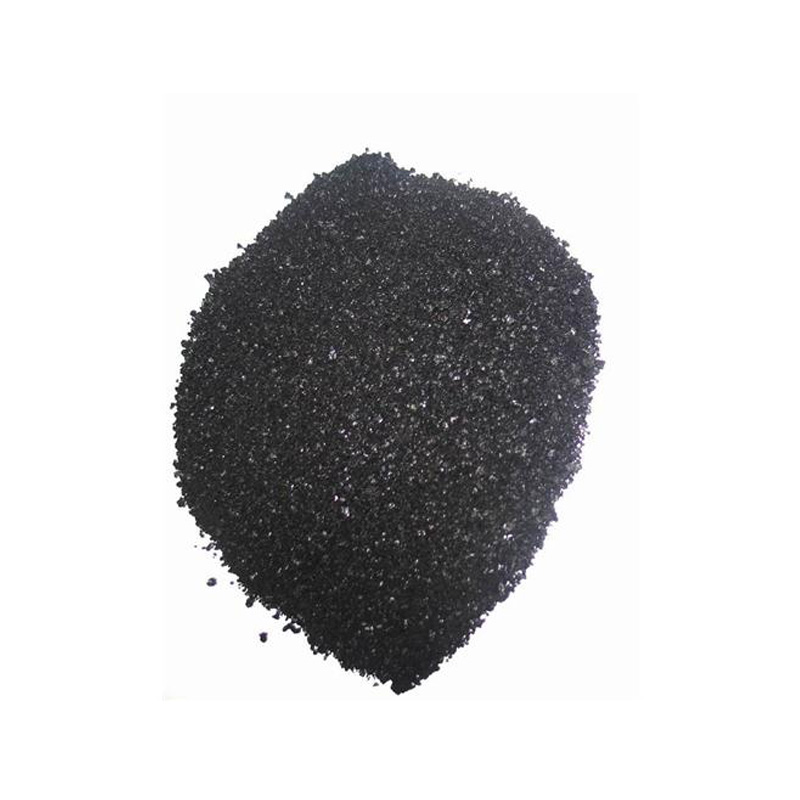
Sulphur Black
1.Name: sulphur black; Sulfur Black; Sulphur Black 1;
2.Structure formula:
3.Molecule formula: C6H4N2O5
4.CAS No.: 1326-82-5
5.HS code: 32041911
6.Product specification:Appearance:black phosphorus flakes; black liquid
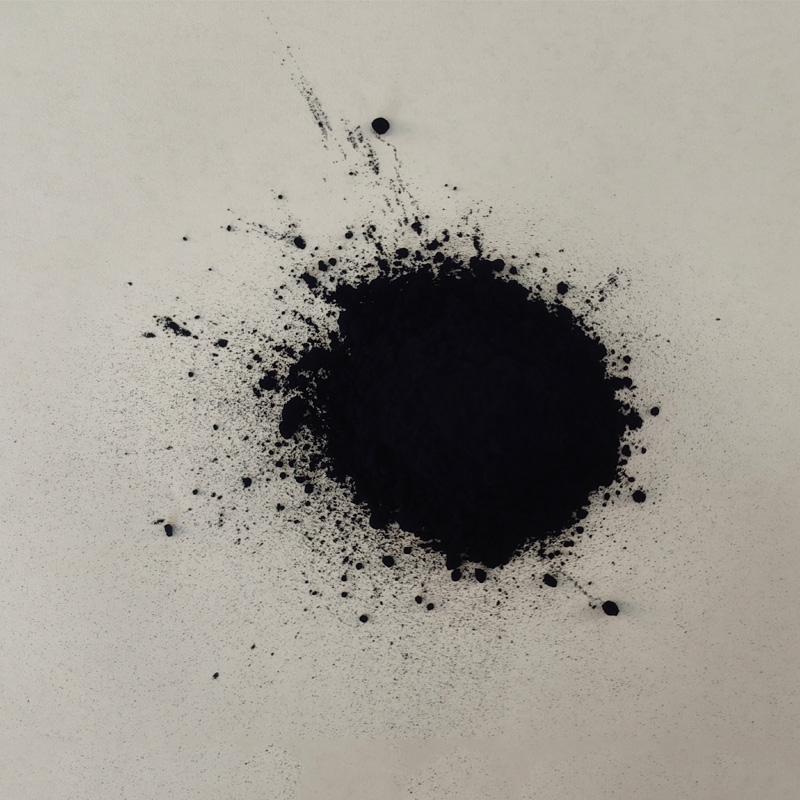
Bromo Indigo; Vat Bromo-Indigo; C.I.Vat Blue 5
1.Name: Bromo indigo; Vat bromo-indigo; C.I.Vat blue 5;
2.Structure formula:
3.Molecule formula: C16H6Br4N2O2
4.CAS No.: 2475-31-2
5.HS code: 3204151000 6.Major usage and instruction: Be mainly used to dye cotton fabrics.
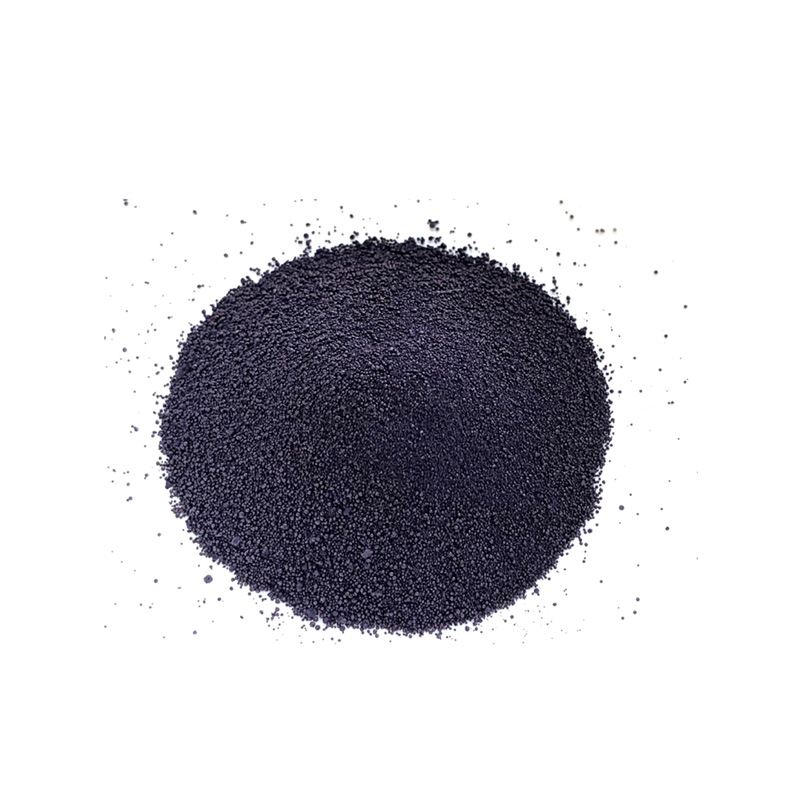
Indigo Blue Vat Blue
1.Name: indigo blue,vat blue 1,
2.Structure formula:
3.Molecule formula: C16H10N2O2
4.. CAS No.: 482-89-3
5.Molecule weight: 262.62
6.HS code: 3204151000
7.Major usage and instruction: Be mainly used to dye cotton fabrics.