

Everything You Need to Know About Blue Powder Dye – Benefits, Uses & Innovations
The Subtle Power of Blue Powder Dye: Why It Matters Worldwide
At first glance, blue powder dye might seem like just another industrial pigment — a dash of color in the vast palette of manufacturing. But in reality, it plays a surprisingly critical role across industries and regions worldwide. From textile factories in Southeast Asia to innovative construction materials in Europe, this vibrant pigment influences everything from aesthetics to sustainability. Understanding blue powder dye isn’t just about color. It’s about grasping how a simple compound can help improve product durability, reduce environmental impact, and support humanitarian needs. Curious? Let’s dive in.
Mini takeaway: Blue powder dye isn’t just paint — it’s a global enabler for durability, sustainability, and design innovation.
Setting the Stage: The Global Importance of Blue Powder Dye
Color isn’t just cosmetic — it carries functional weight. According to the International Color Consortium, color accuracy and stability can affect consumer trust and usability. Global industrial dye markets were valued at over $30 billion in 2023, with blue pigments accounting for a sizeable fraction due to their demand in textiles, plastics, and coatings (Statista 2024). But here’s the rub: many blue dyes are critically linked to environmental challenges, including toxic wastewater and poor biodegradability.
That’s where blue powder dye, especially those developed with newer chemistries, come in. Powder form reduces solvent use, lowers waste, and facilitates deeper dye penetration with less energy. For global manufacturers, it’s a way to cut emissions and meet increasingly stringent ISO environmental standards without sacrificing performance. For humanitarian work — say, durable tent fabrics or packaged relief kits — it often means safer, longer-lasting supplies.
Mini takeaway: Across industries, blue powder dye addresses a big challenge: combining vibrant color with eco-friendly and cost-effective manufacturing.
Blue Powder Dye: What Is It Exactly?
In simple terms, blue powder dye is a pigment finely ground into a dry, powdery form, designed to color products ranging from textiles to plastics. Unlike liquid dyes, this dry form allows for easier transportation, less messy handling, and reduced waste in application processes. The dyes typically use synthetic or natural compounds that produce vivid blue hues without fading easily.
Its significance stretches into humanitarian contexts too: consider how shelters, clothing, or water containers benefit from colored powders that resist fading under sun or rough conditions, helping maintain quality and dignity in vulnerable populations.
Core Components That Make Blue Powder Dye Essential
1. Durability
One of the standout features is its resistance to UV rays and washing cycles. Many engineers swear by these pigments’ ability to stay true in harsh outdoor or industrial environments. A fabric dyed with poor pigments? It quickly looks tired. Blue powder dyes, on the other hand, hold their ground.
2. Environmental Friendliness
Because they are usually formulated to minimize VOCs (volatile organic compounds), they help industries reduce harmful emissions. Plus, their powder form cuts down on the use of water and solvents—huge wins in environmentally sensitive manufacturing zones.
3. Cost Efficiency
While manufacturing powder dyes requires precision, the end product lowers transportation costs (lighter, less volume), and reduces waste in processing — saving money overall.
4. Compatibility
Blue powder dyes blend well with various materials— from cotton textiles to plastics and metals — providing flexible application across sectors.
5. Scalability
Because they can be produced in large quantities without losing quality, manufacturers can meet both small-batch artisanal needs and high-volume industrial orders.
Mini takeaway: When choosing a blue powder dye, think about durability, eco-impact, cost, and adaptability — a mix that defines real-world success.
Blue Powder Dye in Action: Real-World Uses Across the Globe
Take the textile mills in Bangladesh and India, for example. Their ability to dye garments reliably with blue powder dye directly impacts fashion exports worth billions annually. Or consider the automotive sector in Germany, where blue powder dyes coat car interiors and components, balancing aesthetic appeal with end-use durability.
In more unexpected contexts, NGOs distributing emergency kits in sub-Saharan Africa often rely on blue powder-dyed fabrics because the dye’s fastness reduces replacements and waste, uniquely suitable to challenging climates.
Even tech manufacturers are using these dyes to add scratch-resistant blue coatings on outdoor devices, merging visual branding with functional protection.
Why Businesses and Communities Choose Blue Powder Dye
- Long-Term Cost Savings: Less re-dyeing or replacement means better budgets.
- Environmental Responsibility: Aligns with ISO 14001 standards and helps meet sustainability targets.
- Enhanced Product Appeal: Rich, consistent blue shades convey professionalism and trust.
- Social Impact: Supports dignity in humanitarian supplies by preserving color and quality.
The Road Ahead: Innovations in Blue Powder Dye
Innovation never sleeps, especially in the dye industry. Currently, researchers are integrating nanotechnology to create pigments that adjust shades dynamically depending on light, opening doors to “smart textiles.” Meanwhile, green chemistry advancements reduce harmful byproducts further.
Manufacturers are also exploring digital dyeing techniques paired with blue powder dyes for more precise, waste-free patterns — a promising intersection between automation and sustainability.
Challenges and How Industry Leaders Are Tackling Them
Of course, there are hurdles. Achieving uniform particle size for even coverage remains a manufacturing challenge. Some powders can cause respiratory issues without proper handling. Regulatory oversight sometimes varies widely between markets, complicating export.
However, experts suggest closed-loop manufacturing, enhanced PPE for workers, and harmonization of international standards as viable ways forward.
Blue Powder Dye Product Specification Table
| Specification | Typical Range | Notes |
|---|---|---|
| Particle Size (microns) | 5 - 20 µm | Uniform for consistent dyeing |
| Color Fastness (ISO 105-B02) | 4 - 5 (scale 1-5) | Excellent resistance to washing |
| VOC Content | Low emissions for environmental safety | |
| Coverage per kg | 800 - 1000 m² | Efficient spread over fabrics/plastics |
| Shelf Life | 2 years (sealed packaging) | Avoid moisture exposure |
Vendor Comparison: Leading Blue Powder Dye Producers
| Vendor | Eco-Friendliness | Price Range (per kg) | Global Reach | Innovation Level |
|---|---|---|---|---|
| BlueDyne International | High (ISO 14001 certified) | $15 - $18 | Global (50 countries) | Advanced nano-pigments |
| EcoHue pigments | Very High (biodegradable) | $18 - $22 | Regional (Europe, Asia) | Green chemistry focus |
| TrueBlue Coatings | Medium | $12 - $15 | North America | Standard dye tech |
FAQs: Your Blue Powder Dye Questions Answered
Q1: How is blue powder dye different from liquid dyes in industrial use?
A: Blue powder dye offers better environmental performance by eliminating the need for solvents, reducing VOC emissions. It also improves storage and transport efficiency due to its dry state. Plus, it can result in more uniform color applications, especially on plastics and textiles.
Q2: Can blue powder dye be used on synthetic fabrics?
A: Absolutely. Many blue powder dyes are formulated to bond with synthetic fibers like polyester or nylon, providing strong color fastness while resisting fading and wear.
Q3: Is blue powder dye safe for use in products for children?
A: When sourced from certified vendors adhering to safety standards (such as OEKO-TEX and REACH), blue powder dye is safe and non-toxic for use in fabrics, toys, and packaging designed for children.
Q4: How can companies ensure the environmental compliance of their blue powder dye?
A: Verify supplier certifications regarding ISO 14001 and check for low VOC content. Additionally, consider third-party environmental audits and sustainable packaging options.
Wrapping Up: Why Blue Powder Dye Deserves Your Attention
To sum it up, blue powder dye is more than just a colorant; it’s an innovation driver. It contributes to sustainability goals, economic efficiency, and even social dignity in the most challenging environments. As manufacturing evolves and environmental demands tighten, embracing the right blue powder dye puts companies ahead — literally coloring their products with future-ready qualities.
For more detailed specs and partnership opportunities, I highly recommend visiting blue powder dye provider sites. There’s a lot to explore.
Mini takeaway: Don’t overlook the “blue” behind your products — it’s quietly shaping the future of eco-conscious manufacturing worldwide.
References
-
Mastering the Art of China Japanese Indigo Dyeing Traditions
NewsApr.16,2026
-
Exploring the Elegance of China Deep Indigo Color in Textiles
NewsApr.09,2026
-
Discover High Quality China Jeans Blue Indigo for Global Markets
NewsApr.07,2026
-
Exploring the Rich Tradition of China Natural Indigo Dyed Fabric
NewsApr.04,2026
-
Exploring China Indigo Color in Nature History and Modern Applications
NewsMar.31,2026
-
Discover High Quality China Pure Indigo Powder for Vibrant Natural Dyeing
NewsMar.28,2026
-
Exploring the Rich History of China True Blue Indigo Textiles
NewsMar.26,2026
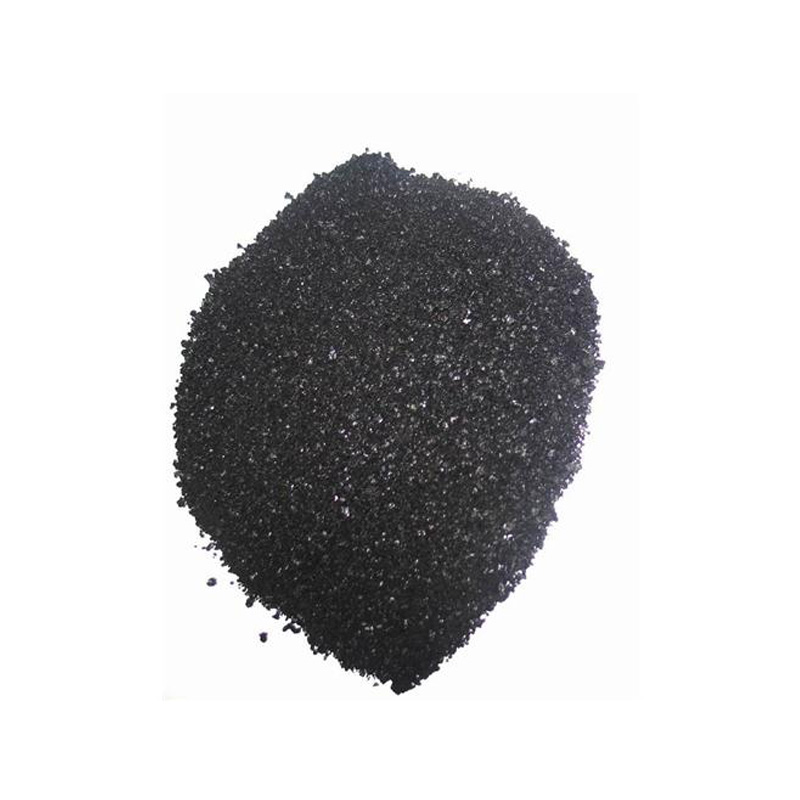
Sulphur Black
1.Name: sulphur black; Sulfur Black; Sulphur Black 1;
2.Structure formula:
3.Molecule formula: C6H4N2O5
4.CAS No.: 1326-82-5
5.HS code: 32041911
6.Product specification:Appearance:black phosphorus flakes; black liquid
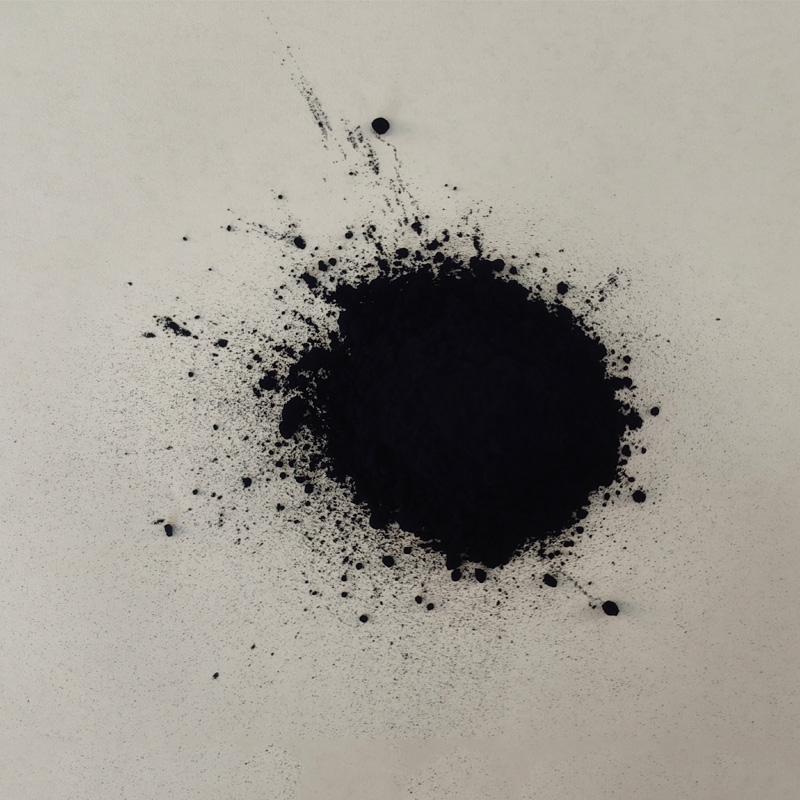
Bromo Indigo; Vat Bromo-Indigo; C.I.Vat Blue 5
1.Name: Bromo indigo; Vat bromo-indigo; C.I.Vat blue 5;
2.Structure formula:
3.Molecule formula: C16H6Br4N2O2
4.CAS No.: 2475-31-2
5.HS code: 3204151000 6.Major usage and instruction: Be mainly used to dye cotton fabrics.
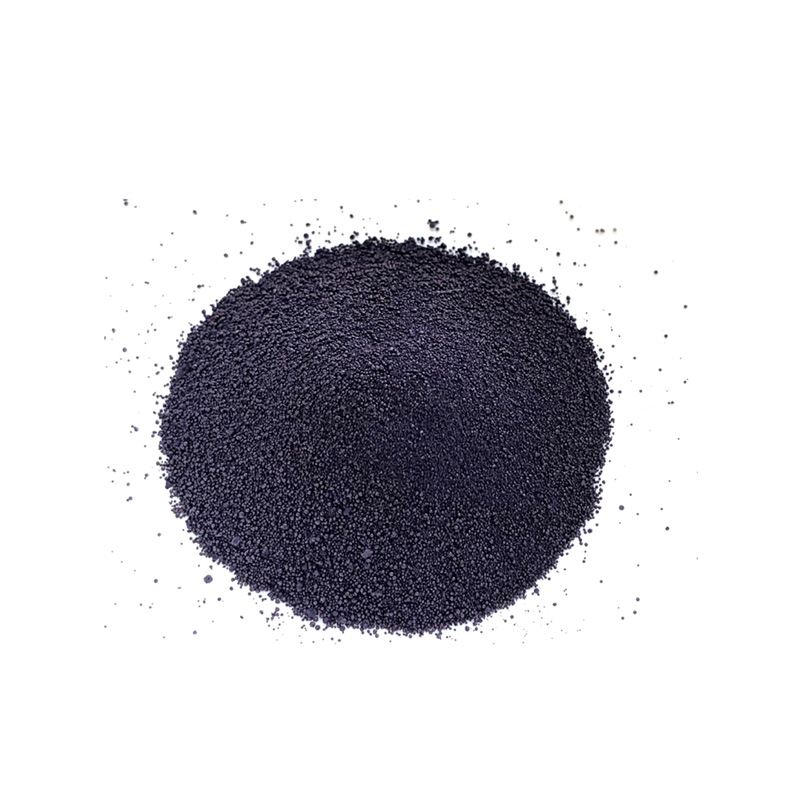
Indigo Blue Vat Blue
1.Name: indigo blue,vat blue 1,
2.Structure formula:
3.Molecule formula: C16H10N2O2
4.. CAS No.: 482-89-3
5.Molecule weight: 262.62
6.HS code: 3204151000
7.Major usage and instruction: Be mainly used to dye cotton fabrics.