

High Quality Indigo Making: Sustainable Dyeing Solutions for Global Industries
Understanding High Quality Indigo Making: A Global Perspective
High quality indigo making is an age-old craft reborn with modern innovation, playing a surprisingly relevant role in today’s industry and culture. At first glance, indigo dye might seem just about coloring fabric, but its importance runs deeper—touching on sustainable production, global trade, and even humanitarian applications. Frankly, knowing the ins and outs of high quality indigo making opens doors to appreciating a blend of tradition and technology that’s making waves worldwide.
Why the Spotlight on Indigo Now?
According to the United Nations Industrial Development Organization (UNIDO), natural dyes like indigo represent a sustainable alternative to synthetic dyes, which dominate global markets but often come with environmental concerns. The global textile industry is huge — valued at over $1.5 trillion — and indigo dyeing is a cornerstone for denim production alone. With rising awareness about eco-friendly materials and responsible manufacturing, high quality indigo making is stepping back into the limelight.
One challenge it addresses is the balance between durability and ecological impact. Traditional indigo dyeing processes are notoriously inconsistent, but advancements in technique and quality control are gradually overcoming this, making sustainable indigo both accessible and reliable.
Mini takeaway: High quality indigo making merges history and innovation, responding to global demands for sustainable textile production.What Exactly is High Quality Indigo Making?
Simply put, high quality indigo making refers to the process of producing indigo dye and dyed textiles with superior standards—whether in color fastness, extraction purity, or environmental friendliness. It’s not just about a rich blue hue; it’s about ensuring the dye performs well in manufacturing and fits modern industry needs.
This craft ties deeply into modern supply chains — from organic indigo farming to chemical-free dye extraction, and quality testing for fabric durability. Beyond fashion, indigo dyeing finds roles in art restoration, cultural preservation, and even in innovative bio-based applications.
Core Components of High Quality Indigo Making
1. Purity of Indigo Extraction
Producing vibrant, consistent indigo starts with the extraction of indican from plants like Indigofera tinctoria. Techniques that reduce impurities — often through fermentation or enzymatic methods — ensure dye quality that industrial applications demand.
2. Color Fastness & Durability
How well the indigo holds up to washing, sunlight, and wear matters—especially in fashion or heavy-use textiles. High quality processes optimize bonding between indigo molecules and fabric fibers to increase longevity.
3. Environmental Sustainability
Modern high quality indigo making prioritizes eco-friendly practices, such as organic cultivation, minimizing water use, and eliminating harmful chemical auxiliaries. This fits with global pushes for greener production.
4. Scalability & Consistency
Meeting industrial demand means processes must be replicable and scalable without sacrificing quality. Advanced quality control systems help harmonize natural variability common in plant-based dyes.
5. Adaptation to Industry Standards
From ISO certifications to customer-specific requirements, high quality indigo making aligns with modern standards for safety, purity, and performance, giving businesses confidence in the supply chain.
Mini takeaway: High quality indigo making blends precise extraction, durability, sustainability, scalability, and standards compliance.Global Applications & Use Cases
- Textile and Denim Manufacturing: The most visible application—indigo dyeing dominates denim production globally, from India to the USA, using upgraded natural and synthetic indigo blends to meet fashion trends.
- Cultural Craft Preservation: Artisans in countries like Japan and West Africa maintain centuries-old indigo techniques, often enhanced with modern quality methods to keep traditions alive economically.
- Eco-friendly Product Lines: Sustainable fashion brands increasingly choose high quality indigo for organic or recycled fabric lines, appealing to conscientious consumers worldwide.
- Post-Disaster Relief & Durable Goods: Interesting enough, some NGOs source indigo-dyed durable fabrics for relief efforts where both robustness and safe dyes are crucial.
Regions thriving with indigo production and innovation span Asia, Africa, and parts of Europe. Many industrial zones are investing in green indigo technologies to boost export potential without damaging their ecosystems.
Advantages & Long-Term Value
High quality indigo making isn’t just a fad; it offers tangible benefits that echo across business and communities.
- Cost Efficiency: While natural indigo can be pricier initially, improved yield and reduced waste lower total expenses over time.
- Sustainability: Reduced chemical pollution and water usage give indigo dyeing a smaller environmental footprint than synthetic dyes.
- Social Impact: Supporting traditional farming and artisan communities preserves jobs and culture in developing areas.
- Innovation & Trust: Reliable high quality indigo builds brand value in markets prioritizing ethical production.
On a personal level, many industry insiders say using high quality indigo feels “more authentic,” adding emotional value to products. It’s a blend of trust, heritage, and innovation — quite a combo!
Product Specification Table: Typical High Quality Indigo Dye
| Specification | Standard Range | Notes |
|---|---|---|
| Indigo Content (w/w) | 85–95% | Higher purity means stronger color |
| Moisture Content | 3–7% | Too high → reduces shelf life |
| Color Fastness to Washing | 4-5 (ISO scale) | Durability benchmark |
| Heavy Metal Content | Below detection limits | Critical for sustainability |
Vendor Comparison: Leading Indigo Suppliers
| Supplier | Indigo Type | Sustainability Certifications | Global Reach | Price Range (USD/kg) |
|---|---|---|---|---|
| Wuxin Indigo | Natural & Synthetic Blend | ISO 14001, GOTS | Asia, Europe, Americas | 15–25 |
| EcoBlue Dyes | 100% Natural | Fairtrade, OEKO-TEX | Europe, North America | 20–30 |
| IndiCo Solutions | Synthetic Indigo | ISO 9001 | Global | 10–18 |
Emerging Trends & Innovations
The future of high quality indigo making is ripe with potential. For one, green chemistry innovations aim to replace harsh chemicals in extraction and dyeing with enzyme-based or microbial techniques that reduce pollution drastically. Digital dyeing and automated color calibration promise even better consistency and less waste.
Moreover, with the textile industry’s growing carbon footprint, many companies are looking to bio-based indigo from regenerative agriculture, linking carbon capture with dye production. Industry 4.0’s data-driven approaches provide real-time quality monitoring that was science fiction not long ago.
Challenges and Practical Solutions
Certainly, challenges remain—indigo’s natural variability can make batch consistency tricky, and cost competition with synthetic dyes is tough. Water consumption and wastewater management pose environmental issues if not carefully handled.
Experts suggest leveraging hybrid dye blends, investing in closed-loop water systems, and fostering collaboration between farmers and manufacturers as practical routes forward. Transparency in supply chains also builds consumer trust and opens doors for premium pricing.
FAQ: Practical Questions About High Quality Indigo Making
- What distinguishes high quality indigo from standard indigo?
High quality indigo focuses on purity, colorfastness, and sustainability. It often undergoes stricter extraction and quality controls to ensure consistent, vibrant color and reduced environmental impact. - How long does indigo-dyed fabric typically last?
If made with high quality indigo and proper dyeing techniques, indigo fabrics can maintain their color and integrity for years—even decades—depending on use and care. - Is natural indigo more environmentally friendly than synthetic?
Generally yes, because natural indigo relies on plant sources and less chemical processing. However, synthetic indigo may still be more water-efficient; the full environmental picture depends on production methods. - Can small brands source high quality indigo reliably?
Absolutely. Many suppliers offer small batch purchases with quality certifications. Partnering with trusted vendors ensures consistent supply even for niche producers. - What industries beyond fashion use indigo?
Indigo finds use in art restoration, traditional crafts, regenerative agriculture research, and occasionally in bioengineering applications related to natural pigments.
Conclusion: Why Embrace High Quality Indigo Making?
High quality indigo making is more than just a manufacturing step—it’s a commitment to sustainability, heritage, and innovation. It supports industries striving for greener practices while honoring centuries of craftsmanship. Whether you’re a business owner eyeing premium eco-friendly textiles or a curious consumer, understanding the value behind this vibrant dye brings appreciation for the intricate balance between nature and technology.
Curious to explore premium options or partner with trusted indigo producers? Visit our website at Wuxin Group: high quality indigo making for detailed insights and offerings.
Mini takeaway: High quality indigo making is a sustainable, durable, and culturally rich solution for modern textile needs—crafted for tomorrow’s world.References
-
Mastering the Art of China Japanese Indigo Dyeing Traditions
NewsApr.16,2026
-
Exploring the Elegance of China Deep Indigo Color in Textiles
NewsApr.09,2026
-
Discover High Quality China Jeans Blue Indigo for Global Markets
NewsApr.07,2026
-
Exploring the Rich Tradition of China Natural Indigo Dyed Fabric
NewsApr.04,2026
-
Exploring China Indigo Color in Nature History and Modern Applications
NewsMar.31,2026
-
Discover High Quality China Pure Indigo Powder for Vibrant Natural Dyeing
NewsMar.28,2026
-
Exploring the Rich History of China True Blue Indigo Textiles
NewsMar.26,2026
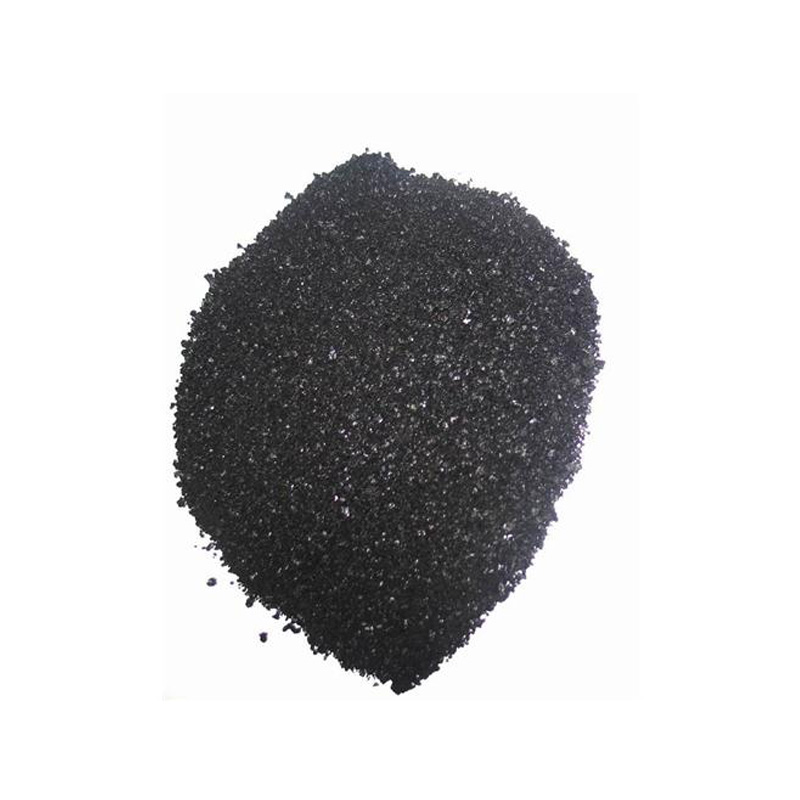
Sulphur Black
1.Name: sulphur black; Sulfur Black; Sulphur Black 1;
2.Structure formula:
3.Molecule formula: C6H4N2O5
4.CAS No.: 1326-82-5
5.HS code: 32041911
6.Product specification:Appearance:black phosphorus flakes; black liquid
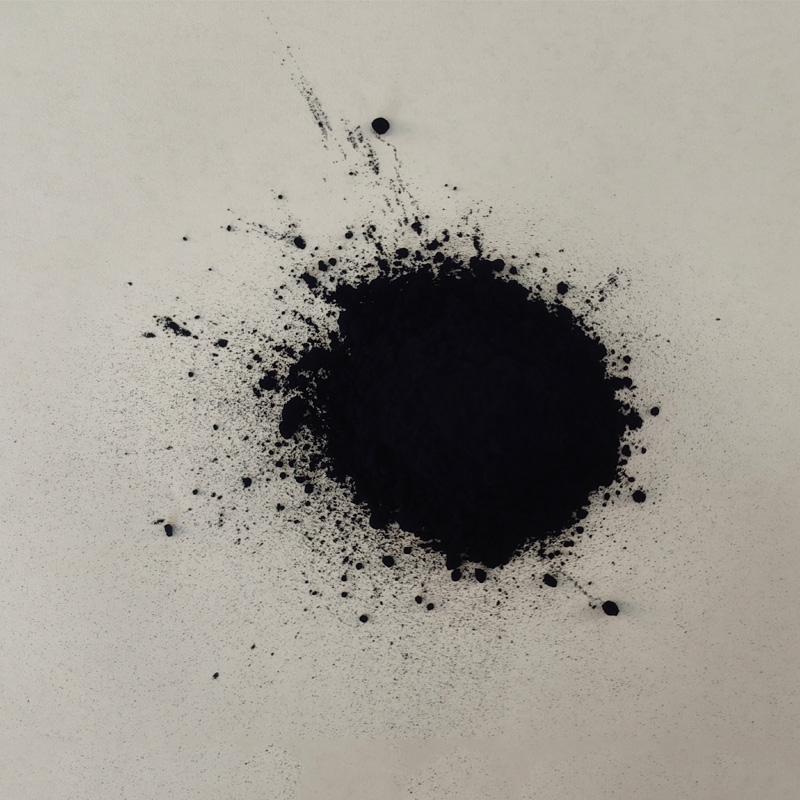
Bromo Indigo; Vat Bromo-Indigo; C.I.Vat Blue 5
1.Name: Bromo indigo; Vat bromo-indigo; C.I.Vat blue 5;
2.Structure formula:
3.Molecule formula: C16H6Br4N2O2
4.CAS No.: 2475-31-2
5.HS code: 3204151000 6.Major usage and instruction: Be mainly used to dye cotton fabrics.
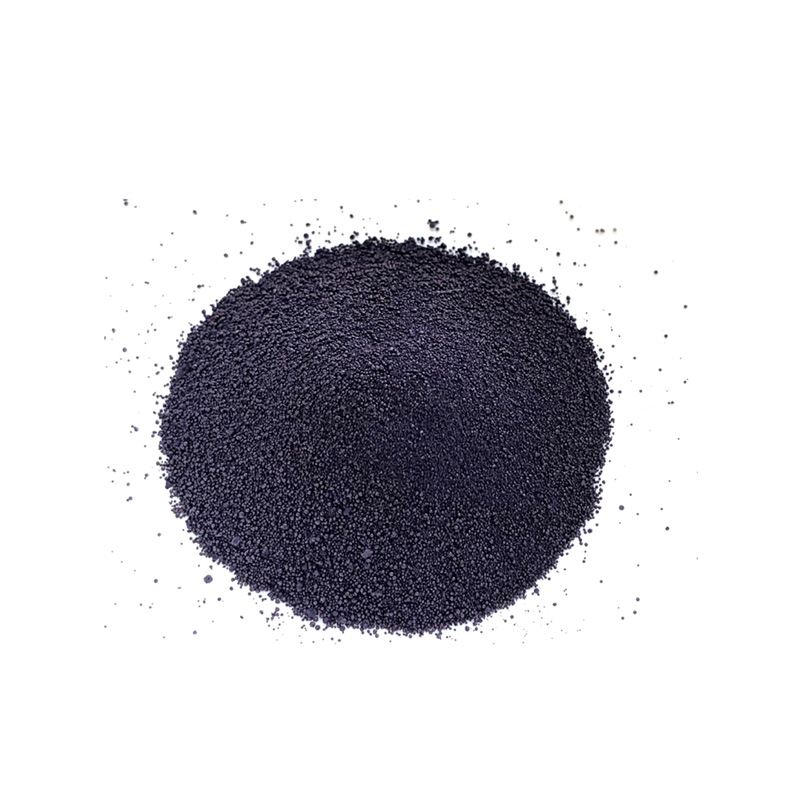
Indigo Blue Vat Blue
1.Name: indigo blue,vat blue 1,
2.Structure formula:
3.Molecule formula: C16H10N2O2
4.. CAS No.: 482-89-3
5.Molecule weight: 262.62
6.HS code: 3204151000
7.Major usage and instruction: Be mainly used to dye cotton fabrics.