

High Quality Tie Dye with Indigo: Sustainable Artistry and Global Impact
Understanding the Significance of High Quality Tie Dye with Indigo
At first glance, tie dye might conjure images of youthful creativity and 1960s nostalgia. But when we talk about high quality tie dye with indigo, we're stepping into a world where art, tradition, and modern industry beautifully mesh. Globally, this craft not only preserves cultural heritage but also supports eco-conscious fashion movements and sustainable textile practices.
Why does this matter? According to the United Nations’ 2022 report on sustainable textile production, nearly 20% of industrial water pollution comes from untreated dyeing processes. Indigo, a natural dye extracted from plants, offers a less harmful alternative, especially when used in high quality, carefully controlled tie dye production. Understanding this craft means appreciating how ancient techniques meet contemporary environmental and market demands — a delicate balancing act with ripple effects across communities, industries, and consumers worldwide.
In short, mastering the subtleties of quality tie dye with indigo allows artisans, brands, and consumers to contribute to a more sustainable and culturally rich textile economy.
Global Context: Why Indigo Tie Dye Resonates Today
The textile dyeing sector generates an estimated 17–20% of global industrial wastewater (World Bank, 2021). Natural indigo, revered for millennia, resurfaces as a favorite amid increasing scrutiny over synthetic dyes. In regions stretching from West Africa to Japan and India, artisans and manufacturers alike are reviving high quality tie dye with indigo methods to meet growing global demand without taxing fragile environmental systems.
But there's a challenge: natural indigo dyeing is notoriously difficult to standardize for mass production. Variations in plant source, fermentation, and technique can make repeatable patterns and consistent colors elusive for suppliers. Today’s fashion brands and industrial buyers want both authenticity and reliability — a tension that this traditional practice is working hard to solve.
What Exactly is High Quality Tie Dye with Indigo?
Simply put, high quality tie dye with indigo involves using authentic, natural indigo dye combined with artisanal resist techniques to create vibrant, lasting patterns on fabric. Unlike synthetic dyes, natural indigo penetrates fibers uniquely — giving blues a deep, almost weathered richness that synthetic dyes seldom match.
Industry-wise, such products are prized for their durability, handfeel, and environmental profile. They're frequently employed not just in fashion but also in home textiles and artisan crafts that seek to combine ethical sourcing with premium aesthetics.
Core Components of High Quality Indigo Tie Dye
1. Authentic Indigo Source
Many producers swear by using Indigofera tinctoria or related plants picked fresh to guarantee pigment purity. Impurities often dull the final color or weaken fabric bonds.
2. Tie Dye Technique & Pattern Control
The “tie” element — folding, binding, stitching — dictates pattern sharpness and repeatability. Master artisans develop signature methods that affect final designs profoundly.
3. Dyeing Process Precision
Indigo requires a reducing agent to bind with fabric (usually fermentation or chemical vats). Time, temperature, pH levels, and oxygen exposure must be carefully managed.
4. Fabric Quality
Natural fibers like cotton, linen, and silk absorb indigo best. Fabric thread count and weave density influence how colors behave during dyeing and washing.
5. Post-dye Treatment
Washing, drying, and fixing processes ensure color fastness and prevent fading. High quality products often include gentle, hand-wash recommendations.
Global Uses and Industry Examples
From the artisan villages in Japan’s Shibori districts to fashion houses in Europe championing sustainable lines, indigo tie dye has versatile appeal:
- Ethical Fashion Brands: Companies emphasize natural dye origins to serve eco-conscious consumers demanding transparency.
- Home Décor Makers: Cushion covers, curtains, and upholstery benefit from indigo’s unique patina and durability.
- Craft Cooperatives: NGOs and fair-trade groups in Africa and Asia support livelihoods by promoting indigenous dyeing skills under fair compensation frameworks.
In post-disaster relief scenarios, indigo-dyed cloth — while niche — also finds its place for culturally sensitive aid packages, combining utility with dignity.
Product Specification Table
| Specification | Details |
|---|---|
| Dye Type | Natural Indigo (Indigofera tinctoria) |
| Fabric | 100% Organic Cotton, Linen, Silk |
| Color Fastness | ISO 105-B02 standard, Grade 4+ |
| Pattern Techniques | Shibori (Japanese), Bandhani (Indian), African Resist Techniques |
| Sustainability Certification | GOTS, OEKO-TEX Standard 100 |
| Typical MOQ (minimum order quantity) | 200 meters or 100 pieces |
Advantages and Enduring Appeal
Buyers and makers often cite these long-term merits for choosing high quality indigo tie dye:
- Durability: Indigo molecules bind in a way that renders longer-lasting blues, often improving with wash and wear.
- Eco-sensitivity: Reduced chemical pollution relative to synthetic dyes helps textiles align with sustainability goals.
- Cultural Integrity: Supporting traditional craftsmen sustains heritage and local economies — a feel-good incentive today’s consumers value deeply.
- Uniqueness: Each piece is subtly different, resisting homogenization common in fast fashion.
- Emotional Connection: Wearing or owning something dyed with care often means more — stories behind products matter.
Future Trends and Innovations
Technological advances are infusing fresh life into this age-old craft:
- Automation meets Art: Robotics and AI assist in replicating complex tie patterns with precision without losing artisanal quality.
- Sustainable Chemistry: New enzyme-based reducing agents for indigo vats reduce environmental impact even further.
- Digital Traceability: Blockchain-based labeling ensures full supply chain transparency for discerning buyers.
- Hybrid Textiles: Combining organic cotton with recycled fibers tailored for indigo uptake and longevity.
Challenges and Solutions
Though promising, indigo tie dye has its stumbling blocks:
- Color Uniformity: Natural processes inherently vary. Solution? Advanced vat monitoring and mixing standardization help.
- Production Speed: Labor-intensive patterns slow mass output. Hybrid manual-automated solutions are bridging this gap.
- Supply Chain Complexity: Sourcing quality indigo sustainably is tricky. Integrated agroforestry cultivation projects aim to stabilize supply.
Vendor Comparison: Leading Providers of High Quality Indigo Tie Dye
| Vendor | Indigo Source | MOQ | Certifications | Customization Options |
|---|---|---|---|---|
| BlueRoot Textiles (India) | Organic Indigofera tinctoria | 100 meters | GOTS, Fair Trade | Custom patterns, multiple fabrics |
| ShiboriCraft (Japan) | Farm-raised native indigo | 150 pieces | ISO 14001, OEKO-TEX 100 | Traditional and modern pattern fusion |
| AfriDye Cooperative (West Africa) | Wild harvested indigo leaves | 200 meters | Fair Trade Certified | Custom colors and resist styles |
Frequently Asked Questions About High Quality Tie Dye with Indigo
1. How does natural indigo differ from synthetic dyes in tie dye?
Natural indigo offers richer hues that age gracefully and tend to be gentler on the environment. Synthetic dyes provide vivid but sometimes less durable colors and often require harsh chemicals during production. High quality tie dye with natural indigo also supports artisanal economies, adding cultural value beyond color.
2. Can high quality indigo tie dye be machine washed?
Yes, but with care. Typically, these textiles require gentle, cold water washing with mild detergents to preserve color fastness. Hand washing extends longevity and keeps the fabric softer. Many manufacturers include specific care instructions to retain the signature indigo patina.
3. Is tie dye with indigo scalable for large fashion brands?
Scaling is challenging but improving. Advances in vat control and partial automation enable larger production runs while maintaining artisanal appearance. Many global brands partner with trusted suppliers who specialize in high quality tie dye with indigo for capsule collections or sustainable lines.
4. What sustainability certifications ensure product quality in indigo tie dye?
Look for certifications like GOTS (Global Organic Textile Standard), OEKO-TEX Standard 100, and Fair Trade. They verify organic sourcing, chemical safety, and ethical labor practices — all crucial for authentic high quality tie dye with indigo products.
5. How can buyers verify the authenticity of indigo used in textiles?
Buyers should request supply chain transparency, including harvest details, lab dye testing results, and certification documents. Working with reputable vendors that provide batch traceability helps ensure genuine natural indigo rather than synthetic blends.
Conclusion: Tie Dyeing Indigo’s Bright Future
The allure of high quality tie dye with indigo lies in its perfect balance of beauty, heritage, and sustainability. From village artisans to international fashion runways, indigo tie dye connects generations while meeting modern standards of quality and responsibility. If you’re keen to explore authentic, ecological textiles, this craft offers a rich, rewarding path.
For more insights or to explore sourcing options for your brand, visit our website – your gateway to premium indigo tie dye products that truly stand out.
1. United Nations Industrial Development Organization, Sustainable Textile Production (2022)
2. World Bank, Water Pollution and Textile Industry Report (2021)
3. ISO 105-B02 Colour Fastness to Washing Standard
-
Mastering the Art of China Japanese Indigo Dyeing Traditions
NewsApr.16,2026
-
Exploring the Elegance of China Deep Indigo Color in Textiles
NewsApr.09,2026
-
Discover High Quality China Jeans Blue Indigo for Global Markets
NewsApr.07,2026
-
Exploring the Rich Tradition of China Natural Indigo Dyed Fabric
NewsApr.04,2026
-
Exploring China Indigo Color in Nature History and Modern Applications
NewsMar.31,2026
-
Discover High Quality China Pure Indigo Powder for Vibrant Natural Dyeing
NewsMar.28,2026
-
Exploring the Rich History of China True Blue Indigo Textiles
NewsMar.26,2026
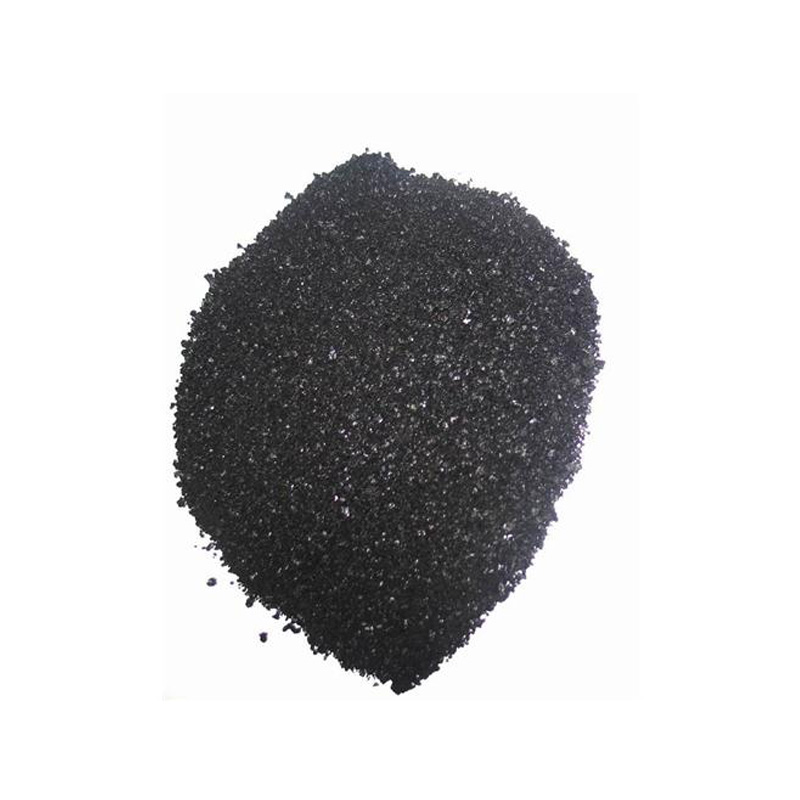
Sulphur Black
1.Name: sulphur black; Sulfur Black; Sulphur Black 1;
2.Structure formula:
3.Molecule formula: C6H4N2O5
4.CAS No.: 1326-82-5
5.HS code: 32041911
6.Product specification:Appearance:black phosphorus flakes; black liquid
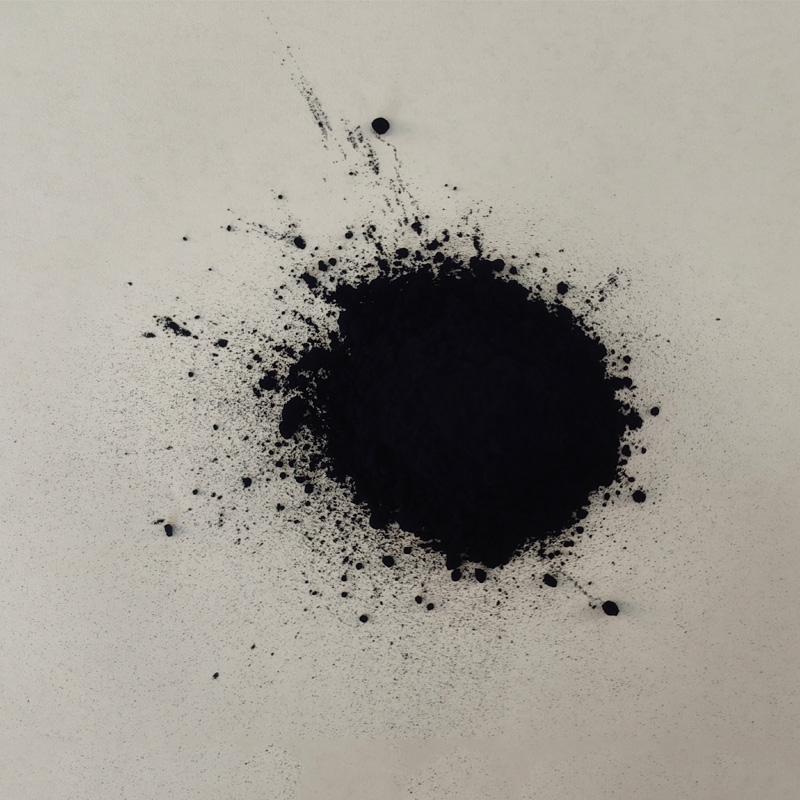
Bromo Indigo; Vat Bromo-Indigo; C.I.Vat Blue 5
1.Name: Bromo indigo; Vat bromo-indigo; C.I.Vat blue 5;
2.Structure formula:
3.Molecule formula: C16H6Br4N2O2
4.CAS No.: 2475-31-2
5.HS code: 3204151000 6.Major usage and instruction: Be mainly used to dye cotton fabrics.
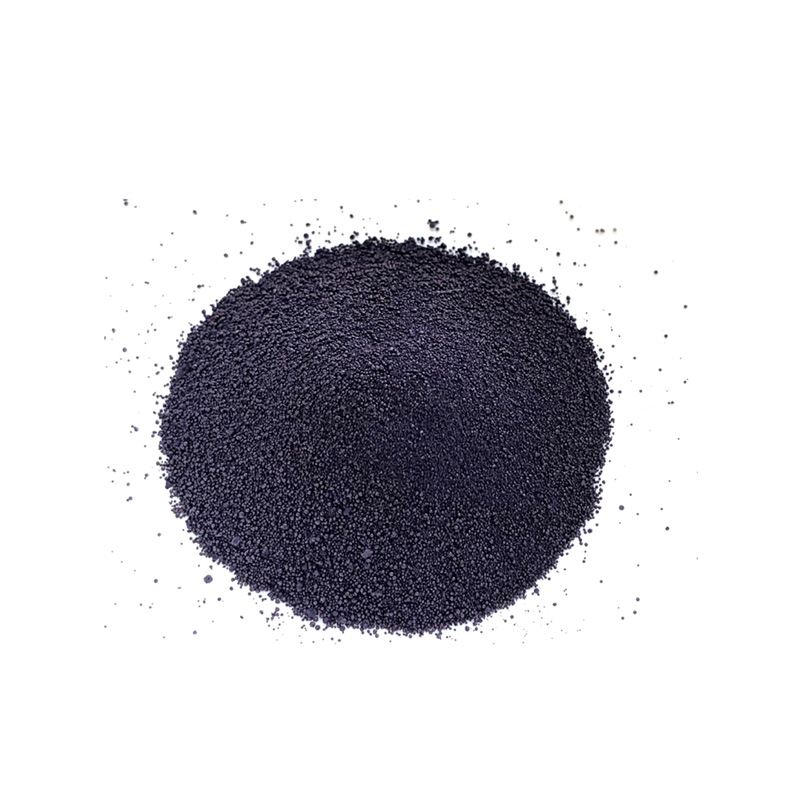
Indigo Blue Vat Blue
1.Name: indigo blue,vat blue 1,
2.Structure formula:
3.Molecule formula: C16H10N2O2
4.. CAS No.: 482-89-3
5.Molecule weight: 262.62
6.HS code: 3204151000
7.Major usage and instruction: Be mainly used to dye cotton fabrics.