

ODM Indigo Dye for Fabric – Quality & Customization Insights
Understanding ODM Indigo Dye for Fabric: A Veteran’s Perspective
Having spent close to two decades working around textile production and industrial dyeing processes, I’ve seen firsthand how critical it is to secure reliable, high-quality dyes—especially when it comes to something as iconic as indigo. ODM indigo dye has been on my radar for a while now, because it lets fabric manufacturers blend tradition and innovation in a way that frankly, not all dyes manage to accomplish.
So, what makes ODM indigo dye stand out? Let’s start from the roots. Indigo dye isn’t new, obviously — it’s been around for centuries. Yet, today’s market demands something that’s consistent and customizable. The ODM (Original Design Manufacturer) approach means the dye is tailored for specific fabric qualities and performance targets. You don’t just get a generic tint; you get a formula that fits the fabric, application, and washing requirements precisely.
From the industrial side, one of the things I noticed early on when working with ODM indigo dyes was their impressive colorfastness. In real terms, that means jeans, denim jackets, or even dyed cottons keep their shade longer under frequent wash cycles. Several engineers I've chatted with mention the advanced reduction and oxidation processes in these dyes, which is crucial for achieving that rich blue without bleeding or fading prematurely.
Here’s a quick spec summary so you get a snapshot of what you’re dealing with:
| Specification | Details |
|---|---|
| Form | Liquid Concentrate / Powder |
| Color Index | Indigo Blue (CI 73015) |
| Application | Denim, Cotton, Wool, Silk |
| Fastness - Wash | 4-5 (ISO standard) |
| Customization Options | Shade depth, viscosity, particle size |
| MOQ | 1 ton |
Choosing the right ODM indigo dye supplier isn’t just about specs—supplier reliability and product consistency weigh heavily, too. Oddly enough, I’ve found in my years that many buyers overlook ease of communication or post-sale support, which can lead to issues down the line. So, naturally, I put together a quick vendor comparison to highlight these parameters:
| Vendor | Consistency | Customization | Customer Support | Price Competitiveness |
|---|---|---|---|---|
| Wuxin Group | Excellent (ISO-certified) | Highly flexible | Responsive & multilingual | Competitive |
| Vendor B | Good (batch variation noted) | Limited shades | Slow response | Mid-range |
| Vendor C | Fair (inconsistent supply) | Standard shades only | Good | Lower price but quality risk |
Now, I remember a particular client in Turkey who switched to ODM indigo dye after battling color fade complaints for months. Switching suppliers became a turning point. After some trial runs and tweaks, their production stability improved, and customer satisfaction jumped noticeably. It feels kind of satisfying when a niche supplier partnership makes that much difference — for a company, but also for the final consumer who might just love their jeans a little more.
In terms of industry trends, the focus on sustainability means indigo dyes are evolving, too. Many ODM producers are now investing in low-impact and natural-derived indigo blends—which, frankly, feels like a win-win: preserving heritage colors but with a greener footprint.
To wrap up, if you’re in the textile or garment sector looking for indigo dye, consider the ODM route. It offers adaptability, consistent quality, and often, more responsive support than bulk generic dyes. If you want to explore more, checking out ODM indigo dye suppliers could be the next step. As always, ask for samples and test rigorously—nothing beats real-world trials.
At the end of the day, it’s about creating fabrics that tell their story without losing their color along the way.
References:
- International Organization for Standardization (ISO) Color Fastness Standards
- Textile World Report on Sustainable Indigo Dye Innovations, 2023
- Personal industry experience and client case studies, 2005–2024
-
Mastering the Art of China Japanese Indigo Dyeing Traditions
NewsApr.16,2026
-
Exploring the Elegance of China Deep Indigo Color in Textiles
NewsApr.09,2026
-
Discover High Quality China Jeans Blue Indigo for Global Markets
NewsApr.07,2026
-
Exploring the Rich Tradition of China Natural Indigo Dyed Fabric
NewsApr.04,2026
-
Exploring China Indigo Color in Nature History and Modern Applications
NewsMar.31,2026
-
Discover High Quality China Pure Indigo Powder for Vibrant Natural Dyeing
NewsMar.28,2026
-
Exploring the Rich History of China True Blue Indigo Textiles
NewsMar.26,2026
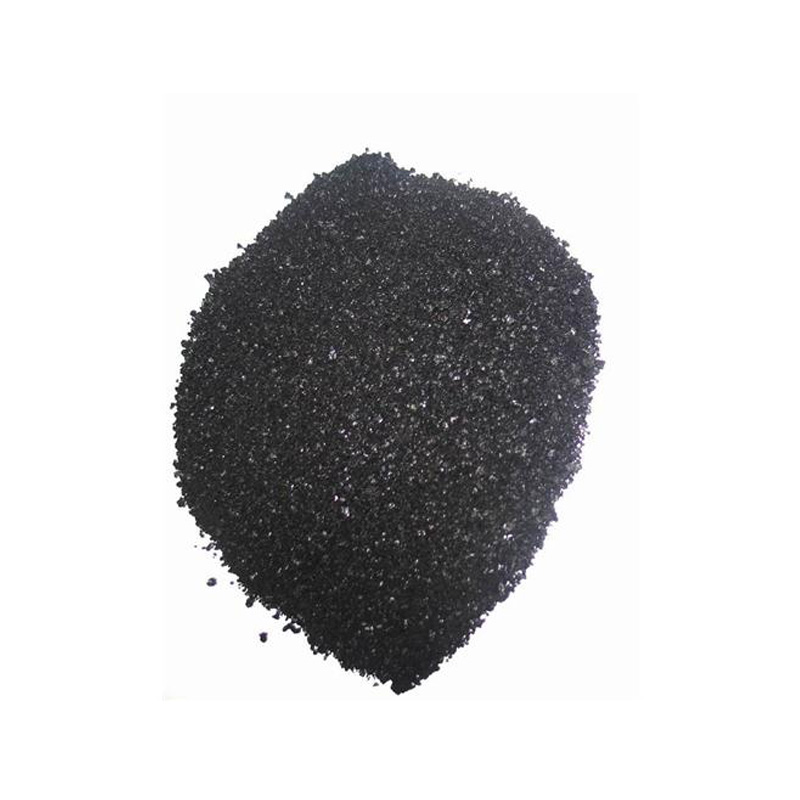
Sulphur Black
1.Name: sulphur black; Sulfur Black; Sulphur Black 1;
2.Structure formula:
3.Molecule formula: C6H4N2O5
4.CAS No.: 1326-82-5
5.HS code: 32041911
6.Product specification:Appearance:black phosphorus flakes; black liquid
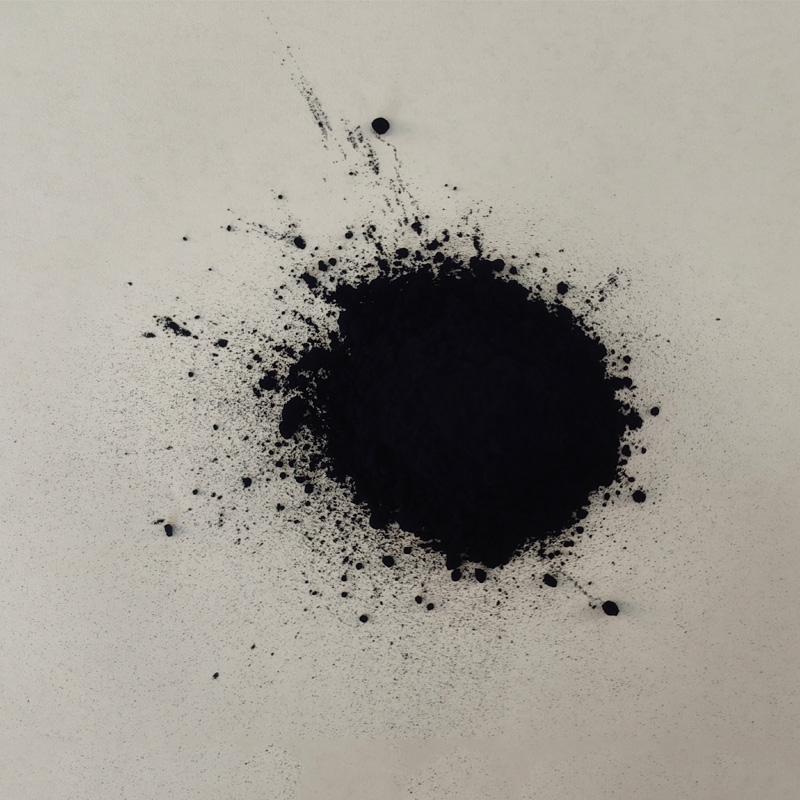
Bromo Indigo; Vat Bromo-Indigo; C.I.Vat Blue 5
1.Name: Bromo indigo; Vat bromo-indigo; C.I.Vat blue 5;
2.Structure formula:
3.Molecule formula: C16H6Br4N2O2
4.CAS No.: 2475-31-2
5.HS code: 3204151000 6.Major usage and instruction: Be mainly used to dye cotton fabrics.
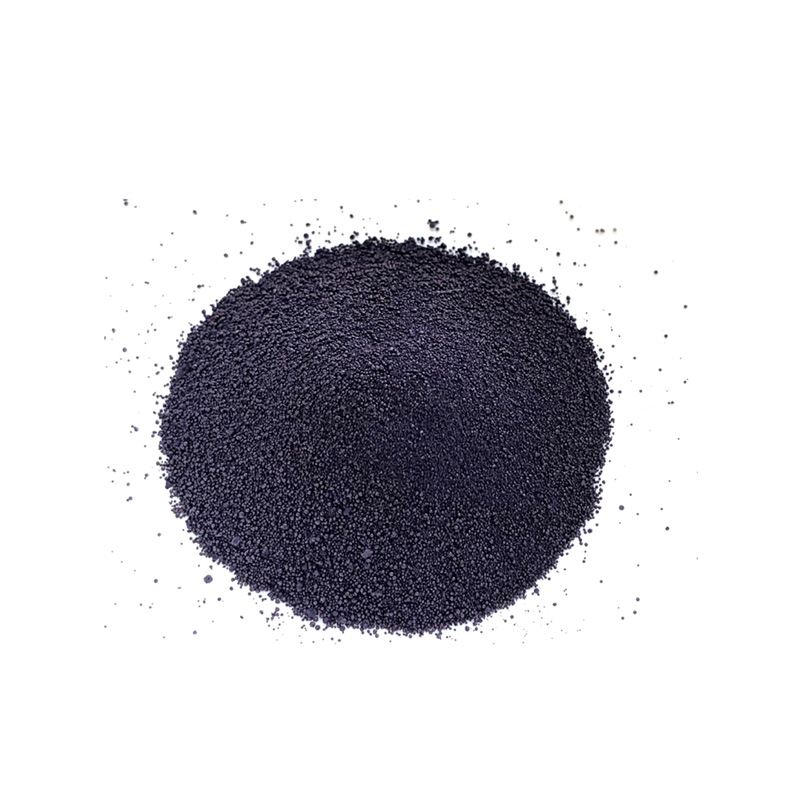
Indigo Blue Vat Blue
1.Name: indigo blue,vat blue 1,
2.Structure formula:
3.Molecule formula: C16H10N2O2
4.. CAS No.: 482-89-3
5.Molecule weight: 262.62
6.HS code: 3204151000
7.Major usage and instruction: Be mainly used to dye cotton fabrics.