

Odm Indigo Plant To Dye - Sustainable Natural Dye Solutions for B2B Textile Industry
Odm Indigo Plant To Dye is a key solution in the industry, specifically within natural textile dyeing and sustainable manufacturing sectors. This article explores how https://www.wuxin-group.com supports professionals with durable, high-performance products, and explains why this product is an ideal choice for businesses looking to integrate eco-friendly, efficient dyeing solutions.
Table of Contents
- Odm Indigo Plant To Dye Overview
- Benefits & Use Cases of Odm Indigo Plant To Dye
- Cost, Maintenance & User Experience
- Sustainability & Market Trends
Odm Indigo Plant To Dye Overview
When you hear “Odm Indigo Plant To Dye,” you’re looking at a natural dyeing agent sourced from the indigo plant, tailored specifically as an original design manufacturing (ODM) solution for textile and fabric industries. It’s a little odd how something so ancient — indigo dyeing dates back millennia — has been optimized scientifically to meet modern standards, especially by companies like Wuxin Group. This isn’t just raw plant material: their product undergoes rigorous extraction, purification, and quality control processes to ensure consistency and durability.
- Derived from the Indigofera tinctoria plant, the dye delivers a deep blue hue used broadly across textiles.
- Advanced extraction methods produce a non-toxic, colorfast powder suitable for various fabric types, from cotton to silk.
- Case studies consistently show superb color retention and improved wash resistance compared to traditional indigo powders.
| Specification | Details |
|---|---|
| Source Plant | Indigofera tinctoria |
| Form | Powdered pigment with high purity |
| Color Fastness | Grade 4+ on ISO 105-C06 (Wash fastness) |
| Solubility | Water-insoluble, used with reducing agents |
| Packaging Options | 10kg, 25kg kraft paper bags with PE liners |
Benefits & Use Cases of Odm Indigo Plant To Dye
Diving into real-world applications, this product shines remarkably in the textile industry — especially for businesses wanting sustainable alternatives to synthetic dyes. The natural indigo pigment is not only biodegradable but also less toxic, which frankly has become a huge selling point for brands eager to boost their green credentials. Oddly enough, many manufacturers noticed that switching to high-grade ODM-indigo actually simplified their batching process and reduced color variation — that’s gold in large-scale operations.
- Widely employed in denim production, giving jeans deep, lasting blue shades.
- Used in natural fiber dyeing, including cotton, linen, and silk, with excellent affinity.
- Competitive advantage lies in its consistently high purity and optimized particle size ensuring uniform application.
Vendor Comparison: ODM Indigo Plant To Dye Solutions
| Vendor | Purity (%) | Color Fastness | Packaging | Price (per kg) |
|---|---|---|---|---|
| Wuxin Group | 95% | 4.5 (ISO 105-C06) | 10kg, 25kg kraft bags | $$$ |
| Vendor B | 88% | 4.0 | 20kg plastic sacks | $$ |
| Vendor C | 90% | 3.8 | Bulk 50kg bags | $ |
Cost, Maintenance & User Experience
From a budget standpoint, the total cost of ownership for Odm Indigo Plant To Dye is intriguingly balanced. While it might carry a slightly higher upfront cost compared to bulk synthetic indigo, the longevity of dyed goods — and reduced waste due to consistent quality — tends to boost ROI. Customer feedback highlights ease of integration with existing dyeing setups; users often remark on reduced downtime thanks to the product’s uniformity and fewer impurities clogging equipment.
- Durable pigment particles enhance fabric lifespan, lowering re-dyeing costs.
- Minimal special maintenance required; traditional indigo dyeing protocols suffice.
- Real-world reports indicate satisfaction with supplier support and reliable delivery timeframes.
Sustainability & Market Trends
Sustainability isn't just a buzzword here; it’s integral to why so many B2B decision makers are seriously consideringODM Indigo Plant To Dye offerings. Unlike synthetic dyes, which can release harmful pollutants, this natural alternative aligns well with tightening environmental regulations worldwide. The market is trending heavily towards “cleaner” supply chains, and frankly, relying on natural plant-based dyes feels like a smart hedge against future compliance shocks. Additionally, customer demand for eco-conscious products continues to grow, prompting brands to look upstream for their raw materials.
- Reduction in hazardous chemical discharge during production.
- Supporting biodiversity by cultivating indigo plants responsibly.
- Rising market share for natural dyes projected over the next decade.
Frequently Asked Questions about Odm Indigo Plant To Dye
- What is Odm Indigo Plant To Dye and how does it work?
- It’s a natural dye powder extracted and purified from the indigo plant, used primarily to color textiles. Typically, this dye requires a reducing agent to become soluble and penetrate fabrics effectively, then oxidizes to develop its signature blue color.
- What are the main benefits of using Odm Indigo Plant To Dye in industrial applications?
- Benefits include greater environmental friendliness, consistent color quality, and improved textile durability. Users also note fewer impurities in their dye baths, which helps protect machinery.
- How does Odm Indigo Plant To Dye compare to traditional alternatives?
- Compared to raw indigo or synthetic dyes, the ODM product is more purified and standardized, reducing variability and waste. It’s designed to fit seamlessly within modern manufacturing while offering natural origins.
- What industries can benefit most from Odm Indigo Plant To Dye implementation?
- Primarily textile and fashion sectors, especially those producing denim and apparel committed to sustainability. Also valuable in artisanal textile crafts and cultural fabric production.
Conclusion on Odm Indigo Plant To Dye from china
To wrap it up, ODM Indigo Plant To Dye represents an exciting crossroads between tradition and innovation — providing natural, high-quality dye solutions with proven commercial advantages. For B2B decision makers looking to future-proof their product lines without sacrificing sustainability or performance, this product from China, especially via trusted sources like Wuxin Group, certainly deserves a close look.
- Reliable quality and consistent supply chains make this a practical choice for scale.
- Visit our website: https://www.wuxin-group.com
In real terms, the integration of ODM natural dye solutions signals an industry shift that's as much about ethics as it is about economics — something worth keeping an eye on.
- ISO 105-C06 Color Fastness Testing Method – Textile Standards
- Wuxin Group Corporate Brochure, 2023 Edition
- Global Textile Dye Market Report 2024 – Industry Perspectives
-
Mastering the Art of China Japanese Indigo Dyeing Traditions
NewsApr.16,2026
-
Exploring the Elegance of China Deep Indigo Color in Textiles
NewsApr.09,2026
-
Discover High Quality China Jeans Blue Indigo for Global Markets
NewsApr.07,2026
-
Exploring the Rich Tradition of China Natural Indigo Dyed Fabric
NewsApr.04,2026
-
Exploring China Indigo Color in Nature History and Modern Applications
NewsMar.31,2026
-
Discover High Quality China Pure Indigo Powder for Vibrant Natural Dyeing
NewsMar.28,2026
-
Exploring the Rich History of China True Blue Indigo Textiles
NewsMar.26,2026
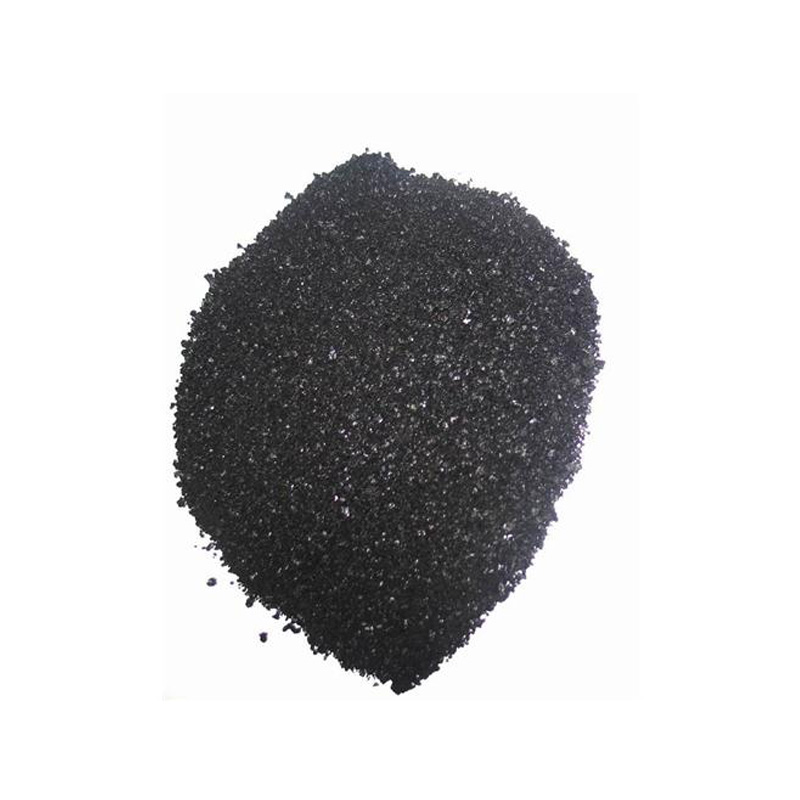
Sulphur Black
1.Name: sulphur black; Sulfur Black; Sulphur Black 1;
2.Structure formula:
3.Molecule formula: C6H4N2O5
4.CAS No.: 1326-82-5
5.HS code: 32041911
6.Product specification:Appearance:black phosphorus flakes; black liquid
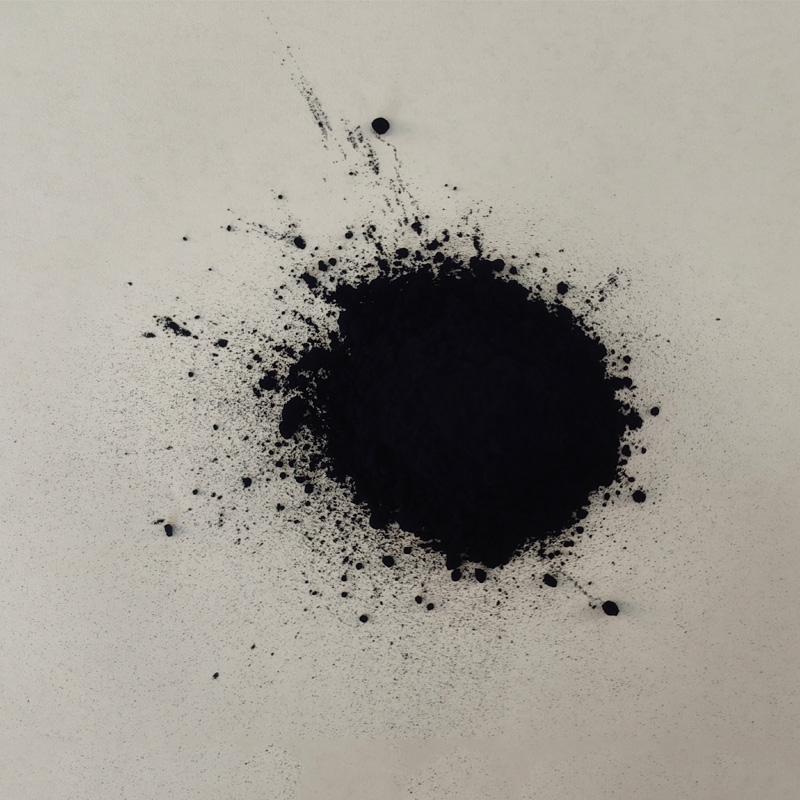
Bromo Indigo; Vat Bromo-Indigo; C.I.Vat Blue 5
1.Name: Bromo indigo; Vat bromo-indigo; C.I.Vat blue 5;
2.Structure formula:
3.Molecule formula: C16H6Br4N2O2
4.CAS No.: 2475-31-2
5.HS code: 3204151000 6.Major usage and instruction: Be mainly used to dye cotton fabrics.
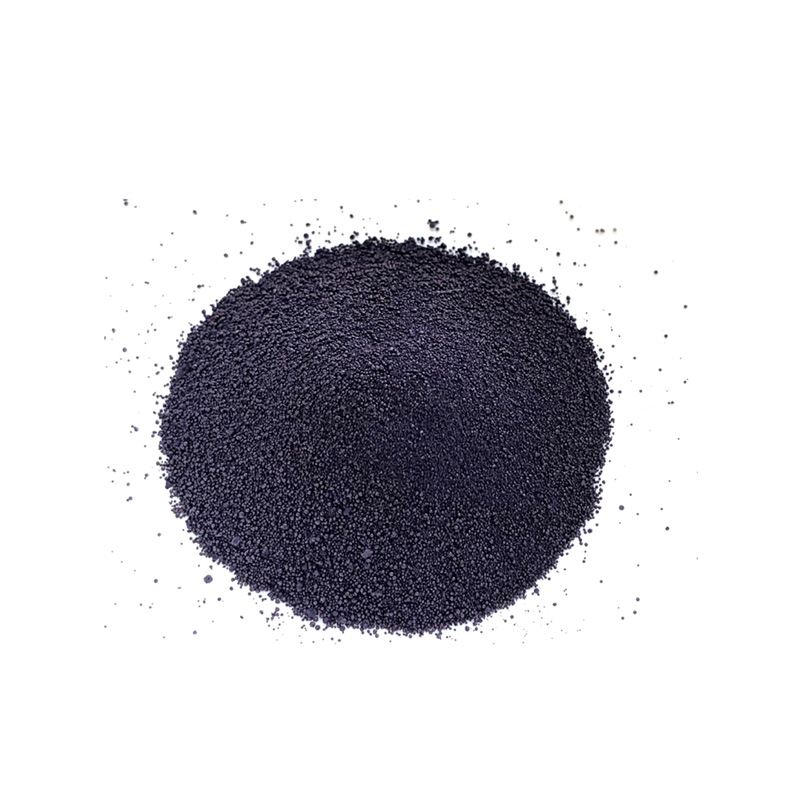
Indigo Blue Vat Blue
1.Name: indigo blue,vat blue 1,
2.Structure formula:
3.Molecule formula: C16H10N2O2
4.. CAS No.: 482-89-3
5.Molecule weight: 262.62
6.HS code: 3204151000
7.Major usage and instruction: Be mainly used to dye cotton fabrics.