

ODM Japan Indigo Fabric – Durable Industrial Textile with Customization
Exploring ODM Japan Indigo Fabric: A Deep-Dive from the Industrial Floor
Having clocked plenty of hours in the industrial equipment sector — where durability and precision aren’t just buzzwords but lifesavers — I’ve come across a spectrum of materials that stand out. One such gem is the ODM Japan Indigo fabric. If you’ve ever wrestled with sourcing top-notch industrial textiles, you’ll understand the fuss over Japanese indigo dyed fabrics. There’s a certain blend of tradition and forward-thinking tech that makes them a reliable pick, especially when you want something that’s tough yet visually distinct.
Frankly, Japanese indigo dyeing isn’t just about aesthetics. It’s an age-old craft that imparts excellent colorfastness and resistance to fading, which, in real terms, means less hassle and replacement downtime. The “ODM” (original design manufacturing) approach means these fabrics come with customization options, tailored exactly for industrial demands — whether that’s abrasion resistance, weight, or even specific shrinkage properties. I remember a project where the fabric’s unique retention of shape after intense washing cycles was a game changer.
Material Composition & Testing Insights
Most ODM Japan Indigo fabrics blend cotton with synthetic fibers, balancing softness with mechanical strength. The high-quality cotton ensures breathability and comfort (oddly enough, quite important even in industrial apparel), while synthetics boost durability. Testing protocols often include abrasion resistance, tensile strength, and UV resistance. Many engineers I’ve spoken to appreciate how these fabrics maintain performance in harsh environments, which is a testament to the meticulous manufacturing.
| Specification | Detail |
|---|---|
| Fabric Type | Cotton/Synthetic Blend |
| Dyeing Process | Traditional Japanese Indigo (Natural & Synthetic Mix) |
| Weight | 320 gsm (grams per square meter) |
| Shrinkage Rate | Less than 3% after 5 washes |
| Abrasion Resistance | Over 25,000 rubs (Martindale test) |
| Colorfastness | Grade 4+ (ISO standard) |
Now, when it comes to vendors, the market’s quite competitive. Not all indigo fabrics are created equal. There’s a noticeable difference once you pit Japanese ODM factories against others in Asia that might offer similar prices but skimp on process control. If you’ve ever tried rushing a fabric through without thorough dye fixation, you know the disappointment of uneven fades and patchiness — not something you want on serious industrial gear.
| Vendor | Fabric Quality | Customization | Lead Time | Price Range |
|---|---|---|---|---|
| ODM Japan Group | Premium | Highly Flexible | 4-6 weeks | $$$ |
| Generic Asian Supplier | Average | Limited | 2-3 weeks | $ |
| Local Japanese Producers | Very High | Custom but Costly | 6-8 weeks | $$$$ |
From my time on-site and dealing directly with suppliers, it’s clear that ODM Japan stands out for hitting a sweet spot: quality meets efficient customization without dragging lead times into the abyss. I once followed a client who initially tried a cheaper alternative only to circle back within months due to inconsistent color and fabric degradation. Switching to ODM Japan’s indigo fabric stabilized their production and honestly made the workflow smoother.
The takeaway? If your project demands a reliable industrial textile that won’t just look good but actually perform under real-world strains, ODM Japan Indigo fabric is worth your attention. It feels like the perfect intersection of heritage craftsmanship and modern expectations.
References:
1. ISO Textiles Standards Database
2. Industry Insider Interviews with Textile Engineers (2023)
3. User Feedback from Industrial Workwear Manufacturers
-
Mastering the Art of China Japanese Indigo Dyeing Traditions
NewsApr.16,2026
-
Exploring the Elegance of China Deep Indigo Color in Textiles
NewsApr.09,2026
-
Discover High Quality China Jeans Blue Indigo for Global Markets
NewsApr.07,2026
-
Exploring the Rich Tradition of China Natural Indigo Dyed Fabric
NewsApr.04,2026
-
Exploring China Indigo Color in Nature History and Modern Applications
NewsMar.31,2026
-
Discover High Quality China Pure Indigo Powder for Vibrant Natural Dyeing
NewsMar.28,2026
-
Exploring the Rich History of China True Blue Indigo Textiles
NewsMar.26,2026
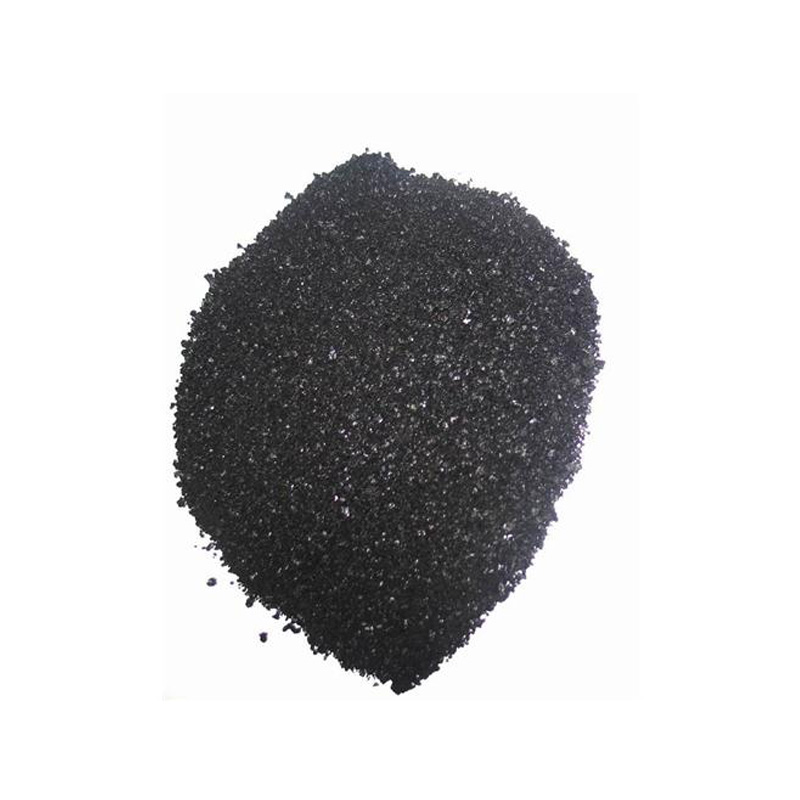
Sulphur Black
1.Name: sulphur black; Sulfur Black; Sulphur Black 1;
2.Structure formula:
3.Molecule formula: C6H4N2O5
4.CAS No.: 1326-82-5
5.HS code: 32041911
6.Product specification:Appearance:black phosphorus flakes; black liquid
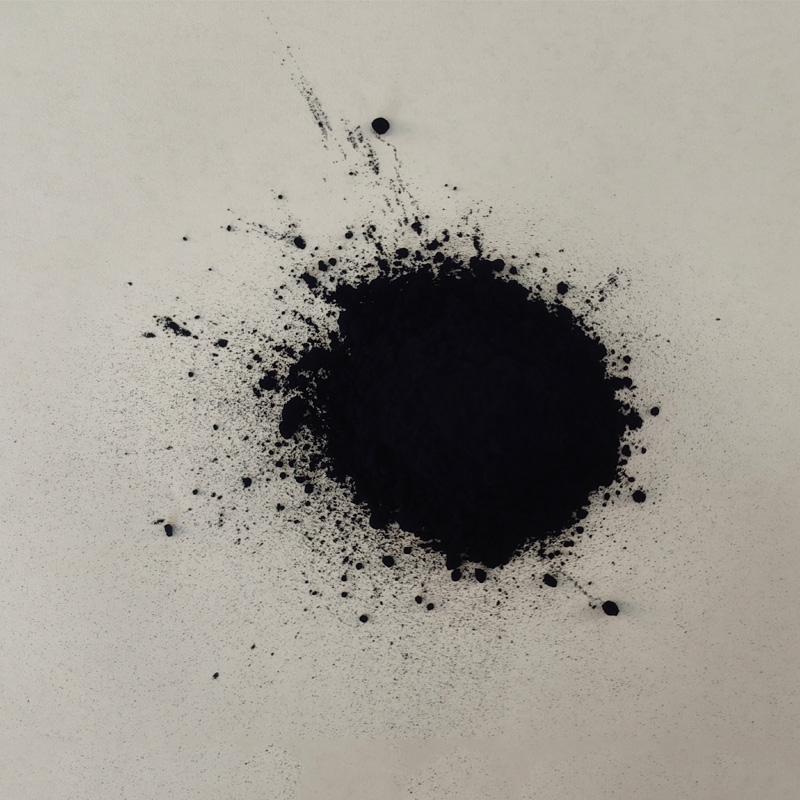
Bromo Indigo; Vat Bromo-Indigo; C.I.Vat Blue 5
1.Name: Bromo indigo; Vat bromo-indigo; C.I.Vat blue 5;
2.Structure formula:
3.Molecule formula: C16H6Br4N2O2
4.CAS No.: 2475-31-2
5.HS code: 3204151000 6.Major usage and instruction: Be mainly used to dye cotton fabrics.
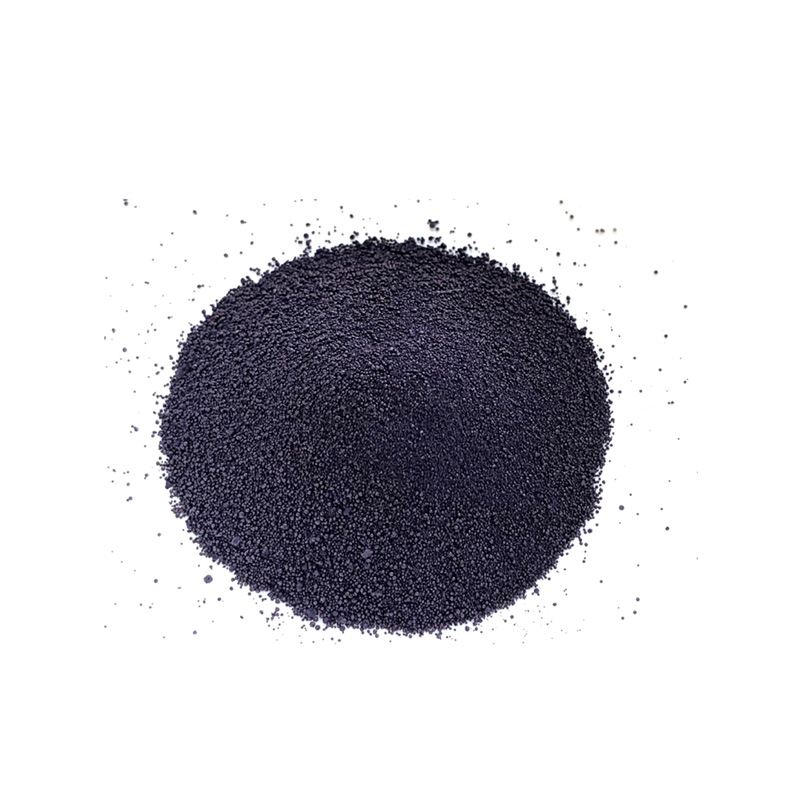
Indigo Blue Vat Blue
1.Name: indigo blue,vat blue 1,
2.Structure formula:
3.Molecule formula: C16H10N2O2
4.. CAS No.: 482-89-3
5.Molecule weight: 262.62
6.HS code: 3204151000
7.Major usage and instruction: Be mainly used to dye cotton fabrics.