

ODM Natural Blue Dye for Fabric | Sustainable Industrial Textile Solution
ODM Natural Blue Dye for Fabric: Bringing Industrial Heritage to Life
Having spent a fair stretch working directly in the industrial equipment sector, I’ve come across my share of innovative materials and dyes. But there’s something genuinely satisfying about ODM natural blue dye for fabric that goes beyond the usual synthetic stuff. It’s this earthy, rich tone that’s steeped in history and, frankly, better aligned with today’s push for sustainability in textiles.
ODM products—original design manufacturing—aren’t merely about mass production. They focus on tailored solutions, often blending traditional techniques with modern science. In the case of natural blue dye, the raw sources, say indigo plants or woad, are painstakingly processed to preserve that vibrant hue while ensuring consistency for industrial-scale fabric treatment. I remember a small workshop visit where technicians performed several dye extraction tests to optimize the chemical stability without sacrificing the environment. Production-scale blue never felt quite this authentic before.
You might ask, why bother with natural dyes when synthetics are cheaper and easier? Well, odd as it sounds, the natural hues can deliver fabrics with better dye-fastness under industrial laundering cycles—not as a fluke, but because of how the dye molecules bond intricately with fibers like cotton or linen. Plus, ODM suppliers often vet their raw sources rigorously. It’s one reason textile engineers are increasingly pushing for blends that incorporate natural dyes, especially for premium or eco-conscious product lines.
| Specification | Details |
|---|---|
| Source Material | Indigofera tinctoria (Natural Indigo Leaf) |
| Color Value | CI Natural Blue Shade, 615nm wavelength absorption peak |
| Purity | >95% Indirubin & Indigo content |
| Application | Cotton, Linen, Silk fabrics; compatible with vat dyeing process |
| Stability | High wash & light fastness (Grade 4+ ISO standards) |
From a usability perspective, natural blue dyes from ODM manufacturers like Wuxin Group represent a powerhouse of tradition meeting innovation. The vats require careful handling—as many in the trade have noticed. Most industrial operators I talked to emphasized that the dye’s reactivity is less forgiving than standard synthetic vats, so machine calibration and pH control are crucial. Honestly, this kind of hands-on monitoring makes for interesting daily work, compared to purely automated systems. You get to feel a bit like a craftsman —even in large-scale production.
Customization is another arena where ODM shines. Because natural dye batches vary based on harvest quality and processing, suppliers often work directly with fabric houses on unique formulations, adjusting strength and compatibility for their machinery or final product requirements. I recall a mid-sized textile firm switching to ODM natural blue on a luxury denim line. They praised how the depth of color evolved with wear and washing, giving garments a unique aged look unattainable with synthetic blues.
| Feature | Wuxin Group | Supplier B | Supplier C |
|---|---|---|---|
| Dye Purity (%) | >95% | ~90% | 88% |
| Production Capacity (tons/year) | 500 | 320 | 150 |
| ISO Environmental Certifications | ISO14001, GOTS | ISO14001 | None |
| Customization Options | High (Rate, purity, formulation) | Medium | Low |
| Support & Tech Consultation | 24/7 Assistance, On-site visits | Email and Phone | Limited |
In real terms, adopting ODM natural blue dye also ties directly into growing consumer demand for eco-friendly textiles. Many brands climbing the market ladder emphasize “clean” labels. The reduced chemical footprint—from cultivation to dyeing—means a smaller environmental cost. One friend, managing quality control at an organic cotton brand, told me how customers specifically ask if their indigo color comes from natural sources. It felt like a switch from mere selling points to real ethical engagement.
The challenges aren't absent, of course. Natural dyes can introduce variability and require more skilled handling. But having been on the ground seeing several pilot runs and factory scaling projects, I can safely say that these hurdles are well worth navigating. Ultimately, ODM natural blue dye for fabric is a tribute to craftsmanship and environmental mindfulness—something that doesn’t come along every day in industrial manufacturing.
In summary: If you value authentic color, ecological responsibility, and technical partnership, natural blue dye from reputable ODM suppliers like Wuxin is an option worth exploring.
References:
1. Textile World Magazine, "Natural Indigo’s Industrial Comeback," 2023
2. Wuxin Group Technical Brochure, 2024
3. International Journal of Textile Science, Vol.15, 2022
-
Mastering the Art of China Japanese Indigo Dyeing Traditions
NewsApr.16,2026
-
Exploring the Elegance of China Deep Indigo Color in Textiles
NewsApr.09,2026
-
Discover High Quality China Jeans Blue Indigo for Global Markets
NewsApr.07,2026
-
Exploring the Rich Tradition of China Natural Indigo Dyed Fabric
NewsApr.04,2026
-
Exploring China Indigo Color in Nature History and Modern Applications
NewsMar.31,2026
-
Discover High Quality China Pure Indigo Powder for Vibrant Natural Dyeing
NewsMar.28,2026
-
Exploring the Rich History of China True Blue Indigo Textiles
NewsMar.26,2026
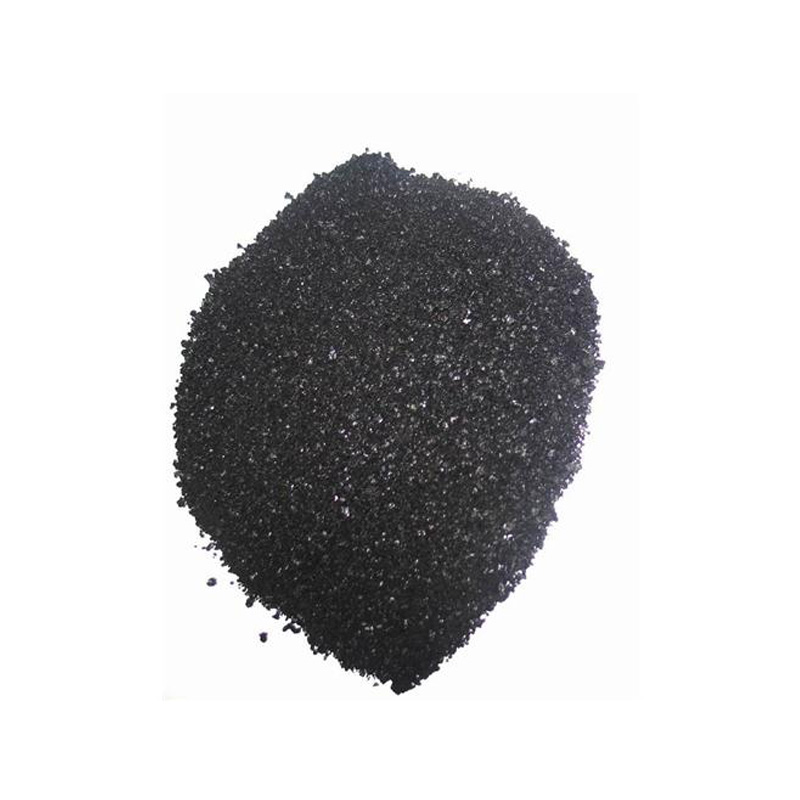
Sulphur Black
1.Name: sulphur black; Sulfur Black; Sulphur Black 1;
2.Structure formula:
3.Molecule formula: C6H4N2O5
4.CAS No.: 1326-82-5
5.HS code: 32041911
6.Product specification:Appearance:black phosphorus flakes; black liquid
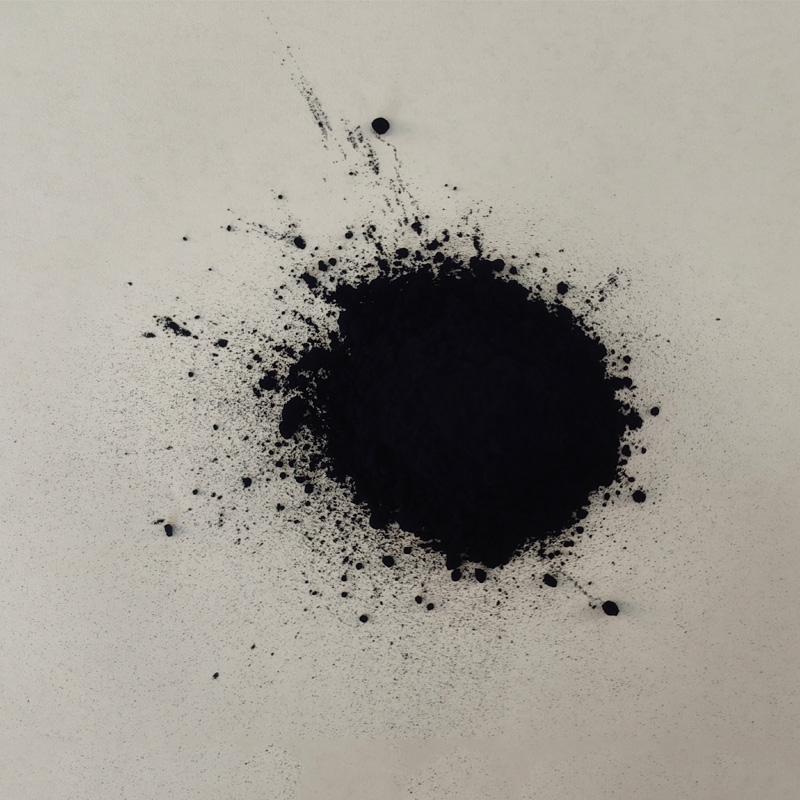
Bromo Indigo; Vat Bromo-Indigo; C.I.Vat Blue 5
1.Name: Bromo indigo; Vat bromo-indigo; C.I.Vat blue 5;
2.Structure formula:
3.Molecule formula: C16H6Br4N2O2
4.CAS No.: 2475-31-2
5.HS code: 3204151000 6.Major usage and instruction: Be mainly used to dye cotton fabrics.
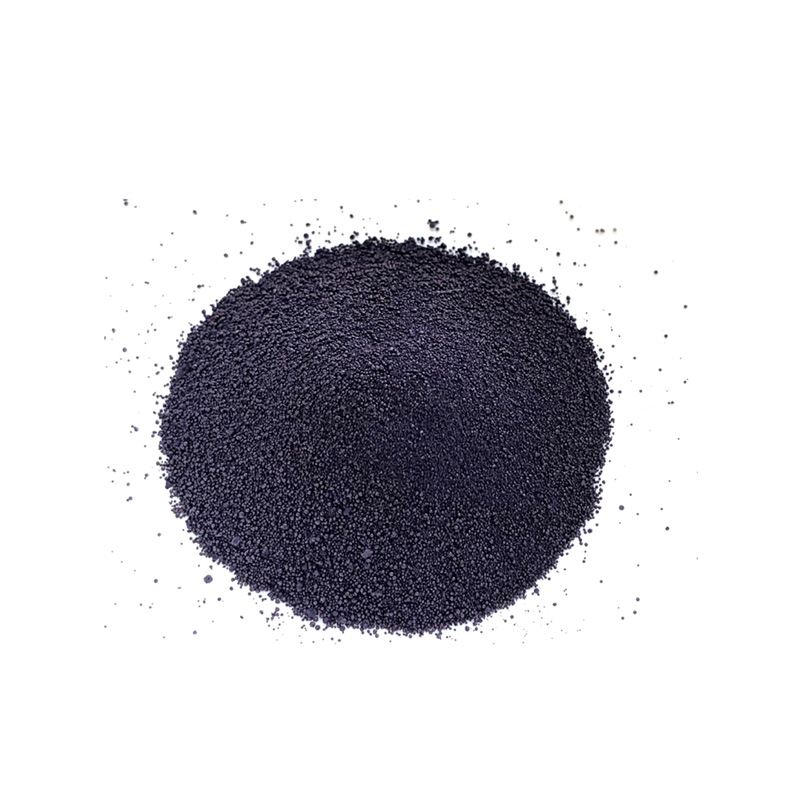
Indigo Blue Vat Blue
1.Name: indigo blue,vat blue 1,
2.Structure formula:
3.Molecule formula: C16H10N2O2
4.. CAS No.: 482-89-3
5.Molecule weight: 262.62
6.HS code: 3204151000
7.Major usage and instruction: Be mainly used to dye cotton fabrics.