

Reliable ODM Sulphur Dye Solutions for Industrial Textile Applications
ODM Sulphur Dye: Trusted Solutions for Industrial Textile Applications
Having spent quite a few years in the industrial equipment and textile chemical sectors, I’ve come to appreciate the nuanced role that ODM sulphur dye products play in fabric processing. Oddly enough, sulphur dyes often get overlooked in discussions dominated by reactive or vat dyes, but they’re workhorses in large-scale cotton dyeing, especially when budget and wash fastness matter.
To start, ODM sulphur dyes typically come engineered for bulk manufacturing environments where consistency, reliability, and environmental compliance count. The chemistry behind these dyes involves sulfur-based compounds reacting within the fiber, creating deep, robust colors—usually in darker shades like black, navy, olive, and browns. It feels like they strike a practical balance when you want durable color without going overboard on production cost.
From my experience, the best sulphur dyes aren’t just off-the-shelf pigments but come with customizable formulations to suit different fabric weights and machinery configurations. It’s not uncommon for clients to request adjustments in things like solubility or fixation temperature, which can directly influence production efficiency and final product quality. That sort of flexibility can save a lot of headaches on the factory floor.
Of course, quality assurance is critical. Many engineers I’ve worked alongside value comprehensive testing — evaluating not just colorfastness but also factors such as rub resistance and subtle impacts on fabric hand feel. Some ODM suppliers integrate pilot runs and data reporting, ensuring their dyes perform under real conditions before full-scale implementation.
| Parameter | Typical Range | Notes |
|---|---|---|
| Color Range | Black, Navy, Brown, Olive | Most common, deep shades |
| Form | Powder | Ensures ease of transport & handling |
| Solubility in Hot Water | 60-80% at 80-100°C | Impacts processing times |
| Fixation Temperature | 90-105°C | Optimized for cotton fabrics |
| Colorfastness (Wash) | 4-5 (ISO scale) | Good wash durability |
| Environmental Compliance | OEKO-TEX, GOTS capable | Critical for sustainable markets |
Now, regarding suppliers — which can make or break the end result. Not all ODM sulphur dye vendors offer the same level of support or quality consistency. I recently worked with a customer who switched vendors mid-project due to inconsistent batch color and poor technical backing. The new vendor not only provided improved product specs but also on-site technical advice. That kind of partnership is invaluable and frankly makes the difference between a satisfactory delivery and a stellar one.
| Vendor | Color Consistency | Technical Support | Customization Options | Environmental Certifications |
|---|---|---|---|---|
| Wuxin Group | High | Comprehensive, onsite assistance | Full formulation tailoring | OEKO-TEX, GOTS |
| Supplier B | Medium | Email support only | Limited | Basic compliance |
| Supplier C | Variable | None | None | None |
One small story worth sharing: a client specializing in workwear fabrics switched to an ODM sulphur dye from Wuxin Group. They reported far fewer production stoppages due to color variability and improved overall wash durability — a bonus that helped them win a quality contract with a major European retailer. It’s those practical wins on the production floor that remind me why I keep close tabs on supplier reliability and product specs.
So, if you’re in the market for dependable, cost-effective sulphur dyes, I’d suggest prioritizing not just the color range or price but also the flexibility and testing support offered by your ODM. You can check out this ODM sulphur dye supplier, which I’ve personally had good experience with for several projects.
All in all, it feels like sulphur dyes still hold strong for industrial cotton dyeing when affordability and durability top the list.
Happy dyeing—and stay curious about those subtle production details that make all the difference!
References:
1. Wuxin Group Product Literature
2. ISO Textile Testing Standards
3. Industry Insider Interviews, 2023
-
Mastering the Art of China Japanese Indigo Dyeing Traditions
NewsApr.16,2026
-
Exploring the Elegance of China Deep Indigo Color in Textiles
NewsApr.09,2026
-
Discover High Quality China Jeans Blue Indigo for Global Markets
NewsApr.07,2026
-
Exploring the Rich Tradition of China Natural Indigo Dyed Fabric
NewsApr.04,2026
-
Exploring China Indigo Color in Nature History and Modern Applications
NewsMar.31,2026
-
Discover High Quality China Pure Indigo Powder for Vibrant Natural Dyeing
NewsMar.28,2026
-
Exploring the Rich History of China True Blue Indigo Textiles
NewsMar.26,2026
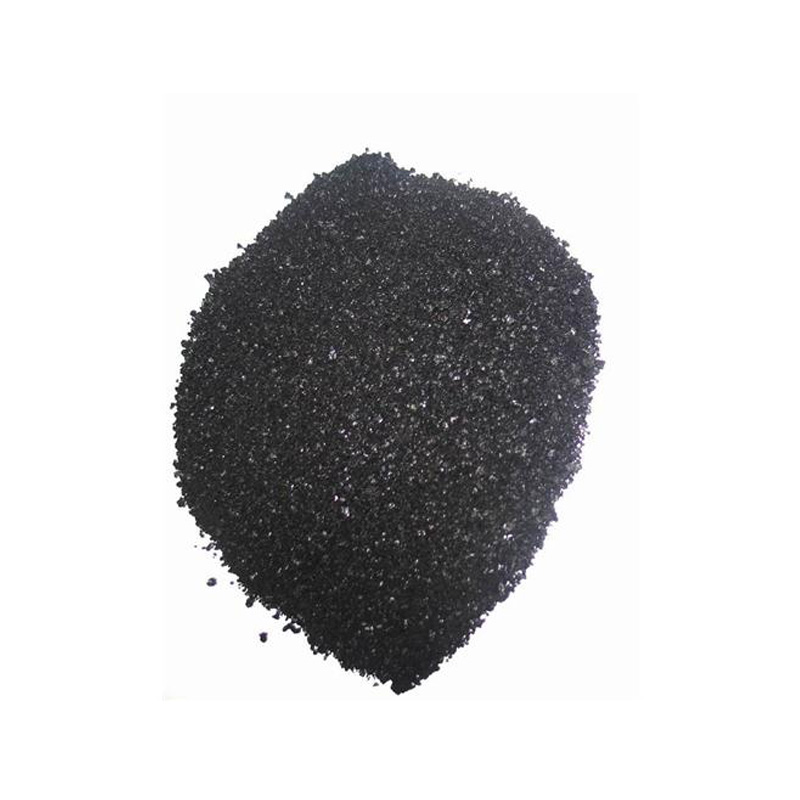
Sulphur Black
1.Name: sulphur black; Sulfur Black; Sulphur Black 1;
2.Structure formula:
3.Molecule formula: C6H4N2O5
4.CAS No.: 1326-82-5
5.HS code: 32041911
6.Product specification:Appearance:black phosphorus flakes; black liquid
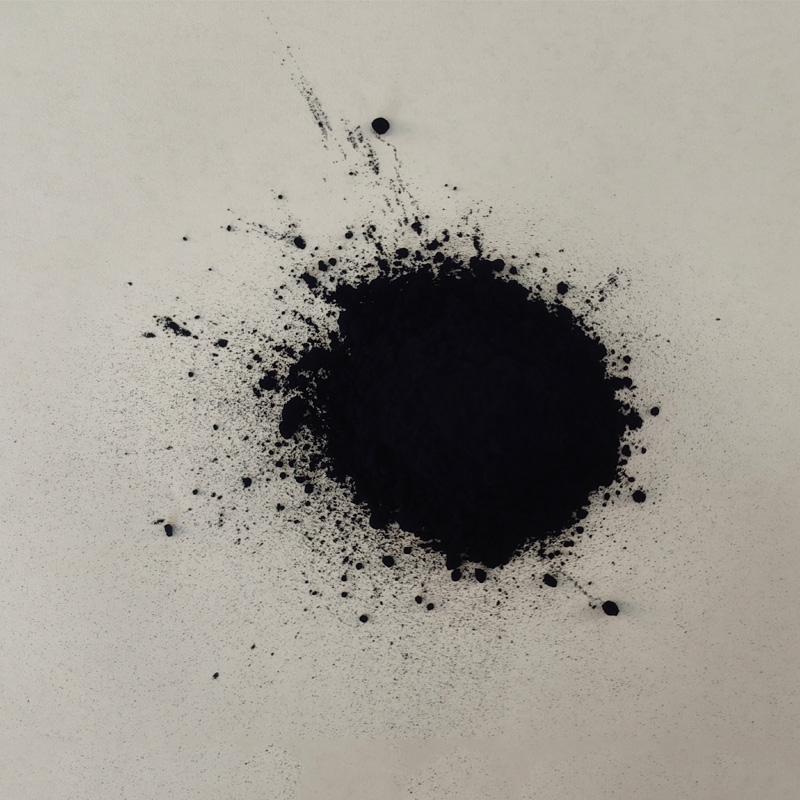
Bromo Indigo; Vat Bromo-Indigo; C.I.Vat Blue 5
1.Name: Bromo indigo; Vat bromo-indigo; C.I.Vat blue 5;
2.Structure formula:
3.Molecule formula: C16H6Br4N2O2
4.CAS No.: 2475-31-2
5.HS code: 3204151000 6.Major usage and instruction: Be mainly used to dye cotton fabrics.
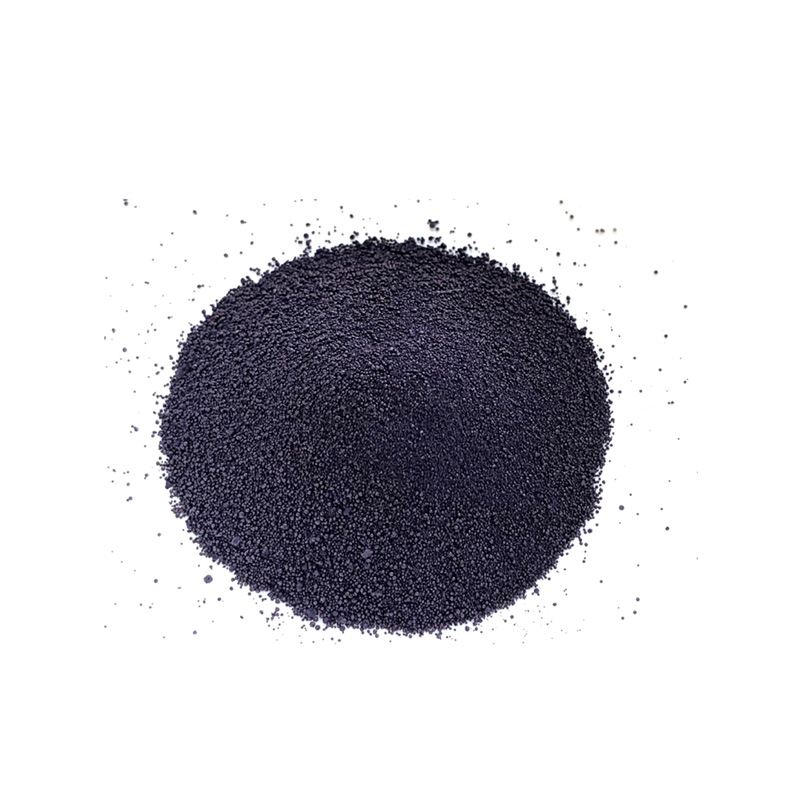
Indigo Blue Vat Blue
1.Name: indigo blue,vat blue 1,
2.Structure formula:
3.Molecule formula: C16H10N2O2
4.. CAS No.: 482-89-3
5.Molecule weight: 262.62
6.HS code: 3204151000
7.Major usage and instruction: Be mainly used to dye cotton fabrics.