

Reliable ODM Vat Dye Indigo Suppliers for Industrial Textiles
Understanding ODM Vat Dye Indigo: An Insider's Perspective
Having spent well over a decade in the industrial equipment and chemical dye sector, I can say that ODM vat dye indigo remains one of the quietly indispensable products on the market. Oddly enough, while it's a niche specialty, those of us dealing with textile dyeing processes know how critical pigment quality and consistency can be. Frankly, vat dyes have stood the test of time, especially indigo variants, for their exceptional fastness and color brilliance.
For those new to the term, the “ODM” in ODM vat dye indigo refers to Original Design Manufacturer, meaning you’re dealing with companies that not only provide the dye but can customize formulations and packaging to suit your production needs. It’s a subtle detail, but customization matters — especially when you consider how many textile producers operate with specific machinery or environmental conditions.
In real terms, vat dyes like indigo are prized for their unique solubility cycle. They start insoluble in water but become soluble under reducing conditions, allowing them to bond tightly with fibers. The result? Deep, stable color that doesn’t fade easily — critical for denim, workwear, and industrial textiles. I’ve seen many engineers say, “You can’t cut corners with vat dyes if you expect durability.”
Materials used in these dyes are carefully sourced. The purity of the indigo pigment, the reducing agents, and even stabilizers all matter. It feels like a bit of an art and science balance. Suppliers like the Wuxin Group have gained a reputation for delivering consistent batches tested under rigorous standards — which honestly saves downstream headaches.
Here’s a closer look at typical specifications for ODM vat dye indigo products you might encounter:
| Specification | Value |
|---|---|
| Appearance | Dark Blue Powder |
| Purity (Indigo content) | ≥ 70% |
| Moisture | ≤ 3% |
| PH Value | 6 - 8 |
| Particle Size | 20-50 microns |
| Packaging | 25kg bags (customizable) |
These specs matter not just on paper. I once worked with a client in Bangladesh who faced inconsistent coloration because their dye batches varied slightly in moisture and particle size. Once we switched to an ODM supplier with tighter controls, their production quality stabilized significantly.
Of course, picking an ODM vat dye indigo vendor isn’t just about specs, but also about service, reliability, and customization options. Here’s a quick comparison of three notable suppliers I’ve encountered over the years:
| Vendor | Customization | Batch Consistency | Lead Time | Global Reach |
|---|---|---|---|---|
| Wuxin Group | High | Excellent | 2-3 weeks | Strong |
| IndiDye Co. | Moderate | Good | 3-4 weeks | Regional |
| BlueChem Suppliers | Low | Variable | 1-2 weeks | Local only |
I suppose for many producers, the decision boils down to balancing cost, lead time, and the critical factor of consistent quality. You can go for the cheapest option, but if your color keeps fading or your batch quality varies, you’re facing downtime and lost trust downstream. And oddly enough, that can cost far more than the dye itself.
Something I find fascinating about working with vat dyes like indigo is how much tradition and innovation intersect. The chemistry has roots stretching back centuries, but suppliers now apply cutting-edge quality controls and custom formulations. And hey, it really shows in the final product — the deep, vibrant hues with long-lasting colorfastness.
In short, if you’re in the textile manufacturing world, seeking reliable ODM vat dye indigo options can make all the difference. From my experience, investing in a trusted supplier with robust customization and testing protocols pays off. Production hiccups from dye inconsistencies? Been there, done that — and not again.
So if you’re exploring new dye partners or upgrading your supply chain, take a close look at the specs but also at the support and flexibility behind the product. It’s the blend of quality, service, and tailored solutions that ultimately keeps mills running smoothly.
Brief takeaway: In this industry, consistency and customization define success; never underestimate the value of a seasoned ODM partner.
References:
- “Vat Dyeing - Indigo and Beyond,” Textile Chemist Journal, 2021.
- Wuxin Group – Product Datasheets and Customer Testimonials, 2023.
- Industry Insights Report, Global Textile Chemicals Forum, 2022.
-
Mastering the Art of China Japanese Indigo Dyeing Traditions
NewsApr.16,2026
-
Exploring the Elegance of China Deep Indigo Color in Textiles
NewsApr.09,2026
-
Discover High Quality China Jeans Blue Indigo for Global Markets
NewsApr.07,2026
-
Exploring the Rich Tradition of China Natural Indigo Dyed Fabric
NewsApr.04,2026
-
Exploring China Indigo Color in Nature History and Modern Applications
NewsMar.31,2026
-
Discover High Quality China Pure Indigo Powder for Vibrant Natural Dyeing
NewsMar.28,2026
-
Exploring the Rich History of China True Blue Indigo Textiles
NewsMar.26,2026
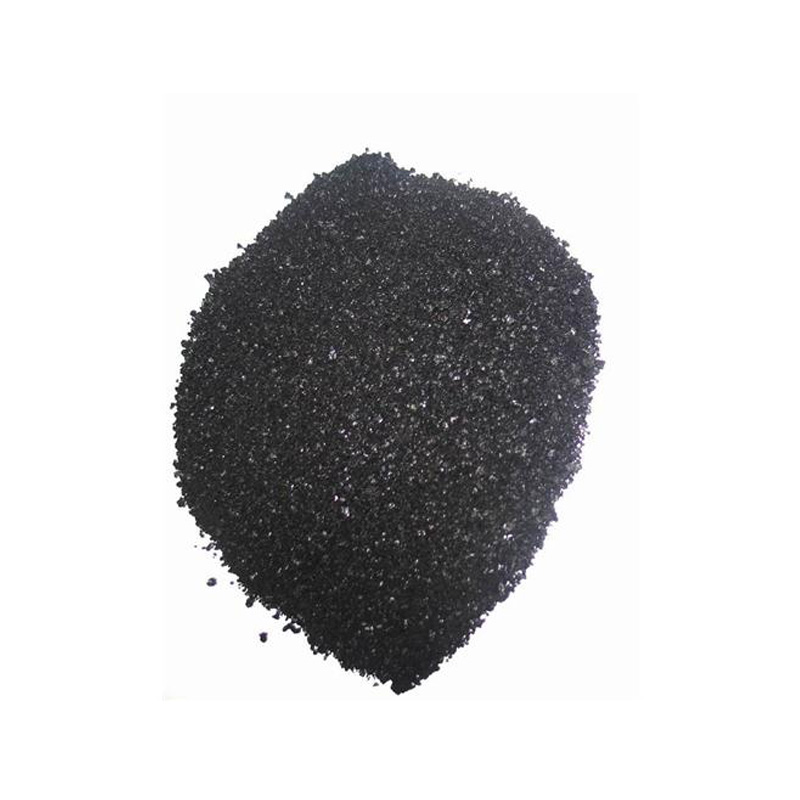
Sulphur Black
1.Name: sulphur black; Sulfur Black; Sulphur Black 1;
2.Structure formula:
3.Molecule formula: C6H4N2O5
4.CAS No.: 1326-82-5
5.HS code: 32041911
6.Product specification:Appearance:black phosphorus flakes; black liquid
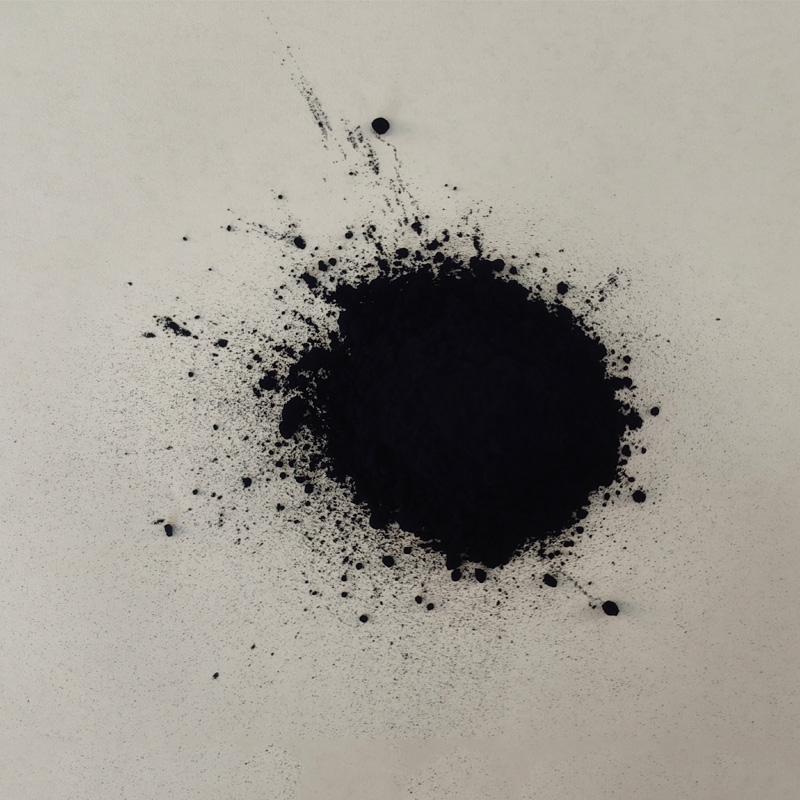
Bromo Indigo; Vat Bromo-Indigo; C.I.Vat Blue 5
1.Name: Bromo indigo; Vat bromo-indigo; C.I.Vat blue 5;
2.Structure formula:
3.Molecule formula: C16H6Br4N2O2
4.CAS No.: 2475-31-2
5.HS code: 3204151000 6.Major usage and instruction: Be mainly used to dye cotton fabrics.
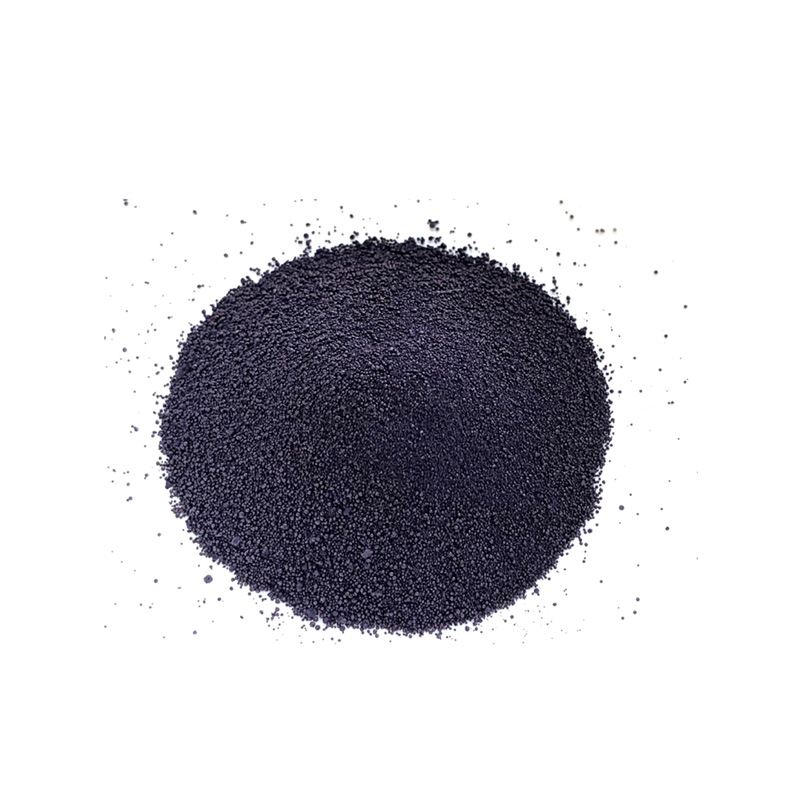
Indigo Blue Vat Blue
1.Name: indigo blue,vat blue 1,
2.Structure formula:
3.Molecule formula: C16H10N2O2
4.. CAS No.: 482-89-3
5.Molecule weight: 262.62
6.HS code: 3204151000
7.Major usage and instruction: Be mainly used to dye cotton fabrics.