

Sustainable Artistry: Exploring High Quality Japanese Indigo Dyeing Techniques
Understanding the Craft: What Is High Quality Japanese Indigo Dyeing and Why It Matters
If you’ve ever paused to admire that deep, vibrant blue on a handcrafted fabric, chances are you’ve glimpsed the magic of Japanese indigo dyeing. Though it may seem like a niche artisan skill, this dyeing tradition holds a surprisingly vital place in global textile innovation, sustainability efforts, and cultural preservation. The essence of high quality Japanese indigo dyeing lies not only in its breathtaking color but also its sustainable sourcing, time-tested techniques, and resultant durability—making it highly coveted worldwide. In economic terms, Japanese indigo ties local agriculture to global fashion markets, simultaneously enabling artisans and eco-conscious consumers to flourish. In plain terms, this isn’t just about clothing. It’s a convergence of history, science, and nature’s rhythm working together. And more people, industries, and NGOs are waking up to its broader applications—ranging from eco-friendly apparel production to restoring traditional craft economies in vulnerable communities.Mini takeaway: At its core, high quality Japanese indigo dyeing is about authentic craft meeting sustainability, creating value far beyond just beautiful colors.
The Global Stage: Why Japanese Indigo Dyeing Is More than Just Pretty Blues
Globally, the textile industry faces mounting pressure to become sustainable. According to the United Nations Environment Programme, the fashion sector accounts for roughly 10% of global carbon emissions and massive water consumption. Enter high quality Japanese indigo dyeing, which offers a more eco-conscious alternative to synthetic dyes, notorious for toxic runoff. Japan’s centuries-old indigo practices have quietly become a blueprint for eco-dyed textiles that emphasize natural cultivation, minimal waste, and repeatable pigment yields. What’s more, traditional techniques have been refined and standardized—recognized in various ISO certifications for quality control, colorfastness, and environmental compliance. This is important because as demand rises, companies face the challenge of scaling a craft-based process without losing its integrity. Japanese indigo producers also work within frameworks that protect biodiversity and reduce chemical inputs, supporting rural economies in Japan and now beyond.Mini takeaway: In a world urgently needing sustainable solutions, Japanese indigo dyeing is a promising, tested response blending heritage with modern environmental goals.
Defining the Craft: What Exactly is High Quality Japanese Indigo Dyeing?
Simply put, high quality Japanese indigo dyeing is the process of coloring textiles using naturally harvested indigo plants (Polygonum tinctorium), processed through a fermentation-rich dye bath to produce rich, long-lasting blue hues. The “high quality” aspect refers to meticulous plant selection, dye vat mastery, and controlled immersion techniques that yield consistent, vibrant, and durable colors unmatched by mass-produced dyes. It’s not just about aesthetics. These dyeing techniques embody careful water management, use of renewable raw materials, and the slow craft approach emphasizing patience and expertise. The result ties to humanitarian needs—creating natural, chemical-free fabrics that can be used in apparel for sensitive skin, food-safe utensils (like dyed cloths in restaurant kitchens), and even medical textiles that need breakthrough antimicrobial properties derived from the indigo’s natural compounds.Mini takeaway: This is traditional dyeing elevated to meet the standards of modern eco-conscious industries and health-focused applications.
Core Components of High Quality Japanese Indigo Dyeing
1. Plant Cultivation: The Root of Rich Color
Japanese farmers cultivate indigo under specific soil and climate conditions that impact pigment quality. The soil composition around Tokushima Prefecture, for example, is legendary for yielding robust leaves rich in indican—the precursor to indigo pigment.2. Vat Preparation & Fermentation
The magic lies in the fermentation vat, where leaves meet a carefully balanced solution of natural reducing agents. Maintaining precise pH and temperature over days allows for the transformation from indican to indigotin, the actual blue pigment.3. Dyeing Technique: Layering for Depth
Unlike synthetic dyes, Japanese indigo dye requires multiple dips to build depth. Each immersion oxidizes the cloth’s surface into a rich blue haze, creating that signature gradation and colorfastness.4. Post-Treatment and Fixing
Post-dye rinses and drying in open air ensure color fixation and reduce residual bitter plant compounds that could weaken fabric over time.5. Quality Control & Standardization
To maintain high quality Japanese indigo dyeing, manufacturers now incorporate standardized testing for colorfastness, shrinkage, and chemical residues—bridging traditional craft with industrial requirements.| Specification | Details |
|---|---|
| Indigo Leaf Quality | >85% indican content, harvested in late summer |
| Fermentation vat pH | 10.5–11.0 (alkaline) |
| Dipping Cycle | 5–8 cycles with oxidation pauses |
| Drying Method | Natural aerated drying (no sunlight) |
| Colorfastness | ISO 105-B02 Grade 4 or higher |
Mini takeaway: The complexity behind each deep blue shade is no accident—it’s skill, science, and patience combined.
Real World Uses: Where High Quality Japanese Indigo Dyeing Shines Globally
In Japan, traditional clothing brands and artisans continue to lead with indigo-dyed garments, reproducing classic patterns with a modern twist. Meanwhile, international designers, especially in sustainable fashion hubs like Scandinavia and the Pacific Northwest of the U.S., incorporate Japanese indigo for its environmental edge and unique aesthetics. Beyond apparel, sectors like automotive interiors and home textiles are experimenting with Japanese indigo to offer durable, non-toxic coloring options. Even NGOs working in refugee camps have explored natural dyeing techniques as part of livelihood programs, using the indigo plant to generate income through small-scale fabric production. In remote industrial zones, where synthetic dyes risk contaminating fragile ecosystems, Japanese indigo offers a biodegradable, low-impact alternative. Some tech-forward companies are blending computer-controlled vats and real-time pH monitoring to scale production without losing authenticity.Mini takeaway: Its appeal today spans far beyond Japan, weaving into global sustainable design and social enterprise efforts.
Comparing Japanese Indigo Dye Vendors: Who’s Leading the Way?
| Vendor | Location | Specialty | Certification | Sustainability Initiatives |
|---|---|---|---|---|
| Tokushima Indigo Co. | Tokushima, Japan | Traditional hand vat dyeing | ISO 14001, JIS Quality | Organic cultivation and zero-irrigation |
| EcoBlue Textiles | Osaka, Japan | Automated vats with real-time quality control | ISO 9001, OEKO-TEX | Circular water reuse in factory |
| Indigo Roots Collective | Global (online sourcing) | Small-batch artisanal suppliers | Fair Trade certified | Supports rural indigo farmer cooperatives |
Advantages & Long-Term Value of Japanese Indigo Dyeing
Frankly, when you compare synthetic dyes to high quality Japanese indigo, you start to see the picture: it’s not just longevity, but a story woven into every thread. - Sustainability: Indigo plants are renewable, and fermentation dye vat processes use fewer toxic chemicals, contributing to soil health and reducing water pollution. - Economic empowerment: Supporting indigo farmers and artisans promotes rural economies and preserves cultural heritage. - Durability & Performance: The pigments bond deeply with fibers, giving enhanced colorfastness that synthetic dyes often fail to match after repeated washing. - Health: No harsh chemicals means less irritation, safer for consumers and workers alike. There’s also a subtle, emotional pull here. Wearing or using indigo-dyed products connects people with centuries of tradition while endorsing global environmental ethics. It’s a circle of trust that benefits everyone involved.Mini takeaway: Japanese indigo dyeing’s advantages aren’t short-term—they embed social, ecological, and economic benefits that shape positive legacies.
The Road Ahead: Trends and Innovations Shaping Indigo Dyeing
Sustainability trends now see a fusion of tradition and tech. For instance: - Digitally Controlled Fermentation: Automation helps stabilize vat conditions, reducing human error and boosting yield consistency. - Green Energy Use: Solar-powered drying rooms and water-saving irrigation systems are becoming industry standard. - Bioengineering: Some researchers explore indigo-producing bacteria to supplement or replace plant extraction, potentially scaling production with a lower land footprint. - Certification & Traceability: Blockchain is being tested to authenticate indigo origin stories, ensuring consumer trust. These innovations promise to keep Japanese indigo dyeing relevant, blending artisanal heritage with next-gen production models.Challenges and How the Industry is Overcoming Them
It’s not all smooth sailing. Some roadblocks include: - Limited scalability due to labor-intensive methods. - Seasonal variability in plant quality affecting pigment yields. - Relatively high costs compared to synthetic alternatives. But solutions like semi-automated vats, pooling grower cooperatives to regulate supply, and marketing the “story behind the dye” to justify premium pricing are effective. Moreover, collaborations between universities and dye farms are tackling soil fatigue, ensuring sustainable cultivation cycles.Mini takeaway: While challenges exist, the industry’s mix of innovation and respect for tradition is a strong formula for resilience.
Frequently Asked Questions About High Quality Japanese Indigo Dyeing
- What makes Japanese indigo dyeing superior to other natural dyeing methods?
- It’s the unique fermentation vat process that creates a deep, long-lasting blue that is both vibrant and colorfast, combined with centuries of perfected horticulture and dyeing technique.
- How environmentally friendly is Japanese indigo dyeing compared to synthetic dyes?
- Japanese indigo uses renewable plant material, minimal chemicals, and water recycling practices, drastically reducing pollution and carbon footprints versus synthetic dyeing.
- Can high quality Japanese indigo dyes be used on all types of fabrics?
- Primarily on natural fibers like cotton, hemp, and silk, as these absorb the pigment best during the oxidation process.
- Is it possible to scale Japanese indigo dyeing for mass production?
- With modern vat automation and controlled fermentation, scaling is possible but still requires balancing speed with maintaining artisanal quality.
- How do I verify the authenticity of indigo dyeing products?
- Look for producer certifications such as ISO standards, OEKO-TEX labels, or supplier transparency programs that trace material sourcing.
Wrapping Up: Why High Quality Japanese Indigo Dyeing Deserves Your Attention
In a marketplace craving both authenticity and sustainability, high quality Japanese indigo dyeing elegantly answers. The craft ties culture, environment, and economy in a durable blue thread — one that not only colors fabric but also paints a future where tradition and innovation coexist. If you care about what you wear, what story it tells, and how it impacts the planet, Japanese indigo dyeing is a beautiful place to start. For anyone interested in sourcing these fabrics or learning more about growing sustainable textile practices, I suggest you visit our partner’s website — they showcase cutting-edge industry leaders balancing craft with eco-conscious scale. Thanks for sticking with me through the blue — and, as always, stay curious about what’s beneath the surface of your clothes.References
-
Mastering the Art of China Japanese Indigo Dyeing Traditions
NewsApr.16,2026
-
Exploring the Elegance of China Deep Indigo Color in Textiles
NewsApr.09,2026
-
Discover High Quality China Jeans Blue Indigo for Global Markets
NewsApr.07,2026
-
Exploring the Rich Tradition of China Natural Indigo Dyed Fabric
NewsApr.04,2026
-
Exploring China Indigo Color in Nature History and Modern Applications
NewsMar.31,2026
-
Discover High Quality China Pure Indigo Powder for Vibrant Natural Dyeing
NewsMar.28,2026
-
Exploring the Rich History of China True Blue Indigo Textiles
NewsMar.26,2026
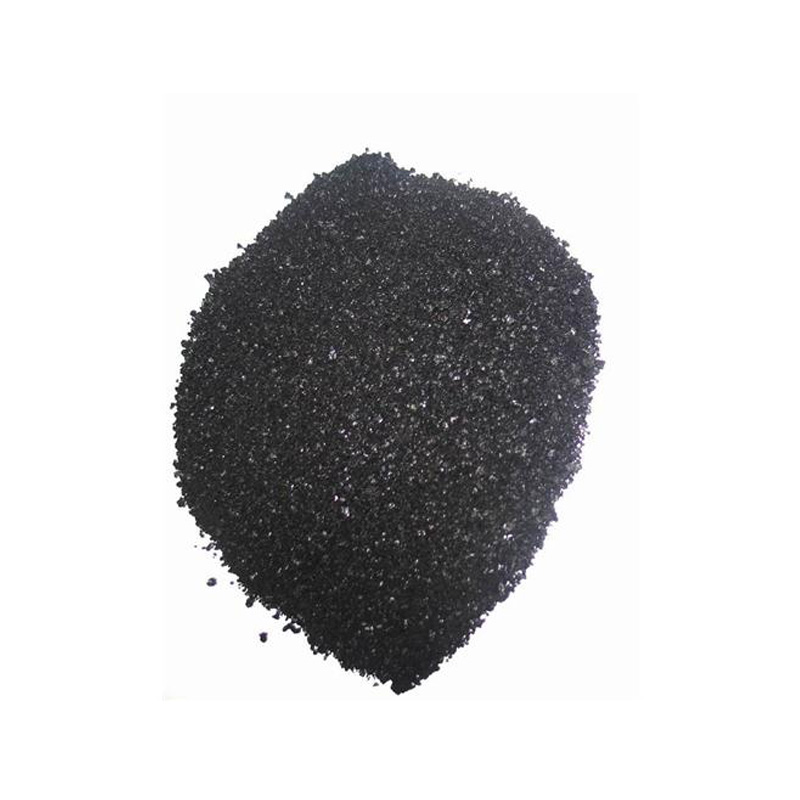
Sulphur Black
1.Name: sulphur black; Sulfur Black; Sulphur Black 1;
2.Structure formula:
3.Molecule formula: C6H4N2O5
4.CAS No.: 1326-82-5
5.HS code: 32041911
6.Product specification:Appearance:black phosphorus flakes; black liquid
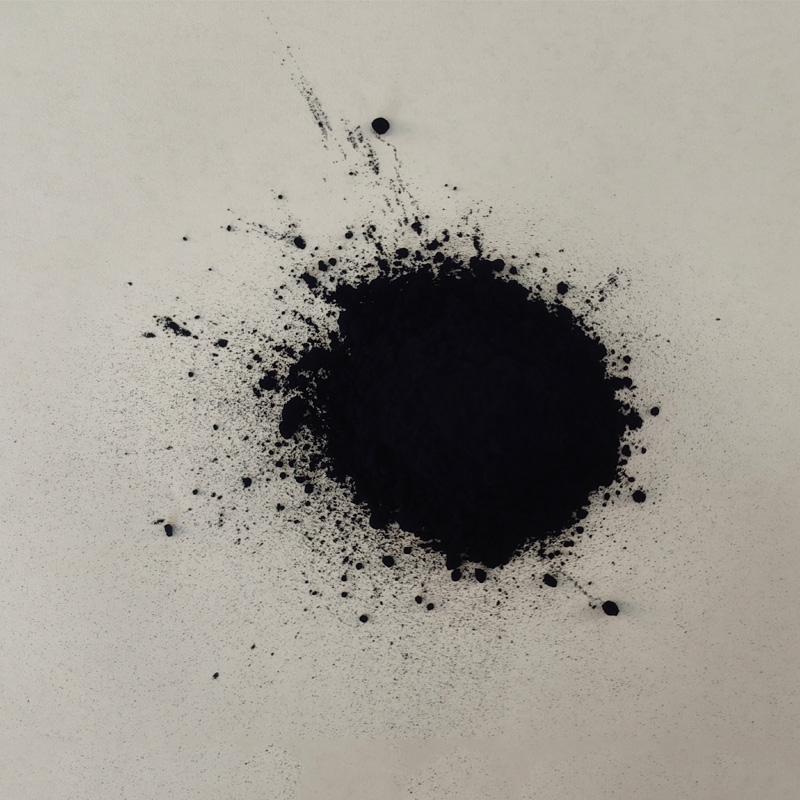
Bromo Indigo; Vat Bromo-Indigo; C.I.Vat Blue 5
1.Name: Bromo indigo; Vat bromo-indigo; C.I.Vat blue 5;
2.Structure formula:
3.Molecule formula: C16H6Br4N2O2
4.CAS No.: 2475-31-2
5.HS code: 3204151000 6.Major usage and instruction: Be mainly used to dye cotton fabrics.
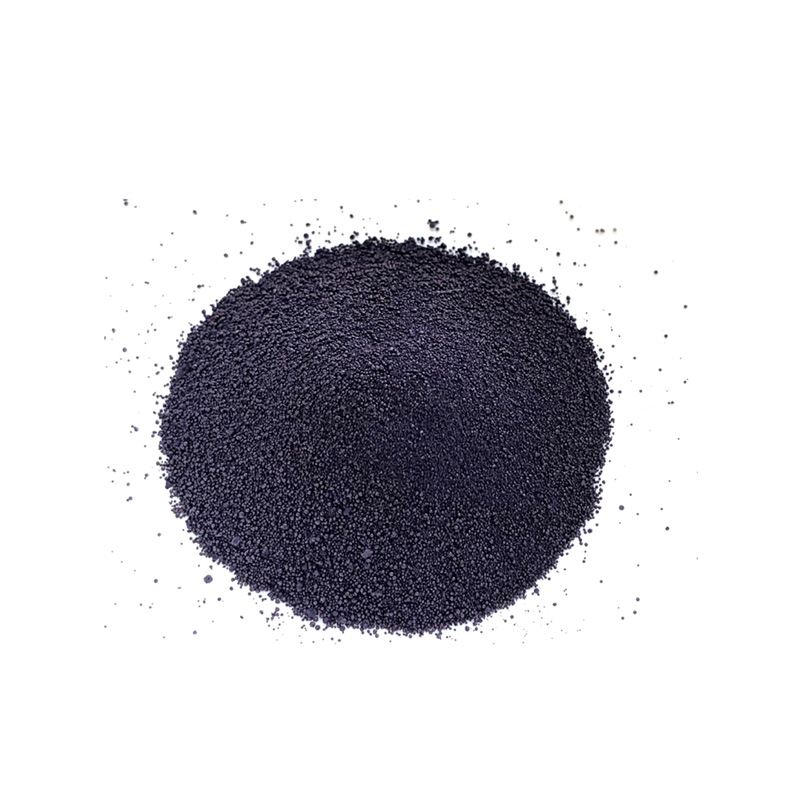
Indigo Blue Vat Blue
1.Name: indigo blue,vat blue 1,
2.Structure formula:
3.Molecule formula: C16H10N2O2
4.. CAS No.: 482-89-3
5.Molecule weight: 262.62
6.HS code: 3204151000
7.Major usage and instruction: Be mainly used to dye cotton fabrics.