

Understanding High Quality Dark Indigo Dye for Jeans: Durability, Sustainability & Trends
Understanding the Importance of High Quality Dark Indigo Dye for Jeans
Jeans are more than just wardrobe staples — they’re cultural icons, symbols of style, and, quite frankly, a global industry powerhouse. At the heart of this vibrant apparel market lies the unsung hero: high quality dark indigo dye for jeans. Why does this matter? Well, whether you’re a manufacturer, retailer, or even a denim enthusiast, getting this dye right means better colorfastness, durability, and eco-friendliness, all of which ripple through economics and sustainability worldwide.
Globally, the denim market was valued at over $70 billion in 2022, with expectations to grow consistently over the next decade. But beneath the surface, challenges around dyeing quality, waste, and chemical use persist, affecting brands and consumers alike. Exploring the nuances of dark indigo dye reveals not just a technical product but a vital piece in the puzzle of sustainable fashion and industrial innovation.
Why This Matters on a Global Stage
According to ISO standards and reports by the World Bank, sustainable textile production is critical to achieving environmental goals and reducing the fashion industry’s carbon footprint. Dark indigo dye, when produced and applied at high quality, reduces water usage and toxic runoff, making it a key player in greener manufacturing.
However, inconsistent dye quality can lead to faster fading, washing out, and increased waste, pushing up costs and environmental harm. In real terms, the right dye helps manufacturers maintain product integrity and consumer trust globally.
What Exactly Is High Quality Dark Indigo Dye for Jeans?
Simply put, dark indigo dye is a deep blue coloring agent specially formulated for denim fabrics — the stuff that gives jeans their signature look.
High quality versions mean formulations that adhere tightly to cotton fibers, resist fading through washes and sunlight, and come with minimized environmental hazards. It is fundamentally connected to modern demands for durability, style, and sustainability in textile production. Plus, with sustainable practices, it aligns with global calls for reduced pollution in manufacturing settings — a big humanitarian plus given the millions employed worldwide in denim production.
Core Components of High Quality Dark Indigo Dye
- Durability: The dye must maintain its richness across repeated washes and wear.
- Colorfastness: Resistance to fading or bleeding, essential for consumer satisfaction.
- Eco-Friendliness: Reduced use of harmful chemicals and less wastewater production.
- Scalability: Ability to produce consistent batches to meet global denim demands.
- Cost Efficiency: Balancing quality with affordability to keep brands competitive.
- Compatibility: Works seamlessly with different denim fabric blends and treatments.
All these factors intersect — you can’t just pick one and ignore the others. For instance, durability without eco-friendliness could solve one problem but worsen another.
Technical Specs of a Typical High Quality Dark Indigo Dye
| Parameter | Specification | Unit |
|---|---|---|
| Concentration | 25–30% | wt% |
| Colorfastness (Wash) | 4–5 | Grade (ISO 105-C06) |
| pH Range | 9–11 | |
| Fastness to Light | 5 | Grade (ISO 105-B02) |
| Solubility | Complete in Water |
Real-World Applications of Dark Indigo Dye in Denim Production
Considering the massive global apparel markets—in countries spanning from the US to Bangladesh to China—the application of high quality dark indigo dyes is foundational. Denim manufacturers rely on these dyes to deliver consistent quality that consumers expect. Retailers, in turn, count on this for brand reputation and repeat business.
For instance, in the fast-fashion hubs of Southeast Asia, efficient and environmentally friendly indigo dyeing processes help minimize ecological impact, which is a growing concern supported by stricter ISO environmental standards and local regulations. Oddly enough, even luxury denim brands that charge a premium for “authentic” indigo jeans stress the importance of high-quality dyes to maintain deep, lasting hues that age gracefully.
Some initiatives extend to humanitarian projects, wherein skilled dyeing processes help local artisans produce marketable denim goods, supporting livelihoods and preserving cultural craftsmanship. So, it’s as much about people as about pigment.
Comparison of Top Indigo Dye Vendors
| Vendor | Sustainability | Price Range | Colorfastness Rating | Global Reach |
|---|---|---|---|---|
| Wuxin Group | High | $$$ | 4.8/5 | Asia, Europe, Americas |
| IndigoCo | Medium | $$ | 4.2/5 | Europe, N. America |
| BlueDye Ltd. | Low | $ | 3.8/5 | Asia |
Advantages and Long-Term Value of Quality Indigo Dye
Investing in premium dark indigo dye isn’t just about immediate aesthetics. It’s about sustainability, savings, and social impact.
Cost Savings: Less frequent re-dyeing or discards reduce waste and procurement expenses.
Sustainability: Better dyes minimize environmental pollution — a key factor as global fashion faces mounting scrutiny.
Consumer Trust: The consistent, vibrant color enhances brand reputation and customer loyalty.
On a softer note, it also elevates the wearer’s confidence and pride. Wearing jeans that hold their color well over time kind of feels like an assurance of quality, of craftsmanship — intangible but real.
Emerging Trends in Indigo Dyeing
The future is exciting as innovations bubble up around green chemistry and biobased dyes. For example, some companies are pioneering enzymes that fix indigo dyes more efficiently, reducing water and energy consumption.
Coupled with digital textile printing and automation, these advances promise less waste and more customization. The push for circular fashion may also lead to dyes compatible with recycling and upcycling denim fabrics.
Challenges and Practical Solutions
Challenges mainly involve balancing cost, environmental impact, and quality — not to mention supply chain complexities that can disrupt consistent dye availability. Some cheaper dyes end up compromising on fastness or dump toxic byproducts into waterways.
Experts suggest adopting closed-loop systems and partnering with vetted vendors — like high quality dark indigo dye for jeans suppliers — to mitigate these issues.
FAQ: Common Questions About High Quality Dark Indigo Dye for Jeans
- Q: How does high quality dark indigo dye improve jeans durability?
A: It bonds more firmly with denim fibers, reducing fading and fabric damage through washes and UV exposure. This results in longer-lasting jeans that maintain their rich color. - Q: Are eco-friendly indigo dyes more expensive?
A: Initially, yes, but savings from reduced water and chemical use plus higher product quality often compensate over time. - Q: Can high quality dark indigo dye be applied on blended fabrics?
A: Yes, though dye formulations may need adjustment to ensure uniform color on cotton-polyester blends or stretch denim. - Q: How can manufacturers ensure consistent dye quality?
A: By following ISO standards and sourcing from trusted suppliers such as those specializing in high quality dark indigo dye for jeans. - Q: What industries aside from fashion use indigo dye?
A: Occasionally automotive upholstery, workwear, and some home textiles, though denim remains the main consumer.
Conclusion: Why Choose High Quality Dark Indigo Dye for Jeans?
In short, the right indigo dye transforms jeans from mere garments into lasting expressions of style and sustainability. Beyond aesthetics, it safeguards environmental resources, supports social equity in labor markets, and ensures that the global demand for quality denim can be met responsibly.
Curious to explore more or source premium indigo dye? Visit us at high quality dark indigo dye for jeans and discover how your supply chain can benefit from excellence in dye technology.
Because in denim, color isn’t just a shade — it’s a statement.
Quick takeaway: Investing in high quality dark indigo dye brings lasting durability and sustainability to denim that everyone—from manufacturers to end users—can appreciate.
-
Mastering the Art of China Japanese Indigo Dyeing Traditions
NewsApr.16,2026
-
Exploring the Elegance of China Deep Indigo Color in Textiles
NewsApr.09,2026
-
Discover High Quality China Jeans Blue Indigo for Global Markets
NewsApr.07,2026
-
Exploring the Rich Tradition of China Natural Indigo Dyed Fabric
NewsApr.04,2026
-
Exploring China Indigo Color in Nature History and Modern Applications
NewsMar.31,2026
-
Discover High Quality China Pure Indigo Powder for Vibrant Natural Dyeing
NewsMar.28,2026
-
Exploring the Rich History of China True Blue Indigo Textiles
NewsMar.26,2026
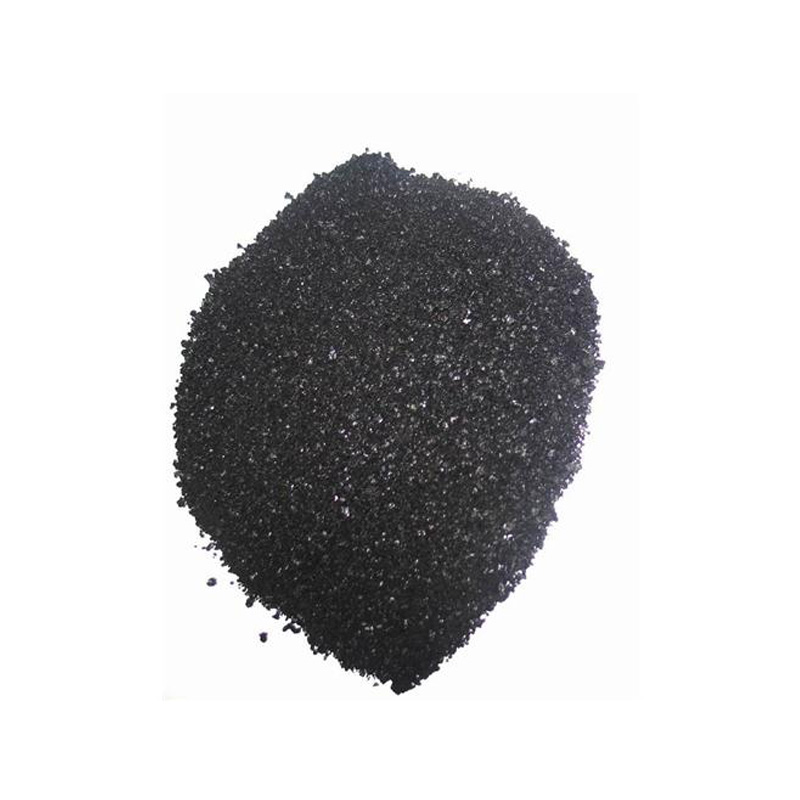
Sulphur Black
1.Name: sulphur black; Sulfur Black; Sulphur Black 1;
2.Structure formula:
3.Molecule formula: C6H4N2O5
4.CAS No.: 1326-82-5
5.HS code: 32041911
6.Product specification:Appearance:black phosphorus flakes; black liquid
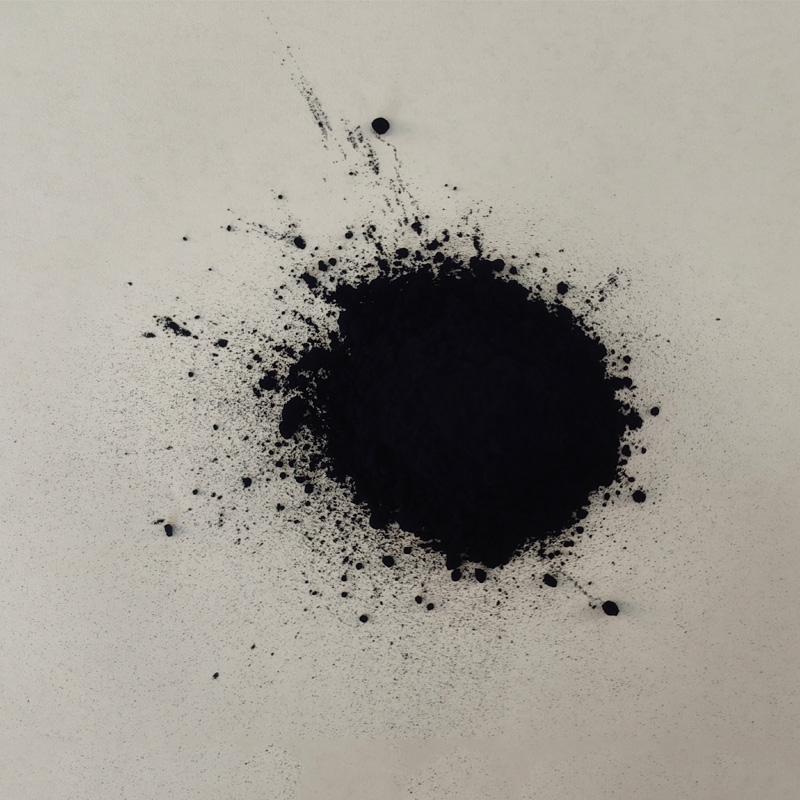
Bromo Indigo; Vat Bromo-Indigo; C.I.Vat Blue 5
1.Name: Bromo indigo; Vat bromo-indigo; C.I.Vat blue 5;
2.Structure formula:
3.Molecule formula: C16H6Br4N2O2
4.CAS No.: 2475-31-2
5.HS code: 3204151000 6.Major usage and instruction: Be mainly used to dye cotton fabrics.
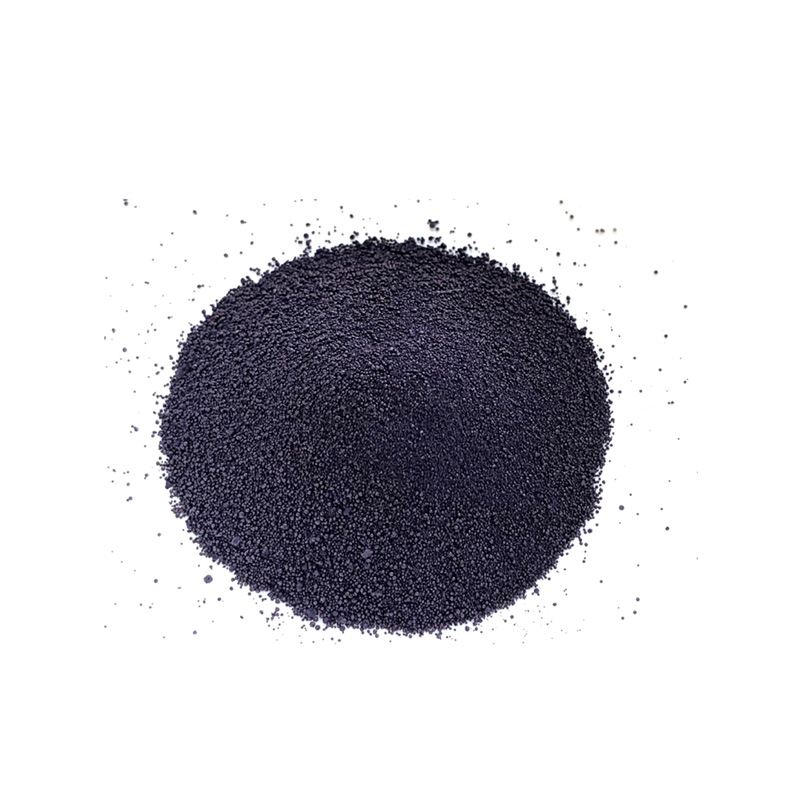
Indigo Blue Vat Blue
1.Name: indigo blue,vat blue 1,
2.Structure formula:
3.Molecule formula: C16H10N2O2
4.. CAS No.: 482-89-3
5.Molecule weight: 262.62
6.HS code: 3204151000
7.Major usage and instruction: Be mainly used to dye cotton fabrics.