

Understanding ODM Indigo Powder for Clothes: Sustainable Textile Solutions
Understanding ODM Indigo Powder for Clothes: A Global Perspective
Indigo powder has been a cornerstone of fabric dyeing for centuries, but in today’s textile industry, odm indigo powder for clothes plays a pivotal role beyond just aesthetics. This specialty powder ensures vibrant, lasting colors while addressing modern demands like sustainability and scalability. Globally, as the apparel market expands—expected to reach over $2.25 trillion by 2025 (Statista)—knowing how this pigment fits into large-scale clothing manufacturing can save costs and reduce environmental impact.
Why does this matter? Simply, the textile industry is one of the largest consumers of water and chemicals. Switching to optimized powders like ODM-grade indigo powder can dramatically cut down toxicity and wastewater. Plus, brands increasingly seek authentic, reliable indigo sources to meet rising consumer demands for eco-friendly yet high-quality clothes.
Introduction: Why ODM Indigo Powder Matters Globally
You don’t have to be a fabric nerd to see that using indigo pigments responsibly affects millions—from the farmers growing cotton to the workers mixing the dye—the entire supply chain feels the ripple effects. According to the United Nations Environment Programme (UNEP), the fashion industry contributes nearly 10% of global carbon emissions, and water pollution from dyeing processes is a major culprit. Here, odm indigo powder for clothes enters as a sustainable, quality-controlled answer, reducing harmful chemical waste while enabling beautiful deep blues that consumers appreciate.
However, the challenge lies in sourcing indigo that is consistent in quality and suitable for automated dyeing processes on a mass scale. Poorly mixed powders or inconsistent particle sizes can cause production headaches, downtime, and variation in garment color. This is where ODM (Original Design Manufacturer) expertise shines, offering tailored indigo powders designed specifically for the apparel production lines globally.
Defining ODM Indigo Powder for Clothes
Simply put, ODM indigo powder for clothes refers to indigo pigment powders produced under the original design manufacturing model, where suppliers customize and quality-control their products specifically for textile clients. Unlike generic pigment powders, ODM powders come with defined particle sizes, standardized moisture content, and optimized blending formulas. This ensures uniform color uptake during dyeing and minimizes waste or reworks.
In real terms, ODM indigo powders are engineered to meet the needs of modern dye houses, which rely on automated machinery and strict environmental regulations. They’re a key connector between traditional natural dye heritage and today's industrial garment manufacturing.
Core Components and Key Factors in ODM Indigo Powder
1. Particle Size Uniformity
Consistent particle size ensures the powder dissolves evenly, preventing color streaks or patchiness. ODM powders typically have a narrow particle size distribution, tailored for the specific dye bath machinery.
2. Moisture Content Control
Excess moisture can affect powder flow and mixing accuracy. Strict ODM specs keep moisture below 1.5%, crucial for long shelf life and stable dye yields.
3. Color Fastness
The ultimate test: does the dye stay vibrant after washing and exposure to sunlight? ODM powders are designed for high fastness grades, validated by testing protocols like ISO 105-C06.
4. Environmental Compliance
Today, powders must meet international environmental standards, such as OEKO-TEX® certification, ensuring they’re free of harmful heavy metals and azo compounds.
5. Compatibility with Dyeing Processes
Whether for rope dyeing, spray dyeing, or enzyme-based treatments, ODM powders are tailored for seamless integration—meaning less downtime and more repeatability.
Product Specifications at a Glance
| Specification | Standard Value | Unit/Notes |
|---|---|---|
| Indigo Content | >70% | Purity |
| Particle Size | Average 5-15 µm | Microns |
| Moisture Content | ≤1.5% | Measured on dry basis |
| Color Fastness (Wash) | Grade 4-5 | ISO 105-C06 |
| Heavy Metals | Compliant | OEKO-TEX® Standards |
Global Applications & Real-World Use Cases
Across the globe—from denim mills in Turkey to artisanal fabric houses in India—ODM indigo powder is enabling a mix of traditional craft and industrial efficiency. In post-disaster regions, where textile jobs support economic recovery, using consistent pigment powders ensures garments maintain quality, critical when humanitarian groups distribute clothing (think UNHCR's support operations). Oddly enough, even remote textile hubs in Bangladesh rely heavily on such powders to meet export quality requirements.
In high-end fashion, where color precision can define brand identity, ODM powders provide stable hues that designers expect season after season. The powder’s compatibility with eco-friendly dyeing processes also supports brands aiming for sustainability accreditation (like bluesign®).
Comparing Vendors of ODM Indigo Powder
| Vendor | Particle Size Range (µm) | Environmental Certifications | Typical Price per Kg (USD) | Global Shipping |
|---|---|---|---|---|
| Wuxin Group | 5-15 | OEKO-TEX®, REACH | $12-15 | Yes |
| BlueDye Co. | 4-18 | ISO 14001 | $10-14 | Limited |
| IndigoPure | 6-12 | EcoLabel Certified | $13-16 | Yes |
Advantages & Long-Term Value of ODM Indigo Powder
- Cost Efficiency: Minimizes dye waste and machine downtime, translating to real savings.
- Sustainability: Lower chemical loads protect water resources, supporting corporate social responsibility goals.
- Reliable Quality: Ensures stable color in every batch — critical for brand consistency and customer trust.
- Social Impact: Supports sustainable livelihoods in sourcing communities by promoting cleaner production methods.
Emotionally, there’s a sense of pride among mills and designers alike when that deep indigo hue stays true after washing, symbolizing craftsmanship meeting modern innovation.
Future Trends & Innovations
The textile industry is moving fast towards more eco-conscious solutions. Innovations include bio-indigo, derived from genetically engineered bacteria, promising to cut reliance on traditional farming. Digital textile printing also calls for finely tuned pigment powders capable of ultra-precise color deposition. Automation in dye houses increasingly demands powders with extremely consistent physical and chemical properties. And of course, climate regulations push manufacturers to source safer, traceable pigments supported by blockchain for supply chain transparency.
Challenges & Solutions in ODM Indigo Powder Use
Despite the advances, challenges remain. For instance, integrating new powders with older equipment can cause unexpected color variations. Inconsistent sourcing can disrupt supply chains. But the ODM model, with its focus on customization and quality control, helps mitigate these risks by collaborating closely with clients to develop powders tailored for their exact machinery and process.
Another challenge is educating smaller dye houses about the benefits of switching to ODM powders. Here, sharing case studies and on-site trials have proven effective.
FAQ: Frequently Asked Questions About ODM Indigo Powder for Clothes
- Can ODM indigo powder be used in both natural and synthetic fabrics?
- Yes, while traditionally used on natural fibers like cotton, many ODM powders are formulated to work effectively on blends and certain synthetic fabrics, but testing is recommended for new material types.
- How does ODM indigo powder improve sustainability?
- Because it’s engineered for optimal dissolving and color uptake, there’s less wasted dye and fewer excess chemicals discharged in wastewater, reducing environmental pollutants.
- Is the ODM indigo powder suitable for high-speed automated dyeing machines?
- Absolutely, these powders have controlled particle sizes and moisture levels to ensure smooth flow and consistent performance in automated processes.
- What certifications assure the quality and safety of ODM indigo powders?
- Look for OEKO-TEX®, REACH compliance, ISO 14001 environmental management, and sometimes bluesign® certifications which demonstrate rigorous safety and environmental standards.
- How can manufacturers source ODM indigo powder internationally?
- Many suppliers, including Wuxin Group, offer global shipping and customs support to streamline international procurement for textile companies.
Conclusion: Why ODM Indigo Powder for Clothes is the Smart Choice
In sum, embracing odm indigo powder for clothes is more than a technical choice—it’s a forward-thinking step towards sustainable, efficient, and visually beautiful textile production. It balances heritage and innovation in a way few raw materials do today.
If you’re looking to upgrade your fabric dyeing processes with reliable, eco-friendly, and cost-effective indigo pigments, consider exploring ODM options. For more details or to source high-quality indigo powder, feel free to visit our website: https://www.wuxin-group.com
Every yard dyed with care tells a story — from the pasture to your wardrobe.
References
-
Mastering the Art of China Japanese Indigo Dyeing Traditions
NewsApr.16,2026
-
Exploring the Elegance of China Deep Indigo Color in Textiles
NewsApr.09,2026
-
Discover High Quality China Jeans Blue Indigo for Global Markets
NewsApr.07,2026
-
Exploring the Rich Tradition of China Natural Indigo Dyed Fabric
NewsApr.04,2026
-
Exploring China Indigo Color in Nature History and Modern Applications
NewsMar.31,2026
-
Discover High Quality China Pure Indigo Powder for Vibrant Natural Dyeing
NewsMar.28,2026
-
Exploring the Rich History of China True Blue Indigo Textiles
NewsMar.26,2026
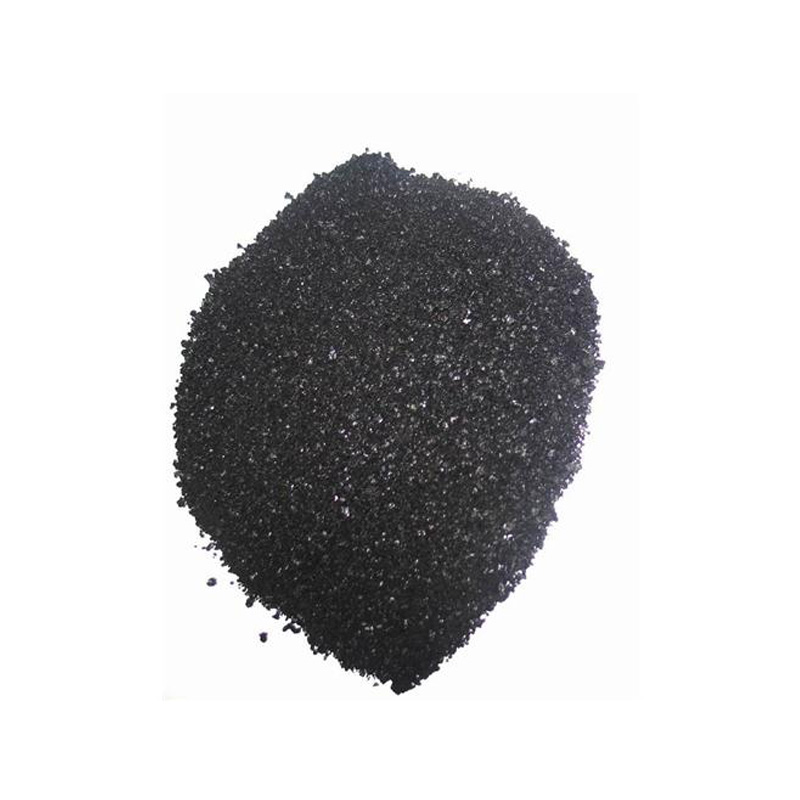
Sulphur Black
1.Name: sulphur black; Sulfur Black; Sulphur Black 1;
2.Structure formula:
3.Molecule formula: C6H4N2O5
4.CAS No.: 1326-82-5
5.HS code: 32041911
6.Product specification:Appearance:black phosphorus flakes; black liquid
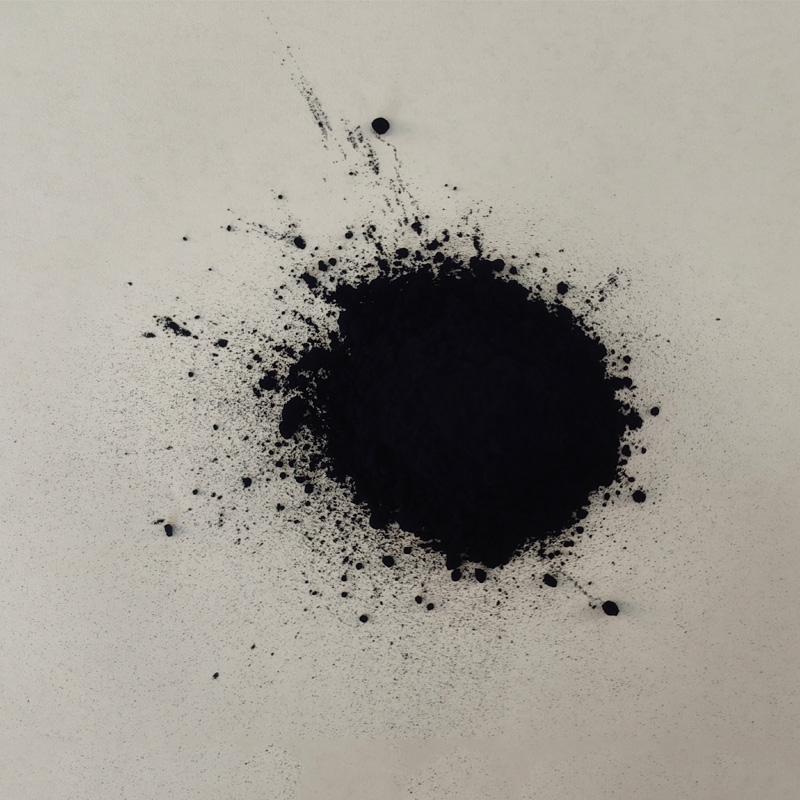
Bromo Indigo; Vat Bromo-Indigo; C.I.Vat Blue 5
1.Name: Bromo indigo; Vat bromo-indigo; C.I.Vat blue 5;
2.Structure formula:
3.Molecule formula: C16H6Br4N2O2
4.CAS No.: 2475-31-2
5.HS code: 3204151000 6.Major usage and instruction: Be mainly used to dye cotton fabrics.
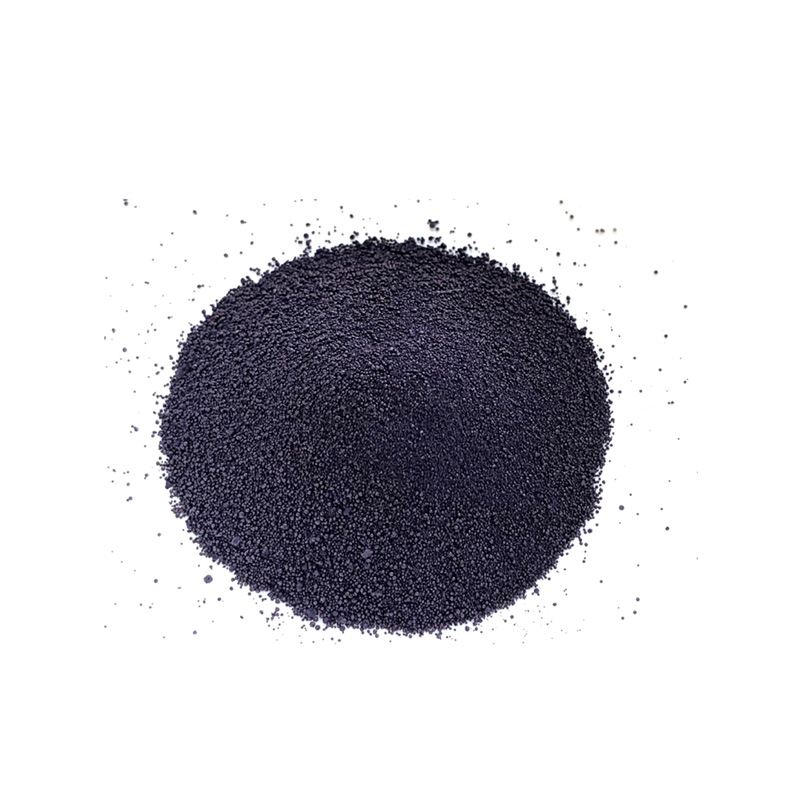
Indigo Blue Vat Blue
1.Name: indigo blue,vat blue 1,
2.Structure formula:
3.Molecule formula: C16H10N2O2
4.. CAS No.: 482-89-3
5.Molecule weight: 262.62
6.HS code: 3204151000
7.Major usage and instruction: Be mainly used to dye cotton fabrics.