

China Source Indigo Dye A Comprehensive Guide to Quality and Applications
China Source Indigo Dye: A Comprehensive Guide
Indigo dye, historically revered for its rich color and cultural significance, continues to be a vital component in the textile industry. Sourcing high-quality indigo dye from China is crucial for achieving optimal results in dyeing processes. This article delves into the world of Chinese indigo dye, covering its sourcing, types, applications, quality control, and benefits, providing valuable insights for businesses involved in textile production. Understanding the nuances of indigo dye sourcing will empower you to make informed decisions and elevate your product quality.
Understanding Indigo Dye and Its Origins
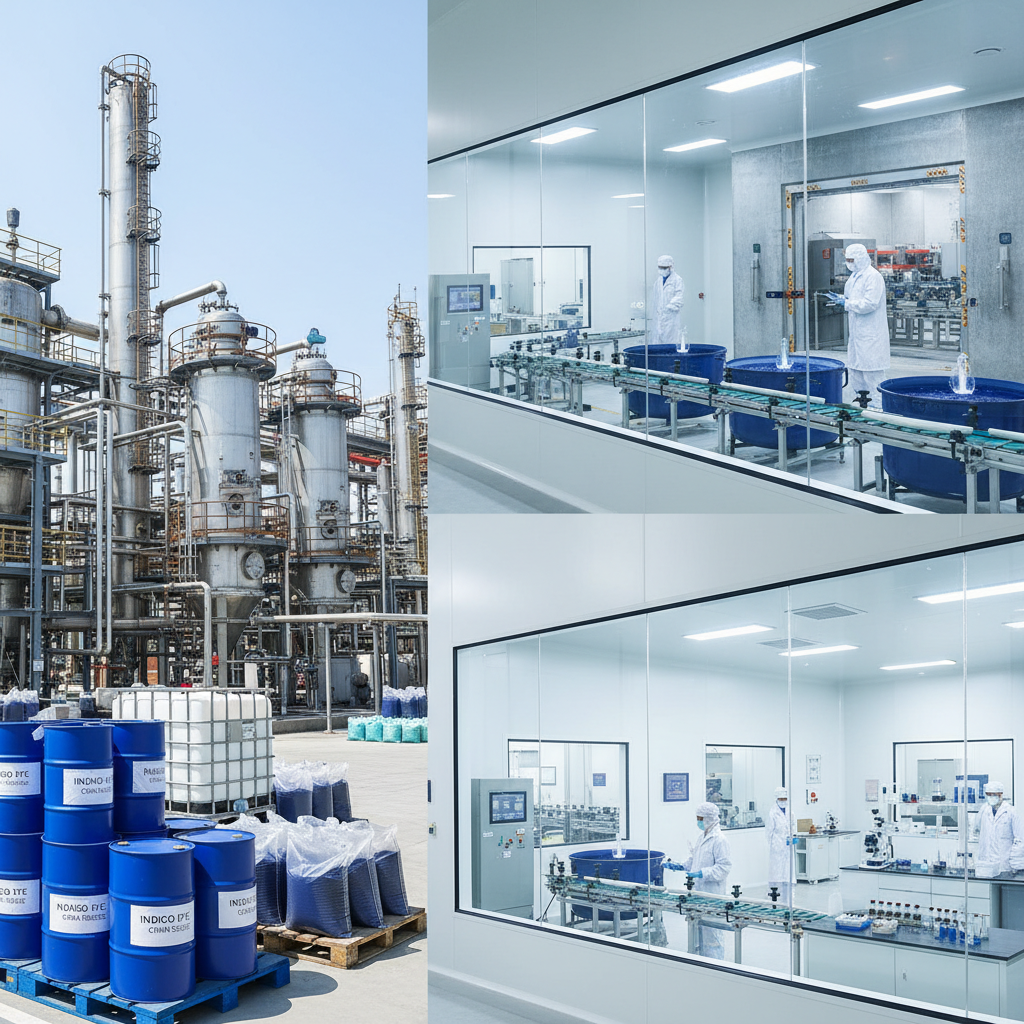
Indigo dye, a natural dye traditionally extracted from plants like Indigofera tinctoria, is known for its distinctive deep blue hue. While natural indigo still exists, the vast majority of indigo dye used today is synthetic. China has emerged as a leading producer and exporter of synthetic indigo dye, owing to its advanced manufacturing capabilities and cost-effectiveness. This synthetic indigo replicates the properties of its natural counterpart while offering greater consistency and scalability for industrial applications. Sourcing from reputable Chinese suppliers ensures access to reliable and high-quality indigo dye.
Key Highlights: China's dominance in synthetic indigo production stems from advanced manufacturing, cost efficiency, and consistent quality. Reputable suppliers ensure reliability for industrial applications.
Types of Indigo Dye Sourced from China
Chinese manufacturers offer a range of indigo dye types to cater to diverse textile needs. Common forms include Indigo Powder (98% & 99% purity), Indigo Granules, and Indigo Paste. Each form possesses unique characteristics impacting solubility, application, and final dye shade. The choice depends on your specific dyeing process, equipment, and desired outcome. Wuxin Group specializes in providing tailored indigo dye solutions for various textile applications.
Indigo Dye Types:
• Indigo Powder (98% & 99% Purity): Highly concentrated, excellent solubility.
• Indigo Granules: Easier to handle, reduced dust formation.
• Indigo Paste: Convenient for direct application, pre-dispersed.
China Source Indigo Dye: Quality Control and Standards
Ensuring the quality of indigo dye is paramount for achieving consistent and vibrant results. Reputable Chinese suppliers adhere to stringent quality control measures, including rigorous testing for purity, color strength, and heavy metal content. Look for suppliers certified by ISO 9001 and complying with REACH regulations. Comprehensive quality control minimizes the risk of shade variations, dyeing defects, and environmental concerns. Partnering with a trusted supplier guarantees a reliable supply of high-quality indigo dye.
Applications of Indigo Dye in Textile Industry
Indigo dye finds widespread use in various textile applications, primarily for dyeing denim fabrics. It’s also utilized for dyeing cotton, linen, and other natural fibers. Beyond fashion, indigo dye is used in producing workwear, uniforms, and home textiles. The dye's versatility and ability to create a range of blue shades make it a cornerstone of the textile industry. The demand for sustainable and ethically sourced indigo dye is increasing, driving suppliers to adopt responsible manufacturing practices. Wuxin Group offers a diverse range of indigo dyes suitable for a wide spectrum of textile applications.
Benefits of Sourcing Indigo Dye from China
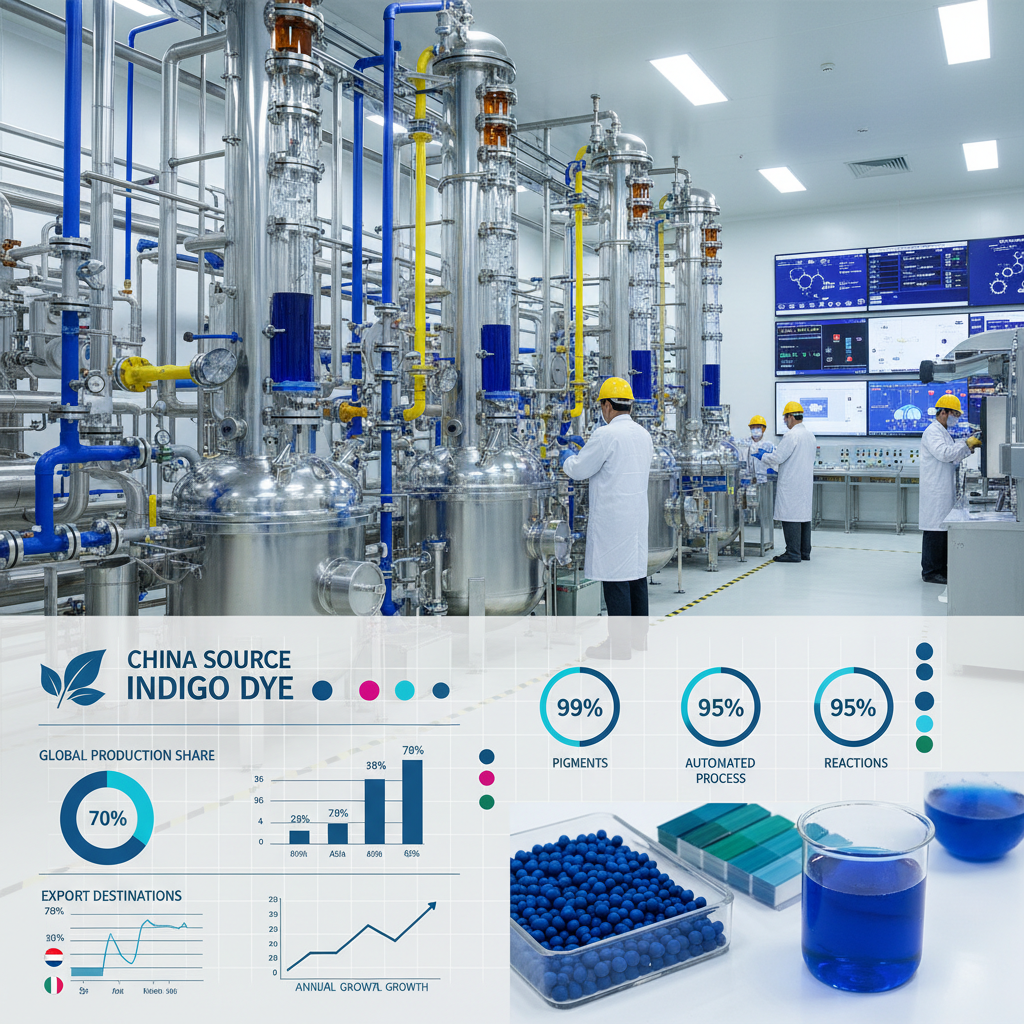
Sourcing indigo dye from China presents several advantages. Competitive pricing allows for cost optimization without compromising quality. A vast network of suppliers ensures a consistent and reliable supply chain. China's advanced manufacturing infrastructure enables large-scale production and efficient logistics. Furthermore, many Chinese suppliers offer customized solutions to meet specific customer requirements. By leveraging these benefits, businesses can enhance their profitability and maintain a competitive edge in the market.
Conclusion: Partnering for Success with Chinese Indigo Dye
Choosing the right China source indigo dye supplier is crucial for success in the textile industry. By prioritizing quality, reliability, and cost-effectiveness, you can unlock the full potential of this versatile dye. Wuxin Group is your trusted partner for high-quality indigo dye solutions, offering exceptional service and tailored support.
Frequently Asked Questions (FAQs)
What factors influence the final shade of indigo-dyed fabric?
Several factors contribute to the final shade of indigo-dyed fabric. These include the purity and concentration of the indigo dye, the pH level of the dye bath, the dyeing temperature and time, and the fabric's composition. Pre-treatment of the fabric, such as scouring and bleaching, also plays a crucial role. Achieving the desired shade requires careful control of these parameters and consistent quality of the indigo dye. Experienced dyers often adjust these variables to achieve unique shades and effects.
How does the form of indigo dye (powder, granules, paste) impact the dyeing process?
The form of indigo dye influences solubility, dispersion, and ease of handling. Indigo powder offers high concentration but can be dusty and require careful dispersion. Indigo granules are less dusty and easier to handle but might dissolve slower. Indigo paste is pre-dispersed, offering convenience and consistent results. The choice depends on your dyeing equipment and process. Powder is suitable for batch dyeing, granules for continuous processes, and paste for direct application.
What sustainability considerations should I keep in mind when sourcing indigo dye?
Sustainability is increasingly important. Look for suppliers adhering to responsible manufacturing practices, minimizing water usage, and managing waste effectively. Check for certifications like OEKO-TEX Standard 100, ensuring the dye is free from harmful substances. Some suppliers offer indigo dyes derived from more sustainable sources, such as fermentation processes with reduced environmental impact. Asking about the supplier's environmental policies and traceability is crucial.
What is the minimum order quantity (MOQ) for indigo dye from Chinese suppliers?
The MOQ varies significantly depending on the supplier and the type of indigo dye. Generally, suppliers offer lower MOQs for standard products and higher MOQs for customized formulations. Smaller businesses may benefit from working with trading companies that consolidate orders from multiple suppliers. It's crucial to discuss your specific needs and order volume with potential suppliers to negotiate favorable terms. <a href="https://www.wuxin-group.com" style="color: #e74c3c; text-decoration: underline; font-weight: 600;">Wuxin Group offers flexible MOQ options to cater to diverse customer requirements.
-
Mastering the Art of China Japanese Indigo Dyeing Traditions
NewsApr.16,2026
-
Exploring the Elegance of China Deep Indigo Color in Textiles
NewsApr.09,2026
-
Discover High Quality China Jeans Blue Indigo for Global Markets
NewsApr.07,2026
-
Exploring the Rich Tradition of China Natural Indigo Dyed Fabric
NewsApr.04,2026
-
Exploring China Indigo Color in Nature History and Modern Applications
NewsMar.31,2026
-
Discover High Quality China Pure Indigo Powder for Vibrant Natural Dyeing
NewsMar.28,2026
-
Exploring the Rich History of China True Blue Indigo Textiles
NewsMar.26,2026
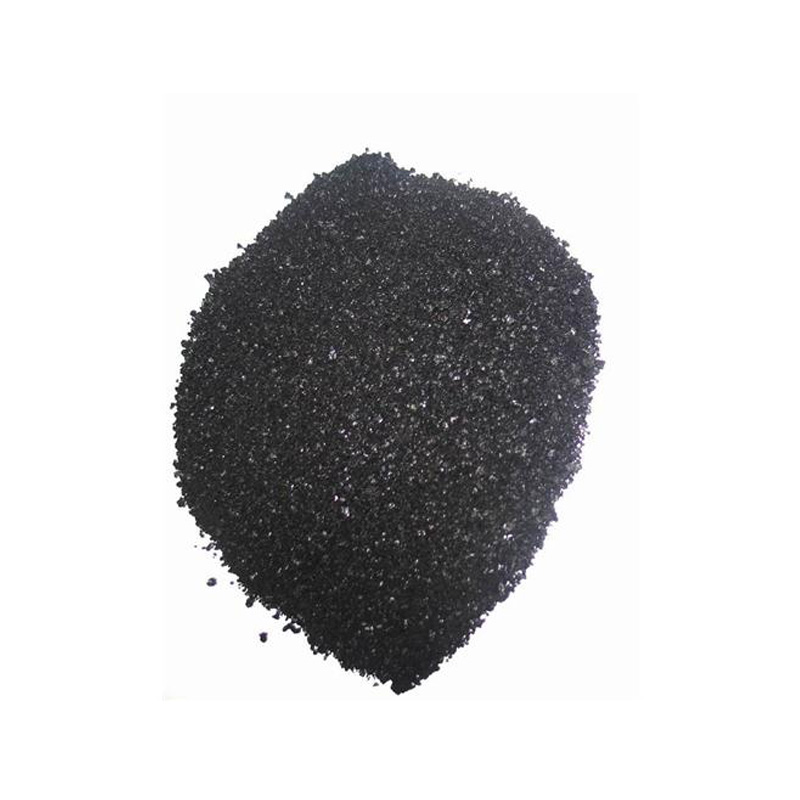
Sulphur Black
1.Name: sulphur black; Sulfur Black; Sulphur Black 1;
2.Structure formula:
3.Molecule formula: C6H4N2O5
4.CAS No.: 1326-82-5
5.HS code: 32041911
6.Product specification:Appearance:black phosphorus flakes; black liquid
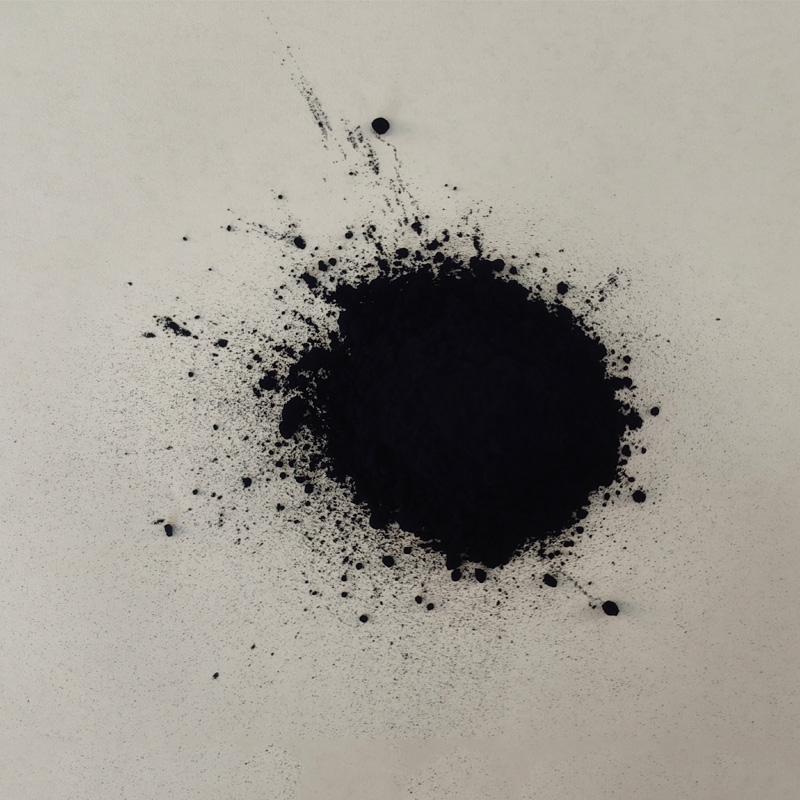
Bromo Indigo; Vat Bromo-Indigo; C.I.Vat Blue 5
1.Name: Bromo indigo; Vat bromo-indigo; C.I.Vat blue 5;
2.Structure formula:
3.Molecule formula: C16H6Br4N2O2
4.CAS No.: 2475-31-2
5.HS code: 3204151000 6.Major usage and instruction: Be mainly used to dye cotton fabrics.
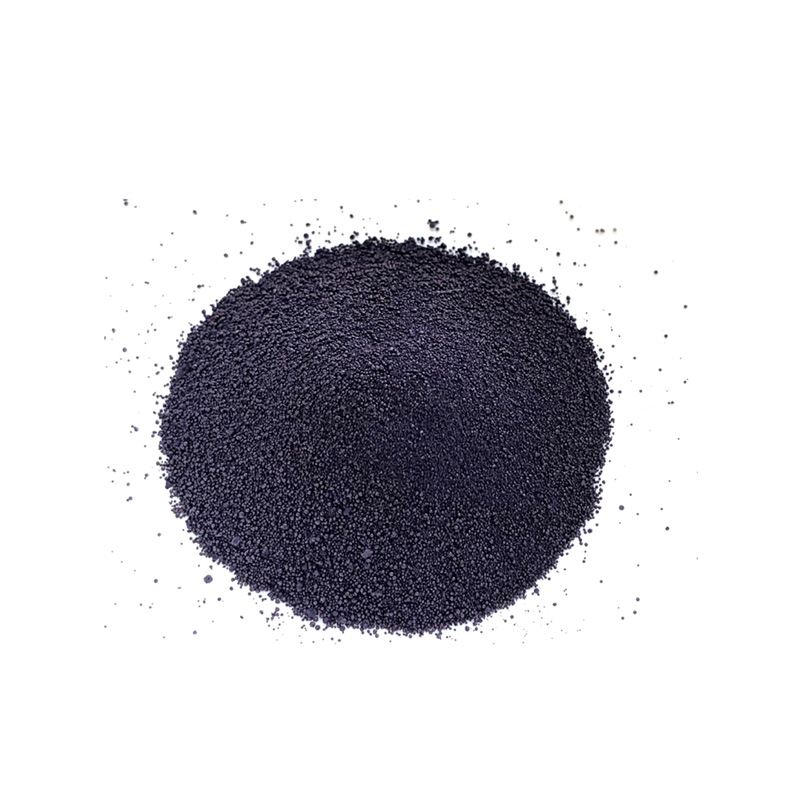
Indigo Blue Vat Blue
1.Name: indigo blue,vat blue 1,
2.Structure formula:
3.Molecule formula: C16H10N2O2
4.. CAS No.: 482-89-3
5.Molecule weight: 262.62
6.HS code: 3204151000
7.Major usage and instruction: Be mainly used to dye cotton fabrics.