

Exploring the Art of China Indigo Tie and Dye A Timeless Tradition
China Indigo Tie and Dye: A Timeless Art Form
For centuries, china indigo tie and dye has been a captivating technique, transforming fabrics into stunning works of art. This ancient method, deeply rooted in Chinese tradition, continues to flourish today, offering unique and beautiful textiles for a global audience. This article will explore the history, process, variations, and modern applications of this remarkable craft. Discover the enduring appeal of indigo tie-dye and its significance in contemporary fashion and home décor.
The History of Indigo Dyeing in China
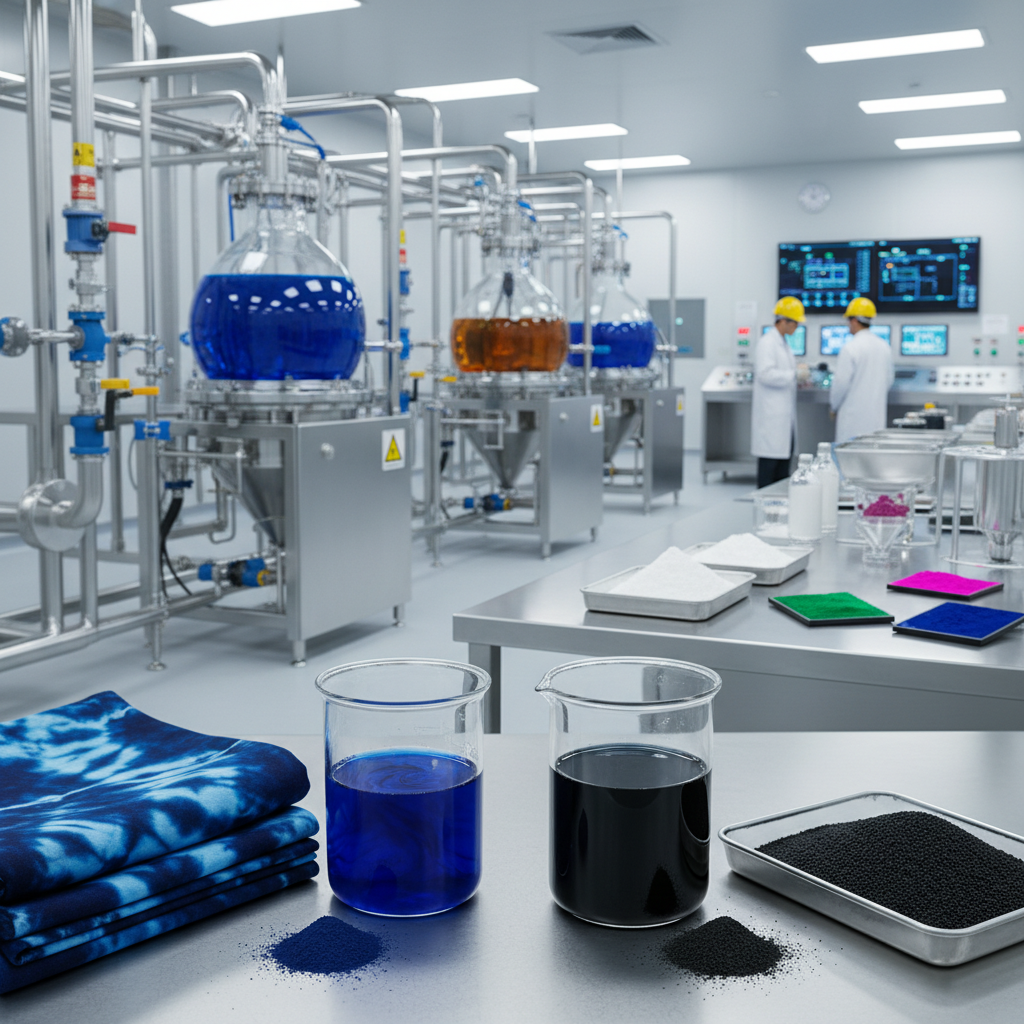
The origins of indigo dyeing in China trace back over 2,000 years. Archaeological evidence suggests that indigo was used as a dye as early as the Han Dynasty (206 BC – 220 AD). Traditionally, indigo was derived from the leaves of the Indigofera tinctoria plant. The process was meticulously refined over generations, becoming an integral part of Chinese textile production. Indigo dye wasn’t just about aesthetics; the deep blue color held symbolic meaning, representing sophistication, tranquility, and the natural world. The rich cultural heritage surrounding indigo dye has been passed down through artisan families, safeguarding the techniques for future generations. You can find a wide selection of modern interpretations at Wuxin Group.
Key Highlights: The practice dates back over 2,000 years, originating with the Indigofera tinctoria plant, and has evolved into a culturally significant art form.
The Process of China Indigo Tie and Dye
The process of indigo tie and dye is a labor-intensive art. It typically involves several stages: preparing the fabric (often cotton or linen), creating the desired pattern through tying, binding, stitching, or folding techniques, and then repeatedly immersing the fabric in an indigo dye bath. The number of dye dips determines the intensity of the blue color. After each dip, the fabric is oxidized in the air, fixing the dye. Finally, the bindings are removed, revealing the intricate patterns. This meticulous process requires skill, patience, and a deep understanding of the dye's properties.
Tie-Dye Process Overview:
• Fabric Preparation: Selecting and preparing the fabric.
• Pattern Creation: Tying, folding, or stitching to resist dye.
• Dyeing: Multiple immersions in indigo dye bath.
• Oxidation: Allowing air exposure for color fixing.
• Unveiling: Removing bindings to reveal the pattern.
Different Techniques in China Indigo Tie and Dye
Several distinct techniques fall under the umbrella of china indigo tie and dye, each producing unique aesthetic results. Some of the most popular include: Shibori (Japanese, but widely adopted in China) featuring intricate stitching and clamping; Tie-dye using knots and bands; Folding and clamping to create geometric patterns; and Wax resist techniques (like batik) where wax is applied to areas to prevent dye absorption. These variations allow artisans to create a vast spectrum of designs, from simple and elegant to complex and elaborate. Explore the diverse techniques available at Wuxin Group.
Modern Applications of China Indigo Tie and Dye
Today, china indigo tie and dye experiences a vibrant resurgence, finding applications beyond traditional garments. Fashion designers incorporate indigo-dyed fabrics into contemporary clothing, creating unique and eye-catching pieces. Interior designers use these textiles for upholstery, curtains, and wall hangings, adding a touch of bohemian elegance to homes. Furthermore, the art of indigo dyeing is increasingly celebrated in art installations and craft workshops, preserving its cultural significance and inspiring new generations of artisans. Wuxin Group offers a modern take on these classic designs.
Sustainability and Ethical Considerations
Traditional indigo dyeing practices often relied on natural indigo sources and sustainable techniques. However, synthetic indigo has become more prevalent due to cost and availability. It's crucial to support artisans and brands that prioritize sustainable practices, using natural dyes and minimizing environmental impact. Ethical sourcing of materials and fair labor practices are also vital considerations. By choosing responsibly produced indigo tie-dye products, consumers can contribute to the preservation of this ancient art form and support the communities who practice it.
Conclusion: Celebrating a Living Tradition
China indigo tie and dye represents more than just a technique; it embodies a rich cultural heritage and a commitment to artistry. Its enduring appeal lies in the unique beauty and individuality of each piece. By appreciating and supporting this craft, we help ensure its survival for generations to come. Discover the captivating world of indigo tie-dye at Wuxin Group.
Frequently Asked Questions (FAQs)
What makes China indigo tie and dye unique compared to other tie-dye techniques?
While tie-dye exists in many cultures, China indigo tie and dye stands out due to its historical depth, intricate techniques (like Shibori adopted from Japan), and the cultural significance of the indigo color. Chinese artisans have honed these methods for centuries, resulting in a level of artistry and detail often unparalleled. The use of traditional natural indigo also contributes to a unique aesthetic and a more sustainable practice. The emphasis on complex patterns and the symbolic meaning attached to the indigo hue further distinguish this art form from others.
How do I care for indigo-dyed fabrics?
Indigo-dyed fabrics require gentle care to preserve their color and integrity. Wash them separately in cold water with a mild detergent. Avoid using bleach or harsh chemicals. Turn the garment inside out before washing to minimize fading. Line drying is recommended; avoid direct sunlight, which can also cause fading. With proper care, indigo-dyed fabrics can retain their vibrant color for many years.
Is indigo dye eco-friendly?
Traditionally, natural indigo was an environmentally friendly dye source. However, much of the indigo used today is synthetic. Synthetic indigo production can have environmental impacts. Choosing products made with natural indigo, from brands committed to sustainable practices, is the best way to support eco-friendly dyeing. Look for certifications and transparency in the dyeing process to ensure responsible production.
Where can I purchase authentic china indigo tie and dye products?
Purchasing directly from artisans or reputable retailers specializing in handcrafted textiles is the best way to ensure authenticity. Wuxin Group offers a curated selection of high-quality china indigo tie and dye products, sourced from skilled artisans and committed to fair trade practices.
-
Mastering the Art of China Japanese Indigo Dyeing Traditions
NewsApr.16,2026
-
Exploring the Elegance of China Deep Indigo Color in Textiles
NewsApr.09,2026
-
Discover High Quality China Jeans Blue Indigo for Global Markets
NewsApr.07,2026
-
Exploring the Rich Tradition of China Natural Indigo Dyed Fabric
NewsApr.04,2026
-
Exploring China Indigo Color in Nature History and Modern Applications
NewsMar.31,2026
-
Discover High Quality China Pure Indigo Powder for Vibrant Natural Dyeing
NewsMar.28,2026
-
Exploring the Rich History of China True Blue Indigo Textiles
NewsMar.26,2026
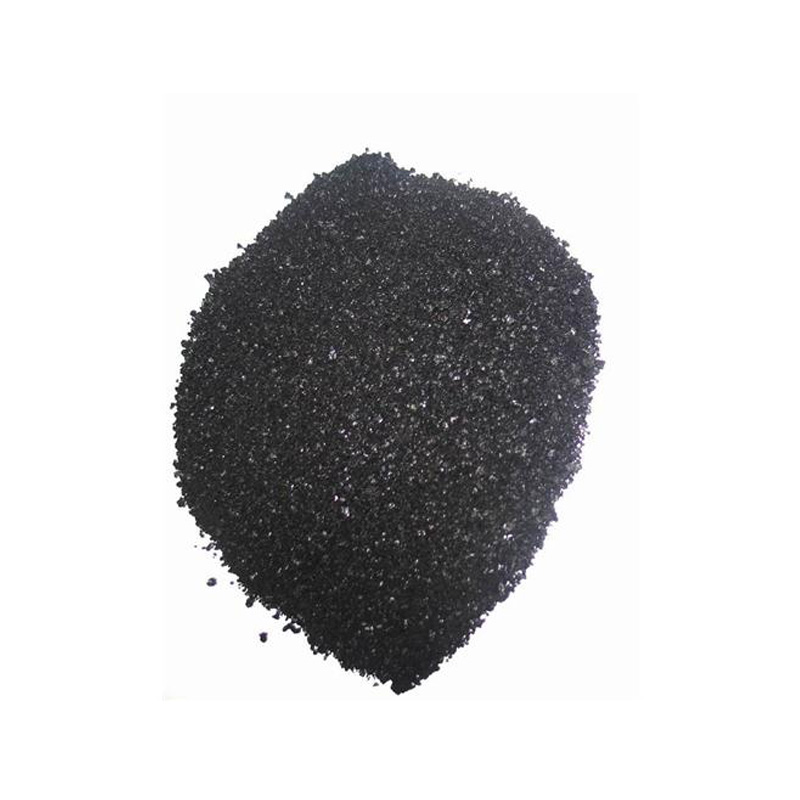
Sulphur Black
1.Name: sulphur black; Sulfur Black; Sulphur Black 1;
2.Structure formula:
3.Molecule formula: C6H4N2O5
4.CAS No.: 1326-82-5
5.HS code: 32041911
6.Product specification:Appearance:black phosphorus flakes; black liquid
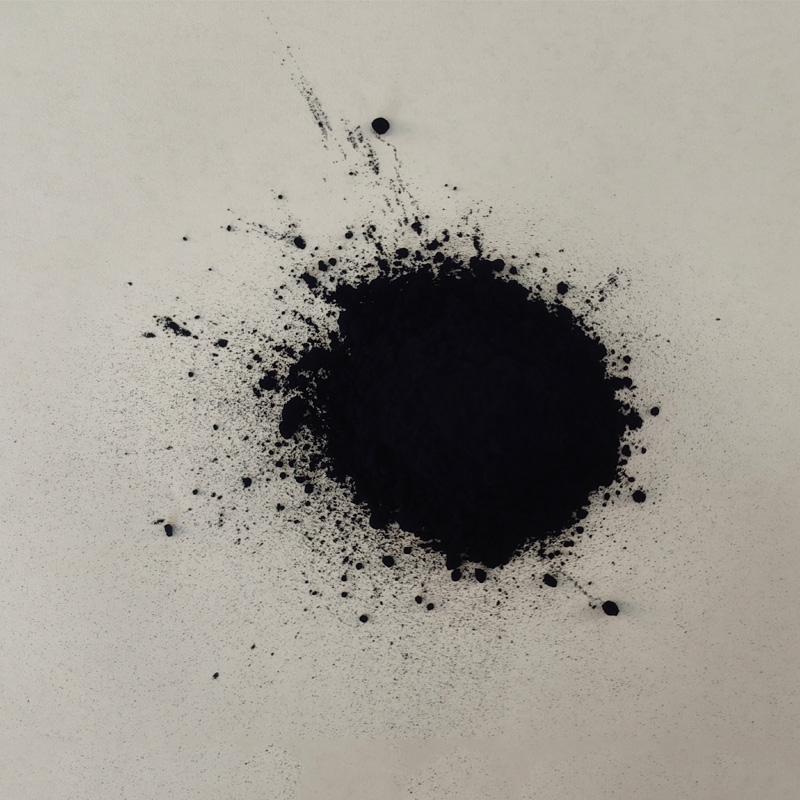
Bromo Indigo; Vat Bromo-Indigo; C.I.Vat Blue 5
1.Name: Bromo indigo; Vat bromo-indigo; C.I.Vat blue 5;
2.Structure formula:
3.Molecule formula: C16H6Br4N2O2
4.CAS No.: 2475-31-2
5.HS code: 3204151000 6.Major usage and instruction: Be mainly used to dye cotton fabrics.
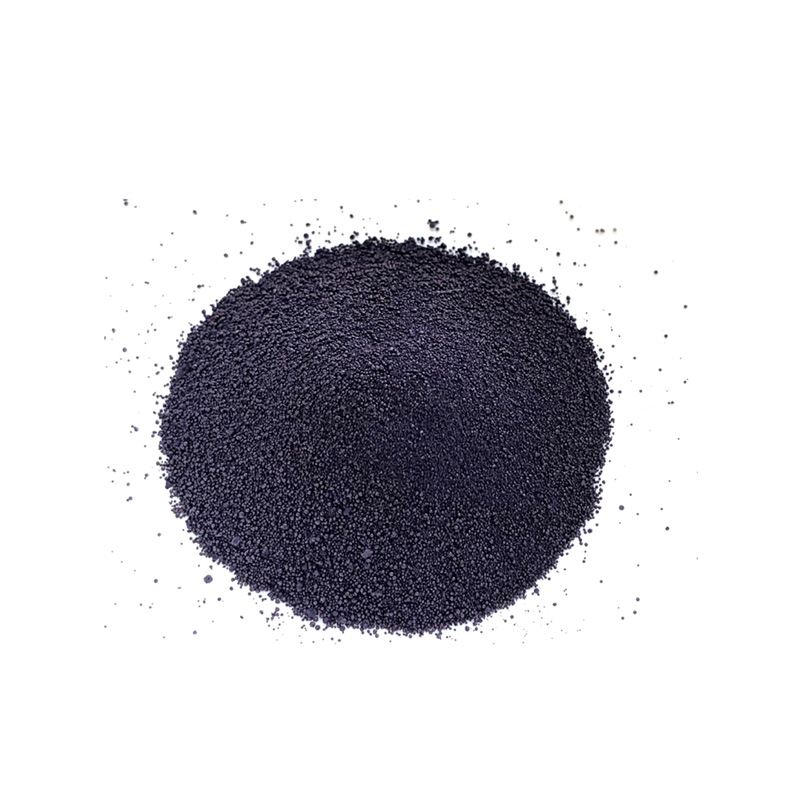
Indigo Blue Vat Blue
1.Name: indigo blue,vat blue 1,
2.Structure formula:
3.Molecule formula: C16H10N2O2
4.. CAS No.: 482-89-3
5.Molecule weight: 262.62
6.HS code: 3204151000
7.Major usage and instruction: Be mainly used to dye cotton fabrics.