

Comprehensive Guide to Sulfur Dyes: Durable, Cost-Effective Textile Solutions
The Unseen Backbone of Textile Vibrancy: Sulfur Dyes and Their Global Impact
Sulfur dyes might not be what first comes to mind when we think about colorful fabrics — yet these compounds quietly power a significant part of the textile world. Understanding sulfur dyes offers a glimpse into how large-scale industries meet global demand for affordable, durable, and vibrant textile solutions, especially in developing markets. But the stakes go beyond just aesthetics: there's a sustainability angle, a cost-efficiency factor, and an underlying story about industrial chemistry shaping everyday life.
Why does this matter globally? Well, sulfur dyes represent one of the most cost-effective means of coloring cotton and other cellulose fibers, pushing billions of garments and household textiles into circulation each year. Their durability and vividness enable industries and artisans alike to produce long-lasting, richly colored fabrics accessible to many socio-economic segments worldwide.
How Sulfur Dyes Fit into Our Global Textile Landscape
Looking at the big picture, the textile and apparel industry accounted for over 1.5 trillion USD globally in 2023, employing millions and driving regional economies. According to the International Organization for Standardization (ISO), sulfur dyes have been a stable player in textile colorants since the early 1900s, favored particularly in regions where cost constraints drive material choices—think South Asia, Southeast Asia, and parts of Africa.
Yet there’s a challenge: sulfur dyes have environmental and process-related issues, such as wastewater treatment and potential sulfur-based byproducts. As global environmental standards tighten, manufacturers and suppliers are forced to balance demand for these dyes with cleaner, greener processes. It’s this tension between practicality and sustainability that defines much of the sulfur dye landscape today.
Mini Takeaway
Sulfur dyes hold a vital niche in affordable textile manufacturing worldwide—but evolving environmental regulations are pushing innovation and smarter practices.
Breaking it Down: What Are Sulfur Dyes, Really?
At their essence, sulfur dyes are a class of water-insoluble dyes based on sulfur-containing heterocyclic compounds. They are applied to cellulose fibers (like cotton) through a reduction process that renders the dye soluble, allowing it to impregnate fibers deeply. Once oxygen re-exposes the dyed fabric, the dye becomes insoluble again, locking the color fast in place.
Why is this important? The process gives sulfur dyes impressive wash and light fastness properties, making them ideal for working garments, upholstery fabrics, and household linens. And since sulfur compounds are relatively inexpensive raw materials, the resulting dyes are highly cost-effective — a huge plus for budget-conscious producers.
From humanitarian relief clothing to mass-market apparel, these dyes' reliability ensures consistent quality, even in regions with limited chemical processing infrastructure.
Essential Characteristics of Sulfur Dyes That Matter Most
Durability
One of the standout features of sulfur dyes is their exceptional durability. The chemical bonding formed via the reduction-oxidation cycle imparts great resistance to washing and wear — ideal for textiles that need to stand the test of time.
Cost Efficiency
The affordability of sulfur dyes is no accident; the raw materials and synthesis processes are comparatively low-cost. For manufacturers in emerging economies, this means meeting demand without sacrificing competitive pricing.
Color Range
While traditionally limited to darker shades—browns, blacks, dark greens—advancements have broadened the palette somewhat. Still, for vibrant reds or blues, other dye classes generally outperform sulfur dyes.
Ease of Application
Sulfur dyes are favored for their compatibility with large-batch dyeing equipment, important for mass production and lowering labor inputs. The process, albeit demanding specific temperature and pH controls, is well understood and scalable.
Environmental Footprint
Here’s where sulfur dyes get tricky. The reduction stage can release sulfides, which are toxic if not properly managed. Additionally, some sulfur dyes contain heavy metals, complicating wastewater treatment—a growing concern under stricter global standards.
Mini Takeaway
Sulfur dyes pack longevity and cost benefits but need carefully managed processes to avoid environmental pitfalls—a balancing act still in progress industry-wide.
Where in the World Are Sulfur Dyes Most Vital?
Practically everywhere textiles are mass-produced, sulfur dyes have a role—but especially in sectors where cost-saving is paramount. South Asia remains a huge consumer and producer, with India, Bangladesh, and Pakistan supplying vast quantities of sulfur-dyed cotton garments globally. In Africa, countries with emerging textile industries also rely heavily on these dyes for home textiles and workwear.
In practical terms, you see sulfur dyes coloring everything from the cotton aprons of food workers in bustling urban markets, to uniforms in logistics hubs, to blankets distributed by relief agencies after natural disasters.
- Textile factories in India report that over 40% of their garments involve sulfur dyes due to affordability.
- NGOs distributing durable clothing to displaced populations prefer sulfur-dyed fabrics for their longevity and softness.
- Industrial zones in Southeast Asia leverage sulfur dyes for large-scale fabric production where environmental regulations still allow looser pollutant thresholds.
Why It Matters: Advantages & The Value They Bring
On a pure performance level, sulfur dyes offer budget-friendly, wash-resistant solutions for fabrics meant to last. That reduces waste and replacement costs—good for businesses and consumers alike.
Emotionally, consider how textile durability translates to dignity: soft, intact clothing or linens provide comfort and respect, especially in humanitarian contexts. Meanwhile, manufacturers appreciate the trust that reliable color fastness fosters with end-users.
Environmentally, the challenge is clear, but many companies now integrate closed-loop systems or improved effluent treatments to reduce sulfur dye pollution, signaling progress toward sustainability.
| Specification | Typical Range/Value |
|---|---|
| Chemical Composition | Sulfur heterocyclic compounds (mostly thiophenes, thiadiazoles) |
| Color Range | Dark shades: black, brown, navy |
| Fiber Compatibility | Cotton and other cellulose fibers |
| Application Method | Reduction and oxidation dyeing process (vat dyeing) |
| Fastness Ratings | Excellent wash and light fastness |
| Environmental Concerns | Sulfide release during application; wastewater treatment challenges |
A Quick Look at Sulfur Dye Vendors: Options & Differences
| Vendor | Product Range | Sustainability Practices | Typical Customers |
|---|---|---|---|
| SulfurChem Co. | Standard dark shades, custom formulations | Partial closed-loop dyehouse, sulfide scrubbers | Apparel manufacturers in Asia, NGOs |
| EcoDye Solutions | Eco-certified sulfur dyes, reduced waste process | ISO 14001 certification, advanced wastewater treatment | High-end textile houses, export-oriented factories |
| Textile Dyestuffs Intl. | Wide dark shade portfolio, reactive and sulfur blends | Research on sustainable dyeing, pilot programs ongoing | Mixed use: industrial and home textile sectors |
What’s Next? Trends Shaping the Future of Sulfur Dyes
With sustainability front and center, developers are working on lower-impact sulfur dyes and more efficient application techniques. Digitalization is also reaching dyehouses, optimizing process controls to reduce sulfide emissions and improve water recycling. Some labs focus on hybrid dyes blending sulfur dyes with bio-based colorants—odd combo, but promising.
Another exciting frontier is the circular economy: reclaiming sulfur dyes from textile waste so dyes and fibers can be recycled. It feels like we’re on the brink of marrying centuries-old chemistry with 21st-century green tech.
Facing the Challenges Head-On
Even with improved methods, sulfur dyes’ environmental issues remain the toughest nut. Effluent treatment technology costs strain SMEs especially, leading to patchy compliance. To address this, consortiums of manufacturers and governments are exploring subsidies and training to build capacity for cleaner production.
Meanwhile, research into sulfur-free alternatives and combined dyeing processes offer dual benefits: preserve sulfur dye advantages but minimize their disadvantages.
Frequently Asked Questions About Sulfur Dyes
- What fibers can sulfur dyes be used on?
- Sulfur dyes are primarily used on cellulose fibers such as cotton. They are unsuitable for synthetic fibers like polyester or nylon because their chemical application process requires the fiber to have cellulose content.
- Are sulfur dyes eco-friendly?
- Traditional sulfur dyes pose environmental challenges due to sulfide emissions and wastewater concerns. However, advancements in effluent treatment and newer low-impact sulfur dye variants are making them greener, though complete eco-friendliness remains a work in progress.
- Why do sulfur dyes mainly produce darker colors?
- The chemical structure of sulfur dyes lends itself to dark, rich shades like black and brown. Achieving vivid or pastel colors with sulfur dyes is difficult, so other dye classes are preferred for brighter palettes.
- Can sulfur-dyed fabrics withstand frequent washing?
- Yes, sulfur dyes provide excellent wash fastness, making textiles highly durable under repeated laundering—a key reason why they are popular in workwear and household linens.
- How are the environmental issues associated with sulfur dyes being managed?
- Industry players are adopting closed-loop systems, sulfide scrubbers, and advanced wastewater treatment plants. Regulatory frameworks are also tightening, encouraging manufacturers to implement cleaner production technologies.
Conclusion: Capturing the Long-Term Benefits of Sulfur Dyes
At the crossroads of tradition and innovation, sulfur dyes continue to serve industries worldwide — delivering colorfast, durable, and affordable textiles essential to millions. While environmental challenges persist, ongoing technological improvements are helping to align these dyes with modern sustainability goals.
For manufacturers, NGOs, and textile professionals interested in sulfur dyes, staying informed about evolving best practices and supplier capabilities is key. To explore a trusted range of sulfur dyes and innovative solutions, visit our website for comprehensive product details and expert guidance.
Mini Takeaway
Sulfur dyes remain a robust and practical choice for textile coloring, balancing cost-effectiveness and durability, while gradually embracing greener futures.
References
-
Mastering the Art of China Japanese Indigo Dyeing Traditions
NewsApr.16,2026
-
Exploring the Elegance of China Deep Indigo Color in Textiles
NewsApr.09,2026
-
Discover High Quality China Jeans Blue Indigo for Global Markets
NewsApr.07,2026
-
Exploring the Rich Tradition of China Natural Indigo Dyed Fabric
NewsApr.04,2026
-
Exploring China Indigo Color in Nature History and Modern Applications
NewsMar.31,2026
-
Discover High Quality China Pure Indigo Powder for Vibrant Natural Dyeing
NewsMar.28,2026
-
Exploring the Rich History of China True Blue Indigo Textiles
NewsMar.26,2026
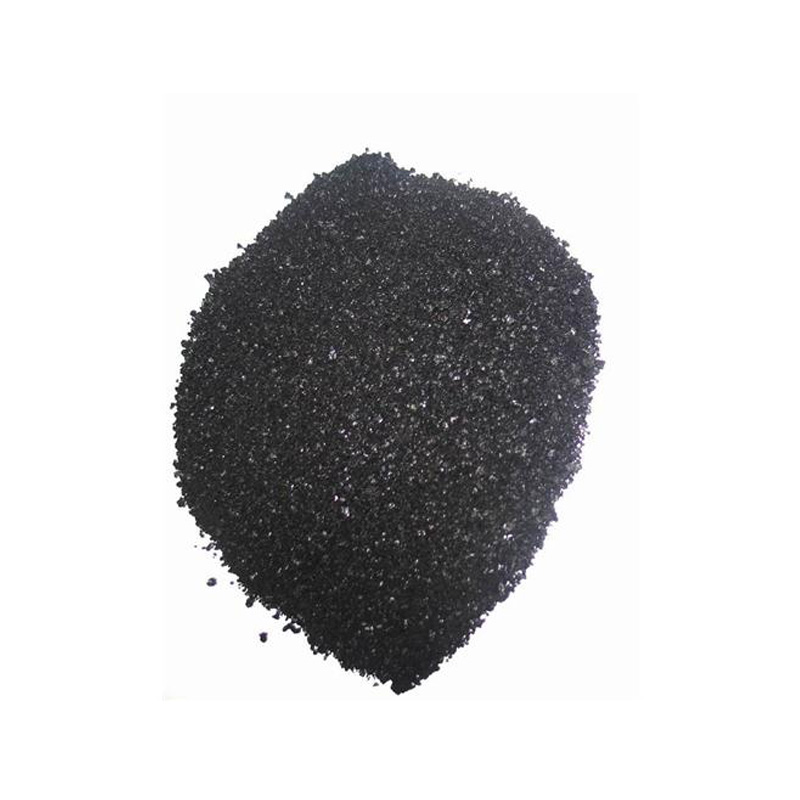
Sulphur Black
1.Name: sulphur black; Sulfur Black; Sulphur Black 1;
2.Structure formula:
3.Molecule formula: C6H4N2O5
4.CAS No.: 1326-82-5
5.HS code: 32041911
6.Product specification:Appearance:black phosphorus flakes; black liquid
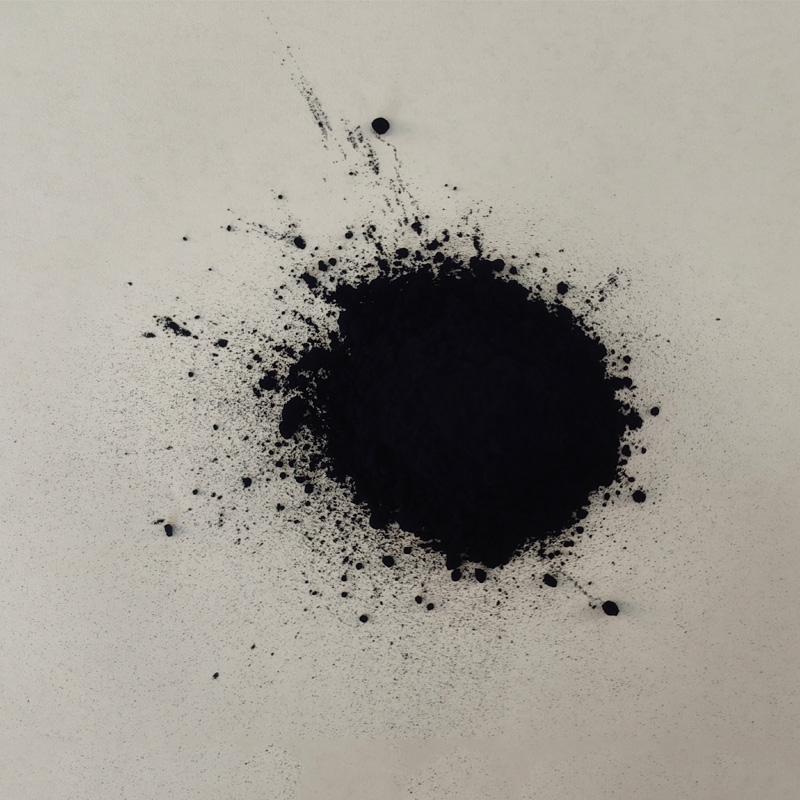
Bromo Indigo; Vat Bromo-Indigo; C.I.Vat Blue 5
1.Name: Bromo indigo; Vat bromo-indigo; C.I.Vat blue 5;
2.Structure formula:
3.Molecule formula: C16H6Br4N2O2
4.CAS No.: 2475-31-2
5.HS code: 3204151000 6.Major usage and instruction: Be mainly used to dye cotton fabrics.
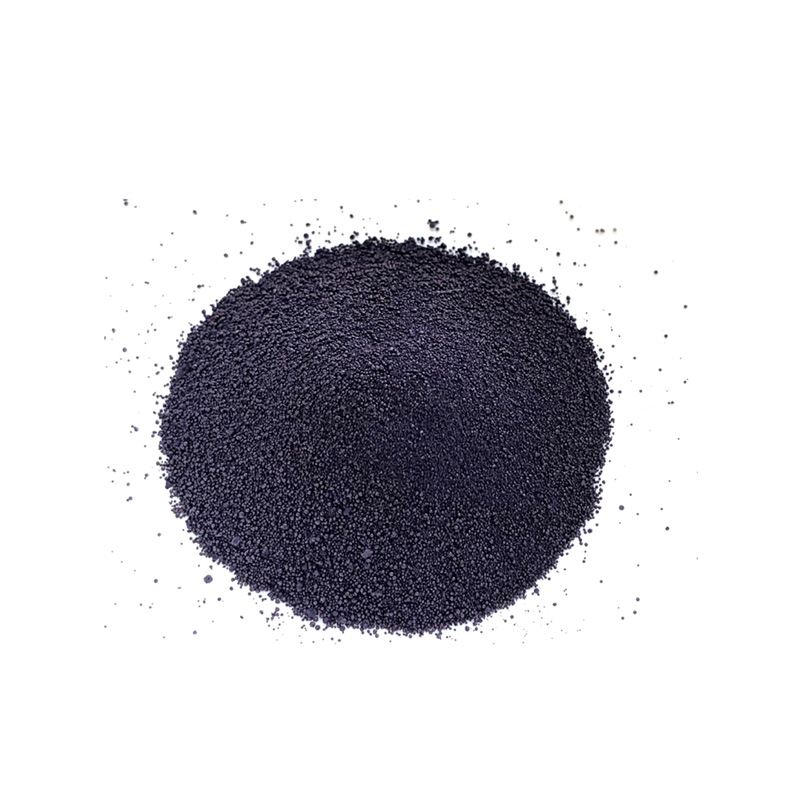
Indigo Blue Vat Blue
1.Name: indigo blue,vat blue 1,
2.Structure formula:
3.Molecule formula: C16H10N2O2
4.. CAS No.: 482-89-3
5.Molecule weight: 262.62
6.HS code: 3204151000
7.Major usage and instruction: Be mainly used to dye cotton fabrics.