

Everything You Need to Know About Sulfur Dye – Durable, Cost-Effective Textile Coloring Solution
Unlocking the Power of Sulfur Dye: A Global Textile Game Changer
Sulfur dye? It might sound like just another chemical term tossed around in textile jargon, but it's actually one of the unsung heroes of fabric coloration worldwide. Why does it matter? Because the global textile and garment industry still demands vibrant, durable dyes that can handle tough wear without breaking the bank — and sulfur dyes fit that bill neatly. Understanding sulfur dye is key to sustainable production, environmental care, and creating fabrics that stick through thick and thin, literally.
To put it bluntly: sulfur dyes are pivotal in addressing some serious challenges in textile manufacturing — cost containment, environmental impact, and fast fashion’s insatiable pace.
The Global Context Behind Sulfur Dyes
Worldwide, the textile dye market is enormous and booming — valued at several billion dollars and expected to grow steadily, thanks to rising populations and consumer demand. According to Wikipedia’s textile dyeing overview, sulfur dyes hold a significant share because of their affordability and their ability to color cotton and other cellulosic fibers with dark, rich hues.
Yet, there’s a catch. Traditional synthetic dyes often come with environmental baggage — toxic effluents, heavy water consumption, and chemical residues — a global headache especially in developing textile hubs like Bangladesh, India, and China. Sulfur dyes, while not perfect, offer a kind of middle ground: robust, economic, and fairly eco-friendly compared to some alternatives.
This makes sulfur dyes an important part of global efforts to “clean up” textile production, especially as regulations tighten under agencies like ISO and stricter environmental protocols emerge.
Mini Takeaway
Sulfur dyes are cost-effective and world-relevant, helping bridging performance and sustainability in textile manufacturing.
What Exactly is Sulfur Dye?
Sulfur dye, simply put, is a type of synthetic dye commonly used for coloring cotton and viscose fibers. Chemically, these dyes are sulfur-containing compounds that are applied in a reduced, soluble form and then reoxidized to create insoluble pigment deposits inside the fiber. This inside-the-fabric “lock-in” is what gives sulfur dyes their trademark durability and wash-fastness.
In more everyday terms, sulfur dyes produce deep blacks, browns, and navy hues with a matte finish — shades that work. They're not those shiny, playful brights you find in polyester but rather the tough, workhorse colors you see in denim, workwear, and even some home textiles.
For humanitarian and industrial purposes, sulfur dyes’ resilience is a plus: clothes and textiles that last longer mean fewer resources consumed overall—a real win for sustainable manufacturing.
Mini Takeaway
Sulfur dyes are tough, earthy-colored pigments that anchor deep into fibers, making them last longer in real-world use.
Core Features of Sulfur Dyes That Matter Most
1. Durability & Colorfastness
Because sulfur dyes form insoluble compounds within fibers, they resist washing, rubbing, and sunlight better than many alternatives. This makes them ideal for work clothes, uniforms, and upholstery where longevity trumps flashiness.
2. Cost Efficiency
Sulfur dyes are usually less expensive than reactive or direct dyes. Their application process is straightforward, needing fewer auxiliary chemicals, which cuts down on overheads for manufacturers — big plus for keeping garment prices competitive.
3. Environmental Impact
While their wastewater requires treatment to prevent pollution, sulfur dyes emit fewer unfixable toxic residues than azo or reactive dye classes. This feature aligns with global trends towards better chemical management in industry.
4. Scalability & Availability
In industrial contexts, sulfur dyes are widely produced and available in large quantities, helping textile hubs handle massive orders without supply struggles. The chemistry is relatively mature and well-understood, which simplifies quality control.
5. Limitations in Color Range
It's important to note sulfur dyes dominate darker shades — blacks, browns, and navy. They just don’t shine in brilliant reds or blues. So, while versatile for many uses, they’re not a catch-all solution.
Mini Takeaway
- Durability and cost beat many alternatives.
- Good environmental profile if managed properly.
- Major focus on darker, earthy hues.
Where and How Sulfur Dyes Are Making a Real Difference Globally
In places like South Asia’s burgeoning textile clusters, sulfur dyes coat countless millions of cotton garments cheaply and reliably. Their ability to create lasting colors without complex chemistry means factories face fewer problems and buyers get stable inventory quality.
- Workwear & Uniforms: From factory floors in Vietnam to municipal staff uniforms in Brazil, sulfur dyes help ensure colors last through rough use.
- Home Furnishings: Curtains, upholstery, and industrial textiles often utilize sulfur-dyed fabrics for their toughness and fade resistance.
- Post-Disaster Relief: NGOs sometimes rely on sulfur-dyed materials for tents and clothing because these textiles withstand challenging environments.
Oddly enough, despite their age, sulfur dyes find new life in sustainable fashion lines pushing “slow” or “durable” clothing models. It’s as if old chemistry meets new ethics.
Mini Takeaway
The sulfur dye’s main arenas remain durable goods manufacturing worldwide, showing their resilience in both high and low tech settings.
Advantages & Long-Term Value of Sulfur Dye Use
- Economic Savings: Lower input costs trickle down to consumer prices, which is vital in developing markets.
- Environmental Benefits: Reduced chemical toxicity and less fabric discard due to fading equal positive sustainability impact.
- Social Impact: Durable textiles last longer, improving consumer dignity and reducing waste.
- Reliability: The dyes’ firm hold means fewer complaints and returns, which manufacturers appreciate deeply.
It really gets to the core of textiles' dual identity — objects of beauty but also everyday utility. Sulfur dyes deliver primarily on utility, and that’s something many consumers appreciate, even if silently.
Future Trends & Innovations in Sulfur Dyeing
With the rise of green chemistry, sulfur dye processes are gradually being optimized to generate less pollution and recover more dye residues. Research labs work on recycling dye baths and creating bio-based sulfur dye analogs. Automation in applications improves consistency and reduces waste in factories.
Meanwhile, digital textile printing and hybrid dyeing methods hint at mixing sulfur dyes with eco-friendly pigment inks, opening doors to new textures and effects unthinkable a decade ago.
Challenges & Practical Solutions
The main hurdles? Managing wastewater safely remains tricky, and sulfur dyes have a narrow color palette to some users' frustration. But innovative filtration technologies and wastewater bioremediation show promise. Meanwhile, blending sulfur-dyed fabrics with other color-treated textiles in mixed garments is getting smarter — thanks to compositional labeling advancements.
Manufacturers who invest in sustainable effluent treatment and get expert dye specialists on board find they can produce quality sulfur-dyed goods and meet environmental regulations gracefully.
Frequently Asked Questions About Sulfur Dye
- What makes sulfur dye suitable for industrial textiles?
- Sulfur dyes create insoluble pigments inside fibers, which translates to durability, wash resistance, and cost efficiency — perfect for industrial fabrics needing longevity.
- How eco-friendly are sulfur dyes compared to other dye types?
- While not entirely free of environmental concerns, sulfur dyes generally produce fewer toxic residues than azo or reactive dyes. Proper wastewater treatment is essential to maximize their eco-friendliness.
- Can sulfur dye be used for bright, vibrant colors?
- They excel mostly in dark, earthy tones such as black and brown. If you need bright reds or blues, other dye types are better suited.
- Is sulfur dye compatible with synthetic fibers?
- Sulfur dyes primarily target cellulosic fibers like cotton and viscose, so they’re generally not suitable for synthetic fabrics such as polyester or nylon.
Quick Glance: Sulfur Dye Product Specifications
| Specification | Details |
|---|---|
| Color Range | Dark shades: Black, Brown, Navy Blue |
| Fiber Compatibility | Cotton, Viscose |
| Application Method | Batch dyeing with reducing agent |
| Wash Fastness | High (rating 4-5) |
| Environmental Impact | Manageable with treatment; lower toxicity than azo dyes |
Comparing Top Sulfur Dye Suppliers
| Supplier | Product Range | Pricing | Sustainability Credentials | Global Reach |
|---|---|---|---|---|
| SulfaChem Industries | Black, Brown, Navy varieties | Affordable | ISO 14001 Certified | Asia, Europe |
| EcoDye Corporation | Limited shade range, focuses on low-impact dyes | Mid-range | Zero Discharge Policies | North America, Europe |
| GreenSulfur Ltd. | Standard colors with organic efforts | Premium | Biodegradable Auxiliaries | Global |
Wrapping It Up: Why Sulfur Dye Still Matters
All things considered, sulfur dyes hold their ground as a crucial textile dye class, blending affordability, durability, and a somewhat kinder environmental profile than some alternatives. Sure, they aren’t perfect, but when you factor in cost pressures, sustainability drivers, and the global need for stable and long-lasting textile coloration, they’re still going strong.
If your interest peaked, and you’d like to dive deeper or source quality sulfur dye products, feel free to visit our website at https://www.wuxin-group.com for a comprehensive look at offerings and technical support.
Final Thought
Sometimes, the simplest chemistry crafts the most enduring solutions. Sulfur dye is one of those quietly magnificent instances where tradition meets modern needs, and that’s kind of beautiful, isn't it?
References
-
Mastering the Art of China Japanese Indigo Dyeing Traditions
NewsApr.16,2026
-
Exploring the Elegance of China Deep Indigo Color in Textiles
NewsApr.09,2026
-
Discover High Quality China Jeans Blue Indigo for Global Markets
NewsApr.07,2026
-
Exploring the Rich Tradition of China Natural Indigo Dyed Fabric
NewsApr.04,2026
-
Exploring China Indigo Color in Nature History and Modern Applications
NewsMar.31,2026
-
Discover High Quality China Pure Indigo Powder for Vibrant Natural Dyeing
NewsMar.28,2026
-
Exploring the Rich History of China True Blue Indigo Textiles
NewsMar.26,2026
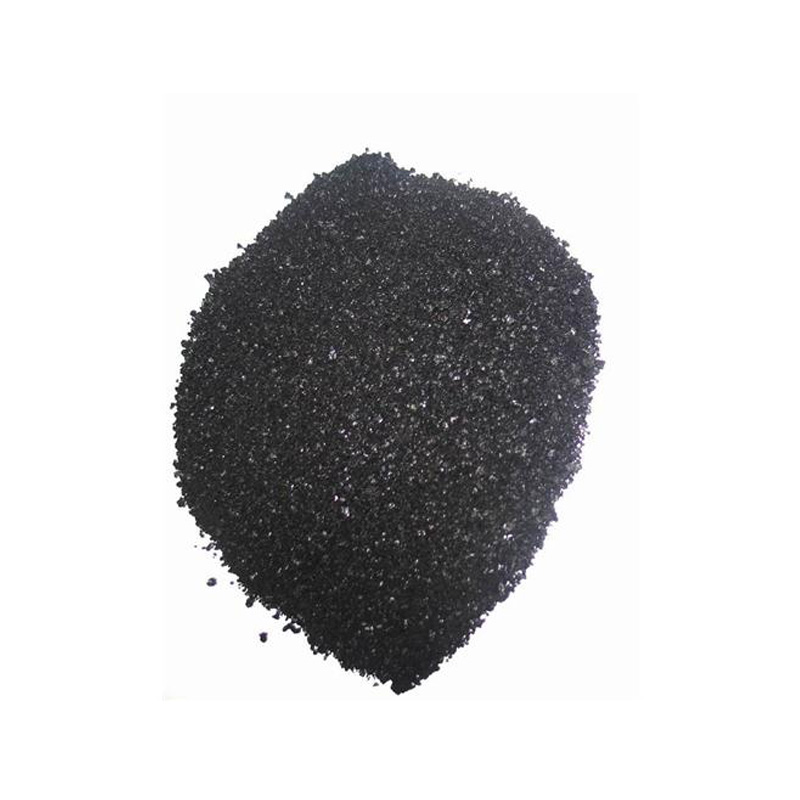
Sulphur Black
1.Name: sulphur black; Sulfur Black; Sulphur Black 1;
2.Structure formula:
3.Molecule formula: C6H4N2O5
4.CAS No.: 1326-82-5
5.HS code: 32041911
6.Product specification:Appearance:black phosphorus flakes; black liquid
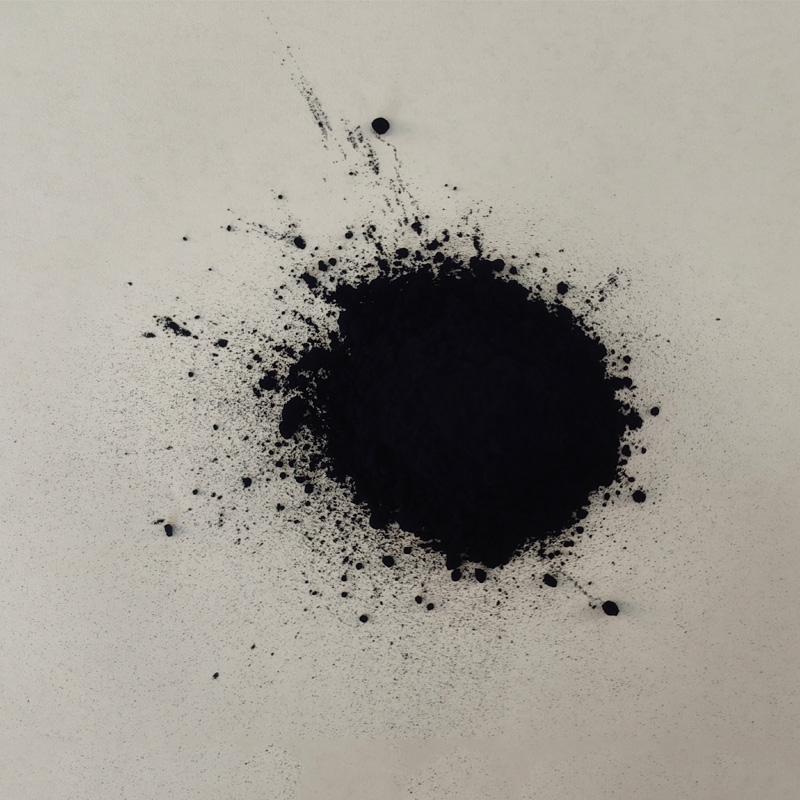
Bromo Indigo; Vat Bromo-Indigo; C.I.Vat Blue 5
1.Name: Bromo indigo; Vat bromo-indigo; C.I.Vat blue 5;
2.Structure formula:
3.Molecule formula: C16H6Br4N2O2
4.CAS No.: 2475-31-2
5.HS code: 3204151000 6.Major usage and instruction: Be mainly used to dye cotton fabrics.
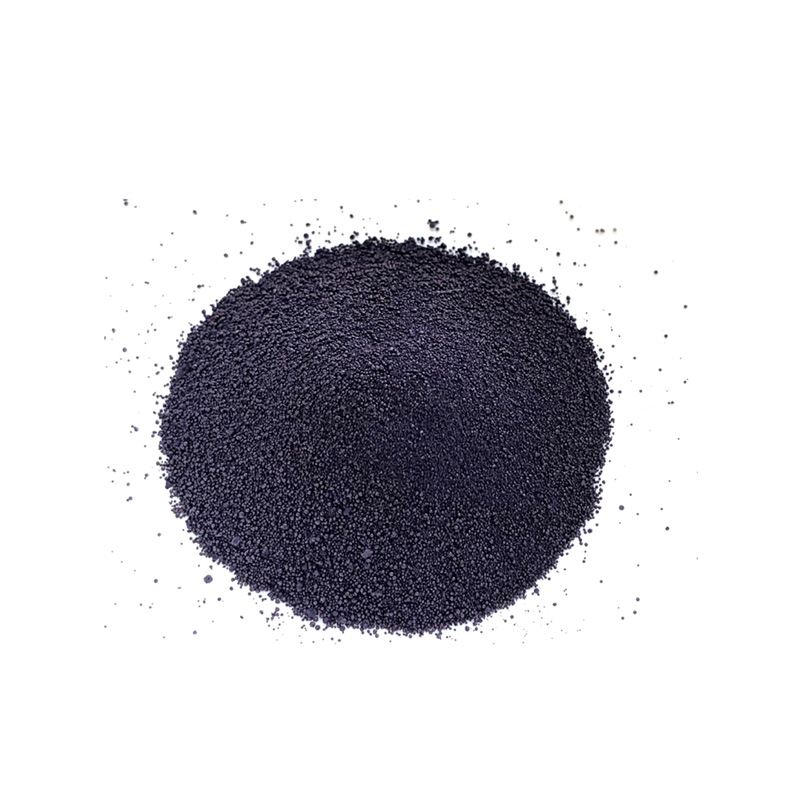
Indigo Blue Vat Blue
1.Name: indigo blue,vat blue 1,
2.Structure formula:
3.Molecule formula: C16H10N2O2
4.. CAS No.: 482-89-3
5.Molecule weight: 262.62
6.HS code: 3204151000
7.Major usage and instruction: Be mainly used to dye cotton fabrics.