

Everything You Need to Know About High Quality Indigo Dye: Sustainability, Applications, and Trends
Understanding High Quality Indigo Dye: A Global Perspective
Indigo dye – it’s been around for centuries, coloring everything from ancient robes to modern denim. But when we talk about high quality indigo dye, there’s more nuance than just that iconic deep blue shade. This dye holds a special place not only in fashion but also in industrial applications, sustainable sourcing, and cultural heritage globally. Understanding its qualities, benefits, and challenges can reveal much about evolving markets and pressing environmental concerns worldwide.
Why the World Cares About High Quality Indigo Dye
Here’s the thing: indigo dye is not just a color; it’s an economic and environmental heartbeat for many regions—India, Egypt, Japan, among others. According to ISO standards, the demand for consistent, eco-friendly dyes is rising sharply to meet sustainable textile goals. But it’s tricky—most conventional indigo dyes rely on complex chemical treatments that produce harmful waste. So, industries are hunting high quality options that balance richness and durability with minimal environmental footprint.
Fact: the global textile industry is estimated to contribute up to 20% of global industrial water pollution (World Bank, 2021). Indigo dyeing plays a significant part. This elevates the stakes for sourcing or innovating high quality indigo dye solutions that are both vibrant and eco-conscious. It’s a classic tension of tradition versus innovation, with the planet in the middle.
Mini takeaway: High quality indigo dye matters not just aesthetically, but socially and environmentally—a dye that’s “good” today must reckon with history, colorfastness, and eco-responsibility.
What Exactly Is High Quality Indigo Dye?
Let’s break it down simply. Indigo dye is a natural or synthetic pigment that produces a brilliant blue color. The “high quality” label refers to several factors: the purity of the dye, its colorfastness (how long it lasts), minimal toxic byproducts, and the stability of the dye on various fabrics. High quality indigo often stems from sustainably sourced raw materials and adheres to regulated production processes.
In modern times, you’ll find its applications mostly in textiles like denim, but also in advanced materials for safety clothing or even artistic crafts demanding rich, stable hues. The connection to humanitarian projects might seem less obvious, but consider that durable and safe dye means longer-lasting fabrics for communities relying on aid or sustainably made products for fair trade.
Mini takeaway: High quality indigo dye is more than color—it’s about sustainability, durability, and ethical sourcing.
Core Components of High Quality Indigo Dye
1. Durability (Colorfastness)
This describes how well the dye withstands washing, sunlight, and abrasion. High quality indigo dye keeps its color vivid through repeated wear—crucial for everyday apparel and industrial textiles alike.
2. Purity and Chemical Composition
A pure dye reduces impurities that can affect fabric integrity or environmental discharge. The molecular structure must be stable but reactive enough to bind well to fibers without harmful residue.
3. Scalability of Production
Can this dye be produced consistently at commercial volumes without quality loss? Industrial demand requires dyes that not only meet standards but can scale to thousands of tons per year.
4. Environmental Impact
One critical feature: the dye’s production and application must minimize water usage, toxic effluents, and energy consumption. Recently, biodegradable and plant-based indigos, or those made with closed-loop processes, are gaining traction.
5. Cost Efficiency
High quality doesn’t always mean high price, but sustainability and performance can raise costs. The challenge is balancing affordability with quality—especially for emerging markets.
6. Compatibility with Modern Processes
It’s essential the dye works well with modern automated dyeing machines and finishing techniques, which demand precise chemical behavior and fast uptake.
Mini takeaway: These factors blend science and practicality—durability, scale, purity, eco-friendliness, and cost must align for the dye to truly qualify as “high quality.”
High Quality Indigo Dye Across the Globe
Industries from Bangladesh’s garment hubs to Japan’s artisanal indigo dyers rely on these premium dyes. In post-disaster relief efforts, sturdy fabrics with reliable color are needed for tents and protective wear that last long in harsh conditions. Companies supplying uniforms for industrial zones in Africa or South America choose high quality indigo dyes to ensure lasting appearance and durability under tough working environments.
For example, Japanese traditionalists combine centuries-old natural indigo extraction with modern processing to satisfy both aesthetic and ecological trends, exporting globally to designers focused on sustainability. Meanwhile, sustainable fashion brands in Europe increasingly seek synthetic indigo with certified green manufacturing to reduce chemical waste.
Product Specification Example: Premium Indigo Dye Sample
| Attribute | Specification |
|---|---|
| Type | Synthetic/Plant-based Indigo |
| Purity | ≥ 95% |
| Colorfastness | ≥ Grade 4 (Washing & Light) |
| Water Consumption | Less than 50L/kg fabric |
| Biodegradability | Yes, >80% within 30 days |
| Suitable Fabrics | Cotton, Linen, Denim |
Comparing Leading Indigo Dye Vendors
| Vendor | Sustainability | Price (per kg) | Quality Rating | Global Reach |
|---|---|---|---|---|
| IndigoEssence Ltd. | Organic certified | $45 | 9.4/10 | Asia, Europe |
| BlueHue Corp. | Low-impact synthetic | $38 | 8.7/10 | Global |
| EcoIndigo S.A. | Biodegradable plant-extract | $52 | 9.8/10 | Europe, Americas |
Advantages & Long-Term Value of High Quality Indigo Dye
The perks go beyond just a stunning blue. Cost-wise, although premium indigo may seem pricier upfront, it saves money long term by producing garments that last longer and require less frequent re-dyeing or replacement.
Emotionally and socially, there’s dignity in wearing or utilizing textiles that don’t harm the wearer or the planet. This dye supports innovation in eco-textiles and fair trade markets, fostering trust between producers and consumers. Plus, using high quality indigo reduces risks of toxic waste exposure—a serious plus for worker safety in manufacturing hubs.
Mini takeaway: High quality indigo dye is an investment in durability, ecology, and ethics.
Future Trends & Innovations to Watch
- Bioengineered Indigo: Scientists work on fermenting microbes to create indigo with zero chemical waste.
- Closed-Loop Dyeing Systems: Circular water and chemical usage reduce pollution dramatically.
- Digital Color Matching: AI-powered tech is creating precision dye lots that reduce overproduction.
- Hybrid Natural-Synthetic Blends: These promise better fastness and lower impact than purely synthetic dyes.
Oddly enough, the future might look very different from the old vat-dyeing methods, yet still honor blue’s timeless charm.
Challenges and Solutions in Using High Quality Indigo Dye
Granted, limitations exist. The cost and complexity of production might hinder local adoption in low-income regions. Also, chemical stability has to be balanced with environmental regulations, which vary across countries.
However, companies are collaborating with NGOs and local governments to subsidize eco-friendly dyes and provide technical training for safer application. Innovation hubs focusing on bio-indigo fermentation show promising avenues for affordable scale-up, making high quality options accessible worldwide.
FAQ: Frequently Asked Questions About High Quality Indigo Dye
- Q: What distinguishes high quality indigo dye from regular indigo?
A: High quality indigo dye is marked by superior purity, colorfastness, and lower environmental impact compared to standard versions, often made from sustainable sources and processed under strict quality controls. - Q: Can high quality indigo dye be used on synthetic fabrics?
A: Indigo traditionally bonds best with natural fibers like cotton or linen. While it can be applied to some synthetics, adjustments in processing are necessary to ensure proper fixation and colorfastness. - Q: How eco-friendly is plant-based indigo compared to synthetic?
A: Plant-based indigo generally has a smaller environmental footprint, particularly in terms of biodegradability and chemical runoff, though synthetic methods have improved significantly with closed-loop systems. - Q: Where can I source reliable high quality indigo dye suppliers?
A: Many global vendors specialize in certified sustainable indigo. It’s best to verify certifications like GOTS, OEKO-TEX, or ISO standards. Visit high quality indigo dye providers for trusted options. - Q: Is the adoption of high quality indigo dye economically viable for small manufacturers?
A: While initial costs are higher, the durability and reduced waste often lead to lower total expenses. Plus, consumer demand for sustainable products can open premium market opportunities.
Conclusion: A Timeless Dye with Modern Relevance
In sum, high quality indigo dye isn’t just about the color blue. It symbolizes a shift towards sustainable industry practice, ecological respect, and enduring craftsmanship. Investing in such dye pays dividends in trust, durability, and global responsibility. Want to explore more? Visit high quality indigo dye suppliers and learn how quality meets conscience in textile innovation.
Oddly enough, the humble blue dye that colored our ancestors' robes now colors a future of smarter, cleaner textiles — and that feels like progress.
Final takeaway: Choose high quality indigo dye for textiles that respect tradition, environment, and tomorrow’s markets.
References:
1. World Bank, “Environmental Impacts of Textile Production,” 2021.
2. ISO Standards on Textile Dyes, iso.org
3. Wikipedia contributors, “Indigo dye,” en.wikipedia.org
-
Mastering the Art of China Japanese Indigo Dyeing Traditions
NewsApr.16,2026
-
Exploring the Elegance of China Deep Indigo Color in Textiles
NewsApr.09,2026
-
Discover High Quality China Jeans Blue Indigo for Global Markets
NewsApr.07,2026
-
Exploring the Rich Tradition of China Natural Indigo Dyed Fabric
NewsApr.04,2026
-
Exploring China Indigo Color in Nature History and Modern Applications
NewsMar.31,2026
-
Discover High Quality China Pure Indigo Powder for Vibrant Natural Dyeing
NewsMar.28,2026
-
Exploring the Rich History of China True Blue Indigo Textiles
NewsMar.26,2026
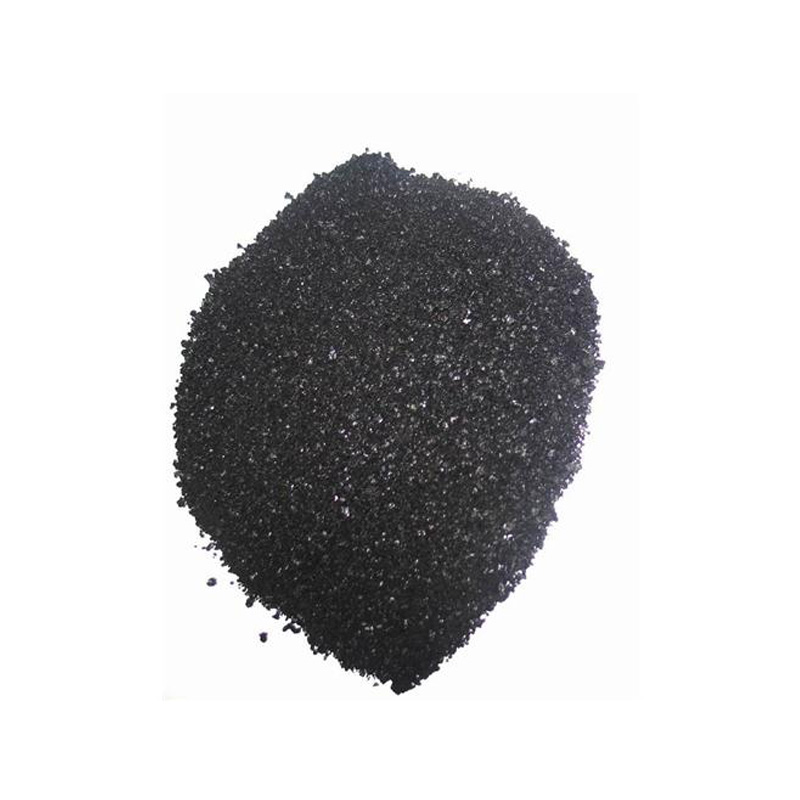
Sulphur Black
1.Name: sulphur black; Sulfur Black; Sulphur Black 1;
2.Structure formula:
3.Molecule formula: C6H4N2O5
4.CAS No.: 1326-82-5
5.HS code: 32041911
6.Product specification:Appearance:black phosphorus flakes; black liquid
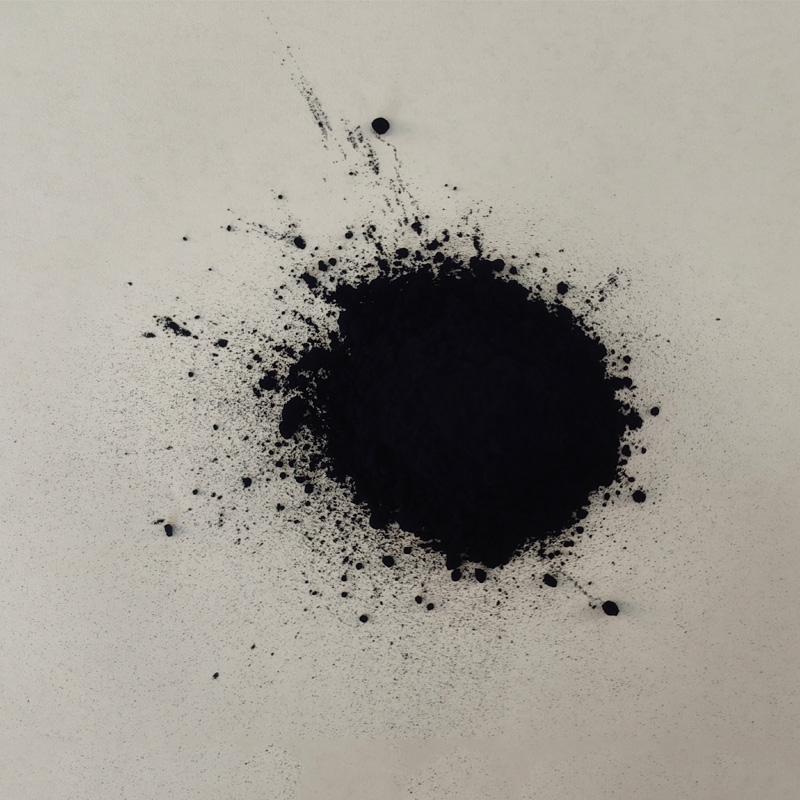
Bromo Indigo; Vat Bromo-Indigo; C.I.Vat Blue 5
1.Name: Bromo indigo; Vat bromo-indigo; C.I.Vat blue 5;
2.Structure formula:
3.Molecule formula: C16H6Br4N2O2
4.CAS No.: 2475-31-2
5.HS code: 3204151000 6.Major usage and instruction: Be mainly used to dye cotton fabrics.
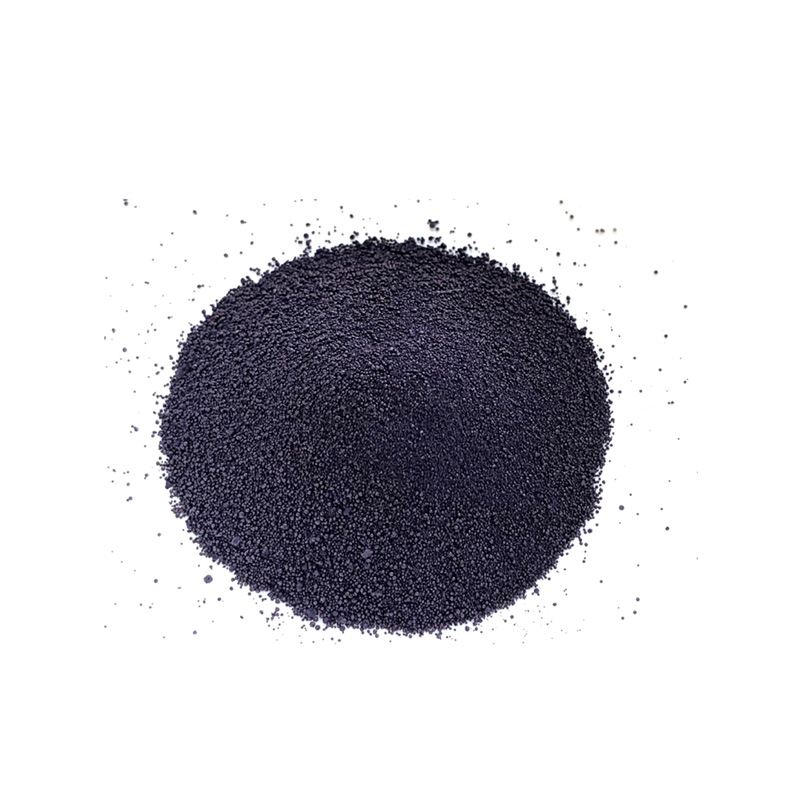
Indigo Blue Vat Blue
1.Name: indigo blue,vat blue 1,
2.Structure formula:
3.Molecule formula: C16H10N2O2
4.. CAS No.: 482-89-3
5.Molecule weight: 262.62
6.HS code: 3204151000
7.Major usage and instruction: Be mainly used to dye cotton fabrics.