

High Quality Indigo Dye Chemistry: Sustainable Innovations in Textile Industry
Understanding High Quality Indigo Dye Chemistry: Why It Matters Globally
Indigo blue — it’s a color that’s instantly recognizable, tied almost inseparably to denim jeans and vibrant textiles. But behind this beloved hue lies a complex chemistry that’s vital not just to fashion, but to global industry and environmental stewardship. High quality indigo dye chemistry represents a refined approach to extracting, applying, and stabilizing this natural dye to meet modern demands.
Why does this matter beyond just making clothes look good? Well, the global textile industry is one of the largest consumers of dyes, with millions of tons produced annually. Problems like water pollution, toxicity, and resource waste plague conventional dyeing methods — challenges that refined indigo chemistry aims to solve. In a world increasingly focused on sustainability and quality, understanding these advances has never been more crucial.
Takeaway: High quality indigo dye chemistry marries tradition and innovation, addressing global environmental and industrial challenges while preserving the iconic blue we all recognize.
Global Context and Challenges
The textile industry accounts for nearly 20% of global industrial water pollution, largely due to dyeing processes (UNIDO, 2021). Indigo dye, historically extracted from plants and later synthesized chemically, has often posed environmental challenges due to toxic by-products and inefficient use. Governments and NGOs are increasingly pushing for improved practices that lower chemical waste and energy consumption.
Furthermore, as high quality indigo dye chemistry evolves, it supports industries beyond fashion — think technical textiles used in healthcare, safety gear, and even humanitarian aid supplies where durability and non-toxicity are paramount.
Defining High Quality Indigo Dye Chemistry
Put simply, this term refers to the advanced chemical formulations and dyeing processes that optimize indigo’s application qualities. “High quality” here means:
- Stable, rich coloration resistant to fading.
- Eco-friendly production minimizing toxic effluents.
- Efficient use of water and energy resources.
It’s a marriage of chemistry and sustainable manufacturing, making indigo dyes more reliable, scalable, and safer than ever. This is crucial because indigo is insoluble in water, requiring reduction and re-oxidation steps that historically involve harsh chemicals.
Core Components of High Quality Indigo Dye Chemistry
1. Durability
Textiles dyed with high grade indigo maintain vivid, long-lasting color even after multiple washes. This is thanks to refined molecular bonding and application techniques that embed the dye deeply.
2. Sustainability
Newer processes replace toxic reducing agents (like sodium dithionite) with greener alternatives, significantly reducing environmental impact.
3. Cost Efficiency
While initial investment in quality chemistry can be higher, it drastically lowers waste and need for re-dyeing — saving money long-term.
4. Scalability
Whether for a small artisan batch or mass production, these chemistries adapt well, ensuring consistent quality across volumes.
5. Safety
Advanced chemistry minimizes harmful residues on textiles, enhancing wearer safety — a growing priority for consumer markets worldwide.
| Parameter | Standard | Performance |
|---|---|---|
| Color Fastness | ISO 105 - E04 | 5 (Excellent) |
| Water Usage per kg Fabric | Within 40L | ~35L |
| Toxic Chemical Emissions | Globally accepted limits | Below detection |
| Energy Consumption | ~4.2MJ/kg fabric |
Global Applications & Use Cases
In real terms, indigo dye chemistry finds its way across continents and industries:
- Asia: The dominant textile manufacturing regions in countries like India and Bangladesh increasingly adopt eco-friendly indigo chemistries to comply with new regulations and consumer demands.
- Europe & North America: Fashion brands leverage high quality indigo dye chemistry to market sustainable and safe denim products, enhancing brand trust.
- Technical Textiles: Protective clothing and uniforms — including for disaster response teams — require indigo-based dyes that ensure durability under strenuous use.
- Small-scale Artisans: Craft communities use refined natural indigo methods that marry tradition with improved chemical handling.
For example, in post-disaster relief operations, textiles dyed with reliable, non-toxic indigo provide durable, safe materials for tents and clothing, ensuring aid recipients retain dignity and safety.
Advantages and Long-Term Value
The benefits of shifting towards high quality indigo dye chemistry are tangible:
- Cost Savings: Less energy, water, and chemical waste drive down operational costs.
- Environmental Sustainability: Cleaner processes reduce pollution and conserve resources.
- Social Impact: Safer dyes mean healthier workers and safer fabrics for consumers.
- Innovation: Better products lead to stronger brands and satisfied customers.
Emotionally, there’s a sense of responsibility met—with every sustainably dyed textile, the industry takes a small but meaningful step toward a safer planet. You might say it’s not just about color — it’s about trust and care woven right into the fabric.
Emerging Trends and Innovations
Looking ahead, the indigo dye landscape is evolving:
- Bio-indigo: Microbial fermentation methods producing indigo dye more sustainably.
- Digital Dyeing: Precision application reducing waste.
- Automated Waste Treatment: Real-time monitoring of effluents improving compliance.
- Green Chemistry Policies: Regulatory pushes incentivizing cleaner methods globally.
Such trends point toward not just color quality, but a holistic environmental renaissance in dye chemistry.
Challenges & Innovative Solutions
Of course, challenges remain. The chemistry behind indigo is naturally complex and water-intensive. Shifting entire supply chains involves costs and re-education. Also, some green alternatives still lag behind in colorfastness.
However, researchers and manufacturers are bridging these gaps through:
- Hybrid chemistries mixing natural and synthetic dyes.
- Enhanced dye baths recycling and purification.
- Collaborative industrial frameworks for sharing best practices.
In short, while the journey is ongoing, progress is steady — a testament to dedicated scientific expertise and commercial will.
| Vendor | Eco Certification | Production Capacity | Price Range (per kg) | Innovation Focus |
|---|---|---|---|---|
| EcoDyes Ltd. | GOTS, OEKO-TEX | 1500 tons / year | $15 - $20 | Bio-indigo, waste recycling |
| Synthetica Colors | ISO 14001 | 5000 tons / year | $12 - $17 | Digital dyeing tech |
| GreenFiber Industries | OEKO-TEX, Bluesign | 3000 tons / year | $14 - $22 | Hybrid eco-chemistry |
FAQ: High Quality Indigo Dye Chemistry
Q1: How is high quality indigo dye different from traditional indigo dye?
A: High quality indigo dye incorporates advanced chemistry that improves colorfastness and reduces environmental impact. Unlike traditional methods, it often uses greener reducing agents and more efficient processes, resulting in safer textile applications and less pollution.
Q2: Can high quality indigo dye chemistry be used in small-scale artisanal production?
A: Absolutely. There are refined natural and hybrid chemistry techniques specifically designed for scalable use—from global factories to artisan workshops—allowing craft producers to maintain tradition while improving safety and sustainability.
Q3: What environmental benefits come from using high quality indigo dye chemistry?
A: Benefits include reduced toxic chemical discharge, lower water and energy consumption, and safer by-products. These collectively help protect waterways and reduce the carbon footprint of textile dyeing.
Q4: How durable are textiles dyed with high quality indigo chemistry?
A: Such textiles generally exhibit excellent durability, maintaining vibrant color even after dozens of washes. This makes them ideal for products requiring longevity, like denim or technical fabrics.
Q5: Is the cost of using high quality indigo dyes prohibitively high?
A: While initial costs may be somewhat higher, savings accrue from reduced chemical waste, energy use, and reprocessing, meaning the long-term financial impact is often positive.
Conclusion
High quality indigo dye chemistry is more than a niche technical subject — it’s a cornerstone of sustainable textile innovation that connects environmental responsibility, industrial efficiency, and consumer safety. As global industries embrace these refined chemistries, the humble indigo dye continues to evolve, reflecting not just color, but progress.
If you want to explore high quality indigo dye chemistry further, discover how cutting-edge innovations can transform your textile processes today.
Oddly enough, it feels like a small splash of color, but its ripple effects on industry and environment are anything but small.
References
-
Mastering the Art of China Japanese Indigo Dyeing Traditions
NewsApr.16,2026
-
Exploring the Elegance of China Deep Indigo Color in Textiles
NewsApr.09,2026
-
Discover High Quality China Jeans Blue Indigo for Global Markets
NewsApr.07,2026
-
Exploring the Rich Tradition of China Natural Indigo Dyed Fabric
NewsApr.04,2026
-
Exploring China Indigo Color in Nature History and Modern Applications
NewsMar.31,2026
-
Discover High Quality China Pure Indigo Powder for Vibrant Natural Dyeing
NewsMar.28,2026
-
Exploring the Rich History of China True Blue Indigo Textiles
NewsMar.26,2026
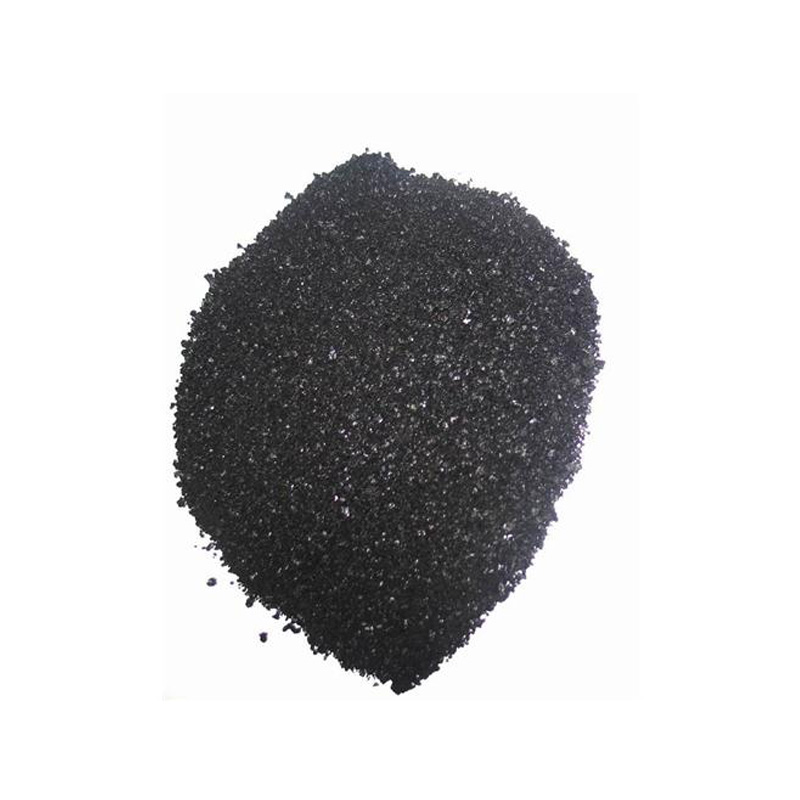
Sulphur Black
1.Name: sulphur black; Sulfur Black; Sulphur Black 1;
2.Structure formula:
3.Molecule formula: C6H4N2O5
4.CAS No.: 1326-82-5
5.HS code: 32041911
6.Product specification:Appearance:black phosphorus flakes; black liquid
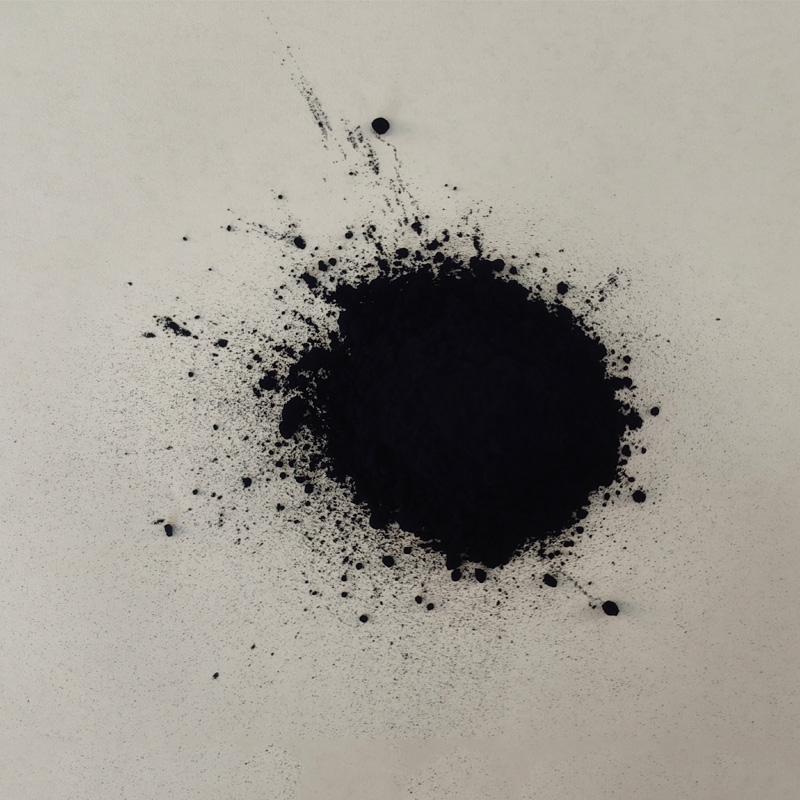
Bromo Indigo; Vat Bromo-Indigo; C.I.Vat Blue 5
1.Name: Bromo indigo; Vat bromo-indigo; C.I.Vat blue 5;
2.Structure formula:
3.Molecule formula: C16H6Br4N2O2
4.CAS No.: 2475-31-2
5.HS code: 3204151000 6.Major usage and instruction: Be mainly used to dye cotton fabrics.
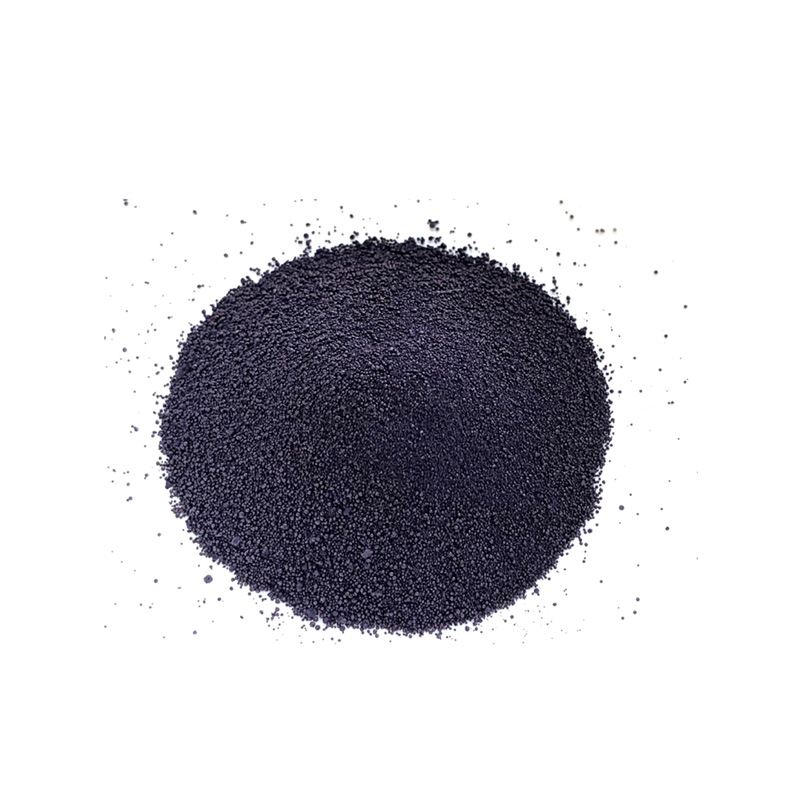
Indigo Blue Vat Blue
1.Name: indigo blue,vat blue 1,
2.Structure formula:
3.Molecule formula: C16H10N2O2
4.. CAS No.: 482-89-3
5.Molecule weight: 262.62
6.HS code: 3204151000
7.Major usage and instruction: Be mainly used to dye cotton fabrics.