

Explore Black Sulfide: Industrial Uses, Benefits & Sustainable Solutions
Understanding Black Sulfide: A Crucial Component in Modern Industry
If you’ve ever come across chemical terms like “black sulfide,” you probably wondered what it really means and why it’s important. Black sulfide might sound like something out of a sci-fi novel, but it’s very much grounded in real-world applications that touch everything from environmental protection to industrial manufacturing. Globally, black sulfide compounds play a key role in processes that aim to improve our sustainability efforts and address issues like pollution and resource recovery. Understanding black sulfide isn’t just chemistry jargon — it can also help industries innovate and reduce their ecological footprint.
Simply put, black sulfide refers to certain sulfide minerals or compounds that typically appear dark or black in color. These compounds, including metal sulfides, are essential in fields like metallurgy, wastewater treatment, and even green energy development. This breadth of use connects them intimately to various SDGs outlined by the UN, especially those surrounding clean water, responsible consumption, and industrial innovation (UN SDGs info).
Black Sulfide’s Global Relevance: Tackling Big Challenges
Globally, the quest to manage pollutants, reclaim metals, and advance clean technologies has turned scientists and engineers toward sulfide compounds. Consider this: according to the World Bank, untreated industrial wastewater contributes significantly to water pollution worldwide, impacting roughly 80% of people’s access to safe drinking supplies (World Bank Stats).
Black sulfide-based treatments can selectively precipitate harmful heavy metals from wastewater, offering a cleaner alternative to conventional technologies. Moreover, black sulfide minerals are increasingly important in recovering precious metals from ores, which lessens dependence on mining raw materials. This is not a small deal; it goes straight to the heart of resource efficiency and circular economy principles.
But here’s a challenge: sulfide compounds must be carefully managed to avoid secondary pollution, notably hydrogen sulfide gases that smell terrible and can be hazardous. So there’s an ongoing balance between using black sulfide effectively and ensuring environmental safety.
What Exactly Is Black Sulfide?
In everyday terms, “black sulfide” usually refers to sulfide minerals or compounds containing sulfur joined with metals like iron, copper, or zinc. The “black” describes their typical dark coloration due to chemical composition and crystalline structure.
From the standpoint of industrial use, black sulfide compounds form through reactions that reduce sulfur with metals, creating stable minerals. These materials are vital in smelting and refining metals, where they can act as both reactants and products.
On the humanitarian front, black sulfide-based filtration and treatment media help remove toxic metals from water sources, providing safer access to drinking water in remote or disaster-affected regions. It’s a neat intersection where chemistry solves real social problems.
Core Aspects of Black Sulfide and Their Practical Importance
1. Chemical Stability
Black sulfide compounds generally maintain chemical stability in reduced environments, meaning they don’t easily break down under certain conditions. This stability is crucial in industries where consistent performance is needed, such as wastewater treatment and mining processes.
2. Metal Recovery Capabilities
Many black sulfides selectively bind with precious metals, aiding their extraction from complex ores. This capability boosts the efficiency of recycling and reduces raw mining.
3. Cost Efficiency
Using black sulfide minerals in treatment processes often presents a cost-effective alternative to synthetic chemicals. Some engineers I’ve chatted with mention how locally sourced sulfides significantly reduce operational expenses.
4. Environmental Impact
When properly managed, black sulfide-based techniques reduce toxic effluent in waterways. Although improper handling poses risks, advancements in containment and reaction control continue to mitigate these concerns.
5. Versatility
Whether it’s in industrial metallurgy, environmental cleanup, or emerging energy storage materials, black sulfide finds applications that adapt readily to diverse conditions.
| Property | Description | Industrial Importance |
|---|---|---|
| Chemical Stability | Resistant to oxidation in reducing environments | Ensures reliability in metal recovery and wastewater treatment |
| Metal Selectivity | Binds selectively to precious and heavy metals | Enhances recycling and reduces raw mineral mining |
| Cost | Generally affordable and locally available | Lower operational costs in processing plants |
| Environmental Impact | Needs controlled handling to prevent hazardous gas release | Crucial for sustainable industrial practices |
| Versatility | Multiple use cases in different industries | Broad adoption potential across sectors |
Where is Black Sulfide Used Around the World?
The applications of black sulfide are vast and truly global. For example:
- Mining Operations: In Canada and Australia, black sulfide minerals are key to refined metal extraction and ore processing.
- Wastewater Treatment: In Europe and parts of Asia, sulfide-based methods remove heavy metals, improving water quality downstream.
- Emergency Relief Efforts: NGOs have implemented black sulfide filtration tools in disaster-hit zones to provide safe drinking water faster and more affordably.
- Green Technologies: Some research centers in the U.S. and Japan investigate black sulfide compounds for battery electrodes and hydrogen storage materials.
Oddly enough, the humble black sulfide bridges advanced laboratory science and simple humanitarian needs simultaneously.
Advantages & Long-Term Value of Black Sulfide
On the surface, black sulfide offers obvious benefits like cost savings and efficacy. But if you dig deeper, the long-term value becomes clearer:
- Sustainability: Enables recycling of metals and reduces hazardous waste emissions.
- Reliability: Stable chemistry means less frequent equipment failure or process disruption.
- Social Impact: Directly supports safe water initiatives, preserving health and dignity.
- Innovation Catalyst: Its properties inspire new materials research in clean energy sectors.
It’s a rare technical solution that delivers tangible societal value—plenty to like about that.
Looking Ahead: Innovations in Black Sulfide Applications
The future of black sulfide seems intertwined with digital breakthroughs and green tech:
- Nanotechnology: Tiny black sulfide particles are engineered to enhance catalytic activity in pollution control.
- Automation: Smart sensors now monitor sulfide reactions in real-time, boosting safety and efficiency.
- Renewable Energy: Black sulfide materials are tested as components in next-gen batteries and hydrogen storage.
Investments in these areas hint at a brighter, cleaner industrial landscape where black sulfide compounds play starring roles.
Challenges & How Experts Are Tackling Them
Managing hazardous gas emissions, such as hydrogen sulfide, remains a perennial headache. But engineers innovate with airtight containment, odor neutralizers, and improved chemical controls. Another hurdle is regulatory compliance in different countries, which requires adaptable approaches and rigorous testing.
On the supply side, fluctuating sulfide mineral availability can affect cost stability. Local sourcing and synthetic alternatives are two solutions being explored. Many senior engineers advise combining traditional experience with modern analytics to optimize black sulfide applications without compromising safety.
Black Sulfide FAQ: What You Want to Know
- Q: What industries benefit most from black sulfide?
- A: Mining, wastewater treatment, and emerging green tech sectors are the primary users, thanks to black sulfide's metal recovery and pollutant removal capabilities.
- Q: Is black sulfide safe to handle?
- A: When properly managed with controls in place, black sulfide compounds are safe. The main risk involves hydrogen sulfide gas release, which requires ventilation and monitoring.
- Q: Can black sulfide be used in drinking water filtration?
- A: Yes, specialized black sulfide-based media can remove heavy metals effectively—ideal for improving water quality in underserved areas.
- Q: Are there eco-friendly alternatives to black sulfide?
- A: Some synthetic materials mimic black sulfide properties but at higher cost. Research is ongoing to balance efficacy, sustainability, and economics.
- Q: How do companies source black sulfide minerals globally?
- A: Through established mining partnerships, local extraction, and sometimes recycled sources, vendors ensure steady supply chains adapting to demand fluctuations.
Vendor Comparison: Choosing the Right Black Sulfide Supplier
| Vendor | Primary Product Range | Geographical Reach | Eco-Certifications | Typical Lead Time |
|---|---|---|---|---|
| Wuxin Group | Black sulfide minerals & customized treatment materials | Global (focus: Asia, North America) | ISO 14001, RoHS | 2-4 weeks |
| MineralTech Ltd. | Standard sulfide compounds & mining reagents | Europe, Africa | ISO 9001 | 3-6 weeks |
| GreenChem Solutions | Eco-friendly synthetic sulfide alternatives | North America, Europe | ISO 14001, LEED support | 4-8 weeks |
For those curious or looking to explore black sulfide applications further, Wuxin Group stands out as a trusted supplier with a strong global footprint, eco-certifications, and flexible turnaround times.
Conclusion: Why Black Sulfide Matters More Than Ever
So, black sulfide is not just a mysterious dark compound—it’s a pillar in industrial innovation and environmental stewardship. Its multifunctionality helps reduce pollution, recycles precious metals, and supports humanitarian water needs. Looking ahead, its intersection with technology and sustainability trends suggests even greater impact.
If you want to learn more about how black sulfide can empower your operations or humanitarian projects, don’t hesitate to visit our website and explore practical solutions tailored to your needs.
1. United Nations Sustainable Development Goals – sdgs.un.org
2. World Bank Environmental Stats – databank.worldbank.org
3. Wikipedia: Sulfide mineral
-
Mastering the Art of China Japanese Indigo Dyeing Traditions
NewsApr.16,2026
-
Exploring the Elegance of China Deep Indigo Color in Textiles
NewsApr.09,2026
-
Discover High Quality China Jeans Blue Indigo for Global Markets
NewsApr.07,2026
-
Exploring the Rich Tradition of China Natural Indigo Dyed Fabric
NewsApr.04,2026
-
Exploring China Indigo Color in Nature History and Modern Applications
NewsMar.31,2026
-
Discover High Quality China Pure Indigo Powder for Vibrant Natural Dyeing
NewsMar.28,2026
-
Exploring the Rich History of China True Blue Indigo Textiles
NewsMar.26,2026
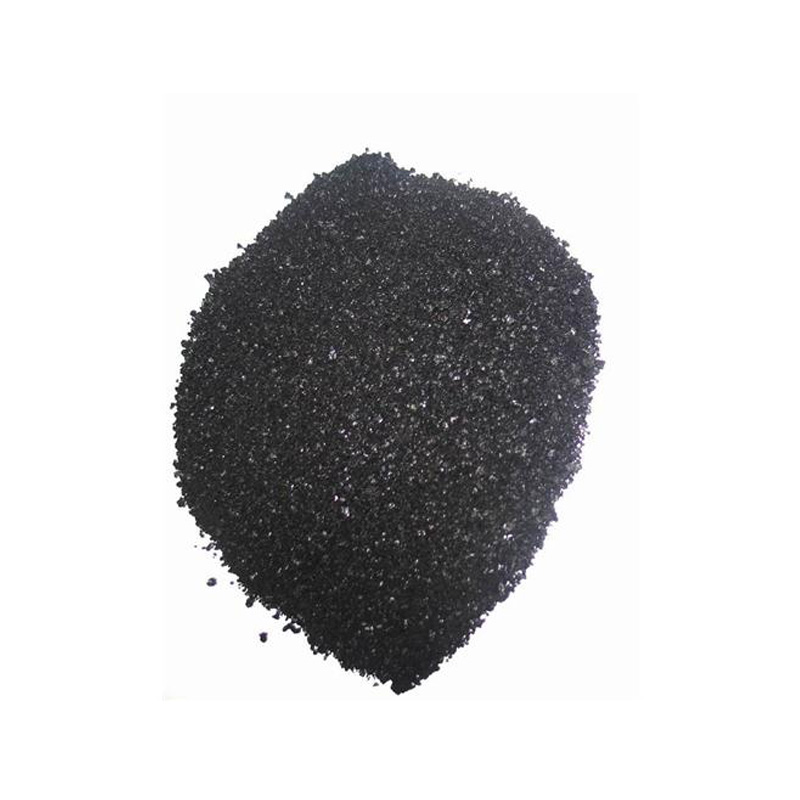
Sulphur Black
1.Name: sulphur black; Sulfur Black; Sulphur Black 1;
2.Structure formula:
3.Molecule formula: C6H4N2O5
4.CAS No.: 1326-82-5
5.HS code: 32041911
6.Product specification:Appearance:black phosphorus flakes; black liquid
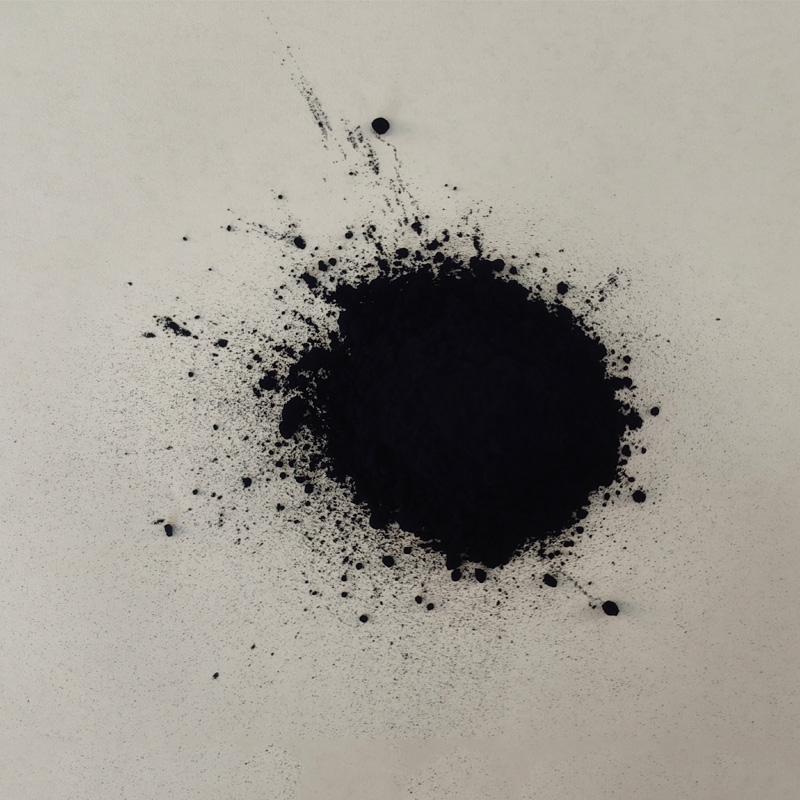
Bromo Indigo; Vat Bromo-Indigo; C.I.Vat Blue 5
1.Name: Bromo indigo; Vat bromo-indigo; C.I.Vat blue 5;
2.Structure formula:
3.Molecule formula: C16H6Br4N2O2
4.CAS No.: 2475-31-2
5.HS code: 3204151000 6.Major usage and instruction: Be mainly used to dye cotton fabrics.
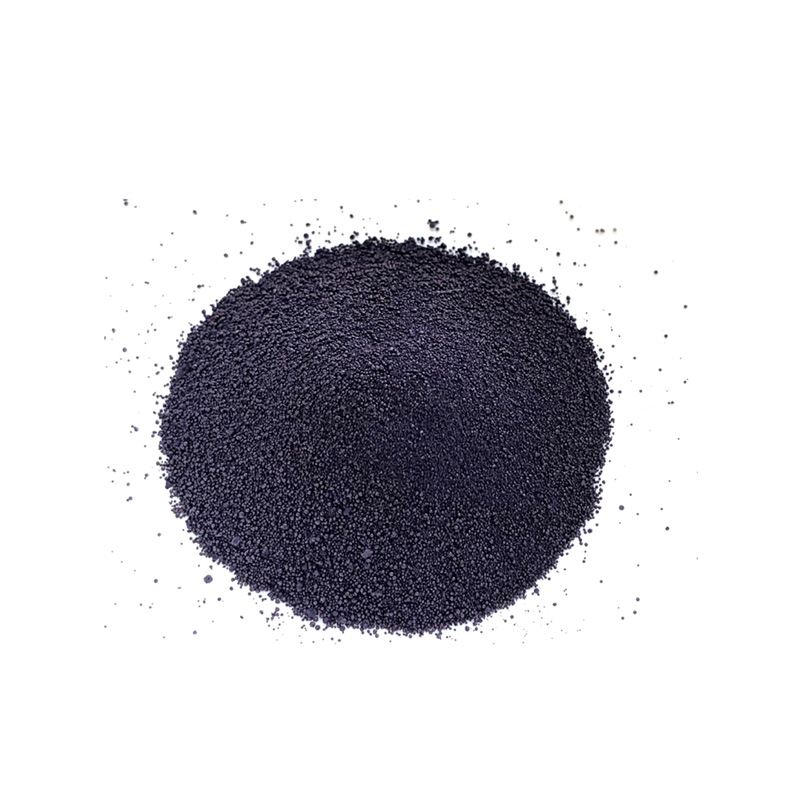
Indigo Blue Vat Blue
1.Name: indigo blue,vat blue 1,
2.Structure formula:
3.Molecule formula: C16H10N2O2
4.. CAS No.: 482-89-3
5.Molecule weight: 262.62
6.HS code: 3204151000
7.Major usage and instruction: Be mainly used to dye cotton fabrics.