

Explore Sustainable Indigo Powder Mix - Natural Dye Solutions for Modern Industry
Understanding Indigo Powder Mix: More Than Just a Traditional Dye
If you paused to wonder what exactly an indigo powder mix is, you’re part of a growing crowd interested in the intersection of age-old natural materials and modern industry needs. Globally, indigo dye has had a remarkable life—starting in ancient cultures, to now powering innovations in textiles, cosmetics, and sustainable manufacturing. Why does it matter? Well, as sustainability becomes a buzzword—and rightly so—indigo powder mixes remind us how nature’s palette can coexist brilliantly with progress. The key benefit? Unlocking a natural, eco-friendly solution with proven versatility in a world bombarded by synthetic chemicals and waste. Understanding its potential encourages us not only to think green but to appreciate how legacy materials adapt to meet present-day demands.A Global View: Why Indigo Powder Mixes Still Matter Today
Across continents, the use of indigo reflects a striking blend of culture, economy, and sustainability. According to the United Nations’ Sustainable Development Goals database, natural dyes mark an important step toward responsible consumption and production (SDG 12). Let’s be frank: synthetic dyes, while cheap, often carry harsh environmental and health risks. Enter indigo powder mix — a natural alternative enjoying a modern renaissance across Asia, Africa, and even Europe. Some numbers that caught my eye (UN data, 2022): the global natural dyes market has been growing roughly 8% annually, largely driven by consumer preference shifts and stricter environmental regulations. However, there’s a challenge — natural dyes like indigo face scalability and consistency issues that synthetic rivals don’t struggle with. Yet, beyond dyeing, new industries are finding indigo powder mix valuable for uses nobody might have predicted 50 years ago. It’s like nature’s little surprise tucked into an ancient leaf. Mini takeaway: Indigo powder mix is a vital bridge connecting heritage, industry needs, and global sustainability goals.Indigo Powder Mix Explained: What Is It, Really?
At its simplest, an indigo powder mix is a finely ground, stable powdered form of indigo dye—usually standardized with natural binders or additives to improve usability and shelf life. Derived primarily from the Indigofera plant species or woad, this powder is prized for its rich, blue hue. But it’s not just about pretty colors: it’s about how the powder can be mixed into solutions, pastes, or compounds for textiles, cosmetics, art, and even eco-friendly inks. Why does this matter to modern industry or humanitarian efforts? Think of crafting solutions that are non-toxic, biodegradable, and rooted in natural origins. For instance, many small-to-medium enterprises in rural regions rely on indigo powders to ensure economic sustainability without sacrificing environmental standards. Mini takeaway: Indigo powder mix is a refined, ready-to-use form of natural dye with broad, practical application value.Core Components That Make Indigo Powder Mix Valuable
1. Purity and Consistency
Due to natural variations, raw indigo can be unpredictable. A well-formulated indigo powder mix balances purity with natural composition, ensuring vibrant, consistent results. This is crucial whether you’re dyeing hardy fabrics or delicate cosmetics.2. Ease of Use
Manufacturers cherish how indigo powder mix streamlines processes — no need for time-consuming extraction or fermentation steps typical with raw leaves. It dissolves or suspends easily, reducing waste and errors.3. Color Fastness and Durability
People often wonder if natural dyes “last.” Good formulations of indigo powder mix offer remarkable longevity — for fabrics exposed to light, washing, or weather. This quality keeps products sold as sustainable viable and trustworthy.4. Environmental Biodegradability
Unlike synthetic blues, indigo powder mixes degrade naturally, minimizing pollution and landfill impact. Many companies tout this as part of their “green” pledges.5. Versatility
From denim jeans in urban fashion capitals to handmade soaps in remote villages, indigo powder mixes fit a surprising range of sectors. This flexibility is a reason for its continuing appeal. Mini takeaway: Indigo powder mix combines natural benefits with industrial savvy — purity, ease, durability, and eco-impact.Real-World Applications: How Indigo Powder Mix Is Making a Difference
Globally, the applications spread wide and deep. For instance: - Textile Industry: In places like India and Senegal, indigo powder mix dyes cotton and silk textiles, preserving traditional artisan skills while supplying international demand. The growth of eco-fashion labels has spiked interest. - Cosmetics and Body Art: Brands focusing on natural ingredients incorporate indigo-based dyes in henna mixes, eyeliners, and face masks, particularly prized for their organic profile and pleasant blue tint. - Art and Crafts: Indigo powder mixes in Japan and Indonesia are vital for dyeing batik and other textile arts, sustaining cultural heritage with materials that meet modern safety standards. - Humanitarian Uses: Surprisingly, in some post-disaster contexts, indigo powder has been adapted for safe marking and identification inks — low toxicity and availability matter a lot when mass supplies are needed fast. - Sustainable Packaging and Inks: Emerging research explores indigo powder as a pigment in biodegradable inks and packaging, fitting well with circular economy initiatives underway especially in the EU and North America. Mini takeaway: Indigo powder mix isn’t confined to one niche — it’s a trusted material used from fashion hubs to humanitarian zones, all over the world.Advantages & Long-Term Value of Indigo Powder Mix
People often ask, “Why choose indigo powder mix in a world dominated by synthetic alternatives?” Here are some tangible reasons: - Cost Efficiency: While the initial raw material might seem pricier, reduced environmental compliance costs and less chemical waste even out or surpass synthetic savings. - Environmental Sustainability: Indigo powder mixes support sustainable harvesting and reduce pollution; a win-win for brand reputation and planetary health. - Social Impact: By supporting indigenous sourcing and artisanal communities, manufacturers promote fair trade and cultural preservation. - Reliability: Advances in production mean predictable color and quality — lowering rejection rates and improving customer trust. Emotionally, choosing this mix feels like investing in a better world — where safety for workers and end-users isn’t compromised for profits. And logically, it’s a smart move as clients demand greener alternatives. Mini takeaway: Indigo powder mix embodies a holistic value proposition with economic, ecological, and social upsides.Product Specification Table: Typical Indigo Powder Mix
| Property | Typical Value | Unit |
|---|---|---|
| Indigo Content | 15–18% | Percentage (%) |
| Moisture Content | 5–7% | Percentage (%) |
| Particle Size | 100–200 | Micrometers (µm) |
| Shelf Life | 12 months | Months |
| pH Value | 6.5–7.5 | Neutral Range |
Comparing The Top Vendors of Indigo Powder Mix
| Vendor A | Vendor B | Vendor C | |
|---|---|---|---|
| Origin | India | Indonesia | China |
| Purity (%) | 16.5 | 15.8 | 15.0 |
| Price per kg (USD) | $18.50 | $20.00 | $16.00 |
| Delivery Time (Days) | 10–14 | 14–18 | 7–10 |
| Sustainability Certification | ISO 14001 | Fair Trade | None |
Looking Ahead: What’s Next for Indigo Powder Mix?
Curiously, research into micro-encapsulation techniques promises to extend indigo powder mix’s shelf life and usability. Innovations in bio-sustainability are pushing manufacturers to explore genetically optimized indigofera plants to yield higher dye content per hectare, cutting costs and pressures on land use. Digital textile printers are experimenting with indigo powder-based inks — imagine true natural blue prints, no harsh chemicals, applied by robots in smart factories. It sounds futuristic but largely realistic as eco-conscious consumers demand traceability. Even policy changes, especially in the European Union, are tightening limits on synthetic dye pollutants, nudging industries toward greener alternatives like indigo powder mix. It’s not just a trend; it’s a slow but inevitable shift. Mini takeaway: Indigo powder mix’s future is bright, thanks to tech, genomics, and evolving global standards stressing sustainability.Challenges & How the Industry is Tackling Them
No story is without its rough patches. Indigo powder mixes face challenges: - Variability in Raw Materials: Climatic and soil conditions create batch differences. - Scaling Supply: Meeting large-scale industrial demand while preserving natural methods isn’t easy. - Cost Sensitivity: For price-conscious markets, indigo powder can appear pricey upfront. - Standardization: Lack of global product standards complicates quality assurance internationally. What’s the fix? Many suppliers now engage in contract farming with local growers, ensuring better control of plant quality. Manufacturing processes leverage advanced milling and drying technologies to reduce impurities and boost uniformity. Then, collaborations between science and traditional knowledge help produce user-friendly formulas. These solutions are evolving as fast as the market’s appetite for green chemistry.FAQ: Quick Answers About Indigo Powder Mix
- Q: How does an indigo powder mix differ from raw indigo leaves?
- A: Indigo powder mix is processed and standardized, making it simpler to store, ship, and apply compared to raw leaves that require extraction and fermentation before use.
- Q: Can indigo powder mix be used in modern textile printing?
- A: Yes, recent advances allow indigo powder to be formulated into inks suitable for digital textile printers, offering eco-friendly alternatives to synthetic dyes.
- Q: Is it cost-effective to switch from synthetic dyes to indigo powder mix?
- A: Although upfront costs may be higher, indigo powder reduces environmental penalties and supports brand sustainability, which are increasingly valuable for both consumers and regulators.
- Q: What industries outside textiles use indigo powder mix?
- A: Apart from textiles, cosmetics, art supplies, and even humanitarian marking inks utilize indigo powder for its natural pigment and safety profile.
- Q: How can companies ensure consistent quality when sourcing indigo powder mixes?
- A: Partnering with certified suppliers who engage in controlled cultivation and standardized processing is key to maintaining consistency.
Wrapping Up: Indigo Powder Mix As A Sustainable Industry Staple
When you think about sustainable production, it’s easy to get lost in buzzwords. But indigo powder mix is a reminder that nature and industry can indeed coexist practically and beautifully if given a chance. With its rich history and cutting-edge future, this natural pigment mix provides not just color—but a palette of economic, social, and environmental benefits. Want to dive deeper into how indigo powder mix can elevate your business or craft? Visit our website and explore the possibilities. --- ### References-
Mastering the Art of China Japanese Indigo Dyeing Traditions
NewsApr.16,2026
-
Exploring the Elegance of China Deep Indigo Color in Textiles
NewsApr.09,2026
-
Discover High Quality China Jeans Blue Indigo for Global Markets
NewsApr.07,2026
-
Exploring the Rich Tradition of China Natural Indigo Dyed Fabric
NewsApr.04,2026
-
Exploring China Indigo Color in Nature History and Modern Applications
NewsMar.31,2026
-
Discover High Quality China Pure Indigo Powder for Vibrant Natural Dyeing
NewsMar.28,2026
-
Exploring the Rich History of China True Blue Indigo Textiles
NewsMar.26,2026
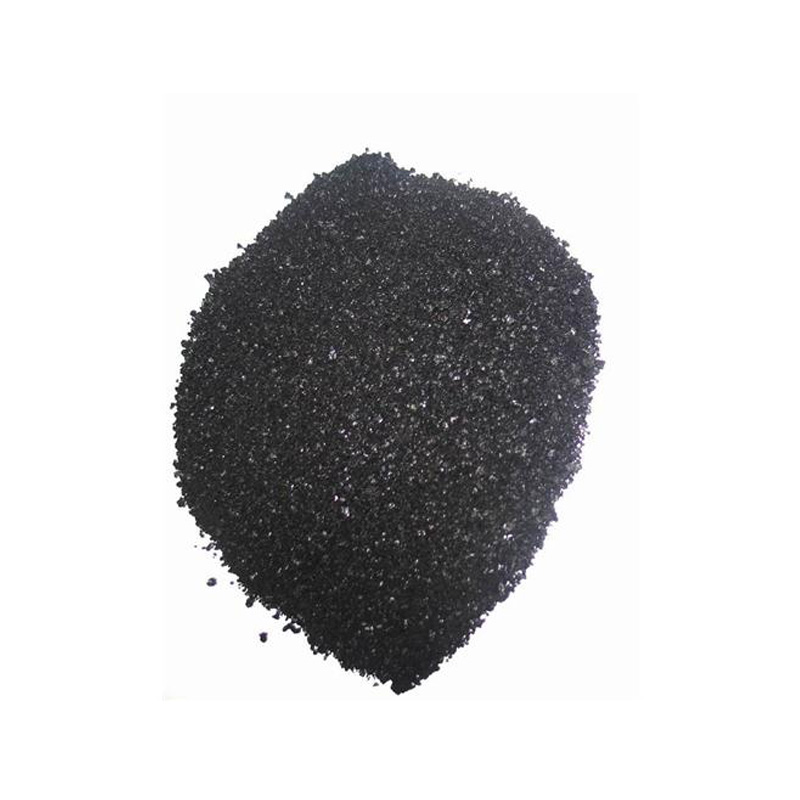
Sulphur Black
1.Name: sulphur black; Sulfur Black; Sulphur Black 1;
2.Structure formula:
3.Molecule formula: C6H4N2O5
4.CAS No.: 1326-82-5
5.HS code: 32041911
6.Product specification:Appearance:black phosphorus flakes; black liquid
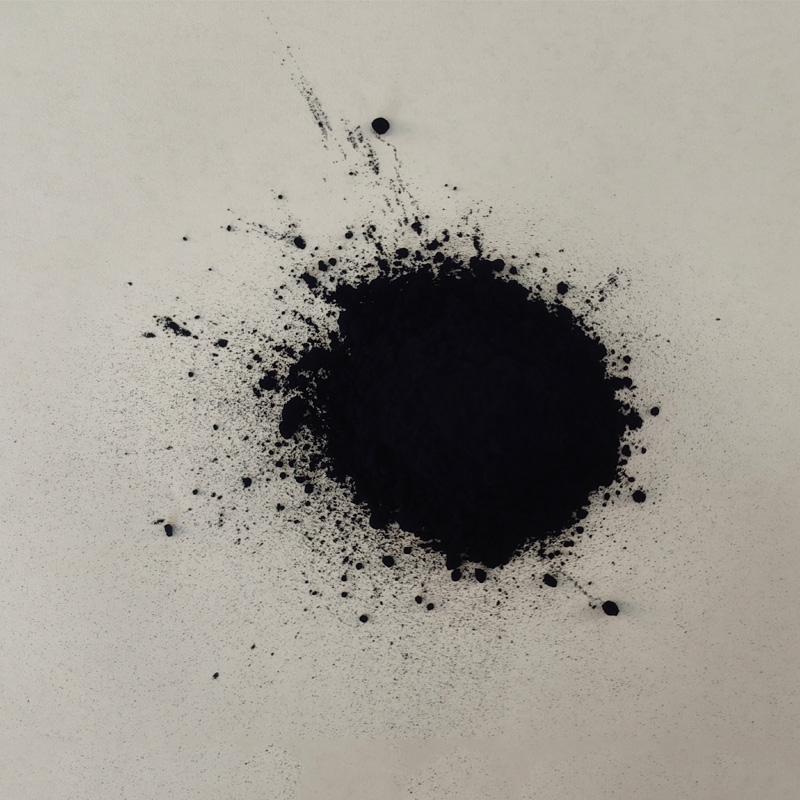
Bromo Indigo; Vat Bromo-Indigo; C.I.Vat Blue 5
1.Name: Bromo indigo; Vat bromo-indigo; C.I.Vat blue 5;
2.Structure formula:
3.Molecule formula: C16H6Br4N2O2
4.CAS No.: 2475-31-2
5.HS code: 3204151000 6.Major usage and instruction: Be mainly used to dye cotton fabrics.
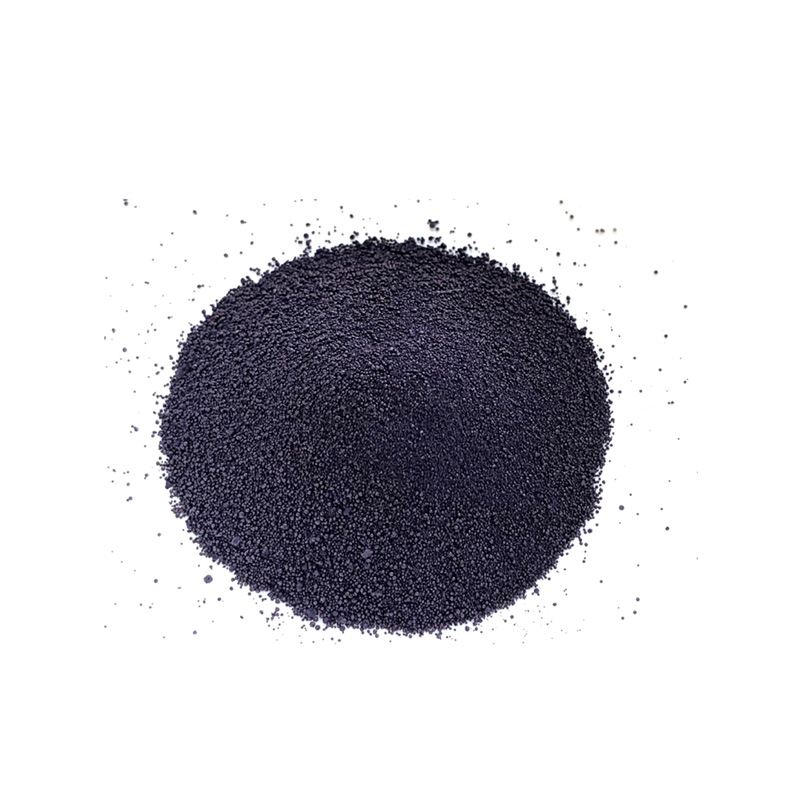
Indigo Blue Vat Blue
1.Name: indigo blue,vat blue 1,
2.Structure formula:
3.Molecule formula: C16H10N2O2
4.. CAS No.: 482-89-3
5.Molecule weight: 262.62
6.HS code: 3204151000
7.Major usage and instruction: Be mainly used to dye cotton fabrics.