

Exploring Indigo Powder Black: Sustainable Pigment for Modern Industries
A Quick Dive Into Indigo Powder Black: What and Why It Matters
If you’ve stumbled upon the term indigo powder black, you might be wondering what it really is and why so many industries around the world are talking about it. At first glance, it sounds like just another pigment or dye, but it’s far more than that. Globally, indigo powder black is connected not just to traditional coloring techniques but to sustainable manufacturing, textile innovation, and even emerging green technologies. Understanding it means unlocking a host of benefits—from eco-friendly production to supporting artisanal economies across continents.
In fact, according to the Wikipedia page on indigo dye, this pigment has been a cultural staple for thousands of years, yet modern shifts towards sustainability have sparked renewed interest and innovation in its applications.
Global Perspective: Why Indigo Powder Black Is Gaining Ground
Globally, the demand for natural dyes is projected to grow significantly—largely due to heightened consumer awareness around sustainability and toxic chemical reduction. The textile industry alone, per a 2023 ISO sustainability report, accounts for roughly 20% of global wastewater output. Indigo powder black, being biodegradable and traditionally extracted, offers a cleaner alternative to synthetic dyes.
However, scaling this natural pigment remains a challenge. Modern textile manufacturers grapple with colorfastness and sourcing consistency. This problem has led innovators to refine extraction techniques and combine the powder with other materials to enhance durability and usability in industrial applications.
In a nutshell, indigo powder black matters because it sits at the crossroads of preserving ancient craftsmanship and meeting modern industry needs responsibly.
What Exactly Is Indigo Powder Black?
Simply put, indigo powder black is a finely ground pigment derived mainly from the indigofera plant genus. It traditionally produces a deep, dark blue color, but when processed or blended carefully, it yields variations including a rich black tint. This pigment is prized not only for its unique shade but also for its biodegradability and lack of synthetic chemicals.
In the modern world, it’s not just about dyes for fabric. Industries ranging from cosmetics to electronics now explore indigo powder black for coatings, inks, and even eco-friendly battery components due to its organic carbon content.
Core Components & Key Factors Influencing Indigo Powder Black’s Use
1. Purity & Extraction Methods
The quality of indigo powder black hinges on the extraction process. Traditional fermentation, chemical synthesis, and enzymatic methods all produce different purities and pigment particle sizes, affecting color depth and usability.
2. Durability & Colorfastness
For textiles and coatings, how well the color lasts under washing, sunlight, and wear matters a lot. Many engineers say natural indigo requires binding agents or treatment to meet industrial durability standards.
3. Environmental Impact
Because it’s plant-based, indigo powder black comes with an inherently lower carbon footprint compared to synthetic dyes. But water usage and land impact remain considerations for sustainable sourcing.
4. Versatility & Scalability
Its use beyond fabrics—from artisan crafts to chemical industries—depends on how well the powder integrates with other materials and if it can be mass-produced without losing quality.
5. Cost Efficiency
While pricier than synthetic analogs, many brands find that long-term brand value and lower environmental compliance costs make it competitive.
Mini takeaway:
The interplay between purity, durability, cost, and environmental footprint shapes how and where indigo powder black can thrive.
Where Is Indigo Powder Black Actually Used?
The real-world use cases are surprisingly varied. In India, one of the largest producers, artisans craft handwoven textiles dyed with indigo powder black—garments cherished worldwide for their unique hues and eco-conscious story.
In Europe and North America, eco-fashion brands harness it for sustainable collections, while startup labs experiment with it as a natural ink for packaging and even bio-batteries.
Oddly enough, indigo powder black is also making quiet waves in industrial design—coatings that protect machinery while reducing toxic waste streams.
Here’s a quick glance at main applications:
- Textile dyeing (traditional and industrial)
- Cosmetics, like eyeliners and hair products
- Eco-friendly inks and printing
- Battery anode coatings in green energy
- Protective coatings with biodegradable features
Product Specification Table: Indigo Powder Black Overview
| Specification | Details |
|---|---|
| Form | Fine powder |
| Color Range | Dark blue to black variants |
| Particle Size | 5-20 microns |
| Solubility | Insoluble in water; requires alkaline solvents for dyeing |
| Sustainability | Biodegradable and renewable plant source |
| Typical Usage | Textile dyeing, eco inks, coatings |
Comparing Popular Indigo Powder Black Vendors
| Vendor | Origin | Certifications | Price per kg (USD) | Special Features |
|---|---|---|---|---|
| Wuxin Group | China | ISO 14001, GOTS | $15 | High purity, eco-friendly extraction |
| Indigo Naturals | India | Fair Trade, Organic | $18 | Artisanal sourcing from local farmers |
| EcoDye Solutions | Europe | REACH, OEKO-TEX | $20 | Sustainable mass production techniques |
Advantages & Why It’s Worth the Investment
Frankly, choosing indigo powder black feels like investing in a product with a story—and a future. It’s not just about color. It’s about trust, heritage, sustainability, and innovation all wrapped in one fine powder.
From a logical standpoint, you’re looking at reduced environmental impacts (less toxic runoff), enhanced brand value for green-conscious consumers, and often a better working environment for producers. Emotionally, many brands say it helps connect their customers to traditional culture, boosting a sense of dignity and identity.
Looking Ahead: The Future of Indigo Powder Black
Looking forward, a handful of startups and research centers are marrying biotechnology with indigo powder black extraction to create even purer, more consistent pigments without harming the environment. Digital printing with natural dyes and bio-based inks seem right around the corner.
Plus, climate-conscious policy changes globally (ISO’s sustainability push, EU eco-labeling) are nudging manufacturers to embrace natural pigment solutions. It feels like the right time for indigo powder black to take center stage.
Challenges & Clever Solutions
Of course, no product is without its quirks. Indigo powder black can be tricky to standardize. Variations in plant source, soil, and extraction can cause quality swings. Colorfastness can sometimes lag behind synthetics.
Experts recommend combining it with natural fixatives or developing hybrid pigments. Moreover, expanding local farming with sustainable agriculture techniques can improve supply chains. So, the key lies in collaboration between growers, manufacturers, and researchers—a classic industry puzzle.
FAQ: What People Usually Ask About Indigo Powder Black
- Is indigo powder black safe for sensitive skin?
- Yes, when properly processed, it's known for being gentle and natural, often used in cosmetic products like eyeliners. However, always check for allergens or impurities depending on the vendor.
- How long does the color last on textiles?
- Natural indigo-based blacks typically hold up well but may fade faster than synthetic dyes unless treated with fixatives or used in layered dyeing processes.
- Can indigo powder black be used in eco-friendly battery technology?
- Research is underway showing promise, especially given its organic carbon content, helping create sustainable and renewable battery components.
- How can small businesses source high-quality indigo powder black?
- Vendors like Wuxin Group offer certified sustainable options with supply chain transparency, suitable for small to medium enterprises seeking consistency.
Final Thoughts & Invitation
So, indigo powder black is more than just a pigment. It’s a bridge between age-old tradition and the future of sustainable manufacturing—a product that can boost not only your brand’s profile but also its ethical footprint.
If you’re curious to explore real, high-quality indigo powder black and how it can fit your projects, you might want to start by visiting Wuxin Group. The world is shifting toward better choices—and this humble powder is quietly leading the way.
Until next time, keep an eye on the colors you bring into your life—they might tell more stories than you expect.
References
-
Mastering the Art of China Japanese Indigo Dyeing Traditions
NewsApr.16,2026
-
Exploring the Elegance of China Deep Indigo Color in Textiles
NewsApr.09,2026
-
Discover High Quality China Jeans Blue Indigo for Global Markets
NewsApr.07,2026
-
Exploring the Rich Tradition of China Natural Indigo Dyed Fabric
NewsApr.04,2026
-
Exploring China Indigo Color in Nature History and Modern Applications
NewsMar.31,2026
-
Discover High Quality China Pure Indigo Powder for Vibrant Natural Dyeing
NewsMar.28,2026
-
Exploring the Rich History of China True Blue Indigo Textiles
NewsMar.26,2026
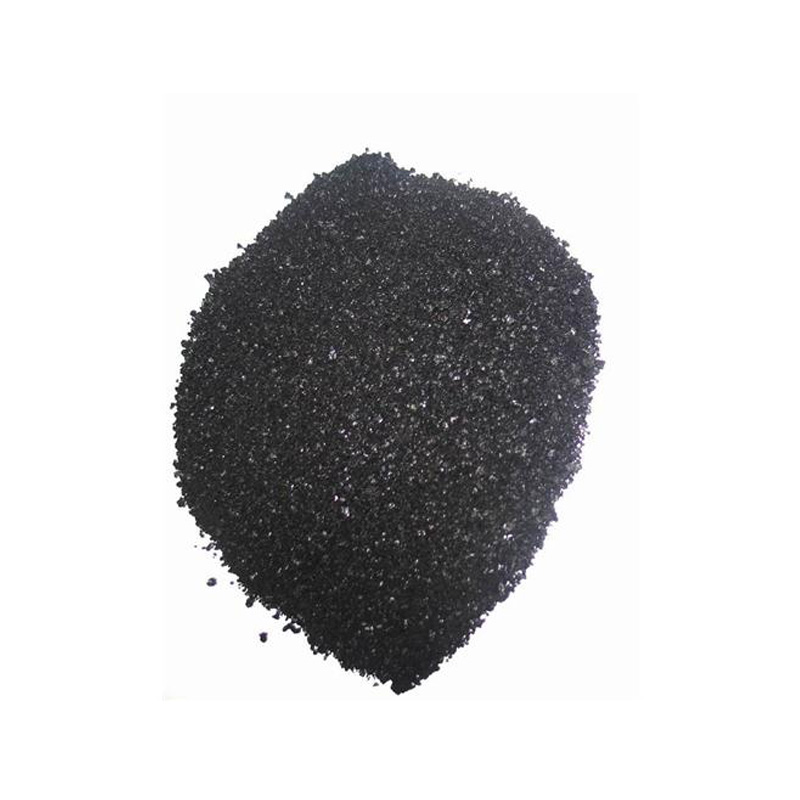
Sulphur Black
1.Name: sulphur black; Sulfur Black; Sulphur Black 1;
2.Structure formula:
3.Molecule formula: C6H4N2O5
4.CAS No.: 1326-82-5
5.HS code: 32041911
6.Product specification:Appearance:black phosphorus flakes; black liquid
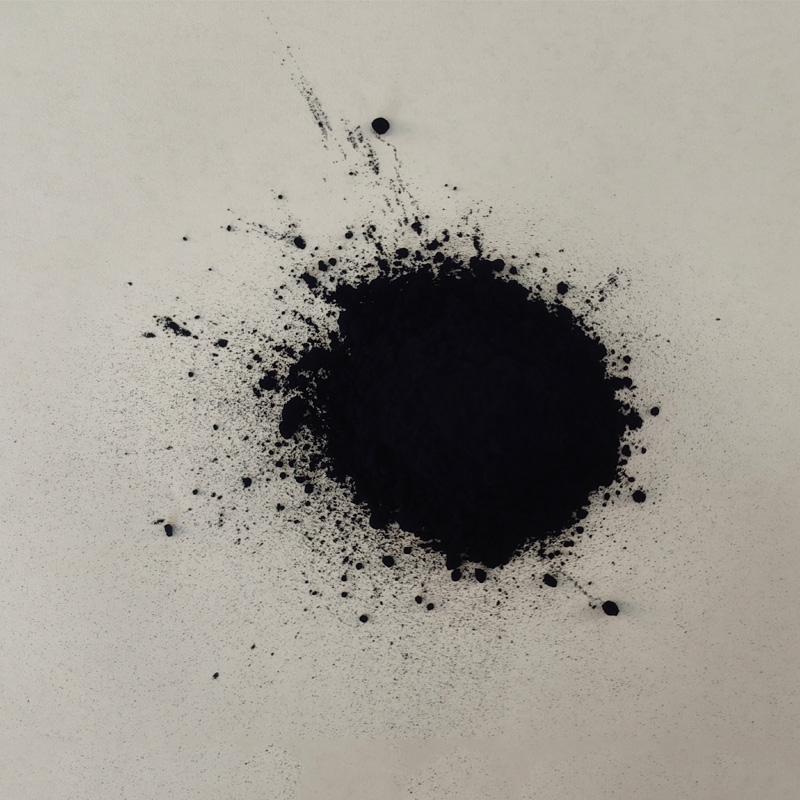
Bromo Indigo; Vat Bromo-Indigo; C.I.Vat Blue 5
1.Name: Bromo indigo; Vat bromo-indigo; C.I.Vat blue 5;
2.Structure formula:
3.Molecule formula: C16H6Br4N2O2
4.CAS No.: 2475-31-2
5.HS code: 3204151000 6.Major usage and instruction: Be mainly used to dye cotton fabrics.
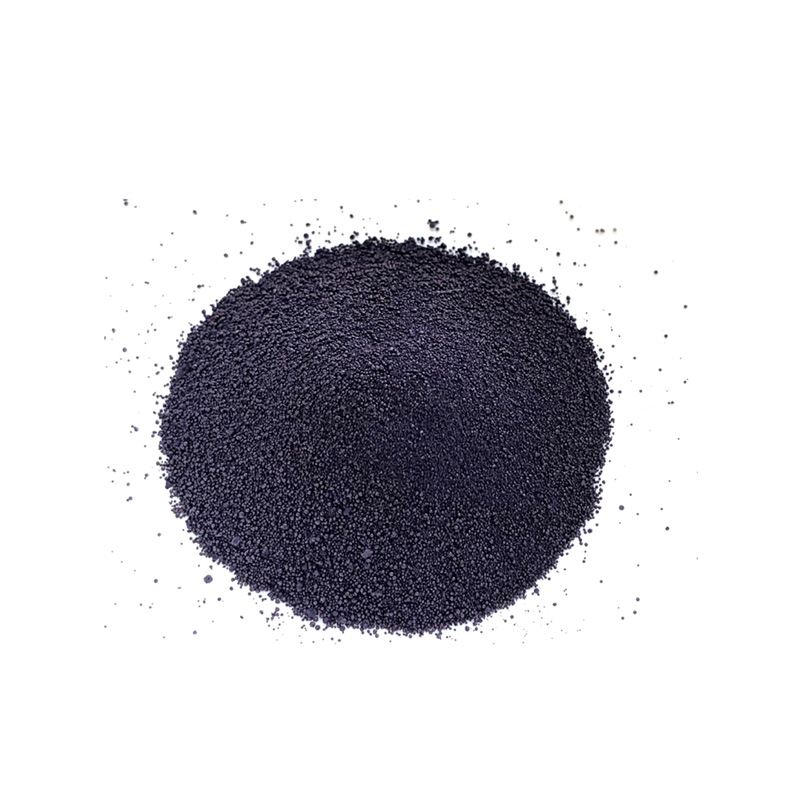
Indigo Blue Vat Blue
1.Name: indigo blue,vat blue 1,
2.Structure formula:
3.Molecule formula: C16H10N2O2
4.. CAS No.: 482-89-3
5.Molecule weight: 262.62
6.HS code: 3204151000
7.Major usage and instruction: Be mainly used to dye cotton fabrics.