

High Quality Indigo Dyed Denim: Durable, Sustainable, and Globally Relevant Fabric
Understanding High Quality Indigo Dyed Denim: Craft, Context, and Global Impact
High quality indigo dyed denim might sound like just another fashion buzzword, but in truth, it's a fabric woven deeply into the fabric—quite literally—of global apparel, culture, and economy. Why does it matter? Well, this denim symbolizes craftsmanship, durability, and cultural identity worldwide. Knowing its nuances helps us appreciate not only the jeans in our wardrobe but also the complex supply chains, environmental concerns, and craftsmanship traditions behind them.
Introduction: The Global Importance of High Quality Indigo Dyed Denim
Denim is one of the most universally recognized textiles, with Wikipedia noting its origins in the 19th century as hardworking fabric for laborers. But it's the indigo dye—the deep blue color that defines classic denim—that makes it special. Around 5 billion pairs of jeans are sold globally every year, according to industry reports, showing its massive scale.
However, there are sustainability and quality challenges in denim production worldwide. Low-grade indigo dyed denim often fades quickly, wears thin, and involves environmentally harmful dyeing processes. High quality indigo dyed denim addresses these issues by combining longevity, aesthetic appeal, and greener dyeing technologies, making it a critical element in sustainable fashion efforts endorsed by organizations such as the International Organization for Standardization (ISO).
Defining High Quality Indigo Dyed Denim
So what exactly is "high quality indigo dyed denim"? Simply put, it is denim fabric that is dyed using superior indigo dyeing methods and crafted to offer exceptional durability, color retention, and comfort. Unlike cheap denim, this fabric stays true to its deep blue hue through many wears and washes, maintains structural integrity, and often involves environmentally conscious production processes.
This denim doesn’t just serve fashion purposes; it supports industries that depend on resilient, reliable fabrics for uniforms and protective clothing, reflecting how intertwined textile quality is with humanitarian and industrial needs worldwide.
Key Components That Define Quality in Indigo Dyed Denim
1. Durability
The hallmark of high quality denim is its ability to withstand everyday wear and tear. Typically woven with a tighter twill pattern and made from long-staple cotton fibers, it resists shredding and retains shape well. This makes it ideal for everything from rugged workwear to stylish everyday apparel.
2. Color Fastness and Dyeing Techniques
High quality indigo dyed denim uses specialized dyeing techniques, like rope dyeing or sulfur dye blends, to achieve depth and consistency in the blue color. These methods ensure the dye penetrates fabric fibers effectively and ages gracefully with that classic faded look instead of a dull or patchy fade.
3. Sustainability
With rising environmental awareness, producers now focus heavily on sustainable indigo dyeing—and that’s no small feat. Innovations such as natural indigo extraction and reduced water use confirm that premium denim is not only better for wearers but also kinder to the planet.
4. Comfort and Hand Feel
Okay, denim is traditionally stiff—but high quality denim balances toughness with a surprisingly soft hand feel, thanks to pre-washing and refining treatments that keep fabrics breathable and comfortable against the skin.
5. Scalability & Production Consistency
Whether a boutique brand or a global manufacturer, replicating top-tier indigo dye results at scale is challenging. High quality denim producers manage this with strict quality controls, ensuring every yard meets elevated standards.
Product Specifications: Typical High Quality Indigo Dyed Denim
| Specification | Description |
|---|---|
| Material | 100% Long-staple cotton |
| Weave Type | Right-hand twill (3/1) |
| Weight | 12-14 oz per sq yd (heavyweight) |
| Dyeing Method | Rope or slasher indigo dyeing |
| Color Fastness | High, fades gradually and characteristically |
Global Vendors of Indigo Dyed Denim: A Comparison
| Vendor | Country | Key Strength | Sustainability Focus |
|---|---|---|---|
| Wuxin Group | China | State-of-the-art rope dyeing; scalable production | High; natural indigo blending and water reduction |
| Cone Denim | USA | Heritage quality, premium selvage denim | Medium; some initiatives for eco-friendliness |
| Kaihara Denim | Japan | Craftsmanship, unique indigo blends | High; focus on natural dyes and zero waste |
Global Applications & Use Cases for High Quality Indigo Dyed Denim
High quality indigo dyed denim finds its place far beyond the casual jean market. For example, industrial workers in heavy machinery operations rely on the fabric’s durability. In fact, some humanitarian groups equip disaster relief teams with denim garments for their durability and comfort under harsh conditions.
Fashion capitals such as Tokyo, Milan, and Los Angeles set trends that ripple worldwide, but oddly enough, practical utility remains denim's core appeal—whether a farmer in Brazil or a mechanic in Germany, high quality indigo dyed denim endures.
Advantages & Long-Term Value
- Longevity: Fewer replacements mean less waste.
- Sustainability: Improving dye and production methods reduce water and chemical use.
- Social Impact: Supports artisans and manufacturers committed to quality.
- Reliability: The fabric maintains comfort and appearance after countless wears.
On a personal level, there’s something reassuring about owning a product that ages well and feels like an old friend, you know? It’s trust and tradition woven in every thread.
Future Trends & Innovations in Indigo Dyed Denim
The future of indigo dyed denim leans into sustainability and technology. Digital dyeing techniques promise less water waste, while bio-indigo—indigo produced through bacterial fermentation—is emerging as a game-changer in eco-friendly dye production. Automation is also enhancing consistency and scalability, allowing vendors like Wuxin Group to lead in these innovations.
Challenges & Solutions
Still, challenges remain: consistent colorfastness on varying cotton qualities, balancing durability with softness, and ensuring sustainable practices reach smaller producers. Experts advocate close collaboration across the supply chain and innovation in fiber blends and dye chemistry to tackle these.
FAQ: Frequently Asked Questions About High Quality Indigo Dyed Denim
- What distinguishes high quality indigo dyed denim from cheaper versions?
High quality denim typically uses long-staple cotton, superior indigo dyeing methods like rope dyeing, and good construction techniques that ensure durability, color retention, and comfort—even after multiple washes. - How sustainable is indigo dyeing in denim production?
Traditional indigo dyeing can be water and chemical intensive, but newer methods like natural indigo extraction, closed-loop dyeing, and digital processes are dramatically reducing environmental footprints. - Can high quality denim workwear be washed frequently?
Yes, one of the advantages of high quality indigo dyed denim is its resilience—colors fade gracefully, and the fabric withstands repeated washing without losing its integrity. - Is it possible to order custom indigo denim for industrial or fashion uses?
Absolutely. Many vendors enable customization in weight, dye shade, and finishing, especially high quality indigo dyed denim producers who cater to both niche and large-scale buyers.
Conclusion
High quality indigo dyed denim is more than just fabric—it’s a crossroads of tradition, technology, sustainability, and practical utility. Its long-term benefits echo through durability, aesthetics, and environmental responsibility. Whether you’re a manufacturer, retailer, or consumer, understanding this fabric enhances appreciation for what jeans truly represent globally.
To explore premium options and learn more about sustainable indigo dyed denim solutions, be sure to visit our website: https://www.wuxin-group.com.
Oddly enough, denim remains one of those humble materials quietly shaping economies and cultures worldwide. It’s worth a little reflection next time you pull on that favorite pair.
Takeaway:
High quality indigo dyed denim bridges heritage craftsmanship and innovation, offering durability and sustainability that today’s conscious consumers and industries increasingly demand.
-
Mastering the Art of China Japanese Indigo Dyeing Traditions
NewsApr.16,2026
-
Exploring the Elegance of China Deep Indigo Color in Textiles
NewsApr.09,2026
-
Discover High Quality China Jeans Blue Indigo for Global Markets
NewsApr.07,2026
-
Exploring the Rich Tradition of China Natural Indigo Dyed Fabric
NewsApr.04,2026
-
Exploring China Indigo Color in Nature History and Modern Applications
NewsMar.31,2026
-
Discover High Quality China Pure Indigo Powder for Vibrant Natural Dyeing
NewsMar.28,2026
-
Exploring the Rich History of China True Blue Indigo Textiles
NewsMar.26,2026
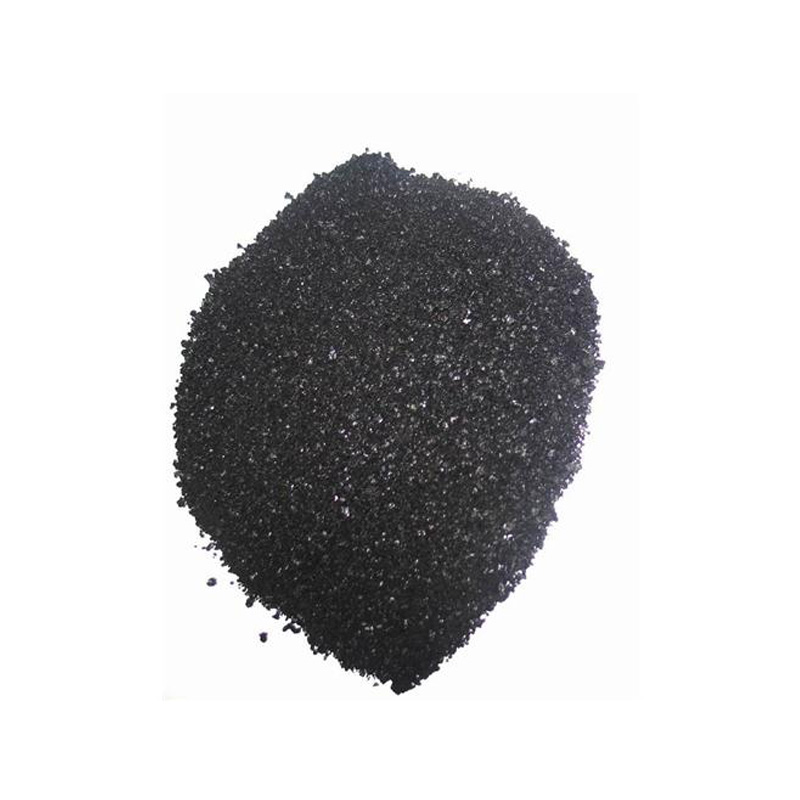
Sulphur Black
1.Name: sulphur black; Sulfur Black; Sulphur Black 1;
2.Structure formula:
3.Molecule formula: C6H4N2O5
4.CAS No.: 1326-82-5
5.HS code: 32041911
6.Product specification:Appearance:black phosphorus flakes; black liquid
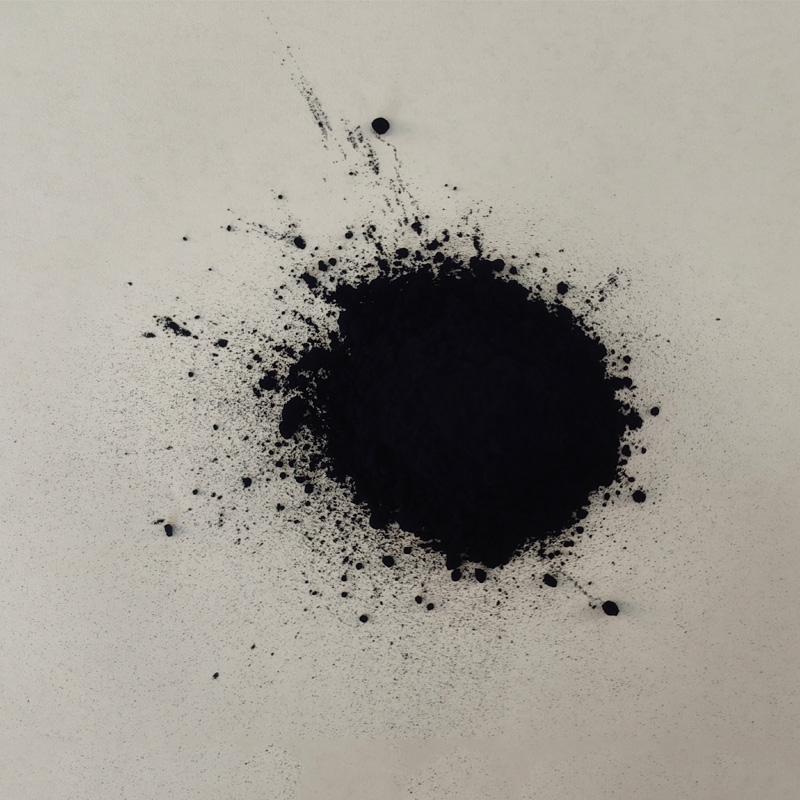
Bromo Indigo; Vat Bromo-Indigo; C.I.Vat Blue 5
1.Name: Bromo indigo; Vat bromo-indigo; C.I.Vat blue 5;
2.Structure formula:
3.Molecule formula: C16H6Br4N2O2
4.CAS No.: 2475-31-2
5.HS code: 3204151000 6.Major usage and instruction: Be mainly used to dye cotton fabrics.
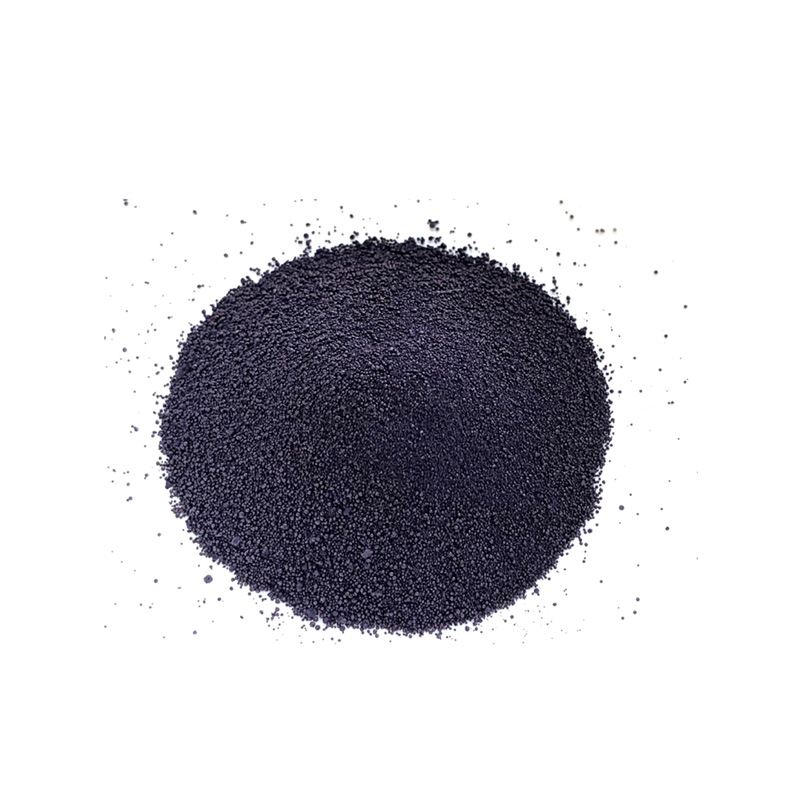
Indigo Blue Vat Blue
1.Name: indigo blue,vat blue 1,
2.Structure formula:
3.Molecule formula: C16H10N2O2
4.. CAS No.: 482-89-3
5.Molecule weight: 262.62
6.HS code: 3204151000
7.Major usage and instruction: Be mainly used to dye cotton fabrics.