

High Quality Dyes for Blue Jeans: Durability, Sustainability, and Global Impact
Understanding High Quality Dyes for Blue Jeans: Why They Matter Globally
Blue jeans — you probably have at least one pair in your wardrobe right now. The iconic indigo denim has become a global fashion staple, yet what many people don’t realize is just how important high quality dyes for blue jeans really are in this seemingly simple garment’s story. It’s more than just color; it’s about durability, sustainability, and even economic impact on multiple industries worldwide.
Globally, over 1.6 billion pairs of jeans are sold annually (textileindustryworld.com), driving demand for reliable dyes that not only create that perfect blue hue but also ensure longevity, colorfastness, and eco-friendliness. Understanding these dyes—what makes them high quality and why they are crucial—helps manufacturers reduce waste, consumers enjoy their clothing longer, and the planet breathe a little easier. The stakes are higher than you might expect.
Introduction: The Global Context of High Quality Dyes for Blue Jeans
The fashion industry accounts for almost 10% of global carbon emissions, according to the United Nations Environment Programme (UNEP). Denim production is one of the bigger players, especially given the massive volume of jeans sold worldwide every year. The dyes used for blue jeans, often synthetic indigo, directly influence the environmental footprint and product lifecycle.
High quality dyes are key to addressing diverse challenges — from minimizing toxic water runoff during denim manufacture to ensuring jeans retain their iconic color without frequent rewashing. Many factories operate in countries with developing environmental regulations, meaning the dyes selected must meet international standards for sustainability and safety. Therein lies the challenge manufacturers face: producing attractive, long-lasting denim that aligns with tighter ecological rules.
What Exactly Are High Quality Dyes for Blue Jeans?
Put simply, high quality dyes for blue jeans refer to chemical compounds specifically formulated to impart deep, vibrant, and durable blue colors to denim fabric without degrading their strength or harming the environment excessively.
These dyes typically include synthetic indigo and various reactive and vat dye variants, engineered to bind effectively with cotton fibers — the primary denim fabric. The ‘high quality’ attribute means they have excellent color fastness (resistance to fading), are less water and energy intensive to apply, and ideally biodegrade or recycle more effectively compared to older formulations.
This matters not only to garment manufacturers and consumers but also fulfills modern industry imperatives for sustainability and less toxic production. And, frankly, the dye quality can influence a jean’s feel and consumer satisfaction far more than we realize until it fades or stains prematurely.
Core Components of High Quality Dyes for Blue Jeans
1. Durability: Colorfastness and Wear Resistance
The best dyes ensure that jeans don't lose their characteristic blue through multiple washes or exposure to sunlight. Durability means fewer jeans discarded because of fading, which reduces textile waste. It’s a simple win for anyone aiming for sustainable fashion.
2. Environmental Impact: Low Toxicity and Biodegradability
Traditional dyes often contain heavy metals or hazardous chemicals. High quality dyes tend to avoid these, following ISO environmental standards, and use formulations that reduce harmful wastewater discharge during production.
3. Energy & Water Efficiency
Applying these dyes often requires less energy and water — a big deal given the huge water footprint of denim manufacturing. Low-impact dyeing processes help factories cut costs while lessening their environmental footprint.
4. Scalability & Compatibility
High quality dyes should be adaptable across various machines, fabric types, and production scales. Whether producing 10,000 or a million pairs, the dye process needs to be reliable and reproducible.
5. Cost Efficiency
While premium dyes may cost more upfront, their benefits—like reduced waste and longer-lasting garments—often offset initial expenses. Manufacturers who invest here typically find a strong return on investment.
Mini Takeaway:
At the heart, high quality dyes for blue jeans balance durability and sustainability with practical concerns like cost and process adaptability — integral factors for today's denim producers.
Technical Specifications: Common Blue Jeans Dye Types
| Dye Type | Color Fastness | Environmental Impact | Application Method |
|---|---|---|---|
| Synthetic Indigo | High | Moderate (improving) | Vat Dyeing |
| Reactive Dyes | Moderate | Low | Pad-Dry-Cure |
| Sulfur Dyes | High | Higher (Waste concerns) | Vat Dyeing |
Global Applications & Use Cases
Blue jeans are a global commodity with manufacturing hubs spread across Asia, Latin America, and parts of Europe. Each region relies on high quality dyes that meet their regulatory landscape and consumer expectations.
- Asia: Countries like China, Bangladesh, and India dominate textile dyeing. Many facilities focus increasingly on eco-friendly dyes to comply with stricter export market standards (EU, US).
- Europe: Denim producers use premium dyes aligning with the EU’s REACH chemical safety regulation to ensure sustainable fashion from the start.
- Latin America: Growing markets in Mexico and Colombia favor dyes with efficient water usage, supporting local water conservation efforts.
In real terms, NGOs and humanitarian groups that supply durable clothing for use in disaster relief or refugee contexts often prioritize jeans dyed with these robust, safe dyes — since clothing is key for dignity and practical protection in difficult environments.
Vendor Comparison Table: Leading Suppliers of Blue Jeans Dyes
| Vendor | Eco Certification | Price Range (USD/kg) | Application Type | Region Focus |
|---|---|---|---|---|
| Wuxin Group | OEKO-TEX, Bluesign | $15 - $30 | Vat & Reactive | Global |
| DyStar | ISO14001 | $18 - $35 | Reactive, Direct | Europe, Asia |
| Archroma | bluesign, ZDHC | $20 - $40 | Vat, Reactive | Global |
Advantages and Long-Term Value
Choosing high quality dyes for blue jeans brings multiple benefits:
- Cost Savings: Longer-lasting color means fewer returns and less wasteful overproduction.
- Sustainability: Lower water use and pollution contribute positively to environmental goals.
- Social Impact: Safer chemicals mean healthier workers and communities near manufacturing plants.
- Consumer Trust: Eco-conscious buyers increasingly demand products that feel good inside and out.
It’s not just business — it’s about feeling confident in what you wear and how it was made. Frankly, I find that the right dye translates into jeans that hold memories longer — from weekend adventures to daily grind, it’s about trust in quality.
Future Trends & Innovations
The industry is evolving with greener chemistry, digital printing, and automation gaining ground. You might soon see:
- Bio-based dyes: Derived from plants or microbes, reducing reliance on fossil fuels.
- Waterless Dye Technologies: Innovations like supercritical CO2 dyeing cut water use to nearly zero.
- Smart Dyes: Changing colors or repairing wear, adding functional innovation.
- Blockchain for Supply Chain Transparency: Letting customers verify dye origin and environmental compliance.
Challenges & Expert Solutions
Despite advances, challenges remain:
- Cost Barriers: Premium dyes can be pricier upfront, deterring smaller manufacturers.
- Process Compatibility: Older factories sometimes struggle to adopt newer dye tech.
- Regulatory Complexity: Keeping up with varied regional standards can be daunting.
Industry experts recommend collaborative R&D, flexible equipment upgrades, and global certification schemes to overcome these hurdles — essentially making the high quality dye transition more accessible across the board.
FAQ: Common Questions about High Quality Dyes for Blue Jeans
- Q: What makes high quality dyes for blue jeans different from regular dyes?
- A: They offer improved colorfastness, reduced environmental impact, and better compatibility with denim fibers, ensuring a longer lasting and more sustainable product.
- Q: How do high quality dyes help reduce environmental damage?
- A: By using less water, avoiding harmful chemicals, and producing less toxic wastewater during the dyeing process, these dyes promote eco-friendly production methods.
- Q: Are these dyes more expensive, and is the cost justified?
- A: They often have a higher initial cost, but savings come from less waste, longer garment life, and meeting stricter environmental regulations — making it worthwhile in the long run.
- Q: Can small-scale manufacturers access these high quality dyes?
- A: Yes, through vendor partnerships and certifications that support scalable solutions, smaller producers are increasingly able to adopt sustainable dyeing methods.
- Q: Where can I find reliable suppliers of high quality dyes?
- A: Trusted vendors such as Wuxin Group, DyStar, and Archroma offer certified sustainable dyes with global reach.
Conclusion & Next Steps
High quality dyes for blue jeans represent a vital intersection of fashion, technology, and sustainability. Their thoughtful selection can help the jeans you wear not only look better for longer but also positively contribute to environmental and social health.
If you’re involved in garment manufacturing, textile procurement, or even a consumer curious about what makes your denim stand out, exploring these dye solutions pays off in multifaceted ways.
Ready to learn more or source your next batch of premium denim dyes? Do visit our website where high quality dyes for blue jeans meet innovation and responsibility.
Reflecting on this, it’s quite fascinating how something as seemingly simple as a dye can weave such a complex story—connecting chemistry, culture, and conscience worldwide.
References
-
Mastering the Art of China Japanese Indigo Dyeing Traditions
NewsApr.16,2026
-
Exploring the Elegance of China Deep Indigo Color in Textiles
NewsApr.09,2026
-
Discover High Quality China Jeans Blue Indigo for Global Markets
NewsApr.07,2026
-
Exploring the Rich Tradition of China Natural Indigo Dyed Fabric
NewsApr.04,2026
-
Exploring China Indigo Color in Nature History and Modern Applications
NewsMar.31,2026
-
Discover High Quality China Pure Indigo Powder for Vibrant Natural Dyeing
NewsMar.28,2026
-
Exploring the Rich History of China True Blue Indigo Textiles
NewsMar.26,2026
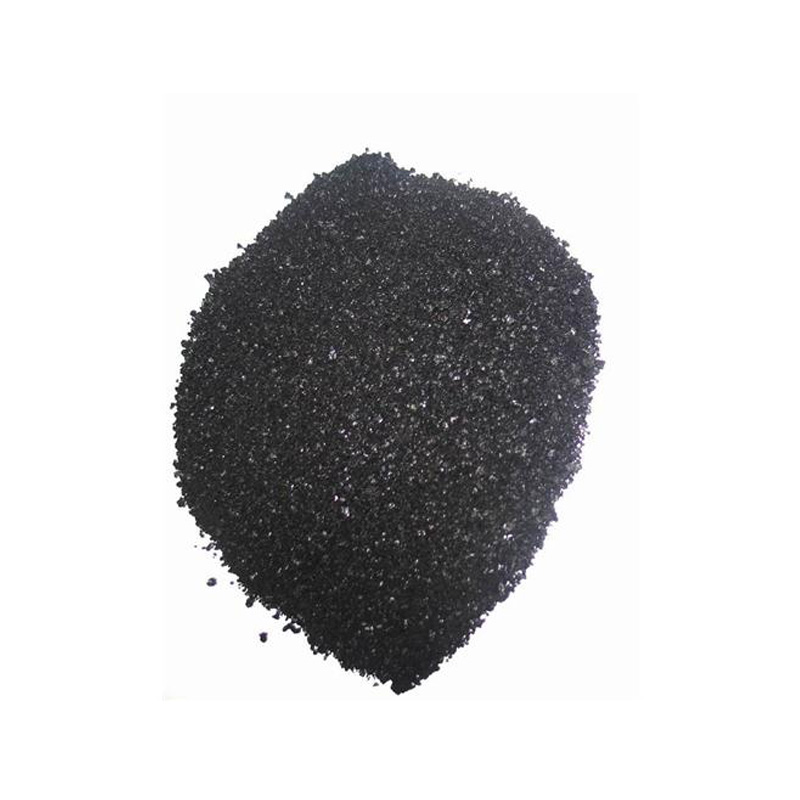
Sulphur Black
1.Name: sulphur black; Sulfur Black; Sulphur Black 1;
2.Structure formula:
3.Molecule formula: C6H4N2O5
4.CAS No.: 1326-82-5
5.HS code: 32041911
6.Product specification:Appearance:black phosphorus flakes; black liquid
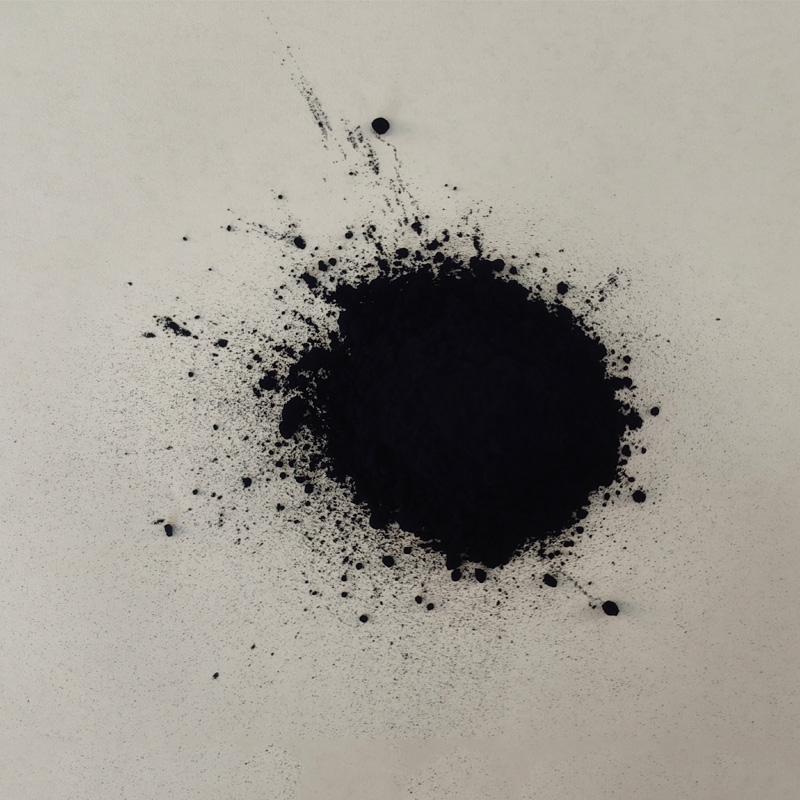
Bromo Indigo; Vat Bromo-Indigo; C.I.Vat Blue 5
1.Name: Bromo indigo; Vat bromo-indigo; C.I.Vat blue 5;
2.Structure formula:
3.Molecule formula: C16H6Br4N2O2
4.CAS No.: 2475-31-2
5.HS code: 3204151000 6.Major usage and instruction: Be mainly used to dye cotton fabrics.
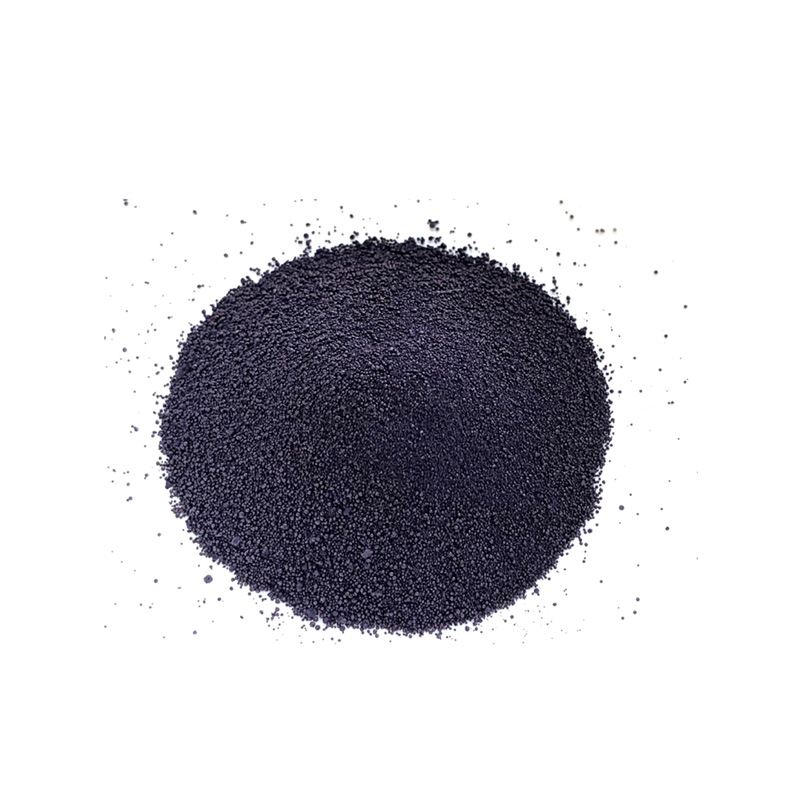
Indigo Blue Vat Blue
1.Name: indigo blue,vat blue 1,
2.Structure formula:
3.Molecule formula: C16H10N2O2
4.. CAS No.: 482-89-3
5.Molecule weight: 262.62
6.HS code: 3204151000
7.Major usage and instruction: Be mainly used to dye cotton fabrics.