

High Quality Indigo Fabric – Sustainable, Durable & Global Textile Innovation
What Is High Quality Indigo Fabric and Why Does It Matter Globally?
High quality indigo fabric might sound like something you find in a trendy boutique, but honestly, it carries a global story far beyond fashion. At its core, this fabric is prized not just for its rich, timeless blue hue but for the sustainability, durability, and craftsmanship behind it. Worldwide, industries from apparel to home goods depend on indigo-dyed materials — and the ripple effects touch economies, traditional artisans, and environmental strategies.
Understanding high quality indigo fabric helps us appreciate more than just a pretty color. It reveals how we balance heritage crafts and modern technology, tackle pollution in textile dyeing, and support communities that rely on this craft for their livelihood. Plus, with the sustainable textile market expected to hit over $9 billion by 2025 (according to Statista), it’s clear indigo’s appeal is more than mere aesthetics — it’s a growing industrial and ecological force.
Mini takeaway: High quality indigo fabric connects past and present, tradition and innovation — a small thread weaving big global impacts.
The Global Context: Why Indigo Fabric is More Relevant Than Ever
Indigo dyeing is one of humanity’s oldest arts, dating back thousands of years. Modern industries are tapping into this ancient craft for reasons both practical and cultural. According to the UN Environment Programme, textile production accounts for around 20% of global industrial water pollution. Indigo dyeing, if done with careless synthetic chemicals, can harm rivers and ecosystems.
This challenge has sparked innovations in natural indigo dye processes and better wastewater treatment, making sustainable high quality indigo fabric production a real growth sector. Countries in Asia, Africa, and South America are hotspots for sustainable indigo fabric production — creating jobs while respecting ecosystems.
But it’s not without hurdles. The cost and expertise to produce consistent, vibrant, and environmentally-friendly indigo fabrics keep many smaller producers on the sidelines. Meeting global demand requires scaling up without losing quality or authenticity. That balancing act? It’s a puzzle for manufacturers and designers alike.
Mini takeaway: Indigo fabric’s global relevance ties to environmental limits, cultural heritage, and the need for innovation in sustainable textile production.
Defining High Quality Indigo Fabric: More Than Just Color
Let’s keep it simple. High quality indigo fabric refers to fabric dyed using premium indigo pigments—often natural or advanced synthetic versions—that deliver deep colorfastness, durability, and minimal environmental impact. But quality also means the fabric itself is strong, comfortable, and suited to the end use, whether jeans, upholstery, or artisanal products.
In real terms, high quality involves:
- Use of traditional or eco-friendly dyeing methods
- Consistent and rich blue color that resists fading
- Fabric base that complements the dye (cotton, hemp, silk blends)
- Manufacturing processes aligned with social and environmental standards
In humanitarian and industrial contexts, quality indigo fabric can become more than material — it can be a symbol of dignity in relief shelters, or a durable, trusted textile for workwear in tough climates. Its significance crosses beyond fashion and style.
Key Factors That Define High Quality Indigo Fabric
Durability and Colorfastness
Indigo dye, by nature, is somewhat different from other colorants because it doesn’t penetrate fibers deeply, but rather coats the surface. This lends the iconic fading and “wear-in” look jeans lovers adore. But quality indigo fabric ensures that even after repeated washes, the color remains rich and the fabric holds strong. This longevity is critical in both fashion and industrial uses.
Eco-Friendly Dyeing Techniques
Natural indigo is nobler than synthetic in terms of environmental impact, but it comes with consistency challenges. Many manufacturers now blend traditional vats with modern filtration and closed-loop processes to reduce chemical waste and water use, advancing the sustainability of high quality indigo fabrics.
Fabric Composition and Comfort
Cotton is king for indigo-dyed textiles, but blending cotton with hemp, linen, or even recycled fibers enhances texture and sustainability. The “hand feel” (how the fabric feels to the touch) is often a make-or-break factor for products marketing themselves as premium.
Scalability and Cost Efficiency
For manufacturers targeting larger markets, maintaining consistent quality at scale is a tightrope walk. High quality indigo can be pricier due to labor-intensive dyeing and natural materials, so innovation in dye vat management and mechanization is steadily evolving.
Cultural and Ethical Integrity
Lastly, many buyers now demand transparency. Artisans’ fair pay, environmentally sound production, and respect for traditional methods are part of the “quality” package. Without this, indigo fabric runs the risk of becoming just another mass market commodity.
Product Specification Table: Typical High Quality Indigo Fabric Attributes
| Attribute | Typical Value | Notes |
|---|---|---|
| Fabric Type | 100% Cotton or Cotton Blend | Hemp/cotton blends gaining popularity |
| Dye Type | Natural Indigo or Eco-friendly Synthetic | Colorfast with minimal environmental wastes |
| Weight | 180-350 GSM (grams/sq meter) | Varies by product application |
| Colorfastness | Grade 4 to 5 (ISO standard) | High resistance to fading and rubbing |
| Water Usage | Reduced by 30-50% in advanced processes | Compared to traditional indigo vats |
Global Applications & Use Cases of High Quality Indigo Fabric
High quality indigo fabric isn’t just for those vintage denim fans. Its deep blue charm finds itself in many surprising places worldwide. In the fashion capitals of Europe and North America, designers prize it in eco-conscious collections. Meanwhile, in regions like India and Japan, artisanal dyers uphold traditions that span generations.
Beyond apparel, NGOs have turned to rugged indigo textiles for relief shelters and durable workwear. Such textiles offer a compelling mix of visual appeal and endurance — crucial for harsh or remote environments. For example, in parts of Africa prone to climate shocks, fabrics dyed with sustainable indigo offer reusable, washable solutions that respect limited water resources.
Industrial sectors in emerging markets increasingly adopt these fabrics for protective clothing, balancing safety, comfort, and environmental footprints. Even home goods manufacturers now feature indigo-dyed upholstery and linens — marrying rustic aesthetics with high performance.
Mini takeaway: From artisan markets to disaster relief zones, high quality indigo fabric delivers value through versatility and reliability.
Advantages & Long-Term Value of Choosing High Quality Indigo Fabric
- Sustainability: Reduced chemical pollutants and water use help preserve ecosystems.
- Cost Efficiency: Longer service life means less frequent replacement — a win in resource-scarce contexts.
- Social Impact: Empowering traditional communities preserves culture and provides incomes.
- Aesthetic & Emotional Value: There’s a certain pride and dignity in wearing or using fabric steeped in story.
In an era where consumers crave both story and substance, high quality indigo fabric feels like a winning choice, blending heritage with forward-thinking manufacturing. The result? Products that stand the test of time, both physically and emotionally.
Future Trends & Innovations Shaping Indigo Fabric Production
Curiously, indigo fabric is becoming a playground for new tech. Digital dyeing methods aim to optimize pigment use and precision, reducing waste. Automation in vats coupled with IoT sensors monitor pH and temperature for perfect dye batches every time. Meanwhile, green chemistry is discovering botanical alternatives that could redefine the “blue” for decades to come.
On a bigger picture, policy pushes worldwide promote carbon neutrality and circular economies — helping fund research on recycling indigo-dyed materials and regenerative agriculture for indigo plants. Such trends suggest that the beloved indigo blue is here to evolve, not just survive.
Challenges & Company Approaches to Solve Them
Despite all positives, several challenges remain. Maintaining color consistency across large production runs is tricky—natural indigo varies seasonally. Similarly, scaling eco-friendly dyeing can be costly for smaller businesses.
Companies tackle these issues by combining traditional vats with synthetic blends, sharing dyeing facilities, or aligning with sustainability certifications. For instance, some producers use advanced filtration to recirculate water, while artisan communities pool resources for bulk orders.
Innovation coupled with collaboration feels like the key here — no single player can carry the burden, but together they can leverage technology and tradition efficiently.
Vendor Comparison Table: Indigo Fabric Suppliers Snapshot
| Supplier | Eco-certifications | Production Capacity (meters/month) | Price Range (USD/meter) | Key Strength |
|---|---|---|---|---|
| IndigoCraft Co. (India) | GOTS, Fair Trade | 80,000 | $6.00 - $8.50 | Strong artisan roots, organic cotton blends |
| BlueTone Textiles (Japan) | ISO 14001, EcoLabel | 50,000 | $8.00 - $10.00 | High tech vats, precision color matching |
| EcoIndigo (USA) | Cradle to Cradle Certified | 30,000 | $7.50 - $9.50 | Innovative synthetic-natural dye blends |
FAQ: Frequently Asked Questions About High Quality Indigo Fabric
Q1: Is natural indigo fabric more expensive than synthetic?
Yes, natural indigo usually costs more due to labor-intensive cultivation and dyeing. However, it offers environmental benefits and unique color variations that many buyers consider worth the premium.
Q2: How long does high quality indigo fabric typically last?
With proper care, high quality indigo fabric can last several years without significant fading or fabric degradation, especially when made from durable cotton blends and dyed using modern sustainable processes.
Q3: Can indigo fabric be recycled or reused effectively?
While challenging, recent innovations in textile recycling are making it easier to recover indigo fabrics for upcycling or fiber recovery, especially when combined with circular economy initiatives.
Q4: How can small businesses source certified high quality indigo fabric?
Many suppliers offer minimum order quantities suitable for SMEs. Establishing direct contact or working through sustainable textile brokers can help secure authentic, eco-certified fabric at reasonable prices.
Q5: What are the environmental benefits of using high quality indigo fabric?
It reduces chemical runoff, saves water through advanced dyeing technologies, and supports ethical labor practices, contributing to lower overall environmental footprint compared to conventional textiles.
Conclusion: Why Investing in High Quality Indigo Fabric Pays Off
High quality indigo fabric is more than a textile choice — it’s a commitment to sustainability, culture, and durability. Whether you’re an apparel designer seeking eco-friendly materials or a manufacturer focused on innovation, understanding the nuances of indigo fabric opens doors to both business success and positive social impact.
Visit us today at https://www.wuxin-group.com to explore premium high quality indigo fabric options crafted for your needs.
Thanks for reading — it feels like the kind of topic that blends traditional craftsmanship and modern thinking in a rare and beautiful way. Indigo isn’t just blue; it’s a story we carry forward.
References:
1. United Nations Environment Programme, www.unep.org
2. Statista Textile Market Forecast, www.statista.com
3. ISO 105-A02:2014 - Textiles—Tests for colorfastness, www.iso.org
-
Mastering the Art of China Japanese Indigo Dyeing Traditions
NewsApr.16,2026
-
Exploring the Elegance of China Deep Indigo Color in Textiles
NewsApr.09,2026
-
Discover High Quality China Jeans Blue Indigo for Global Markets
NewsApr.07,2026
-
Exploring the Rich Tradition of China Natural Indigo Dyed Fabric
NewsApr.04,2026
-
Exploring China Indigo Color in Nature History and Modern Applications
NewsMar.31,2026
-
Discover High Quality China Pure Indigo Powder for Vibrant Natural Dyeing
NewsMar.28,2026
-
Exploring the Rich History of China True Blue Indigo Textiles
NewsMar.26,2026
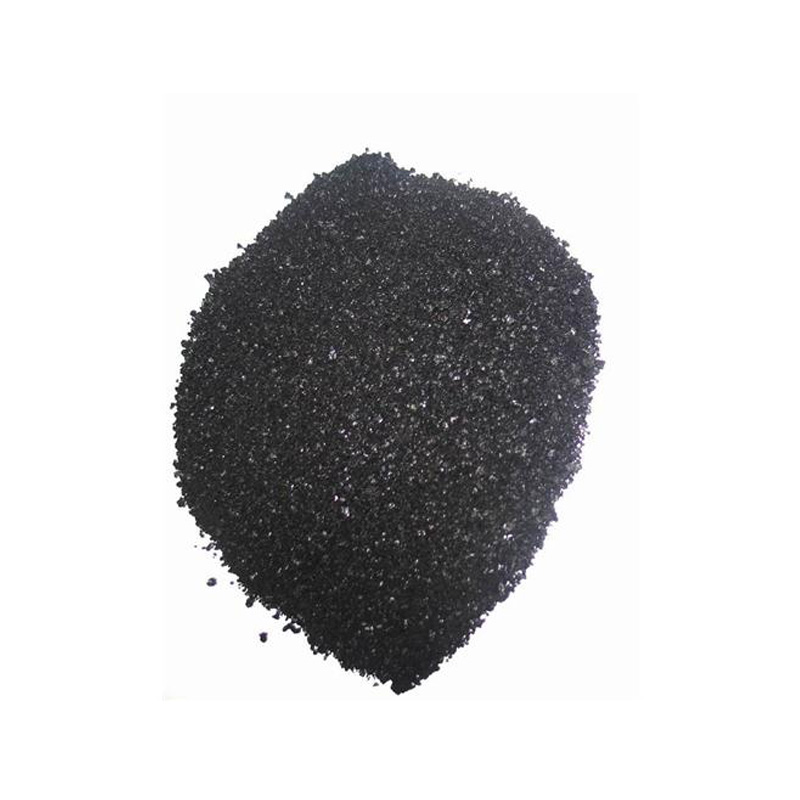
Sulphur Black
1.Name: sulphur black; Sulfur Black; Sulphur Black 1;
2.Structure formula:
3.Molecule formula: C6H4N2O5
4.CAS No.: 1326-82-5
5.HS code: 32041911
6.Product specification:Appearance:black phosphorus flakes; black liquid
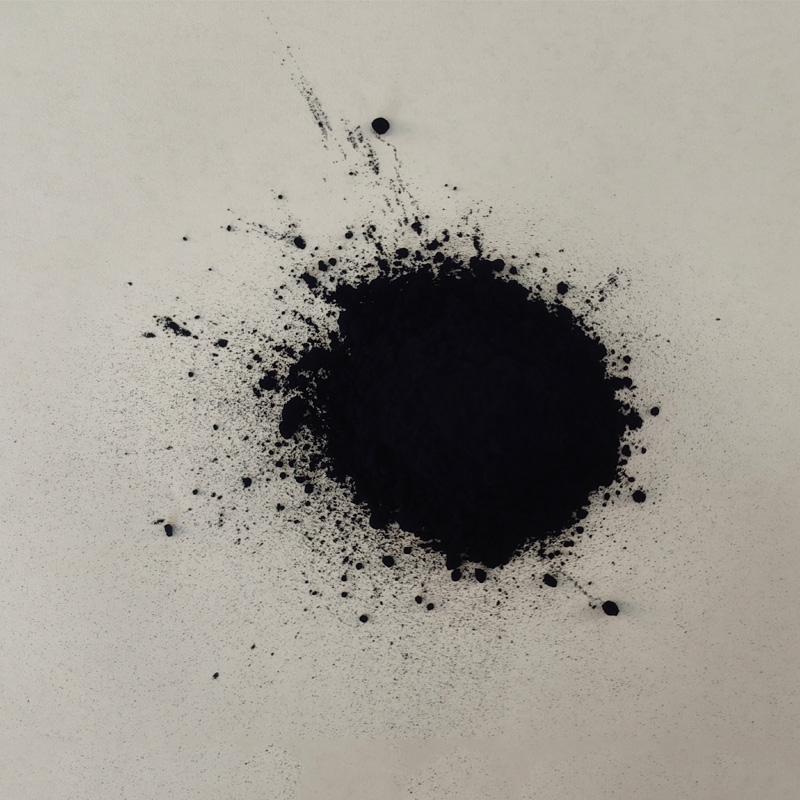
Bromo Indigo; Vat Bromo-Indigo; C.I.Vat Blue 5
1.Name: Bromo indigo; Vat bromo-indigo; C.I.Vat blue 5;
2.Structure formula:
3.Molecule formula: C16H6Br4N2O2
4.CAS No.: 2475-31-2
5.HS code: 3204151000 6.Major usage and instruction: Be mainly used to dye cotton fabrics.
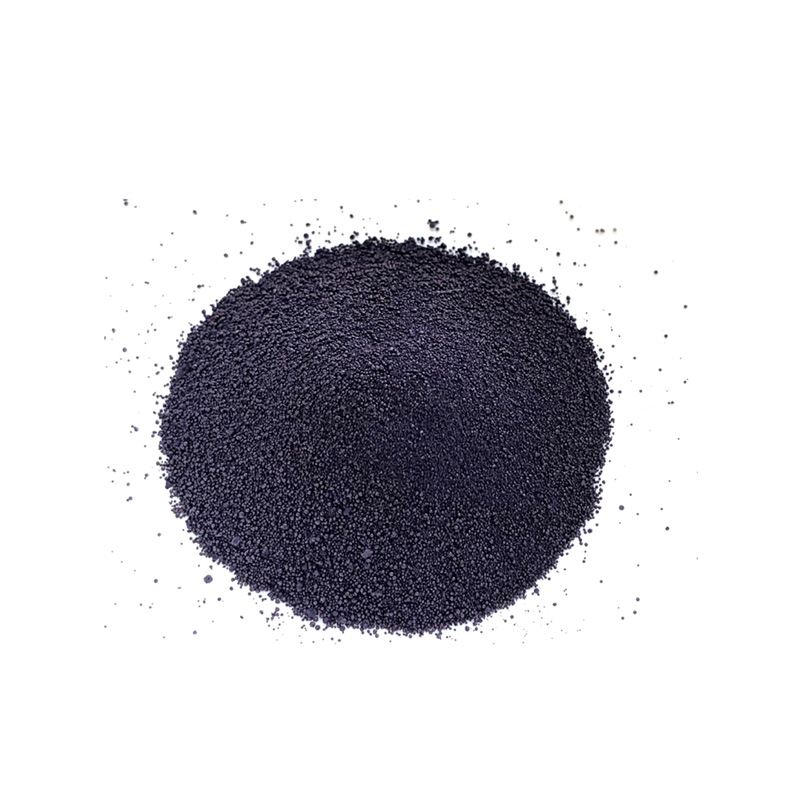
Indigo Blue Vat Blue
1.Name: indigo blue,vat blue 1,
2.Structure formula:
3.Molecule formula: C16H10N2O2
4.. CAS No.: 482-89-3
5.Molecule weight: 262.62
6.HS code: 3204151000
7.Major usage and instruction: Be mainly used to dye cotton fabrics.