

High Quality Denim Dye Indigo - Sustainable, Durable & Vibrant | Wuxin Group
Why High Quality Denim Dye Indigo Matters in Today’s Global Market
Denim jeans have made it from humble miners' wear to a cultural staple worldwide. At the heart of denim’s iconic look and feel lies the high quality denim dye indigo, a particular kind of dye that gives jeans their distinctive blue hues and durability. Understanding this dye and its qualities isn't just for textile geeks — it has real global implications for sustainability, manufacturability, and fashion trends alike.
According to the latest textile reports, the global denim market is forecasted to cross $75 billion by 2026. Behind this boom, demand for superior dyes that combine vibrant shades with environmental compliance is booming. That’s why knowing the difference between low-grade and high quality denim dye indigo can impact everything from supplier decisions to customer satisfaction.
Setting the Scene: Why the High Quality Indigo Dye is Globally Relevant
Denim production is a heavy industry: it involves millions of jeans manufactured daily worldwide, often in developing countries with high environmental burdens. The UN and World Bank warn about the textile industry’s water and chemical footprints. Indigo dyes, frequently used in these jeans, are a primary culprit.
Traditional synthetic indigo dyes, while cheap and effective, often pollute rivers and soil due to poor biodegradability and toxic chemical processes. This has led to a rising call for high quality denim dye indigo that not only offers rich coloring but also improves environmental outcomes—think less water waste, lower chemical loads, and enhanced recyclability.
The challenge, then, is finding solutions that maintain denim’s classic appeal without compromising global sustainability goals.
What Exactly Is High Quality Denim Dye Indigo?
Simply put, this is a premium grade indigo dye optimized for textile applications, especially for denim fabrics. Unlike low-quality variants that may fade quickly or contain pollutants, these dyes:
- Offer deeper, longer-lasting colors
- Adhere firmly to cotton fibers for durability
- Meet strict environmental and safety standards (ISO 14001, Oeko-Tex certifications)
- Include innovations like natural or bio-synthesized indigo variants
For modern industries—from fashion houses to humanitarian textile producers—this means a product that’s visually striking and ethically sound.
Core Components that Define High Quality Denim Dye Indigo
1. Colorfastness and Durability
The hallmark of excellent indigo dye is its resistance to fading. Denim dyed with high quality indigo tends to retain its color even after multiple washes—critical for consumer satisfaction.
2. Eco-Friendliness and Safety
Manufacturers now prioritize dyes that minimize toxic chemical runoff. High quality dyes often comply with rigorous environmental regulations, reducing water pollution and protecting industrial workers.
3. Consistency and Scalability
Scaling indigo production while maintaining uniform dye strength and shade isn’t trivial. Top-tier suppliers guarantee reliable batches that enable big brands to deliver consistent products globally.
4. Compatibility with Fabric Technologies
Some denim fabrics now incorporate stretch, organic cotton, or recycled fibers. High quality indigo dye must work seamlessly across these variations, ensuring performance doesn't suffer.
5. Cost-Effectiveness Over Lifecycle
While initially pricier, superior dyes lower production waste, reduce returns from color wear issues, and improve brand credibility—translating to long-term savings.
| Specification | Details |
|---|---|
| Chemical Composition | Purity ≥ 98%, Low heavy metals |
| Colorfastness (ISO 105-B02) | Grade 4-5 (excellent) |
| Water Solubility | Optimized for minimal solubility; reduces run-off |
| Environmental Certifications | Oeko-Tex 100, GOTS-compatible |
| Application Method | Dip-dyeing, rope dyeing, or spray methods |
How High Quality Denim Dye Indigo Shapes Real-World Use
From the factories of Bangladesh to boutique denim ateliers in Italy, the dye’s role is everywhere. Fashion brands increasingly advertise sustainably sourced indigo—or even “organic” indigo dye—to align with shifting consumer values.
Moreover, in regions where water scarcity is an issue, such as parts of India and Mexico, adopting high quality indigo that requires less water and chemicals for dyeing helps reduce environmental stress. NGOs supporting refugee camps also gravitate towards this dye for durable workwear and school uniforms, recognizing the importance of resilient fabrics amid tough conditions.
For example, Levis and Patagonia have partnered with suppliers to source certified indigo dyes that meet strict industry standards and support community-driven agriculture growing the indigo plants or synthesizing dyes more cleanly.
Why Investing in High Quality Indigo Dye Pays Off
- Cost Savings: Less fabric waste, fewer returns from poor dye durability, and reduced chemical treatment costs.
- Sustainability: Aligns brands with rising eco-conscious consumer demands and regulatory frameworks.
- Brand Trust & Market Advantage: Superior quality leads to better reviews, less product fade complaints, and stronger brand loyalty.
- Social Impact: Safer working conditions for dyers and reduced environmental pollution contribute to ethical supply chains.
- Innovation Gateway: Opens doors for further textile developments, like smart denim or recycled fiber blends.
Emerging Trends & What’s Next for Indigo Dyeing
Advancements in biotechnology now enable the production of bio-indigo, a pigment grown via bacterial fermentation rather than synthetic chemical synthesis—cutting carbon emissions and pollution drastically. Digital dyeing techniques also promise to reduce water consumption and material waste further.
Automation and AI in textile manufacturing help monitor dye consistency in real time, avoiding costly batch mismatches. Furthermore, certifications like Global Organic Textile Standard (GOTS) and Bluesign® are increasingly becoming baseline requirements, pushing companies towards higher quality, eco-friendly indigo products.
Common Challenges & How Industry Leaders Address Them
That said, there are hurdles. High quality indigo dyes often carry higher upfront costs and require skilled handling during dyeing processes. There’s also the technical challenge of replicating the “vintage” look many consumers crave, which traditionally involves multiple washes and fades.
Leaders in the field overcome these by:
- Investing in R&D for more cost-effective bio-indigo syntheses
- Developing hybrid dyes blending synthetic and natural indigos
- Educating dyers on precise application methods to optimize effects without waste
- Scaling supply chains carefully to meet demand without quality loss
| Vendor | Key Strengths | Environmental Certifications | Global Reach |
|---|---|---|---|
| Wuxin Group | Broad product range, bio-indigo innovations | Oeko-Tex 100, Bluesign® | Asia, Americas, Europe |
| Tata Chemicals | Strong sustainability track record | ISO 14001, GOTS | India, Middle East |
| Archroma | Digital dyeing tech, wide textile solutions | Bluesign®, REACH compliant | Global |
Frequently Asked Questions About High Quality Denim Dye Indigo
1. What makes high quality denim dye indigo different from cheaper alternatives?
High quality indigo dyes offer superior color retention, environmental safety, and consistent production standards. They undergo rigorous testing for colorfastness and comply with multiple safety certifications, unlike cheaper dyes that may fade quickly or contain harmful chemicals.
2. Can investing in premium indigo dye reduce overall production costs?
Yes, despite higher upfront prices, better dyes reduce fabric rejects and customer returns by improving durability. This leads to long-term savings in material wastage and brand reputation maintenance.
3. Are natural or bio-based indigo dyes practical for large-scale denim production?
Increasingly so. Advances in biotech fermentation make bio-indigo scalable and cost-competitive. Some major brands already include these in their collections, reflecting a growing shift to sustainable sourcing.
4. How does high quality indigo impact the environmental footprint of denim manufacturing?
These dyes lower toxic chemical usage and water consumption significantly. When coupled with green manufacturing practices, they help reduce wastewater pollution, protecting local ecosystems and worker health.
5. Where can manufacturers source reliable high quality denim dye indigo?
Reputable global suppliers like Wuxin Group offer certified, tested indigo dyes with scalable production capacity. Partnering with vendors who hold environmental certifications ensures consistent quality.
In Conclusion: Embracing the Value of High Quality Denim Dye Indigo
From sustainability to style, the role of high quality denim dye indigo can't be overstated—it's both a nod to denim's rich history and a step toward a greener future. Whether you’re a manufacturer seeking reliability, a designer focused on lasting fashion, or an environmental advocate, understanding these dyes opens doors to smarter, more ethical textile choices.
Curious to learn more? Explore our full range of high quality denim dye indigo and how they can transform your denim projects.
References
-
Mastering the Art of China Japanese Indigo Dyeing Traditions
NewsApr.16,2026
-
Exploring the Elegance of China Deep Indigo Color in Textiles
NewsApr.09,2026
-
Discover High Quality China Jeans Blue Indigo for Global Markets
NewsApr.07,2026
-
Exploring the Rich Tradition of China Natural Indigo Dyed Fabric
NewsApr.04,2026
-
Exploring China Indigo Color in Nature History and Modern Applications
NewsMar.31,2026
-
Discover High Quality China Pure Indigo Powder for Vibrant Natural Dyeing
NewsMar.28,2026
-
Exploring the Rich History of China True Blue Indigo Textiles
NewsMar.26,2026
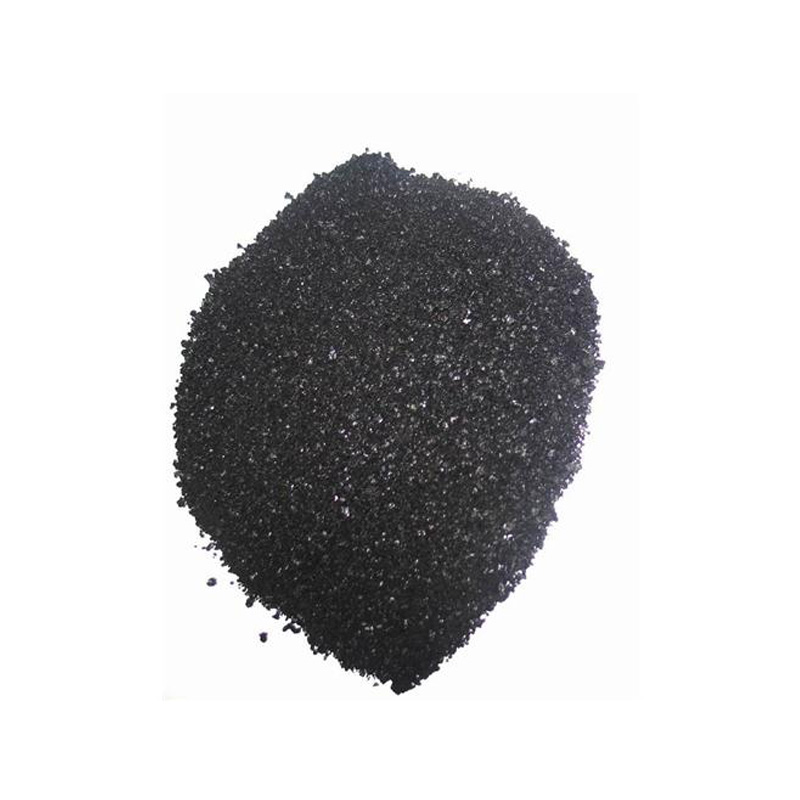
Sulphur Black
1.Name: sulphur black; Sulfur Black; Sulphur Black 1;
2.Structure formula:
3.Molecule formula: C6H4N2O5
4.CAS No.: 1326-82-5
5.HS code: 32041911
6.Product specification:Appearance:black phosphorus flakes; black liquid
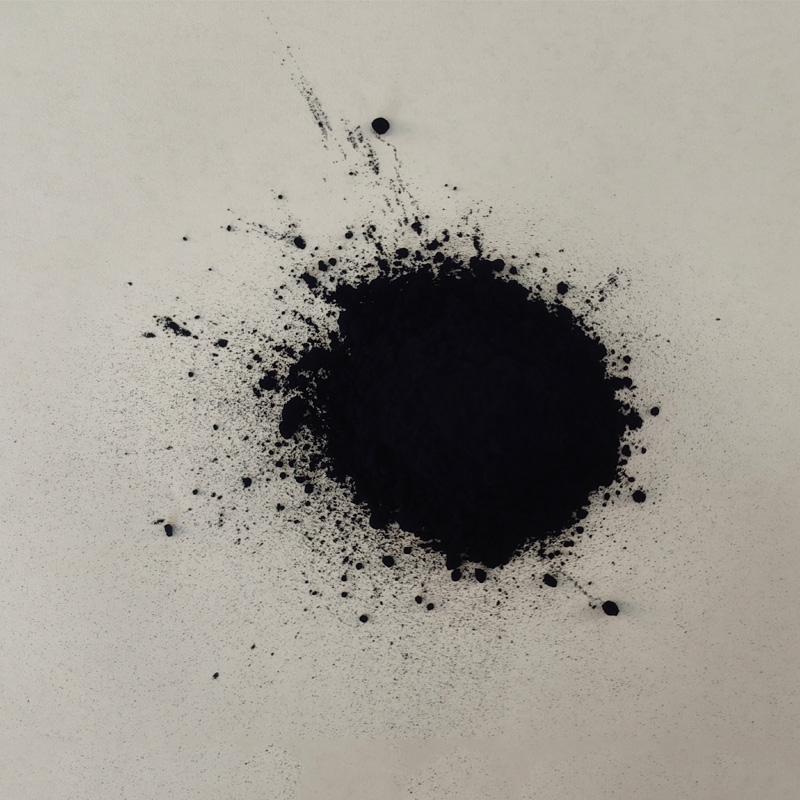
Bromo Indigo; Vat Bromo-Indigo; C.I.Vat Blue 5
1.Name: Bromo indigo; Vat bromo-indigo; C.I.Vat blue 5;
2.Structure formula:
3.Molecule formula: C16H6Br4N2O2
4.CAS No.: 2475-31-2
5.HS code: 3204151000 6.Major usage and instruction: Be mainly used to dye cotton fabrics.
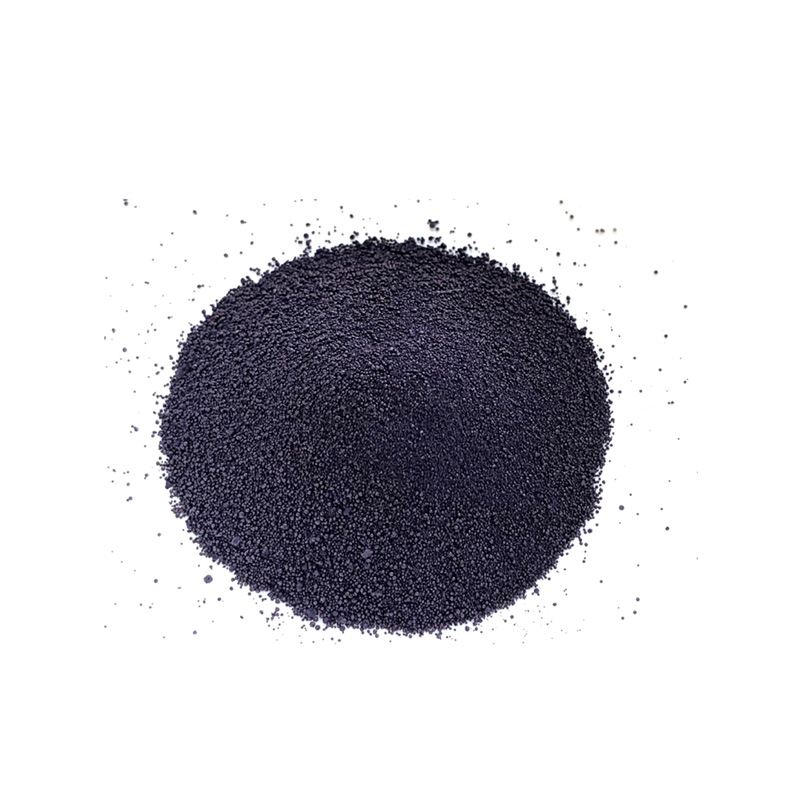
Indigo Blue Vat Blue
1.Name: indigo blue,vat blue 1,
2.Structure formula:
3.Molecule formula: C16H10N2O2
4.. CAS No.: 482-89-3
5.Molecule weight: 262.62
6.HS code: 3204151000
7.Major usage and instruction: Be mainly used to dye cotton fabrics.