

High Quality Indigo Powder: Sustainable Natural Dye for Global Textile Industry
High Quality Indigo Powder: A Global Artisan's Staple with Modern Relevance
When we talk about high quality indigo powder, it’s easy to get caught up in just the beautiful deep blue dye it produces — but this ancient pigment carries significance far beyond aesthetics. Across continents and centuries, indigo powder has been a cultural cornerstone, a sustainable natural resource, and today, a measured ingredient in industries striving for ecological responsibility and product excellence. Understanding this humble powder means diving into the merge of tradition with innovation, economy with environment, and art with science.
Why Indigo Powder Matters Globally
From the bustling textiles markets of India to artisanal dyers in Japan, high quality indigo powder remains a sought-after commodity. The global indigo market, estimated by the World Bank to support millions of rural livelihoods, reflects an enduring demand for natural dyes over synthetic alternatives. Especially with rising awareness about the environmental toll of synthetic dyes — which dominate in many textile industries but generate considerable harmful waste — natural indigo is re-emerging as a preferred, eco-friendly solution. According to ISO standards for sustainable textile production, organic indigo powders contribute substantially to reduced chemical discharge and water use.
But this isn’t just about environmentalism. In a world increasingly driven by ethical sourcing and consumer transparency, quality indigo powder offers industries and artisans alike a chance to reconnect with authenticity and sustainability challenges. However, there's a significant issue: many suppliers still offer inconsistently processed powders that undermine final product quality. This drives the necessity to understand what defines high quality indigo powder.
What Is High Quality Indigo Powder?
Simply put, indigo powder is a natural pigment extracted from plants, primarily the Indigofera species. The “high quality” tag refers to the purity, consistency, and color fastness of the powder, which influence how vibrant and lasting the dye appears on fabric. Unlike synthetic indigo, natural indigo powder involves a careful fermentation or chemical-free extraction process, preserving the unique chemical structures that give it lasting blues without toxic residues.
Modern textile industries and small-scale artisans both prize this powder, not only for its rich blue hue but also because it fits into the broader goals of circular economy and environmentally conscious production — essentials for future-focused manufacturing.
Key Qualities That Define High Quality Indigo Powder
1. Purity and Consistency
The best indigo powders have minimal impurities; this avoids color inconsistencies and uneven dyeing. Many producers now use standardized processes monitored against ISO 105-A01, which governs colorfastness testing.
2. Color Fastness
High quality powders yield dye that resists fading from sunlight, washing, and rubbing. This resilience matters for both consumer satisfaction and for products designed to last.
3. Particle Size
You might not think about powder texture much, but finer particle size can improve dissolvability and bonding with fabrics, ensuring smooth application.
4. Sustainable Harvesting
Producers committed to environmental stewardship cultivate indigo plants without pesticides or harmful chemicals. This reflects back on social responsibility, another big point for modern brands and customers.
5. Packaging & Storage
Exposure to humidity and air can degrade quality fast, so packaging methods that preserve freshness are key.
Product Specification Table
| Specification | Typical Value | Industry Standard |
|---|---|---|
| Purity (%) | 85-92% | >85% |
| Particle Size (microns) | 50-120 | 50-150 |
| Color Fastness (Wash) | Grade 4-5 | >4 |
| Moisture Content (%) | ||
| Packaging | Vacuum Sealed Kraft Paper Bags | Moisture & Air Barrier |
Global Uses and Applications of Indigo Powder
High quality indigo powder finds its way into various sectors, from fashion to crafts, and even cosmetics and food colorants in some cultures. In Asia — especially India and Japan — it remains a core element in traditional garment production like handwoven saris and Japanese kasuri textiles. Meanwhile, European designers blend it with organic cottons to meet rising demand for eco-friendly fashion lines.
Interestingly, some NGOs working in post-disaster areas have started using indigo-dyed fabrics to create income-generating opportunities, helping refugees and displaced communities regain dignity through artisanal work. In remote industrial zones, the powder’s role underscores a commitment to reducing synthetic chemical dependency.
Vendor Comparison Table: Indigo Powder Suppliers
| Vendor | Origin | Purity Range | Sustainability Certification | Average Lead Time |
|---|---|---|---|---|
| IndigoCo | India (Gujarat) | 85-90% | FairTrade, Organic | 4 weeks |
| BlueLeaf Naturals | Japan (Shizuoka) | 88-92% | JAS Organic | 6 weeks |
| EcoHue Fabrics | Madagascar | 80-85% | Rainforest Alliance | 5 weeks |
Advantages and Enduring Value of Using High Quality Indigo Powder
- Ecological Harmony: Derived from plants, it decomposes naturally without toxic residues, unlike many synthetic dyes.
- Economic Empowerment: Supports sustainable livelihoods for farmers and communities worldwide.
- Cultural Preservation: Maintains traditional dyeing arts that represent cultural identities.
- Superior Aesthetics: Offers a depth and vibrancy of color unmatched by artificial dyes.
- Consumer Trust: In an era of transparency, natural indigo assures clients of responsible sourcing.
Looking Forward: Innovations and Trends Shaping Indigo Powder Use
Frankly, the future looks quite exciting for this age-old pigment. With increasing demand for biodegradable, zero-waste textile processes, research groups in Europe and Asia are experimenting with fermentation-enhanced indigo production — improving yield and purity while lowering energy use. Digital color matching and automated dyeing machines tailored for natural indigo promise consistent product outcomes. Green chemistry labs focus on tweaking traditional extraction methods to boost sustainability. Meanwhile, governments’ stricter regulations on synthetic dyes push industries to adopt natural alternatives more broadly.
Challenges That Still Linger and Smarter Solutions
Of course, it’s not all roses. Ultra-high quality indigo powder often comes at a premium price. Variability in natural raw materials can lead to batch inconsistency unless handled carefully. Storage conditions require vigilance to avoid moisture uptake that degrades quality. Even so, many suppliers now use innovative packaging technologies and supply chain transparency software to reduce these issues. Meanwhile, cooperative fair-trade schemes ensure farmers get better terms, incentivizing strict quality control from plant to powder.
Frequently Asked Questions About High Quality Indigo Powder
- What makes natural indigo powder preferable over synthetic dyes?
- Natural indigo powder is biodegradable and free of harmful chemicals, leading to a lower environmental footprint. Additionally, it offers richer, more authentic blues that fade more gracefully. Its production supports sustainable farming communities, unlike many synthetic dyes derived from petrochemicals.
- How can I ensure the indigo powder I buy is high quality?
- Look for purity percentages above 85%, color fastness certifications, and reputable suppliers who provide transparency on sourcing and processing. Certifications like FairTrade or organic standards often signal high quality.
- Is high quality indigo powder suitable for industrial-scale textile production?
- Yes, especially with advances in automated dyeing that accommodate natural indigo’s unique properties. Many manufacturers integrate it into eco-conscious product lines, balancing tradition with scalable tech.
- How long does indigo powder last when stored correctly?
- When stored in airtight, moisture-proof packaging away from heat and light, indigo powder can retain its quality for up to 12 months.
- Where can I find certified sustainable indigo powder suppliers?
- A few prominent vendors operate internationally with certifications like JAS Organic, FairTrade, or Rainforest Alliance. Check markets in India, Japan, and Madagascar for reliable sources.
Conclusion
In real terms, high quality indigo powder is much more than just a pigment — it’s an intersection of heritage, sustainability, and innovation. Whether you’re a designer chasing an authentic look, a manufacturer improving eco-credentials, or a consumer curious about your garment’s story, the powder’s legacy and future provide ample reasons to choose carefully and appreciate deeply.
Curious to explore further? Don’t hesitate to visit our website for more information and trusted supplies: high quality indigo powder indigo powder.
References
-
Mastering the Art of China Japanese Indigo Dyeing Traditions
NewsApr.16,2026
-
Exploring the Elegance of China Deep Indigo Color in Textiles
NewsApr.09,2026
-
Discover High Quality China Jeans Blue Indigo for Global Markets
NewsApr.07,2026
-
Exploring the Rich Tradition of China Natural Indigo Dyed Fabric
NewsApr.04,2026
-
Exploring China Indigo Color in Nature History and Modern Applications
NewsMar.31,2026
-
Discover High Quality China Pure Indigo Powder for Vibrant Natural Dyeing
NewsMar.28,2026
-
Exploring the Rich History of China True Blue Indigo Textiles
NewsMar.26,2026
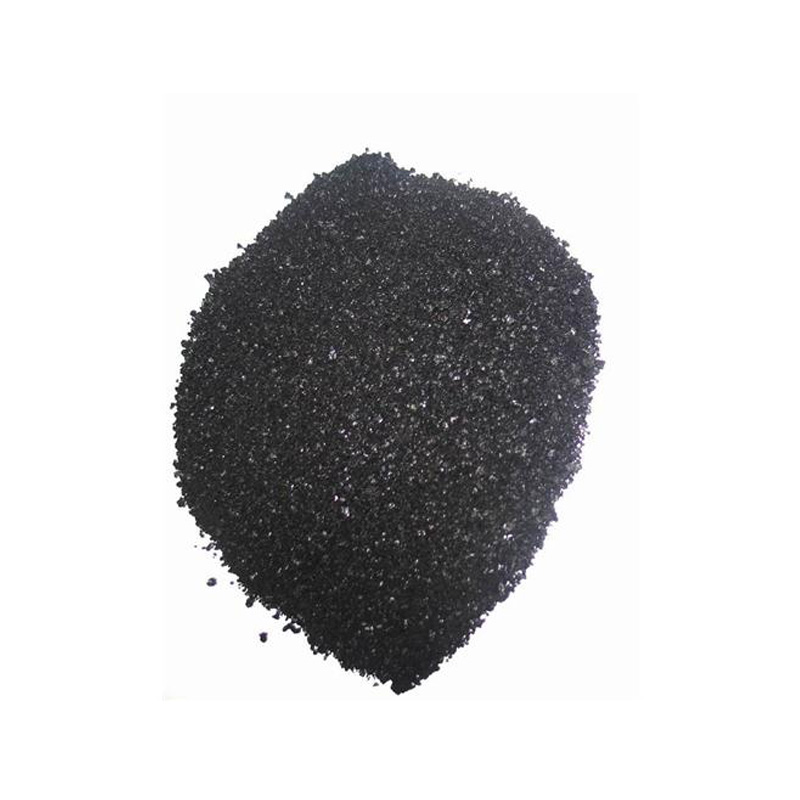
Sulphur Black
1.Name: sulphur black; Sulfur Black; Sulphur Black 1;
2.Structure formula:
3.Molecule formula: C6H4N2O5
4.CAS No.: 1326-82-5
5.HS code: 32041911
6.Product specification:Appearance:black phosphorus flakes; black liquid
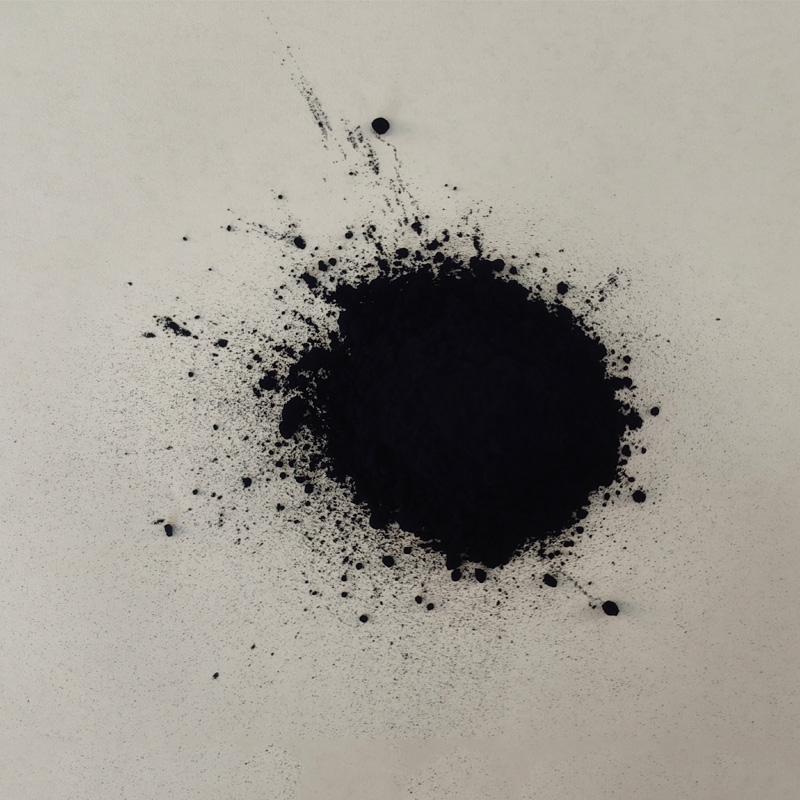
Bromo Indigo; Vat Bromo-Indigo; C.I.Vat Blue 5
1.Name: Bromo indigo; Vat bromo-indigo; C.I.Vat blue 5;
2.Structure formula:
3.Molecule formula: C16H6Br4N2O2
4.CAS No.: 2475-31-2
5.HS code: 3204151000 6.Major usage and instruction: Be mainly used to dye cotton fabrics.
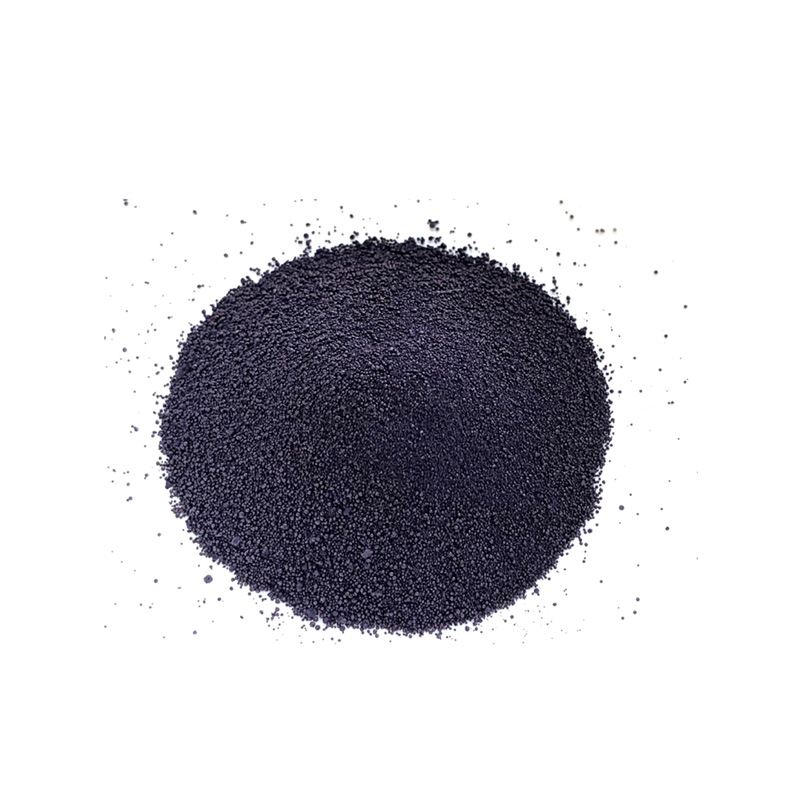
Indigo Blue Vat Blue
1.Name: indigo blue,vat blue 1,
2.Structure formula:
3.Molecule formula: C16H10N2O2
4.. CAS No.: 482-89-3
5.Molecule weight: 262.62
6.HS code: 3204151000
7.Major usage and instruction: Be mainly used to dye cotton fabrics.